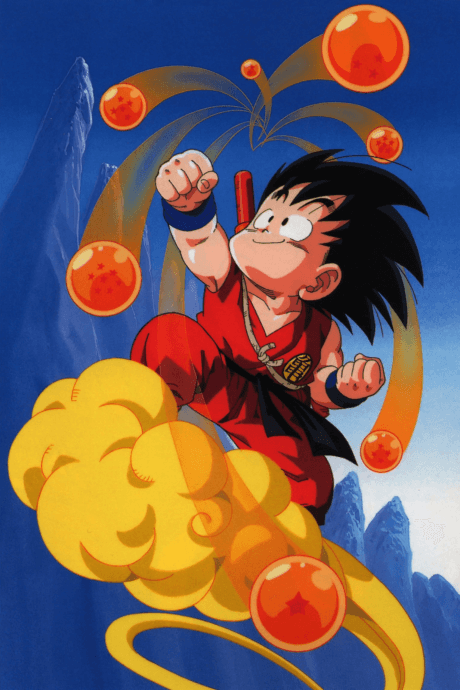
General Blue Saga
SagaYoung Goku continues his quest for Dragon Balls into undersea pirate caves and a dangerous encounter with the Red Ribbon Army's most cunning officer, General Blue. Featuring underwater adventure, psychic powers, and a visit to Penguin Village, this saga blends action with comedy in classic Dragon Ball style.
Into the Depths
The General Blue Saga picks up as young Goku, along with Krillin and Bulma, tracks the next Dragon Ball to a location beneath the ocean. Their search leads them to an elaborate underwater pirate cave, a sunken labyrinth filled with traps, treasure, and the skeletal remains of pirates long dead. It is one of the most atmospheric settings in the original Dragon Ball series, trading open skies for claustrophobic tunnels and murky underwater passages.
The Red Ribbon's Finest
General Blue is unlike any Red Ribbon Army officer Goku has faced before. Vain, meticulous, and ruthlessly efficient, Blue commands a submarine fleet and pursues the Dragon Ball with military precision. What sets him apart from the bumbling commanders who came before is his genuine combat ability. Blue possesses psychic powers that allow him to paralyze opponents with his gaze, a technique that proves devastating against even Goku's speed and reflexes. He is also physically powerful, easily dispatching his own subordinates when they disappoint him.
The underwater pirate cave sequences are highlights of classic Dragon Ball adventure storytelling. Goku, Krillin, and Bulma navigate collapsing tunnels, discover ancient treasure rooms, and narrowly escape flooding passages as General Blue and his soldiers close in from behind. An electric eel encounter forces Goku to fight in water where his movements are restricted, and the tension of running out of air adds a survival element rarely seen in the franchise.
A Dragon Ball Found and Lost
The group finds the Dragon Ball deep within the pirate's lair, but General Blue's psychic paralysis catches Goku off guard. Frozen in place by Blue's telekinetic stare, Goku can do nothing as the General steals the Dragon Ball and plants explosives to destroy the cave. Only a mouse landing on Blue's face, breaking his concentration, saves Goku's life in time for the boy to grab his friends and escape the collapsing cave system. The comedic timing of this rescue is pure Toriyama, undercutting a genuinely tense moment with absurdist humor.


From the Deep Sea to Penguin Village
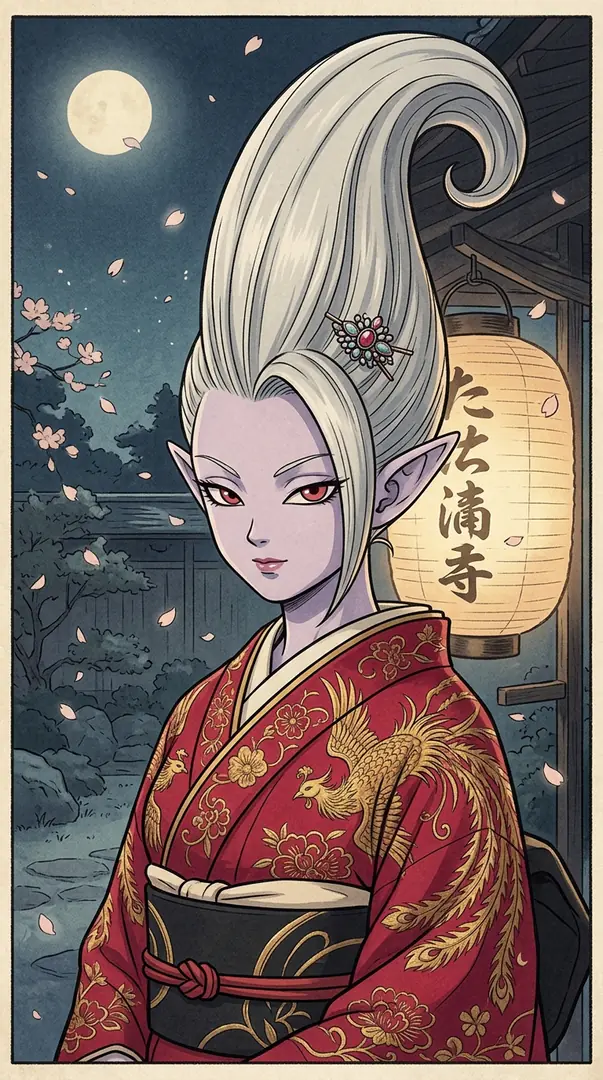
The pursuit of General Blue takes Goku on one of Dragon Ball's most memorable detours. After escaping the underwater cave, Goku chases Blue across the sea and crash-lands in Penguin Village, the setting of Akira Toriyama's earlier manga, Dr. Slump. This crossover is pure fan service in the best sense, bringing Goku into contact with Arale Norimaki, the absurdly powerful robot girl from Dr. Slump, along with Gatchan and the other eccentric residents of Penguin Village.
Blue's Psychic Edge
General Blue's battles in this saga showcase one of Dragon Ball's earliest explorations of abilities beyond raw power. His telekinetic paralysis is genuinely threatening because it bypasses traditional combat entirely. Goku, who at this point in the series can outfight nearly any physical opponent, is rendered completely helpless. Krillin fares even worse, taking a beating from Blue while paralyzed. These encounters establish that psychic abilities occupy a unique niche in the Dragon Ball power system, a concept that the series would revisit sporadically in later arcs.
Arale to the Rescue
The Penguin Village sequence is comedy gold. General Blue attempts to use his psychic powers on Arale, only to discover that the robot girl is utterly unaffected and incomprehensibly powerful. Arale headbutts Blue with enough force to launch him into the horizon, ending his pursuit in the most humiliating way possible. The sequence works because it places Dragon Ball's escalating combat logic against Dr. Slump's gag manga physics, and the gag wins. Toriyama clearly relished the opportunity to bring his two most famous creations together.

Treasure, Traps, and Toriyama's Touch
The General Blue Saga represents Dragon Ball at its most adventurous. Before the franchise evolved into a battle series defined by power levels and transformations, it was fundamentally a treasure-hunting story inspired by Journey to the West. This saga captures that spirit perfectly, with its underwater exploration, pirate lore, and globe-spanning chase sequences. The pacing is brisk, the humor is sharp, and the danger feels genuine even within the lighthearted tone.
General Blue's Legacy
As a villain, General Blue stands out in the original Dragon Ball roster. His combination of vanity, cruelty, and psychic ability makes him more memorable than many of the Red Ribbon Army's other officers. He is one of the first antagonists in the series to pose a threat to Goku through means other than physical strength, establishing a pattern that would recur throughout Dragon Ball's history. His ultimate fate, executed by Mercenary Tao for his failure, also introduces the concept that the Red Ribbon Army's chain of command is brutally unforgiving.
The Penguin Village crossover, meanwhile, remains one of the most beloved moments in early Dragon Ball. It demonstrates Toriyama's willingness to break the fourth wall of his own narrative universe and reminds viewers that Dragon Ball began as a comedy before it became an action epic. For fans who came to the franchise through Dragon Ball Z, this saga offers a window into the series' playful origins and the creative spirit that made Toriyama's work so distinctive.
Related Reading
See all
Krillin's on the Tinder: How the Ultimate Short King Survived the Height Filter
Tinder built a height filter. Dragon Ball built a five foot legend. What happened when we sent the ultimate short king into the modern dating hellscape....
Infinite Zeni Glitch: When Yamcha Never Pays and Mr. Popo Always Does
The internet found an infinite money glitch. So did Yamcha. A smooth R&B track about the easiest money in the Dragon Ball world and the one man who keeps paying for it....
Frequently Asked Questions
How many episodes is the General Blue Saga?
The General Blue Saga spans episodes 46-57. Young Goku continues his quest for Dragon Balls into undersea pirate caves and a dangerous encounter with the Red Ribbon Army's most cunning officer, General Blue.
What is the General Blue Saga in Dragon Ball?
Young Goku continues his quest for Dragon Balls into undersea pirate caves and a dangerous encounter with the Red Ribbon Army's most cunning officer, General Blue. Featuring underwater adventure, psychic powers, and a visit to Penguin Village, this saga blends action with comedy in classic Dragon Ball style.
What happens in the General Blue Saga?
Goku travels to Kame House to borrow a submarine for an underwater Dragon Ball. Bulma and Krillin accompany him on this dive. They discover an ancient pirate cave filled with traps and treasure, but General Blue and his troops follow them in.
Who is the main villain of the General Blue Saga?
The main villain of the General Blue Saga is General Blue. Young Goku continues his quest for Dragon Balls into undersea pirate caves and a dangerous encounter with the Red Ribbon Army's most cunning officer, General Blue.
What series is the General Blue Saga from?
The General Blue Saga appears in Dragon Ball. Young Goku continues his quest for Dragon Balls into undersea pirate caves and a dangerous encounter with the Red Ribbon Army's most cunning officer, General Blue.
Sources & Information
Looking for more on General Blue Saga? The Dragon Ball Wiki on Fandom has a dedicated page with community notes.
View on FandomThis content is original writing by Daddy Jim Headquarters based on the Dragon Ball anime series, manga, and official materials. Episode and chapter references are cited where applicable.
Character and scene imagery on this site is original artwork by Daddy Jim Headquarters, not screenshots or licensed imagery. Official cover art is used on three types of pages for editorial commentary:
- Movie pages: theatrical posters and key visuals, credited to Toei Animation and Shueisha.
- Game pages: official box art, credited to Bandai Namco, Atari, and other publishers.
- Manga chapter pages: Jump Comics volume covers, credited to Shueisha and Akira Toriyama.
Browse our episode guides:
Official resources:
Help Us Keep This Wiki Accurate
Daddy Jim Headquarters maintains this encyclopedia. If you spot an error, a translation issue, or something that doesn't look right, let us know.