Hero Colosseum
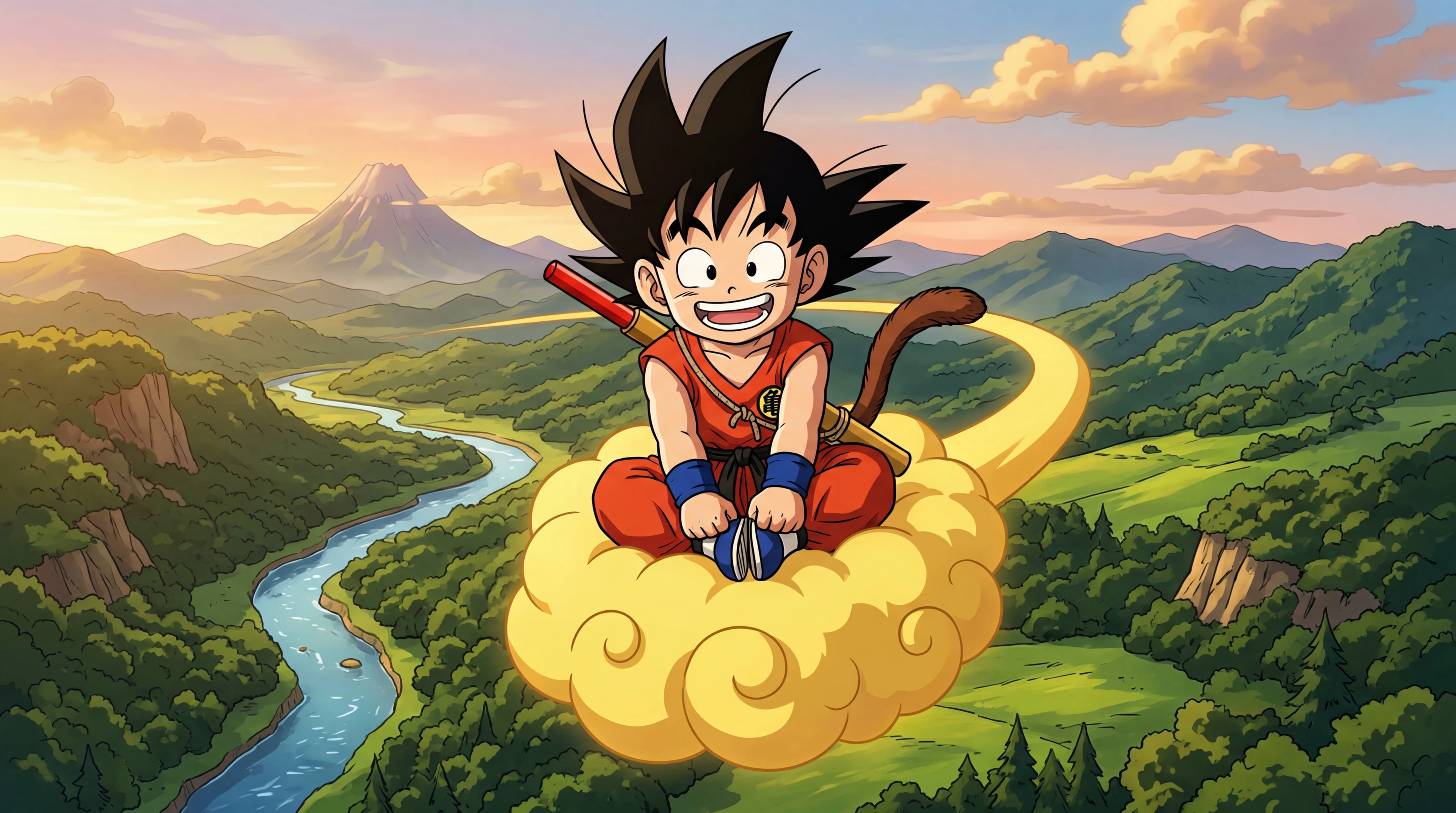
SagaA side story from Dragon Ball Xenoverse 2 and Dragon Ball Heroes where fighters compete using collectible figures in a holographic battle arena. The Hero Colosseum introduces a meta-game layer to the Dragon Ball universe, letting characters engage in strategic figure battles rather than direct combat.
Figures Come to Life
The Hero Colosseum is a distinctive side story that exists within the Dragon Ball Xenoverse 2 video game and related Dragon Ball Heroes media. Rather than traditional combat between warriors, the Hero Colosseum revolves around a holographic battle system where participants use collectible figures representing Dragon Ball characters. These figures are placed on a battle stage, and their stats, abilities, and team compositions determine the outcome of each match.
The Colosseum's Appeal
Within the game's narrative, the Hero Colosseum becomes a popular pastime among the Time Patrollers of Conton City. Characters who normally settle their differences with ki blasts and transformations instead engage in strategic figure battles, analyzing type advantages, team synergies, and special abilities. The tone is deliberately lighter than the main story campaigns, offering a change of pace from universe-threatening conflicts. Familiar faces like Goku, Vegeta, and the Supreme Kai of Time all participate in or comment on the figure battles, treating them with varying degrees of seriousness.
The saga introduces its own cast of Colosseum enthusiasts and rivals who challenge the player character through increasingly difficult figure battles. Each opponent has their own strategy and preferred figure team, requiring the player to adapt their approach and build new figure combinations to progress.



Strategy Over Strength
What makes the Hero Colosseum interesting from a Dragon Ball perspective is its inversion of the franchise's usual power dynamics. A figure representing Yamcha, properly upgraded and positioned, can defeat a figure representing Beerus. Power levels, the franchise's defining metric, are irrelevant. Victory depends on collection depth, upgrade paths, and tactical placement. It is Dragon Ball filtered through the lens of a tabletop strategy game.
Collectible Culture
The figure collection mechanic mirrors real-world Dragon Ball merchandise culture, where fans collect figurines, trading cards, and gashapon capsule toys. The Hero Colosseum translates that collector's impulse into gameplay, with rare figures offering unique abilities and special figures unlocked through completing specific challenges. The meta-commentary, warriors collecting miniature versions of themselves and their rivals, adds a humorous self-awareness to the proceedings.
A Different Kind of Arena
The Hero Colosseum occupies a playful corner of the Dragon Ball universe. It does not advance the main timeline or introduce canonical transformations, but it offers something valuable: a reminder that the Dragon Ball world contains more than just battles for survival. The characters in this universe have hobbies, pastimes, and competitive interests beyond punching each other through mountains.
For fans of the Xenoverse games and Dragon Ball Heroes, the Hero Colosseum provides a strategic gameplay layer that complements the action-heavy main campaigns. It stands as one of Dragon Ball's more creative side ventures, proving that the franchise's appeal extends beyond combat into collection, strategy, and the simple joy of watching tiny holographic warriors clash on a tabletop stage.
Related Reading
See all
Chiaotzu is Chi-Chi's Boo: Why the Guy Who Never Wins Finally Wins
The least likely man in Dragon Ball just took the biggest win in our catalog. The story behind our R&B record about Chiaotzu, Chi-Chi, and a house Goku is never in....

Krillin's on the Tinder: How the Ultimate Short King Survived the Height Filter
Tinder built a height filter. Dragon Ball built a five foot legend. What happened when we sent the ultimate short king into the modern dating hellscape....

Frequently Asked Questions
What is Hero Colosseum Xenoverse 2?
A side story from Dragon Ball Xenoverse 2 and Dragon Ball Heroes where fighters compete using collectible figures in a holographic battle arena. The Hero Colosseum introduces a meta-game layer to the Dragon Ball universe, letting characters engage in strategic figure battles rather than direct combat.
What happens in the Hero Colosseum?
The Hero Colosseum is a recreational facility in Conton City (the hub world of Xenoverse 2) where Time Patrollers battle using collectible hero figures. The mode features a simple story about the player climbing the ranks of the figure battle tournament, meeting various characters who are enthusiasts of the hobby. Bulma promotes the Hero Colosseum through the city's PA system.
What series is the Hero Colosseum from?
The Hero Colosseum appears in Dragon Ball Xenoverse 2. A side story from Dragon Ball Xenoverse 2 and Dragon Ball Heroes where fighters compete using collectible figures in a holographic battle arena.
What are the key events of the Hero Colosseum?
Key events include Hero Colosseum introduced in Conton City, figure battle system, and comedic side story. The saga also features tournament progression.
What themes does the Hero Colosseum explore?
What makes the Hero Colosseum interesting from a Dragon Ball perspective is its inversion of the franchise's usual power dynamics. A figure representing Yamcha, properly upgraded and positioned, can defeat a figure representing Beerus. Power levels, the franchise's defining metric, are irrelevant.
Sources & Information
Looking for more on Hero Colosseum? The Dragon Ball Wiki on Fandom has a dedicated page with community notes.
View on FandomThis content is original writing by Daddy Jim Headquarters based on the Dragon Ball anime series, manga, and official materials. Episode and chapter references are cited where applicable.
Character and scene imagery on this site is original artwork by Daddy Jim Headquarters, not screenshots or licensed imagery. Official cover art is used on three types of pages for editorial commentary:
- Movie pages: theatrical posters and key visuals, credited to Toei Animation and Shueisha.
- Game pages: official box art, credited to Bandai Namco, Atari, and other publishers.
- Manga chapter pages: Jump Comics volume covers, credited to Shueisha and Akira Toriyama.
Browse our episode guides:
Official resources:
Help Us Keep This Wiki Accurate
Daddy Jim Headquarters maintains this encyclopedia. If you spot an error, a translation issue, or something that doesn't look right, let us know.