Warrior from the Demon World Saga
SagaThe climactic final saga of Dragon Ball Xenoverse 2's main story. Towa erases the legendary Time Patroller Ace from existence by killing Shenron in the past, and the Future Warrior must restore history before the Time Vault collapses. The saga culminates in Mira absorbing his own creator and Tokitoki's Egg, forcing Goku and the Warrior into a desperate final battle in Age ???.
Erasing the First Defender
The Warrior from the Demon World Saga begins with a catastrophe that nobody can remember. A massive history change ripples through every Time Scroll simultaneously, an alteration so fundamental that it affects even the Time Nest and Conton City. Chronoa, Elder Kai, Xeno Trunks, and the Future Warrior all sense that something vital is missing from their reality, but none of them can identify what was lost. Their memories have been rewritten along with history itself.
The Mask and the Memory
The breakthrough comes when the Future Warrior recalls the mask recovered from their earlier battle with Towa. Xeno Trunks struggles to remember who wore it, initially thinking of Bardock before realizing it belonged to someone else entirely: Ace, the legendary Time Patroller from the first Xenoverse game. Towa traveled to Age 850 and killed Shenron before he could grant Trunks' wish, the wish that originally summoned Ace to the Time Patrol. Without Ace, every history correction they performed in the first game was undone, causing a cascade of alterations that threatens to collapse the Time Vault and the universe along with it.
Racing Against Annihilation
The Future Warrior travels to Age 850 and confronts Towa, fighting alongside the past version of Xeno Trunks to force her retreat. History stabilizes temporarily, but Towa is not finished. She invades the Time Nest itself, bypassing its divine barrier using the mask she once used to brainwash Ace, attacks Chronoa, and steals the freshly laid Egg of Tokitoki. The Egg contains enough dormant energy to revive the Demon Realm and give Towa dominion over all of time and space.
Mira's Rebellion
Towa uses the Egg's energy to pull Mira from the rift where Bardock trapped him. But Mira has changed. His defeat at Bardock's hands taught him something his creator never intended: the value of fighting spirit. As the final battle unfolds in Age ???, Mira pushes past his power limiter, overheating his core to the point where Towa warns that the resulting explosion would destroy Universe 7. When the Future Warrior and Towa manage to subdue him, Mira does the unthinkable. He grabs his creator, declares that he has evolved beyond her designs, and absorbs both Towa and Tokitoki's Egg into his body, transforming into his ultimate Final Form.
The Last Fight
Goku arrives via Whis' Warp technique, transforms into Super Saiyan Blue, and joins the Future Warrior for the final confrontation. Mira, free of both his mission and his maker, fights with a joy he has never experienced before. When the Warrior and Goku gain the upper hand, Goku uses his Dragon Fist to pierce Mira's body and extract Tokitoki's Egg, allowing the Future Warrior to obliterate Mira with a Super Kamehameha. Mira laughs at his own defeat, apologizes to Towa, and dies in an explosion that closes the saga's most emotionally complex villain arc.


A Machine That Learned to Feel
Mira's transformation across Xenoverse 2 is the saga's greatest achievement. He begins as Towa's obedient weapon, a being of calculated power who follows orders without question. His defeat by Bardock plants a seed of doubt. His observation of warriors who fight with spirit rather than programming creates a desire he was never designed to have: the desire to surpass his own limitations through willpower alone.
When Mira absorbs Towa, it is not an act of betrayal in the traditional villain sense. It is a declaration of independence. He recognizes that Towa's constant repairs and limitations are preventing him from becoming what Bardock showed him was possible. His final words, an apology to the creator he devoured, suggest that even in his rebellion, he understood the relationship between them. It is a surprisingly nuanced end for a character who began as a generic antagonist.
The partnership between Goku and the Future Warrior in the final battle provides a satisfying callback to the first game, where Goku similarly intervened at the climax against Demigra. Goku's casual disregard for the timeline's complexity and his pure excitement at fighting someone as strong as Mira is perfectly in character, and his Dragon Fist finisher creates one of Xenoverse 2's most memorable cinematic moments.

The End of the Time Breakers
The Warrior from the Demon World Saga concludes Xenoverse 2's main narrative with finality and emotional weight. Towa and Mira, the recurring antagonists who have haunted the Dragon Ball video game timeline since Dragon Ball Online, meet their definitive end. The Time Patrol celebrates with a feast summoned by Shenron, Beerus crashes the party for the food, and Tokitoki's Egg prepares to hatch, promising the birth of a new universe's history.
Within the broader Xenoverse franchise, this saga represents the payoff for dozens of hours of gameplay investment. The villain's final form, the ally's return, the climactic team attack, every element is calibrated for maximum player satisfaction. But beneath the fan service beats a genuine story about creation, rebellion, and the unforeseen consequences of making a weapon capable of wanting. Mira's saga, from mindless enforcer to self-aware fighter to reluctant destroyer, is one of the most complete character arcs in Dragon Ball gaming history.
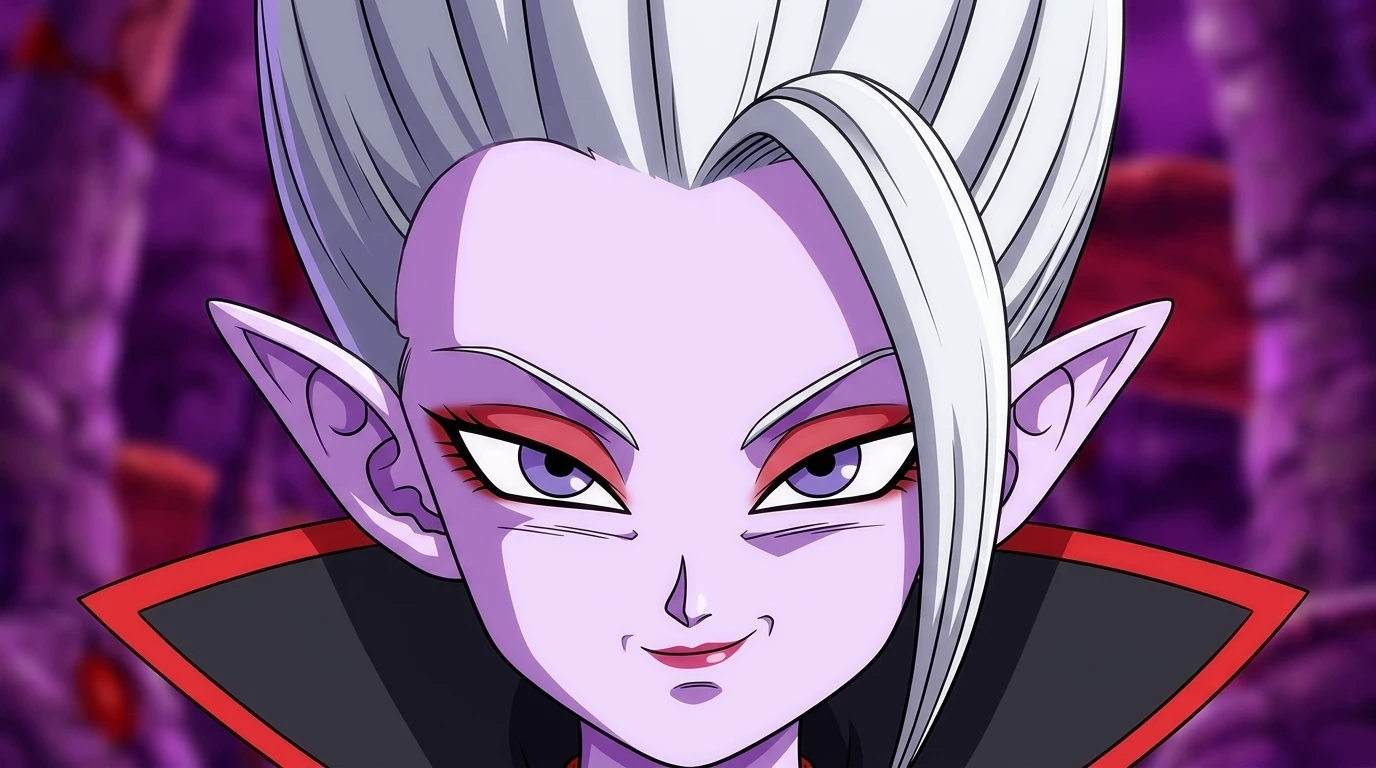
Dragon Ball Daima Blu-ray Confirmed for August 11 Release After March Delay
May 27, 2026Crunchyroll confirmed an August 11, 2026 Blu-ray release for Dragon Ball Daima after the originally planned March 3 date was pulled. Standard and limited editions opened for pre-order on the Crunchyroll Store the same week as the new announcement....
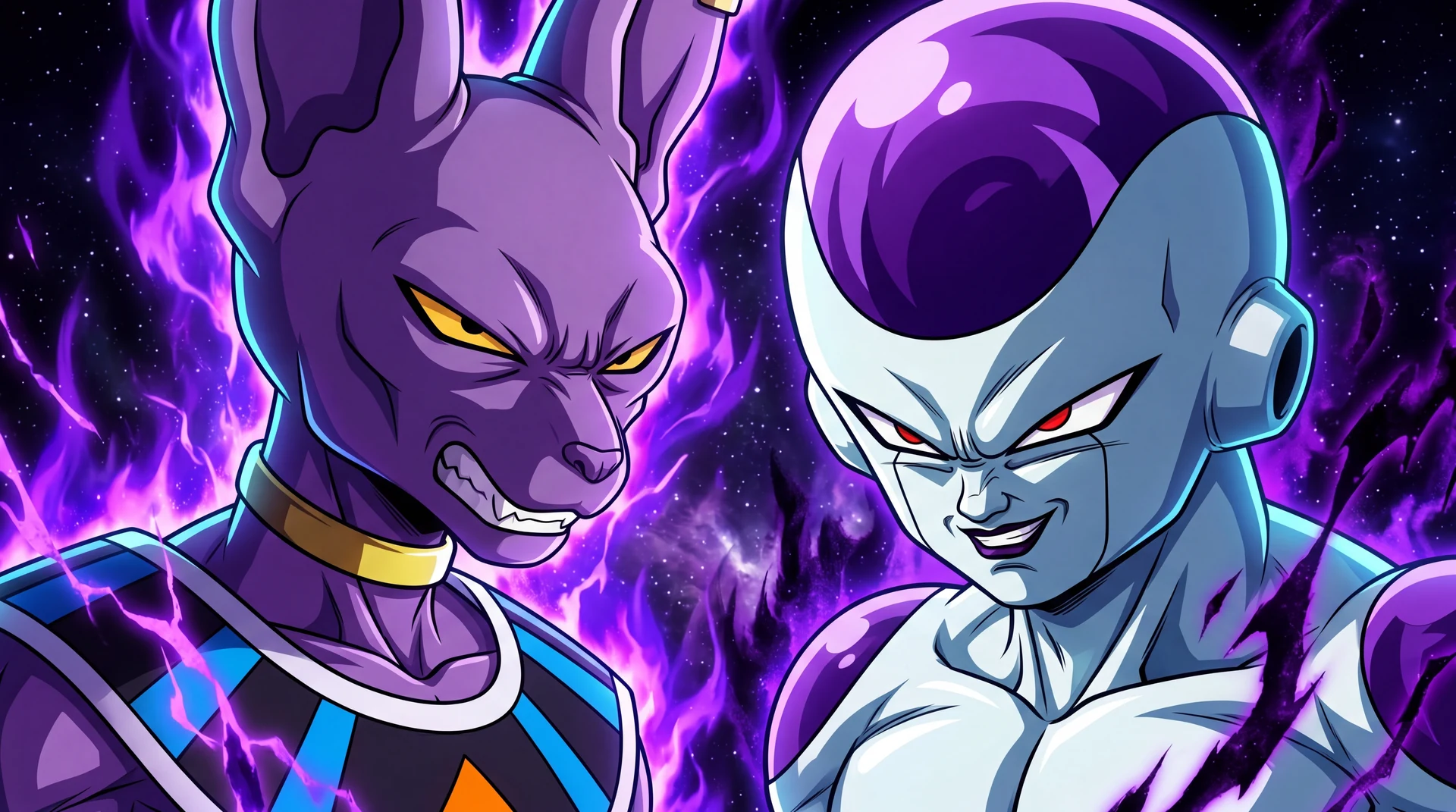
New Dragon Ball Super: Beerus Trailer Reveals Frieza
May 25, 2026The Super Gekitou trailer for Dragon Ball Super: Beerus debuted on April 19, 2026 at Dragon Ball Games Battle Hour and ends with Frieza awaiting his resurrection. The enhanced remake of the original anime premieres in Fall 2026....
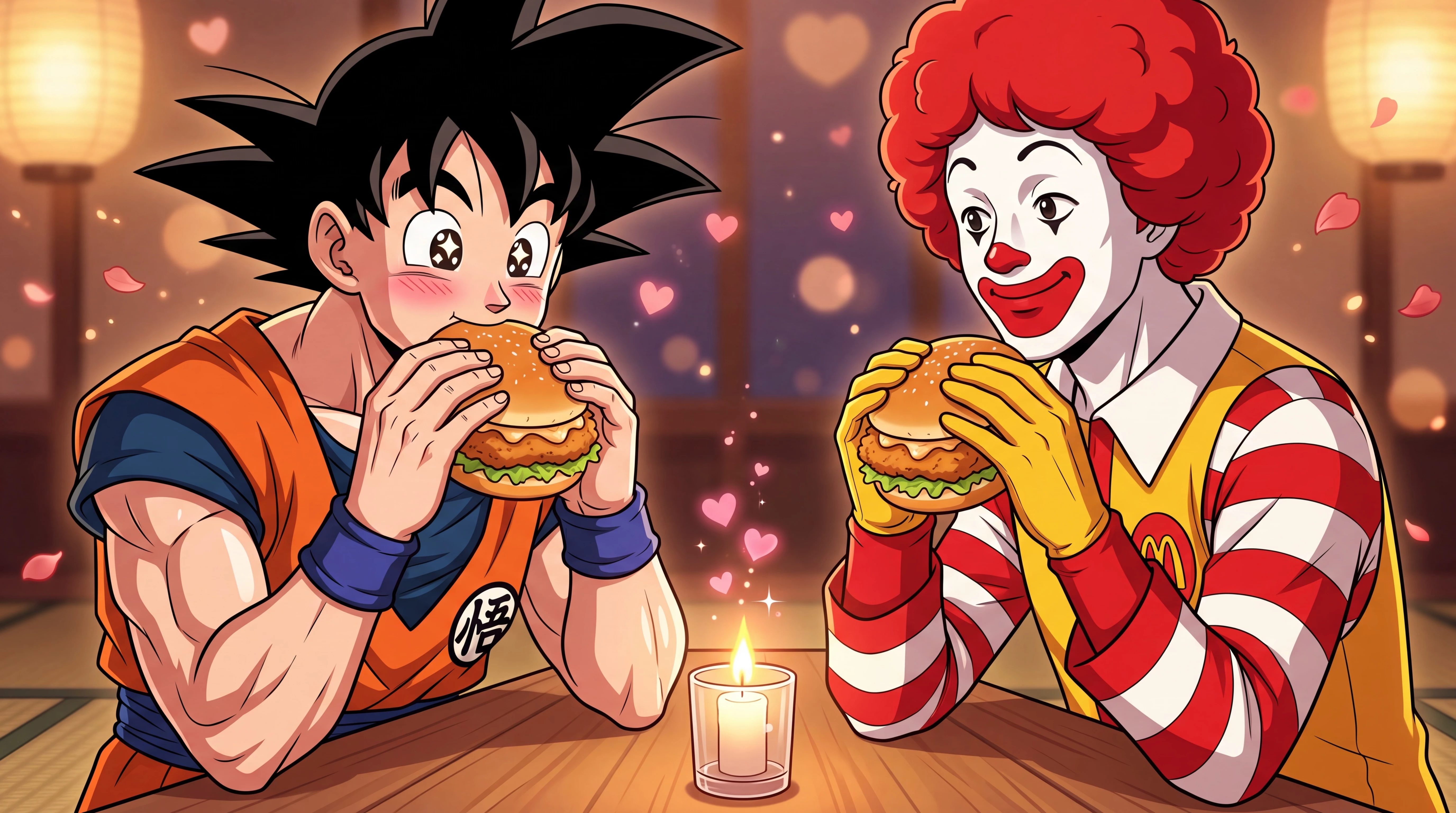
Masako Nozawa Stars in McDonald's Japan Baki Dating Sim Spoof for the Chicken Tatsuta Campaign
Apr 20, 2026McDonald's Japan dropped a 35-second dating sim parody starring Masako Nozawa, the voice of Goku since 1986, opposite Baki Hanma and Kaio Retsu, built around the Spring Chicken Tatsuta burger....
Sources & Information
Looking for more on Warrior from the Demon World Saga? The Dragon Ball Wiki on Fandom has a dedicated page with community notes.
View on FandomThis content is original writing by Daddy Jim Headquarters based on the Dragon Ball anime series, manga, and official materials. Episode and chapter references are cited where applicable.
Character and scene imagery on this site is original artwork by Daddy Jim Headquarters, not screenshots or licensed imagery. Official cover art is used on three types of pages for editorial commentary:
- Movie pages: theatrical posters and key visuals, credited to Toei Animation and Shueisha.
- Game pages: official box art, credited to Bandai Namco, Atari, and other publishers.
- Manga chapter pages: Jump Comics volume covers, credited to Shueisha and Akira Toriyama.
Browse our episode guides:
Official resources:
Dragon Ball Music by Daddy Jim Headquarters
Come listen to some Dragon Ball R&B.
Help Us Keep This Wiki Accurate
Daddy Jim Headquarters maintains this encyclopedia across 13 languages. If you spot an error, a translation issue, or something that doesn't look right, let us know.