Drunken Fist
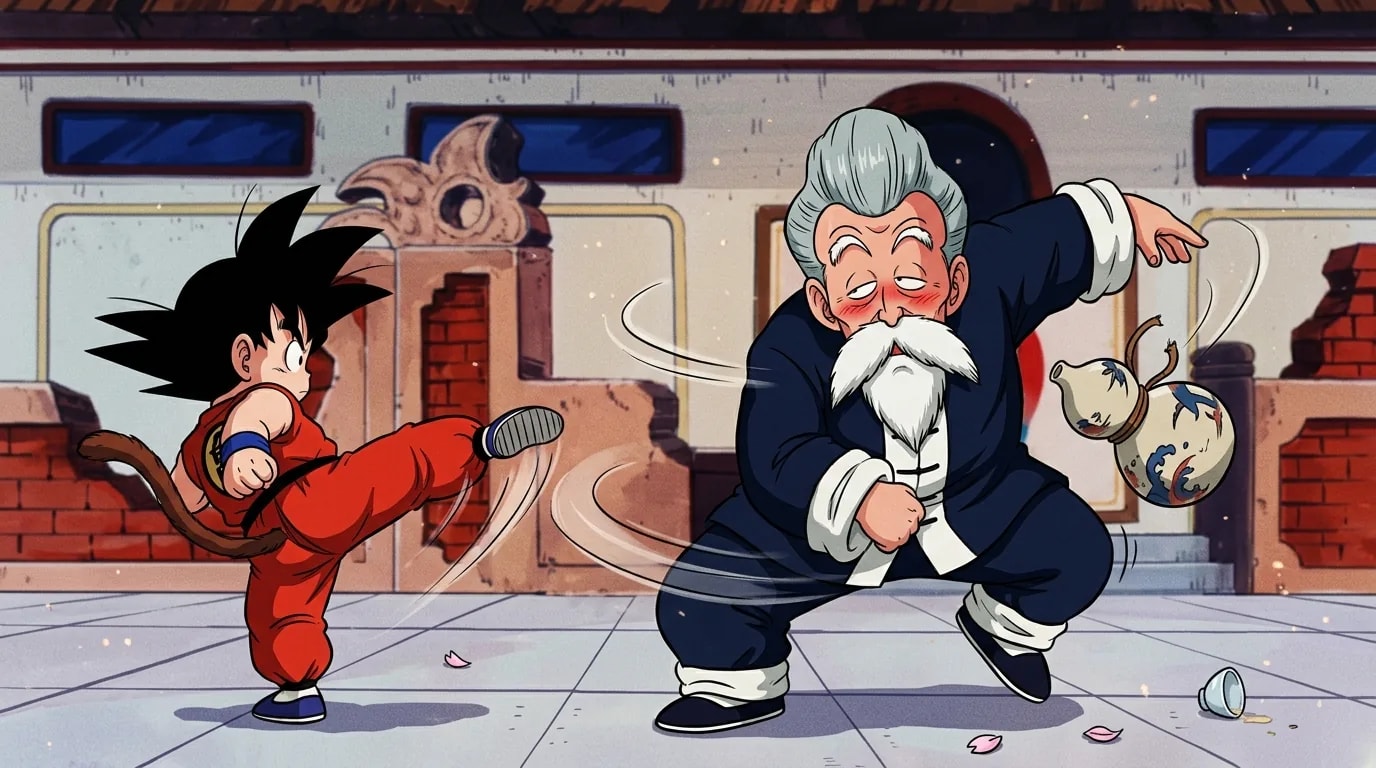
TechniqueA fighting style that mimics the erratic, unpredictable movements of a drunk person. Master Roshi used it as Jackie Chun during the 21st World Tournament finals against young Goku.
Staggering with Purpose
The Drunken Fist is a martial arts style rooted in real-world drunken boxing, known in Chinese as Zui Quan. The practitioner deliberately adopts the swaying, stumbling movements of an intoxicated person, making their attacks nearly impossible to predict. Every wobble conceals a strike; every stumble sets up a counter. The technique's power lies entirely in deception, as the fighter appears vulnerable and uncoordinated while actually maintaining perfect control over their body and positioning.
Jackie Chun vs. Goku
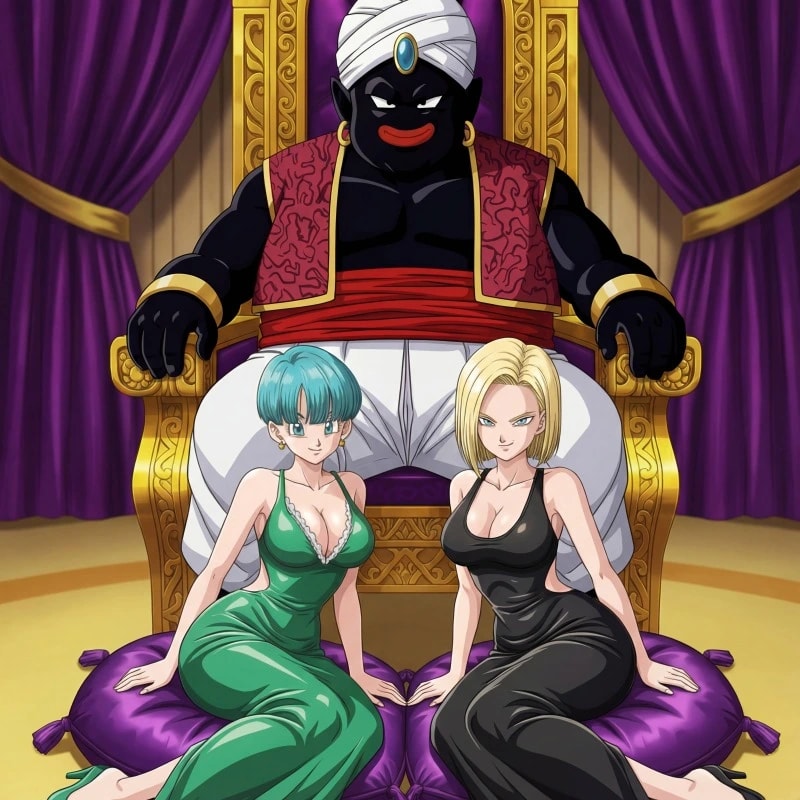
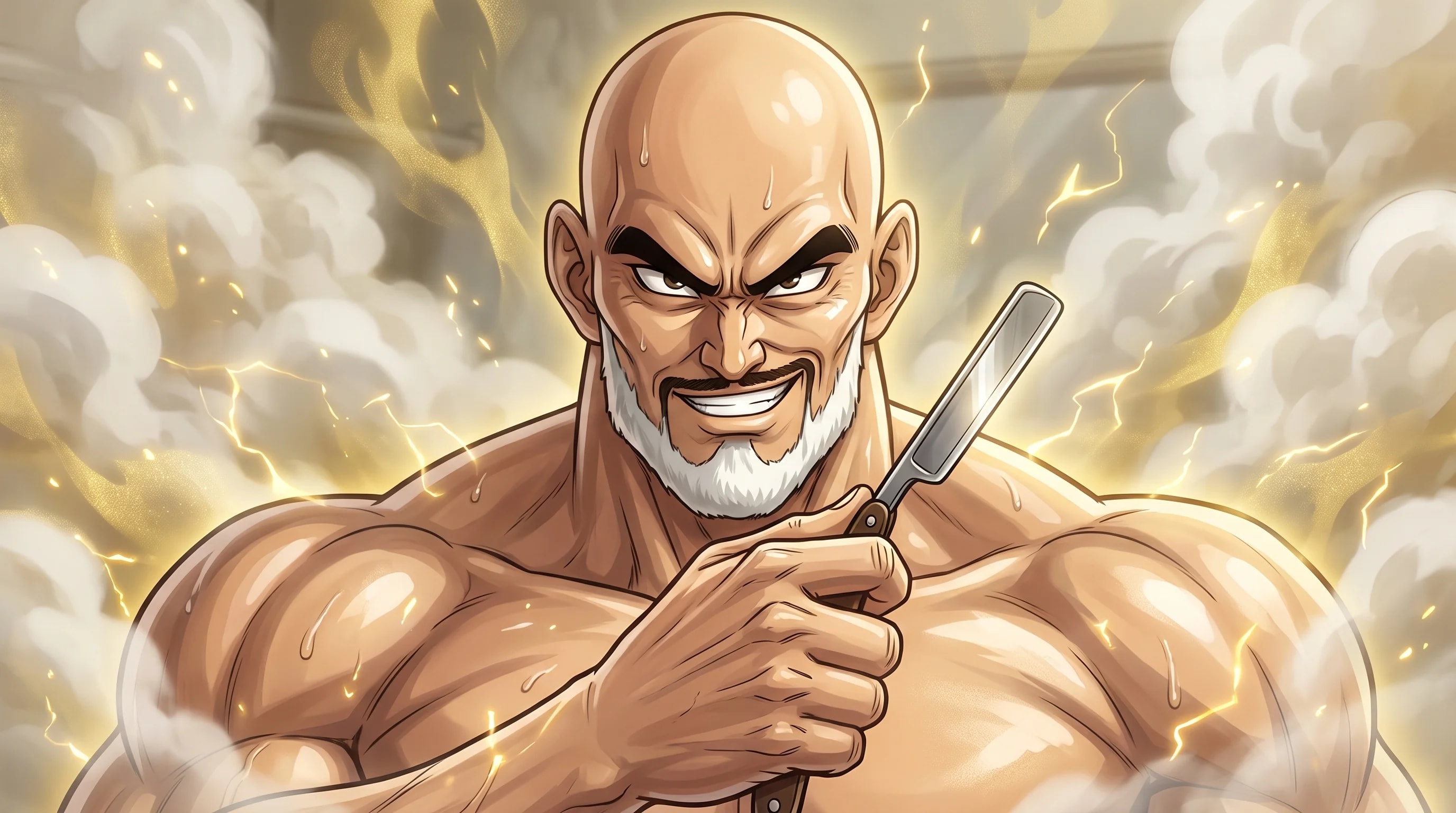
Master Roshi, disguised as Jackie Chun, deployed the Drunken Fist during the finals of the 21st World Martial Arts Tournament against a young Goku. The old master's erratic movements confused Goku completely, as the boy could not anticipate where the next strike would come from. Yamcha, watching from the stands, recognized the technique by name, which prompted Goku to remark that it was one of his Grandpa Gohan's special techniques. Goku ultimately countered the Drunken Fist with his own improvised Crazy Fist, a style that imitated various wild animals to match the unpredictability of Roshi's approach.
Inspired by Jackie Chan
The technique is a direct homage to the 1978 film Drunken Master, which starred Jackie Chan and popularized drunken boxing in martial arts cinema worldwide. This connection goes deeper than just the technique itself. Roshi's tournament alias "Jackie Chun" is itself a play on Jackie Chan's name, making the Drunken Fist a layered reference that ties the character, his fighting style, and his real-world inspiration together in a single moment. In the Toonami broadcast, censors renamed it the "Mad Cow Technique" to avoid referencing alcohol for younger audiences.
Related Reading
See all
Krillin's on the Tinder: How the Ultimate Short King Survived the Height Filter
Tinder built a height filter. Dragon Ball built a five foot legend. What happened when we sent the ultimate short king into the modern dating hellscape....
Infinite Zeni Glitch: When Yamcha Never Pays and Mr. Popo Always Does
The internet found an infinite money glitch. So did Yamcha. A smooth R&B track about the easiest money in the Dragon Ball world and the one man who keeps paying for it....
Frequently Asked Questions
Who is Drunken Fist?
A fighting style that mimics the erratic, unpredictable movements of a drunk person. Master Roshi used it as Jackie Chun during the 21st World Tournament finals against young Goku.
Is Drunken Fist powerful?
Master Roshi, disguised as Jackie Chun, deployed the Drunken Fist during the finals of the 21st World Martial Arts Tournament against a young Goku. The old master's erratic movements confused Goku completely, as the boy could not anticipate where the next strike would come from. Yamcha, watching from the stands, recognized the technique by name, which prompted Goku to remark that it was one of his Grandpa Gohan's special techniques.
Why was Drunken Fist created?
The Drunken Fist is a martial arts style rooted in real-world drunken boxing, known in Chinese as Zui Quan. The practitioner deliberately adopts the swaying, stumbling movements of an intoxicated person, making their attacks nearly impossible to predict. Every wobble conceals a strike; every stumble sets up a counter.
When does the Drunken Fist first appear?
The Drunken Fist first appears in The Grand Finals (DB Episode 28). In the manga, it debuts in the One Lucky Monkey arc. A fighting style that mimics the erratic, unpredictable movements of a drunk person.
Who invented the Drunken Fist?
The Drunken Fist was invented by Master Roshi. A fighting style that mimics the erratic, unpredictable movements of a drunk person.
Sources & Information
Looking for more on Drunken Fist? The Dragon Ball Wiki on Fandom has a dedicated page with community notes.
View on FandomThis content is original writing by Daddy Jim Headquarters based on the Dragon Ball anime series, manga, and official materials. Episode and chapter references are cited where applicable.
Character and scene imagery on this site is original artwork by Daddy Jim Headquarters, not screenshots or licensed imagery. Official cover art is used on three types of pages for editorial commentary:
- Movie pages: theatrical posters and key visuals, credited to Toei Animation and Shueisha.
- Game pages: official box art, credited to Bandai Namco, Atari, and other publishers.
- Manga chapter pages: Jump Comics volume covers, credited to Shueisha and Akira Toriyama.
Browse our episode guides:
Official resources:
Help Us Keep This Wiki Accurate
Daddy Jim Headquarters maintains this encyclopedia. If you spot an error, a translation issue, or something that doesn't look right, let us know.