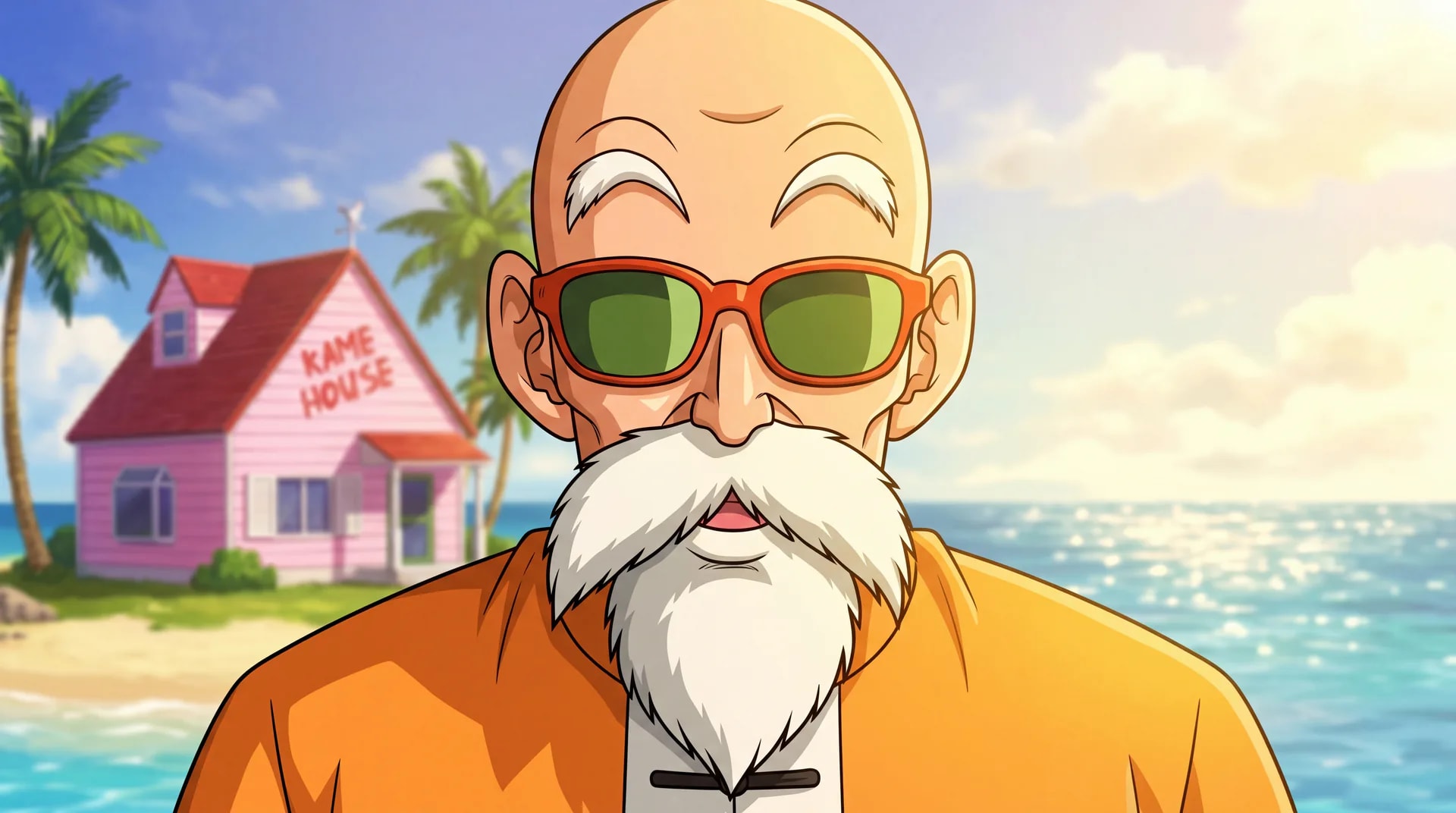
Master Roshi
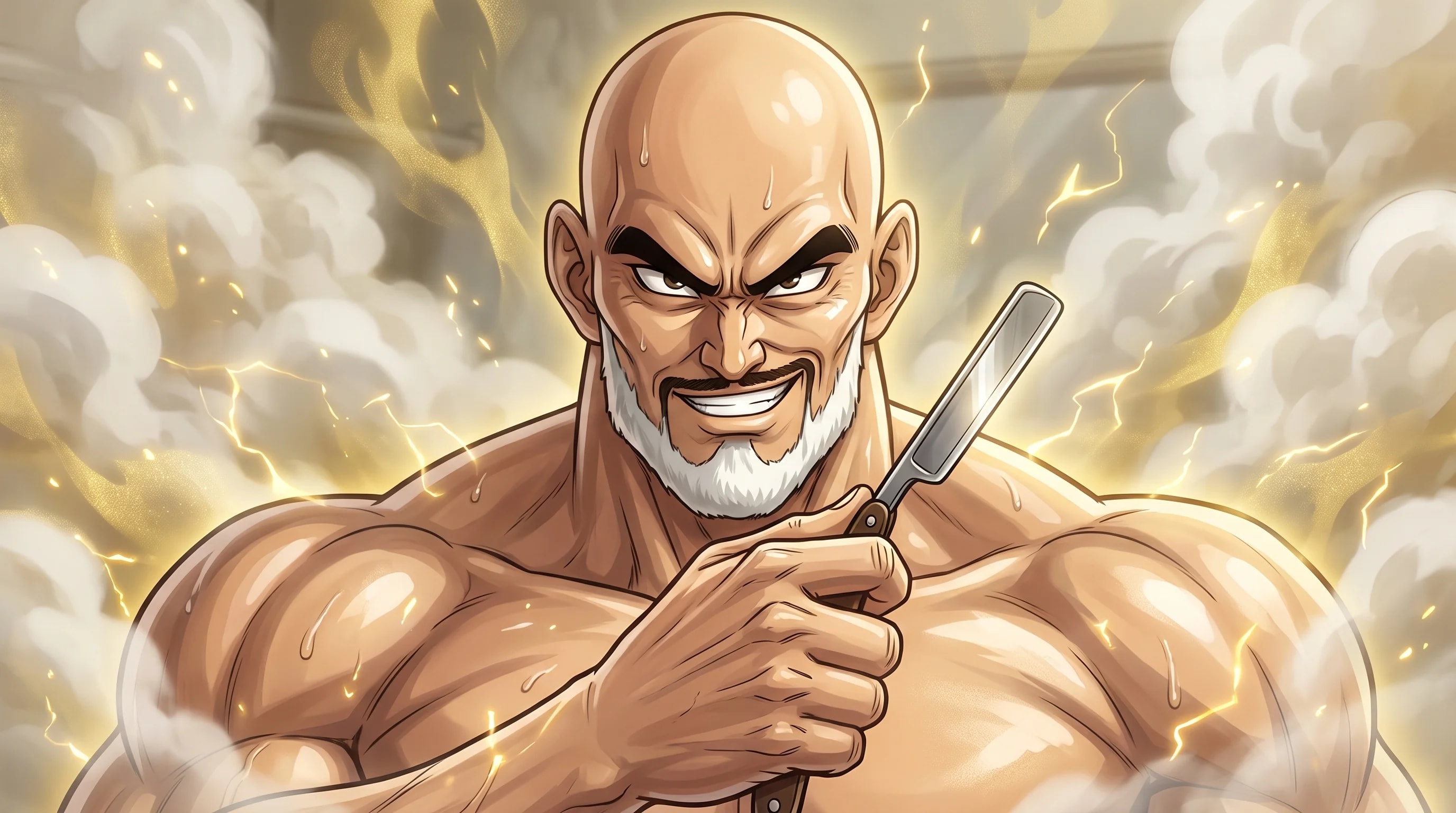
CharacterMaster Roshi, also known as the Turtle Hermit, is one of the most influential martial arts masters in the Dragon Ball universe. Over three hundred years old thanks to an immortality elixir, he trained the generation of fighters that would go on to defend the Earth against its greatest threats, including Goku, Krillin, Yamcha, and the Ox-King.
Also Known As
First Appearance
Allegiances
Occupations
The Turtle Hermit's Legacy
Master Roshi spent decades as the world's strongest martial artist before the arrival of the next generation. In his youth, he trained alongside his rival Shen (the Crane Hermit) under the great Master Mutaito. Together, they witnessed Mutaito sacrifice himself to seal King Piccolo using the Evil Containment Wave, an event that profoundly shaped Roshi's understanding of what it means to be a martial artist. Roshi spent the following centuries perfecting his craft in relative solitude on his small island, Kame House, accompanied only by his pet turtle.
His most significant contribution to the story came through his students. When young Goku and Krillin arrived seeking training, Roshi put them through an unorthodox regimen that prioritized physical conditioning over technique. Delivering milk across vast distances, plowing fields with bare hands, swimming against ocean currents; these tasks built a foundation of strength and endurance that would serve his students for the rest of their lives. Roshi's training philosophy emphasized that martial arts was not about fighting, but about self-improvement and the betterment of others.
Roshi also created the Kamehameha, the most iconic energy technique in the franchise. He spent fifty years developing this concentrated beam of ki, only to watch Goku replicate it on first sight after a brief observation. This moment established both Goku's prodigious talent and Roshi's role as the foundation upon which all subsequent power in the series was built.
At the 21st and 22nd World Martial Arts Tournaments, Roshi entered in disguise as "Jackie Chun" to test his students and ensure they did not become complacent. He fought Goku to a near-standstill in the finals of the 21st tournament, winning by the slimmest margin, and deliberately lost in the 22nd to demonstrate that there would always be stronger opponents to strive against.


Continued Relevance and Combat
As the threats facing Earth escalated from martial artists to alien conquerors and magical beings, Roshi's direct combat role diminished. He was outpaced by the Saiyan-level threats of Dragon Ball Z and spent much of that era as a supportive presence, offering wisdom and encouragement from the sidelines. His attempt to use the Evil Containment Wave against King Piccolo in the original Dragon Ball nearly cost him his life, and he later self-destructed in a failed attempt to destroy the original King Piccolo, only to be revived by the Dragon Balls.
Dragon Ball Super brought Roshi back to the front lines in a meaningful way. Selected as one of Universe 7's ten fighters for the Tournament of Power, Roshi proved that experience and technique could compensate for raw power. He employed a range of strategies, including the Evil Containment Wave, hypnosis, and the Thunder Shock Surprise, to eliminate opponents who were physically stronger than him. His fights demonstrated that combat intelligence and a vast library of techniques could still matter in an era of godlike transformations.
During the tournament, Roshi faced his own inner demons, specifically his tendency toward lecherous distraction, and overcame them through sheer force of will. His near-death moment, where Goku had to resuscitate him with a ki transfer, served as an emotional high point of the arc and reinforced the deep bond between master and student.
Personality and Enduring Influence
Roshi is defined by a deliberate contradiction. He is simultaneously one of the wisest characters in the franchise and one of the most foolish. His lechery is legendary; he collects adult magazines, peeps on women, and can be incapacitated by an attractive figure. Yet beneath this comedic exterior lies a martial arts philosopher of genuine depth. His speeches about the true meaning of strength, his willingness to sacrifice himself for his students, and his quiet pride in watching his pupils surpass him all reveal a character of considerable substance.
His influence extends far beyond his direct students. The Kamehameha wave became the signature technique of Goku and was passed down through multiple generations. His training methods formed the physical foundation that allowed his students to absorb more advanced instruction later. Even his rivalry with the Crane Hermit had lasting consequences, as it produced the Crane School students Tien and Chiaotzu, who would eventually reject their master's teachings and adopt principles closer to Roshi's own.
Roshi achieved functional immortality through the Paradise Herb (or an immortality elixir, depending on the source), meaning he has witnessed centuries of martial arts history. This longevity gives him a perspective that no other living character possesses. He has seen generations rise and fall, watched the art of fighting evolve from purely physical disciplines to energy-based combat capable of destroying planets, and through it all, he has maintained that the purpose of martial arts remains the same: to challenge oneself and protect those who cannot protect themselves.
Related Reading
See all
Krillin's on the Tinder: How the Ultimate Short King Survived the Height Filter
Tinder built a height filter. Dragon Ball built a five foot legend. What happened when we sent the ultimate short king into the modern dating hellscape....
Infinite Zeni Glitch: When Yamcha Never Pays and Mr. Popo Always Does
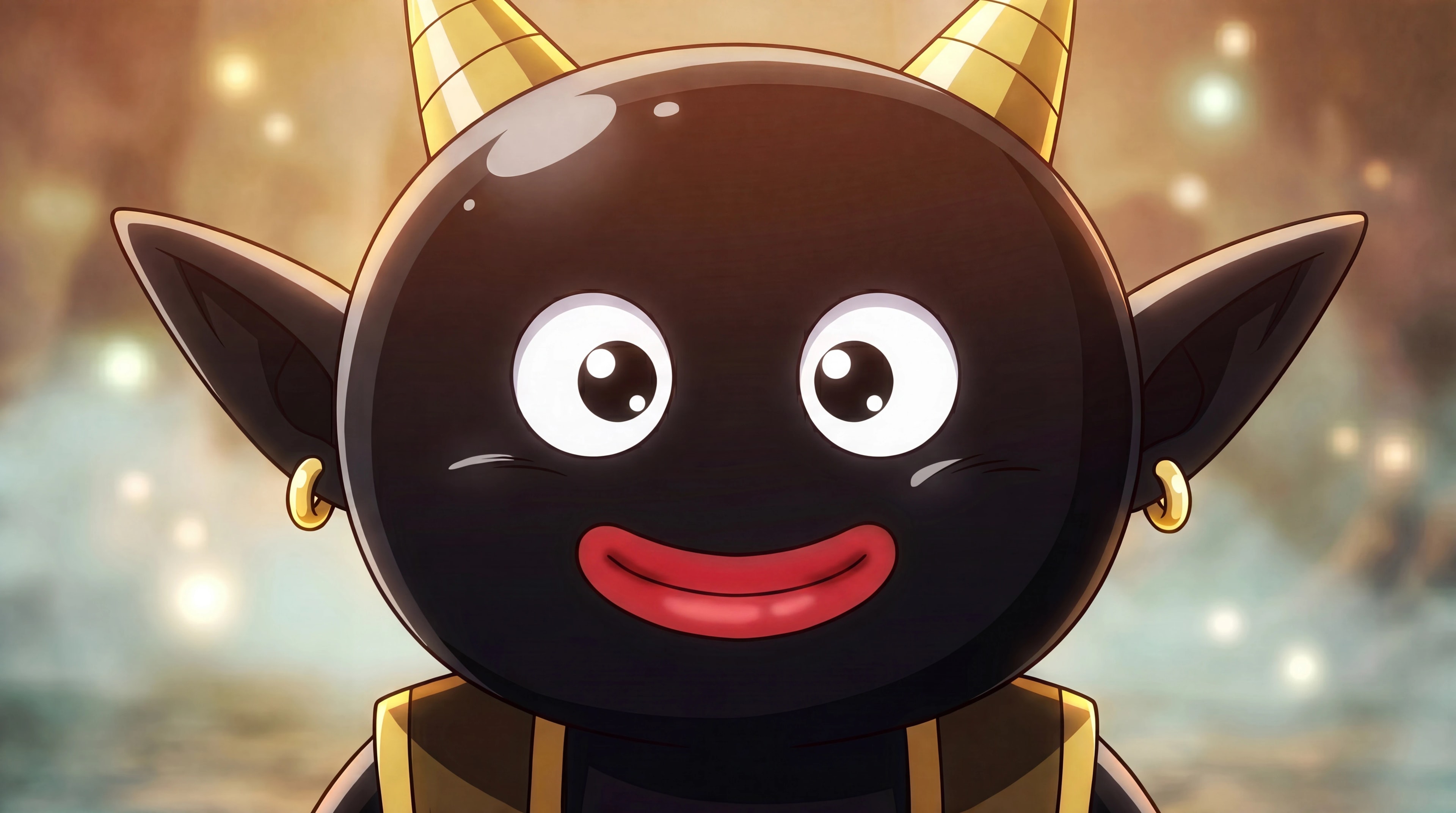
The internet found an infinite money glitch. So did Yamcha. A smooth R&B track about the easiest money in the Dragon Ball world and the one man who keeps paying for it....
Frequently Asked Questions
Is Master Roshi more powerful than Goku?
No. Master Roshi was the world's strongest martial artist for decades before Goku surpassed him. Roshi fought Goku to a near-standstill in the 21st World Martial Arts Tournament finals, winning by the slimmest margin, then deliberately lost in the 22nd to teach Goku there would always be stronger opponents to strive against.
How old is Master Roshi?
Master Roshi is over three hundred years old, having achieved functional immortality through the Paradise Herb (or an immortality elixir, depending on the source). This longevity gives him a perspective that no other living character possesses.
Who invented the Kamehameha?
Master Roshi created the Kamehameha. He spent fifty years developing the concentrated beam of ki, only to watch Goku replicate it on first sight after a brief observation. The technique went on to become the most iconic energy attack in the franchise.
Who did Master Roshi train?
Roshi trained the generation of fighters who would defend the Earth against its greatest threats, including Goku, Krillin, Yamcha, and the Ox-King. His training philosophy emphasized that martial arts is not about fighting but about self-improvement and the betterment of others.
What did Master Roshi do in the Tournament of Power?
Roshi was selected as one of Universe 7's ten fighters and proved that experience and technique could compensate for raw power. He used the Evil Containment Wave, hypnosis, and the Thunder Shock Surprise to eliminate opponents who were physically stronger than him, and even had to be resuscitated by Goku with a ki transfer.
Sources & Information
Looking for more on Master Roshi? The Dragon Ball Wiki on Fandom has a dedicated page with community notes.
View on FandomThis content is original writing by Daddy Jim Headquarters based on the Dragon Ball anime series, manga, and official materials. Episode and chapter references are cited where applicable.
Character and scene imagery on this site is original artwork by Daddy Jim Headquarters, not screenshots or licensed imagery. Official cover art is used on three types of pages for editorial commentary:
- Movie pages: theatrical posters and key visuals, credited to Toei Animation and Shueisha.
- Game pages: official box art, credited to Bandai Namco, Atari, and other publishers.
- Manga chapter pages: Jump Comics volume covers, credited to Shueisha and Akira Toriyama.
Browse our episode guides:
Official resources:
Help Us Keep This Wiki Accurate
Daddy Jim Headquarters maintains this encyclopedia. If you spot an error, a translation issue, or something that doesn't look right, let us know.