Neo Tri-Beam
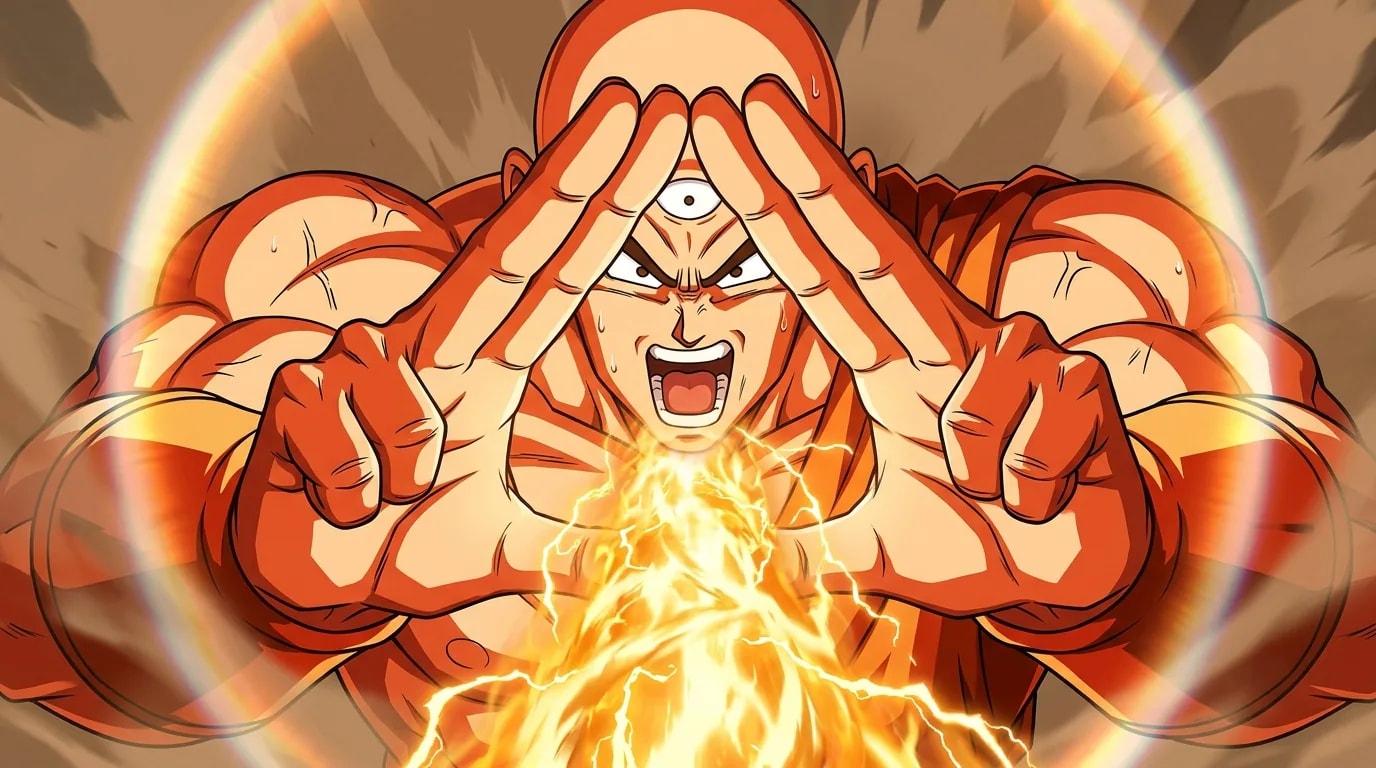
TechniqueTien Shinhan's upgraded version of the Tri-Beam, capable of firing multiple rapid blasts that draw from the user's life force rather than ki reserves. Famous for holding back Semi-Perfect Cell despite the enormous power gap between them.
One Heck of a Deep Pothole
The Neo Tri-Beam is Tien Shinhan's answer to being outclassed by every major threat in Dragon Ball Z. While the original Tri-Beam was already dangerous because it drained the user's life energy rather than ki, the Neo Tri-Beam takes that concept further. Tien forms the signature triangle shape with his hands, targets his opponent, and fires repeated Tri-Beam blasts in rapid succession, each one shouted with a "Ha!" that echoes across the battlefield. The technique hits with force that far exceeds what Tien's raw power level would suggest, precisely because it spends his lifespan as fuel.
This life-force mechanic is what makes the Neo Tri-Beam unique among Dragon Ball techniques. Most energy attacks are limited by the user's ki reserves. The Neo Tri-Beam bypasses that ceiling entirely, trading the user's remaining years of life for temporary power that punches far above their weight class.

Tien vs. Semi-Perfect Cell
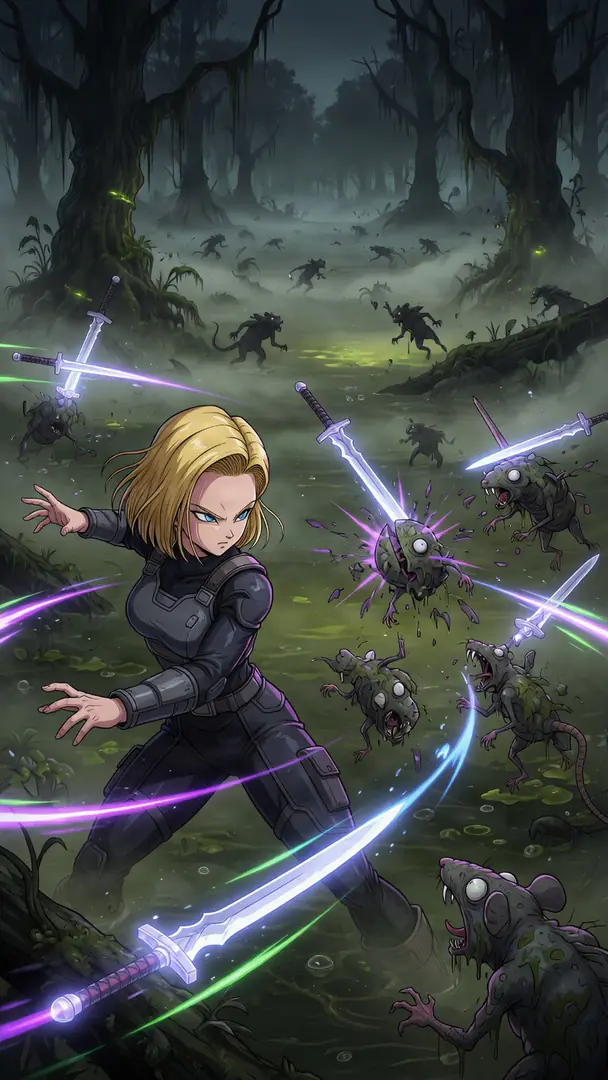
The Neo Tri-Beam's defining moment is one of the most celebrated scenes in Dragon Ball Z. Semi-Perfect Cell had just absorbed Android 17 and was hunting Android 18 to complete his transformation. The Z Fighters were powerless to stop him, and Krillin was paralyzed with indecision about whether to use the remote deactivator on 18. Tien Shinhan, a human fighter whose power level was laughably below Cell's, stepped up.
"I might just be a pothole in the road to you, big guy," Tien told Cell. "But it's going to be one heck of a deep pothole." He then fired Neo Tri-Beam after Neo Tri-Beam straight down at Cell, each blast driving the Bio-Android deeper into the ground. Cell could not advance. Every time he tried to climb out, another blast slammed him back down. Tien kept firing long after his body should have given out, driven purely by willpower and the knowledge that every second he bought gave Android 18 more time to escape.
When Tien finally collapsed, drained to the edge of death, Goku used Instant Transmission to rescue him. Cell emerged furious but unharmed. The technique did zero lasting damage. It did not matter. Tien had accomplished his goal, and his defiant stand against an overwhelmingly superior opponent became one of the most beloved moments in the franchise.
Returns in the Tournament of Power
The Neo Tri-Beam returned during the Tournament of Power in Dragon Ball Super, where Tien used it against opponents from other universes. While the moment did not carry the same dramatic weight as the Cell Saga, it proved that the technique remained in Tien's arsenal decades later. The life-force cost is presumably still a factor, though Tien has grown strong enough by Super to use it without immediately collapsing.
In video games, the Neo Tri-Beam is one of Tien's signature Ultimate Attacks, appearing in the Budokai, Tenkaichi, Xenoverse, and FighterZ series. It typically functions as a multi-hit super attack that deals high damage at the cost of the user's health bar, perfectly translating the technique's canon mechanics into gameplay. The Neo Tri-Beam proves that in Dragon Ball, sheer determination can matter more than raw power. Sometimes the strongest technique is the willingness to give everything you have.
Related Reading
See all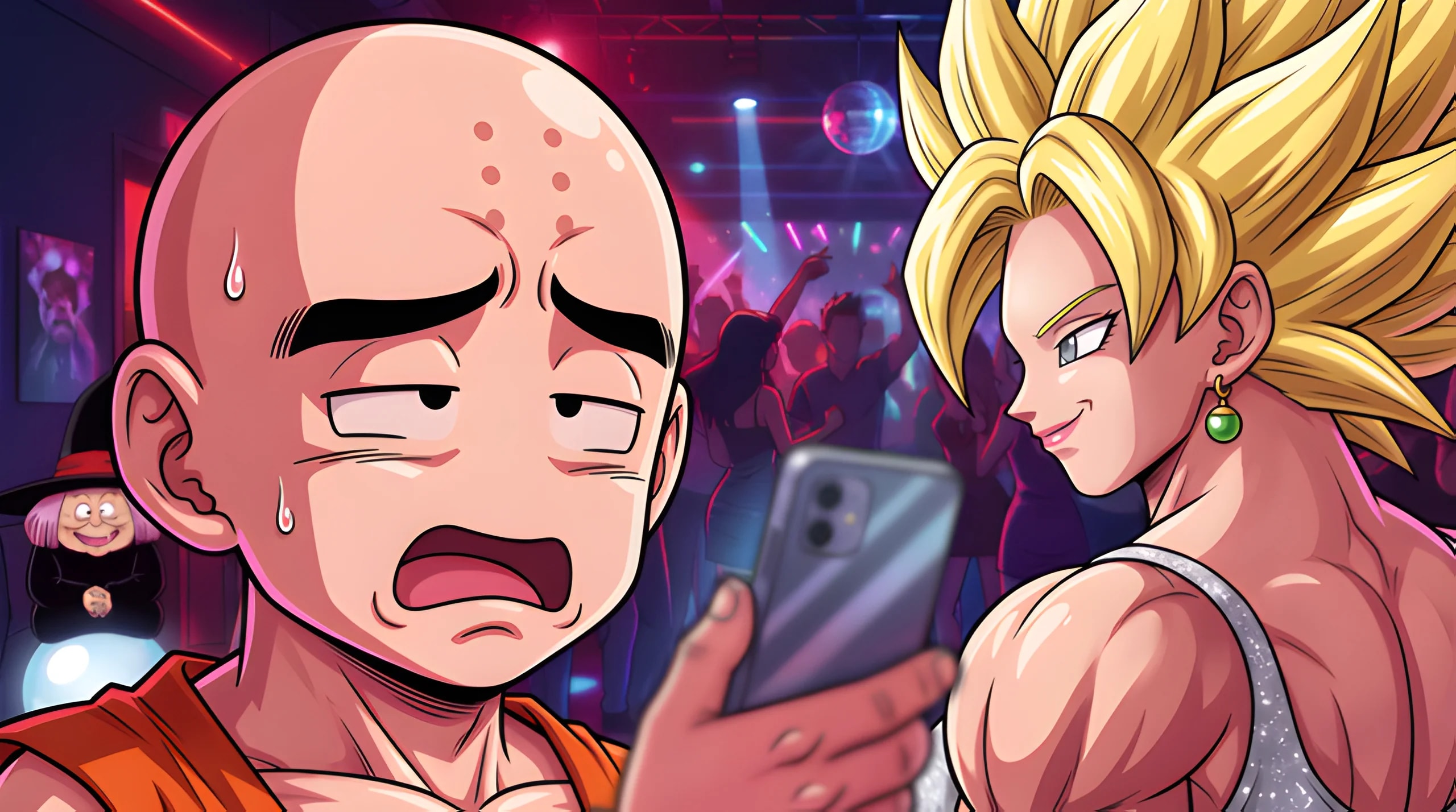
Krillin's on the Tinder: How the Ultimate Short King Survived the Height Filter
Tinder built a height filter. Dragon Ball built a five foot legend. What happened when we sent the ultimate short king into the modern dating hellscape....
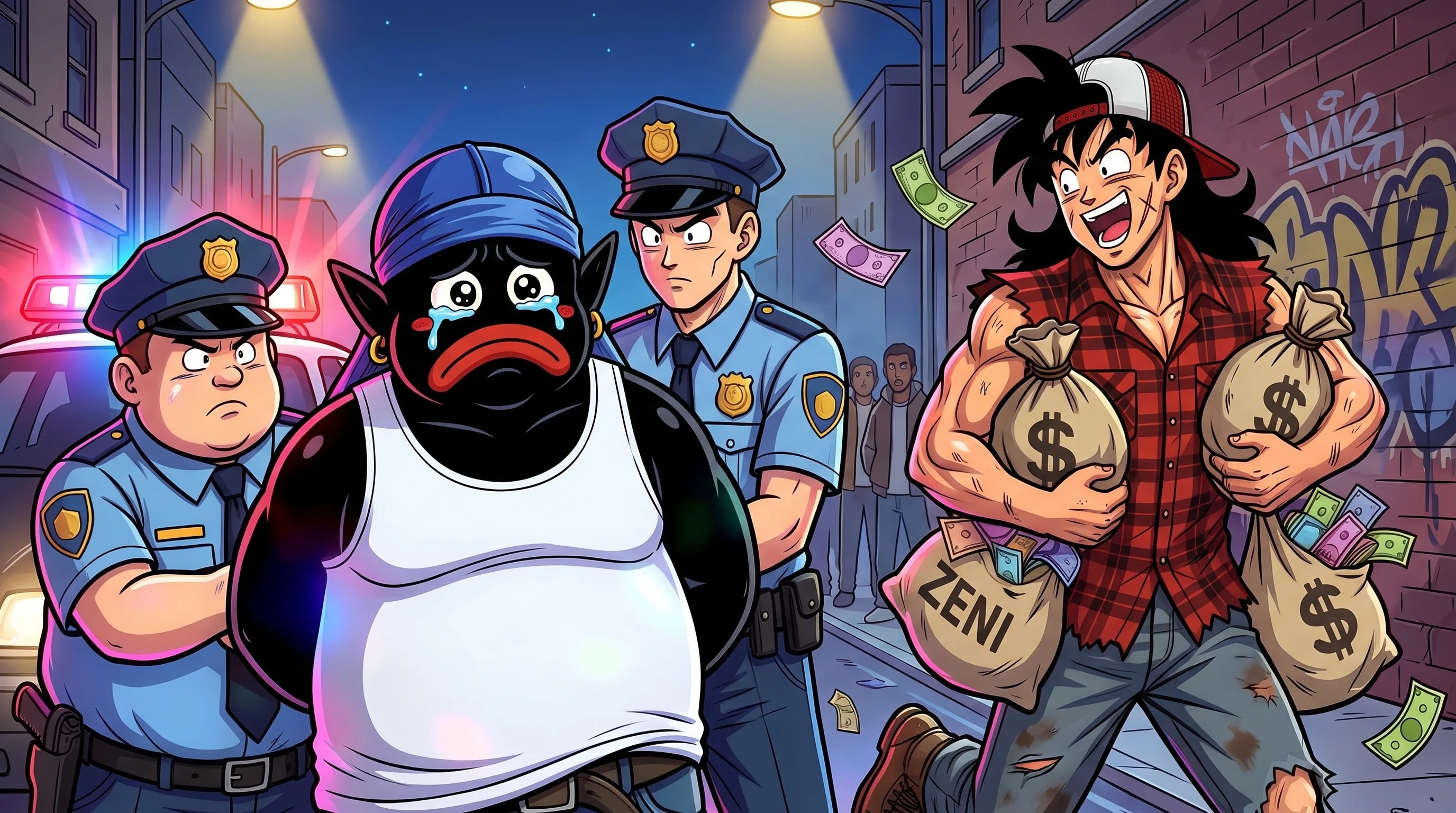
Infinite Zeni Glitch: When Yamcha Never Pays and Mr. Popo Always Does
The internet found an infinite money glitch. So did Yamcha. A smooth R&B track about the easiest money in the Dragon Ball world and the one man who keeps paying for it....
Frequently Asked Questions
What is the Neo Tri-Beam?
The Neo Tri-Beam is Tien Shinhan's upgraded version of the Tri-Beam, capable of firing multiple rapid blasts. Tien forms the signature triangle shape with his hands, targets his opponent, and fires repeated Tri-Beam blasts in rapid succession, each one shouted with a 'Ha!'.
How does the Neo Tri-Beam work?
The technique bypasses normal ki limits by drawing from the user's life force rather than ki reserves. This life-force mechanic trades the user's remaining years of life for temporary power that punches far above their weight class, allowing Tien to hit with force that exceeds what his raw power level would suggest.
When did Tien use the Neo Tri-Beam against Cell?
Tien fired Neo Tri-Beam after Neo Tri-Beam at Semi-Perfect Cell as the Bio-Android hunted Android 18 to complete his transformation. Every blast drove Cell deeper into the ground and prevented him from advancing, buying time for 18 to escape until Tien finally collapsed, drained to the edge of death.
What is the difference between Tri-Beam and Neo Tri-Beam?
The original Tri-Beam was already dangerous because it drained the user's life energy. The Neo Tri-Beam takes that concept further, firing repeated Tri-Beam blasts in rapid succession from the same triangle hand position, dealing far greater accumulated damage at a correspondingly larger cost to the user's lifespan.
Did Tien use the Neo Tri-Beam in Dragon Ball Super?
Yes. The Neo Tri-Beam returned during the Tournament of Power in Dragon Ball Super, where Tien used it against opponents from other universes. While the moment did not carry the same dramatic weight as the Cell Saga, it proved that the technique remained in Tien's arsenal decades later.
Sources & Information
Looking for more on Neo Tri-Beam? The Dragon Ball Wiki on Fandom has a dedicated page with community notes.
View on FandomThis content is original writing by Daddy Jim Headquarters based on the Dragon Ball anime series, manga, and official materials. Episode and chapter references are cited where applicable.
Character and scene imagery on this site is original artwork by Daddy Jim Headquarters, not screenshots or licensed imagery. Official cover art is used on three types of pages for editorial commentary:
- Movie pages: theatrical posters and key visuals, credited to Toei Animation and Shueisha.
- Game pages: official box art, credited to Bandai Namco, Atari, and other publishers.
- Manga chapter pages: Jump Comics volume covers, credited to Shueisha and Akira Toriyama.
Browse our episode guides:
Official resources:
Help Us Keep This Wiki Accurate
Daddy Jim Headquarters maintains this encyclopedia. If you spot an error, a translation issue, or something that doesn't look right, let us know.