Volleyball Attack
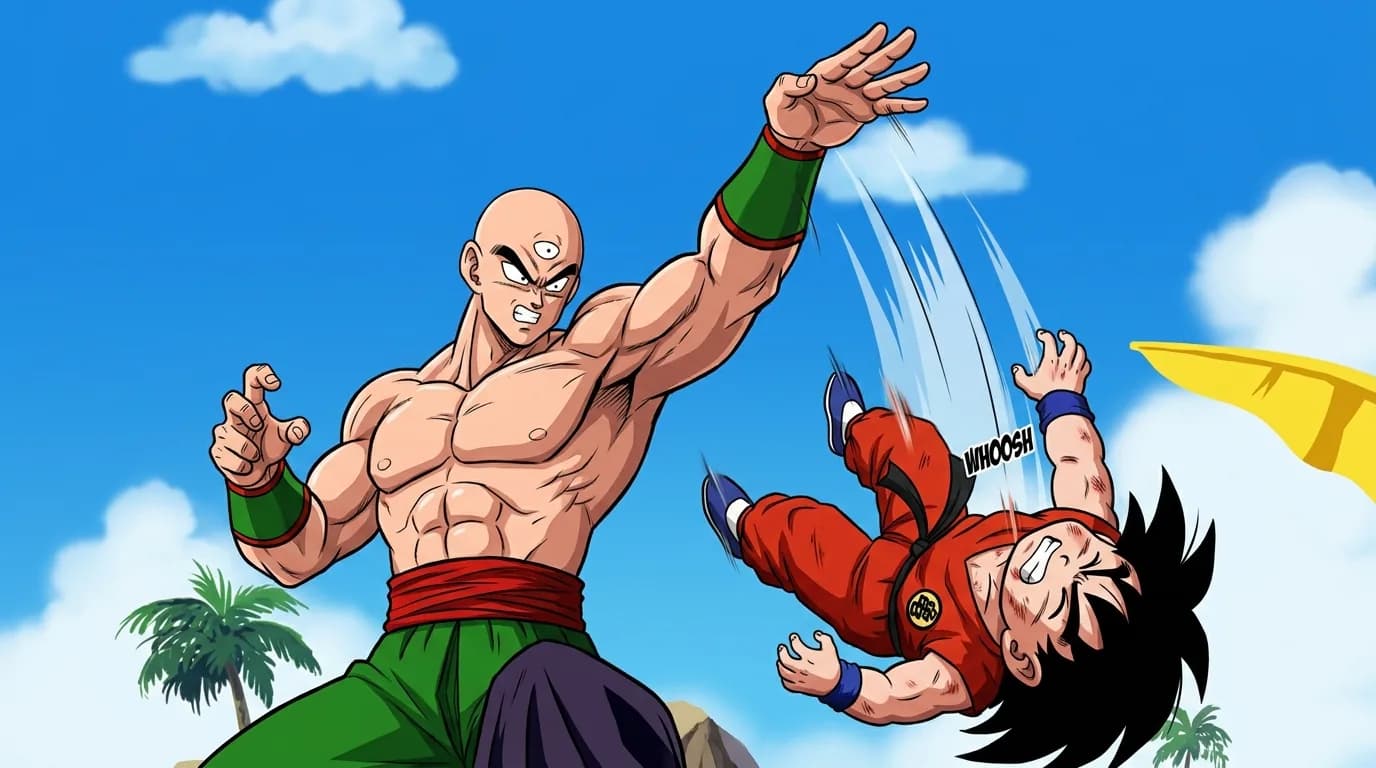
TechniqueTien Shinhan's comedic martial arts technique where he treats his opponent like a volleyball, bumping, setting, and spiking them into the ground. Complete with a silly face and a shrill voice.
Serve, Set, Spike
The Volleyball Attack is pure showmanship wrapped in genuine martial arts skill. Tien strikes a pose, slides under his airborne opponent, bumps them back into the air with one hand, sets them with both hands, and then spikes them down into the ground with a devastating right fist. The technique follows actual volleyball mechanics: receive, set, attack. What makes it unforgettable is Tien's performance during the execution. He raises his voice to a comically high pitch and pulls a ditzy face while doing it, which is wildly out of character for the normally stoic three-eyed warrior.

Goku Gets Spiked
Tien debuts the Volleyball Attack during the finals of the 22nd World Martial Arts Tournament against Goku. The comedic timing is perfect: in the middle of a serious fight between two powerful martial artists, Tien suddenly starts acting like an overly enthusiastic volleyball player. The crowd loves it, and Goku is caught completely off guard by the absurdity of being treated like a sports ball. The technique works not just because of physical force but because no rational fighter would expect to be bumped, set, and spiked during a tournament match.
Gotenks Picks It Up
In Dragon Ball: The Return of Son Goku and Friends!, Gotenks uses the Volleyball Attack while fighting Aka. This makes sense; Gotenks collects techniques like trading cards and has no shame about using silly moves in serious fights. He combines it with the Wolf Fang Fist in an entertaining combo that captures the spirit of both original users.
Related Reading
See all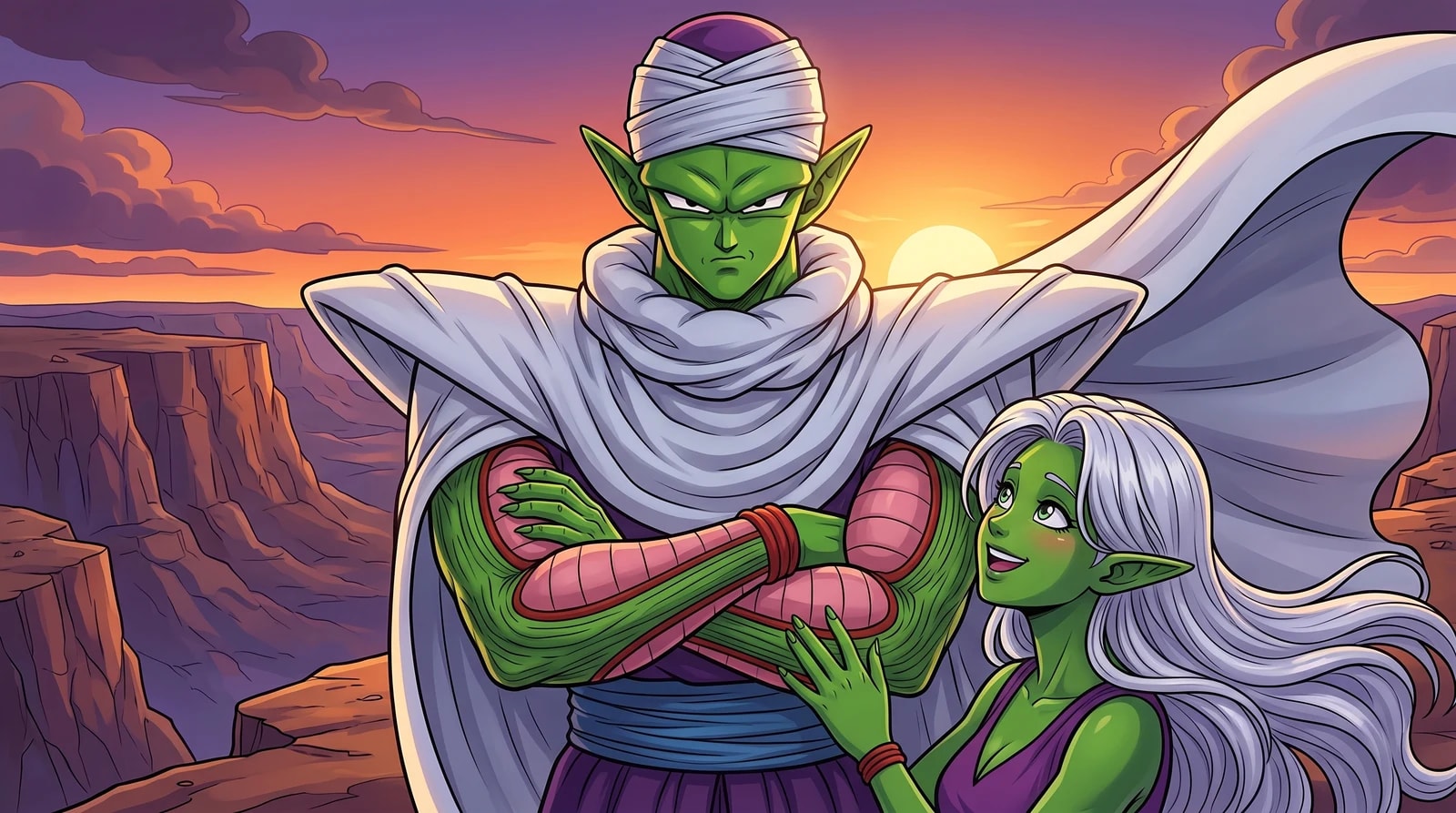
Namek Has No Women, and Piccolo Pulls Anyway
There are no women on Namek. That isn't an oversight, it's the biology. Why we handed Piccolo the one thing his own species rules out, and why it had to be trap soul....
1000 Times Over: Who Is John Dragon Ball Singing To?
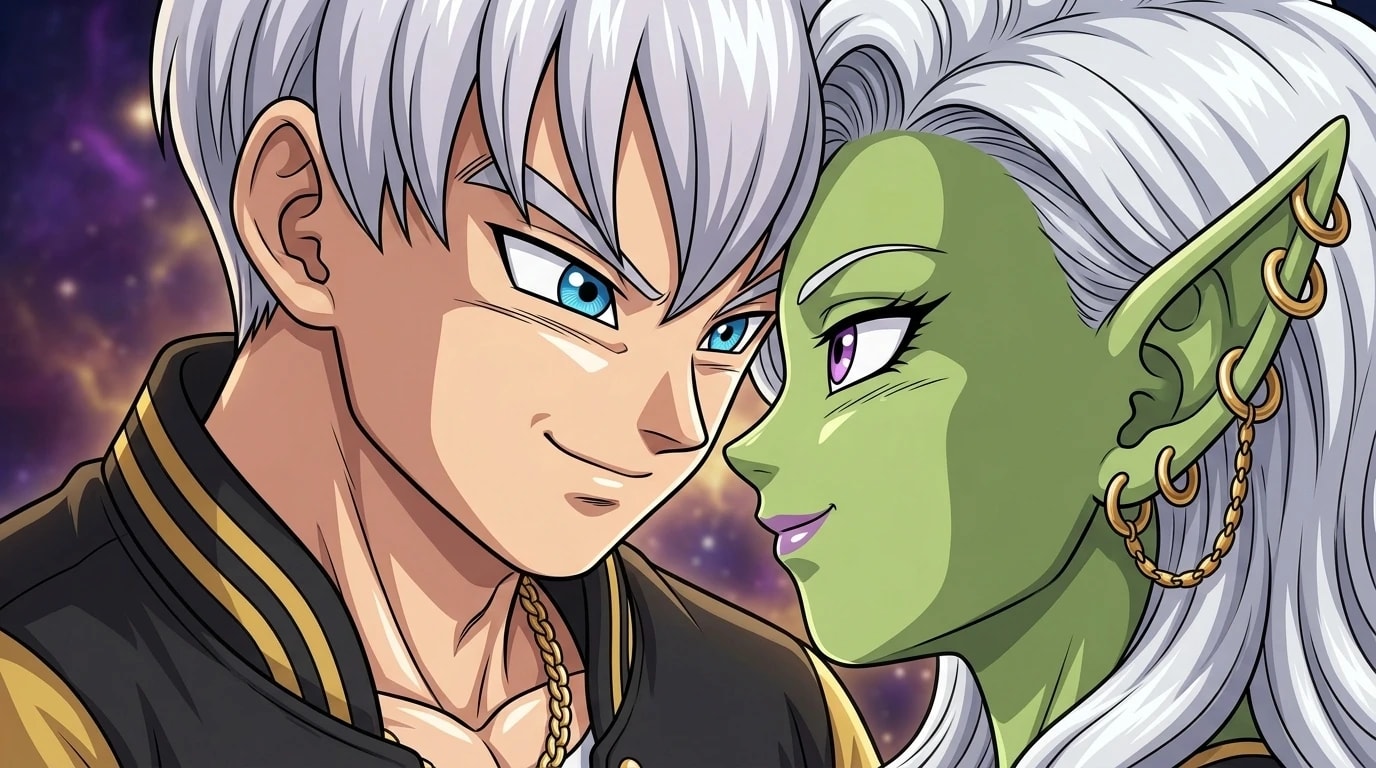
Dragon Ball handed us a protagonist with no history and the internet named him John Dragon Ball. So we built him somebody to talk to....
Sports Meets Martial Arts
The Volleyball Attack represents a side of Dragon Ball that sometimes gets lost in discussions about power levels and transformations: the series is supposed to be funny. Toriyama designed fights to be entertaining before they were dramatic, and techniques like the Volleyball Attack exist to remind audiences that these characters have personality beyond their power. Tien's willingness to look ridiculous while executing a genuinely effective combat technique makes it one of the most memorable moves from the original Dragon Ball.
The combination variant, Wolf Fang Volleyball Fist, merges Yamcha's Wolf Fang Fist with the Volleyball Attack and is used by Tiencha (the Tien/Yamcha fusion) in Budokai 2. It is exactly as absurd as it sounds.
Frequently Asked Questions
What is the Volleyball Attack in Dragon Ball?
The Volleyball Attack is Tien Shinhan's comedic martial arts technique where he treats his opponent like a volleyball, bumping, setting, and spiking them into the ground. Tien strikes a pose, slides under his airborne opponent, bumps them back into the air with one hand, sets them with both hands, and then spikes them down with a devastating right fist. The technique follows actual volleyball mechanics: receive, set, attack.
Who uses the Volleyball Attack?
Tien Shinhan invented the Volleyball Attack and debuted it during the finals of the 22nd World Martial Arts Tournament against Goku. Gotenks later picks it up in Dragon Ball: The Return of Son Goku and Friends!, using it while fighting Aka. Gotenks collects techniques like trading cards and has no shame about using silly moves in serious fights, which is why he is a natural fit for the move.
How is the Volleyball Attack performed?
Tien performs the Volleyball Attack by sliding under his airborne opponent, bumping them back into the air with one hand, setting them with both hands, then spiking them down into the ground with a devastating right fist. What makes it unforgettable is his performance during the execution: he raises his voice to a comically high pitch and pulls a ditzy face, which is wildly out of character for the normally stoic three-eyed warrior.
Why is the Volleyball Attack effective?
The Volleyball Attack works not just because of physical force but because no rational fighter would expect to be bumped, set, and spiked during a tournament match. The comedic timing catches opponents completely off guard, as Goku was when Tien suddenly started acting like an overly enthusiastic volleyball player in the middle of a serious fight. It also represents a side of Dragon Ball that sometimes gets lost in discussions about power levels, namely that the series is supposed to be funny.
What is the Wolf Fang Volleyball Fist?
The Wolf Fang Volleyball Fist is a combination variant that merges Yamcha's Wolf Fang Fist with Tien's Volleyball Attack. It is used by Tiencha, the Tien/Yamcha fusion, in Budokai 2. The combo is exactly as absurd as it sounds, and it fits the game's tradition of letting fusions inherit and remix their parent fighters' signature moves.
Sources & Information
Looking for more on Volleyball Attack? The Dragon Ball Wiki on Fandom has a dedicated page with community notes.
View on FandomThis content is original writing by Daddy Jim Headquarters based on the Dragon Ball anime series, manga, and official materials. Episode and chapter references are cited where applicable.
Rights holders
- Created byAkira Toriyama
- Published byShueisha
- Animated byToei Animation
All rights belong to their respective owners.
Character and scene imagery on this site is original artwork by Daddy Jim Headquarters, not screenshots or licensed imagery. Official cover art is used on three types of pages for editorial commentary:
- Movie pages: theatrical posters and key visuals, credited to Toei Animation and Shueisha.
- Game pages: official box art, credited to Bandai Namco, Atari, and other publishers.
- Manga chapter pages: Jump Comics volume covers, credited to Shueisha and Akira Toriyama.
Browse our episode guides:
Official resources:
Help Us Keep This Wiki Accurate
Daddy Jim Headquarters maintains this encyclopedia. If you spot an error, a translation issue, or something that doesn't look right, let us know.