Super Saiyan Third Grade
TransformationThe second and more extreme graded power-up of Super Saiyan, which maximizes raw muscle power at the devastating cost of speed and agility. Future Trunks used this form against Perfect Cell and discovered firsthand that overwhelming strength means nothing if you cannot hit your opponent. The form stands as one of Dragon Ball's clearest lessons about the danger of pursuing raw power without considering its practical limitations.
Power Without Speed
Super Saiyan Third Grade represents the logical endpoint of the graded approach: channel as much energy as possible into the muscles to maximize physical power. On paper, the form works. The raw strength of Third Grade far exceeds both standard Super Saiyan and Second Grade. Energy blasts fired in this state carry enough force to threaten opponents who are well beyond normal Super Saiyan range.
The problem is that the extreme muscle growth destroys the user's speed. The bloated arms and torso create so much additional mass that the user cannot move quickly enough to land their attacks against any opponent with reasonable agility. Perfect Cell demonstrated this devastatingly when Future Trunks attempted to use the form against him. Cell did not even bother dodging Trunks' attacks seriously; he simply stood still and let Trunks wear himself out swinging at air.
Trunks' Humiliation
Future Trunks entered his battle with Perfect Cell believing that Third Grade gave him the power to win. In terms of raw numbers, he may have been right; his energy output in Third Grade was enormous. But Cell effortlessly dodged every strike, moving at speeds that Trunks' bulked-up body simply could not match. Cell even taunted Trunks by explaining that he had already discovered and rejected the same form for exactly this reason.
The moment was a crucial turning point for Trunks as a character and for the franchise's approach to power. It established that raw strength without speed is worthless, a lesson that would inform how subsequent transformations were designed. Super Saiyan 2, which arrived shortly after, provided the power increase Trunks was seeking without the speed penalty, proving that the correct path forward was efficiency rather than brute force.

Lessons and Legacy
Third Grade is the definitive evolutionary dead end in the Super Saiyan progression. No character has ever used it successfully in combat in the mainline series, and its only major appearance ended in humiliation. Goku acknowledged during the Cell Saga that he had discovered the form himself during training but immediately recognized its fatal flaw and rejected it in favor of the Full Power approach.
The form's failure served a critical narrative purpose. It taught the Z Fighters (and the audience) that the path to greater power was not always straightforward escalation. Sometimes, the better approach is to refine what you have rather than push blindly for more. This philosophy would recur throughout Dragon Ball, from Full Power Super Saiyan to Mastered Ultra Instinct, each representing a form where control and efficiency triumph over raw output.
Cultural Recognition
Despite its in-universe failure, Third Grade remains recognizable among Dragon Ball fans as the "buff Super Saiyan" form. Its exaggerated musculature has become a visual shorthand for misguided power pursuit in fan art and discussions. The form appears in numerous Dragon Ball games, where it is typically depicted as having the highest attack stats but lowest speed stats among the Super Saiyan variants.
Related Reading
See all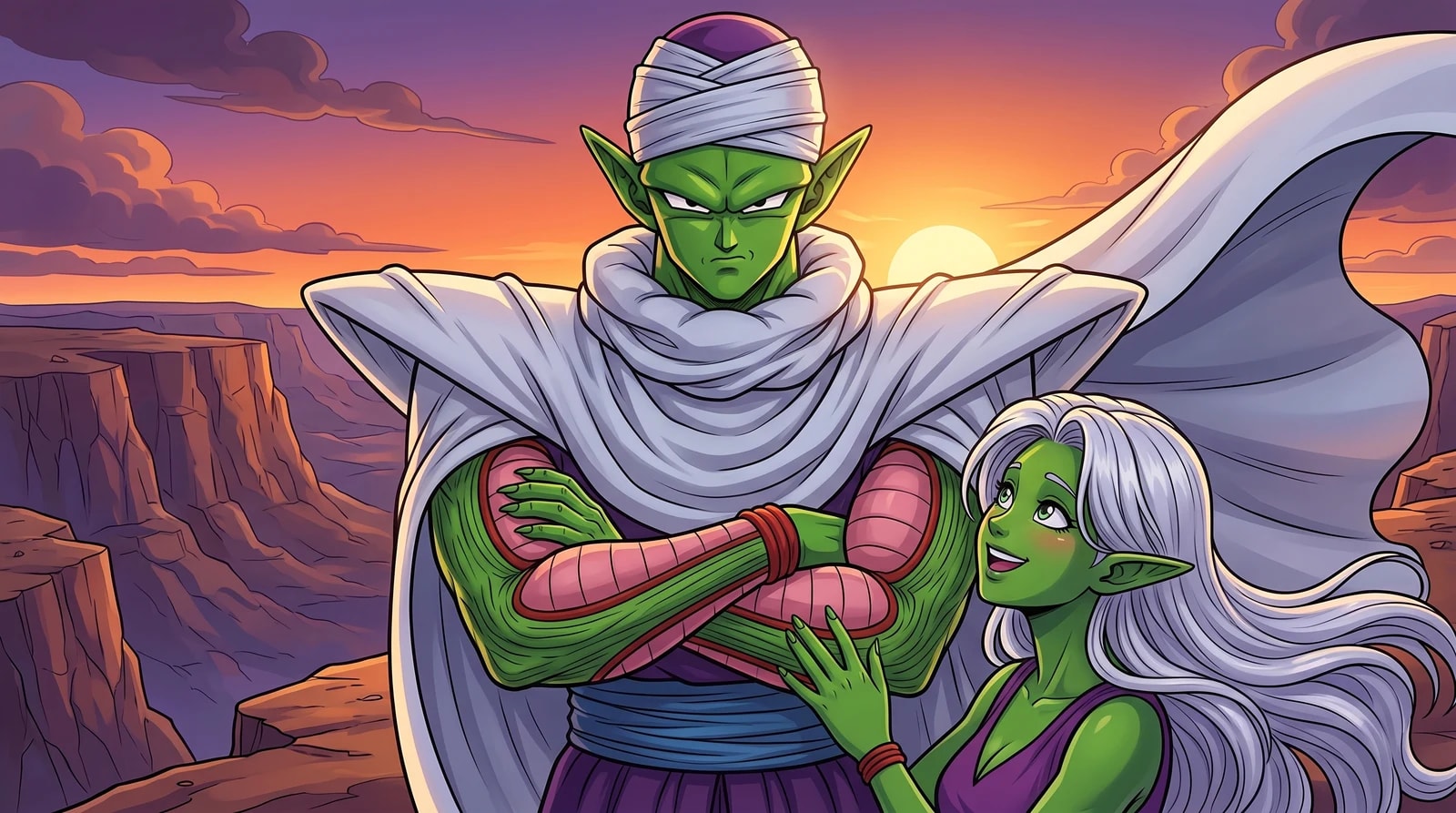
Namek Has No Women, and Piccolo Pulls Anyway
There are no women on Namek. That isn't an oversight, it's the biology. Why we handed Piccolo the one thing his own species rules out, and why it had to be trap soul....
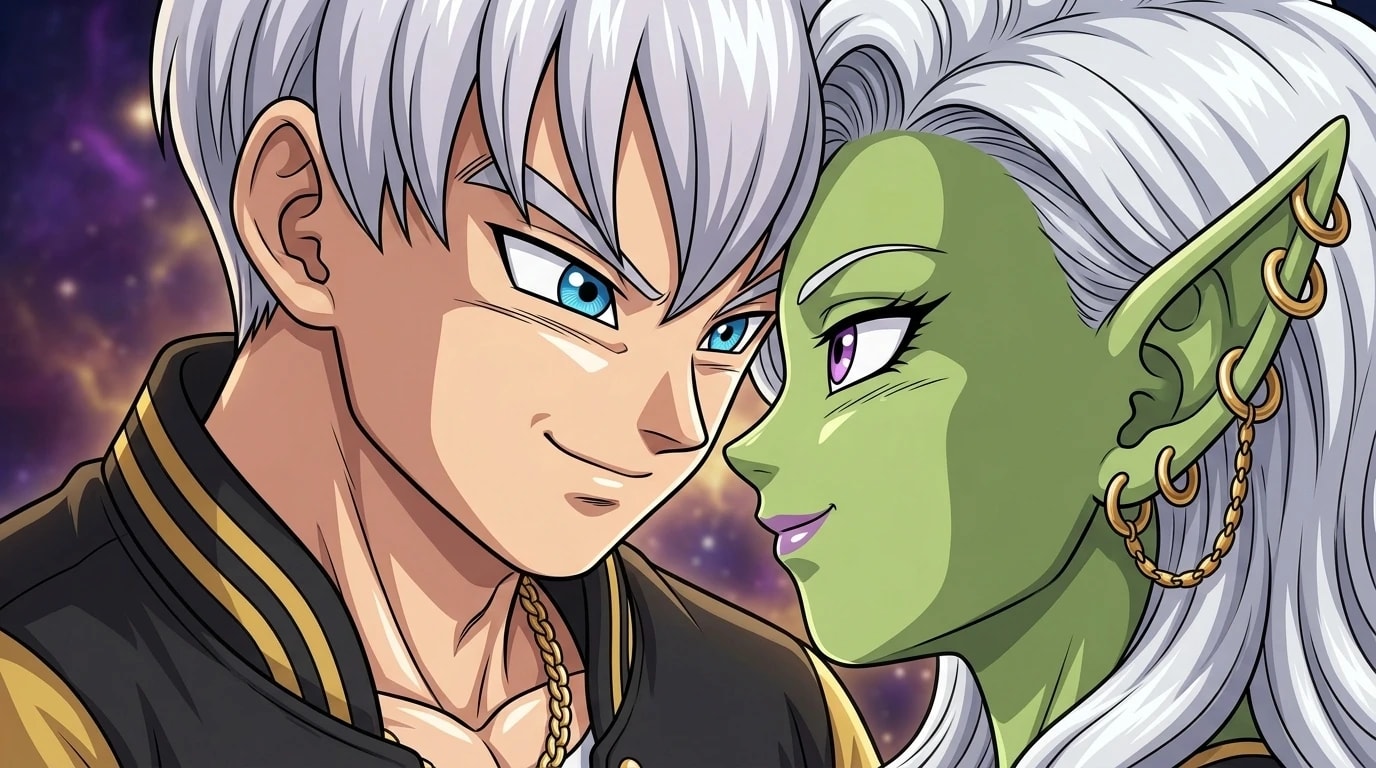
1000 Times Over: Who Is John Dragon Ball Singing To?
Dragon Ball handed us a protagonist with no history and the internet named him John Dragon Ball. So we built him somebody to talk to....
Frequently Asked Questions
What is Super Saiyan 3rd grade?
The second and more extreme graded power-up of Super Saiyan, which maximizes raw muscle power at the devastating cost of speed and agility. Future Trunks used this form against Perfect Cell and discovered firsthand that overwhelming strength means nothing if you cannot hit your opponent. The form stands as one of Dragon Ball's clearest lessons about the danger of pursuing raw power without considering its practical limitations.
Is SSJ grade 3 stronger than mastered SSJ?
Approximately 75-100x base (estimate). Enormous raw power that exceeds Second Grade by a significant margin.
Is SSJ grade 3 stronger than grade 4?
Extreme increase in muscle mass to the point of grotesque proportions. Arms, chest, and shoulders balloon outward. The body becomes significantly larger overall.
How is Super Saiyan Third Grade achieved?
Must have achieved Super Saiyan Second Grade and pushed even more energy into the muscular enhancement. The second and more extreme graded power-up of Super Saiyan, which maximizes raw muscle power at the devastating cost of speed and agility.
What are the drawbacks of Super Saiyan Third Grade?
Catastrophic loss of speed due to the extreme muscle mass. The user becomes too slow to land attacks against fast opponents, making the form useless in practice. Extreme energy consumption.
Sources & Information
Looking for more on Super Saiyan Third Grade? The Dragon Ball Wiki on Fandom has a dedicated page with community notes.
View on FandomThis content is original writing by Daddy Jim Headquarters based on the Dragon Ball anime series, manga, and official materials. Episode and chapter references are cited where applicable.
Rights holders
- Created byAkira Toriyama
- Published byShueisha
- Animated byToei Animation
All rights belong to their respective owners.
Character and scene imagery on this site is original artwork by Daddy Jim Headquarters, not screenshots or licensed imagery. Official cover art is used on three types of pages for editorial commentary:
- Movie pages: theatrical posters and key visuals, credited to Toei Animation and Shueisha.
- Game pages: official box art, credited to Bandai Namco, Atari, and other publishers.
- Manga chapter pages: Jump Comics volume covers, credited to Shueisha and Akira Toriyama.
Browse our episode guides:
Official resources:
Help Us Keep This Wiki Accurate
Daddy Jim Headquarters maintains this encyclopedia. If you spot an error, a translation issue, or something that doesn't look right, let us know.