Тацуо Хигасино
АниматорЯпонский раскадровщик, который внес вклад в "Драконий жемчуг" и другие ранние аниме постановки. Его работа в визуальном планировании и раскадровке помогла сформировать визуальный поток и темп сериалов на протяжении 1970х и 1980х годов.
Раскадровка "Драконий жемчуг"
Хигасино предоставил раскадровки для 49 эпизода "Драконий жемчуг", внеся вклад в визуальное направление и темп во время показа оригинального сериала. Его работа в качестве раскадровщика требовала перевода сценариев в визуальные последовательности, определяя углы камеры, размещение персонажей и переходы между сценами, которые режиссеры затем выполняли в анимации.

Ранняя карьера в анимации
Хигасино работал над ранними аниме постановками, включая "Go-Q-Choji Ikkiman", "Konpora Kid" и "Silver Fang", зарекомендовав себя в профессии раскадровщика в период зарождения аниме. Его вклад в "Драконий жемчуг" поместил его в раннюю команду, которая построила визуальный язык франшизы.
Похожие материалы
Смотреть все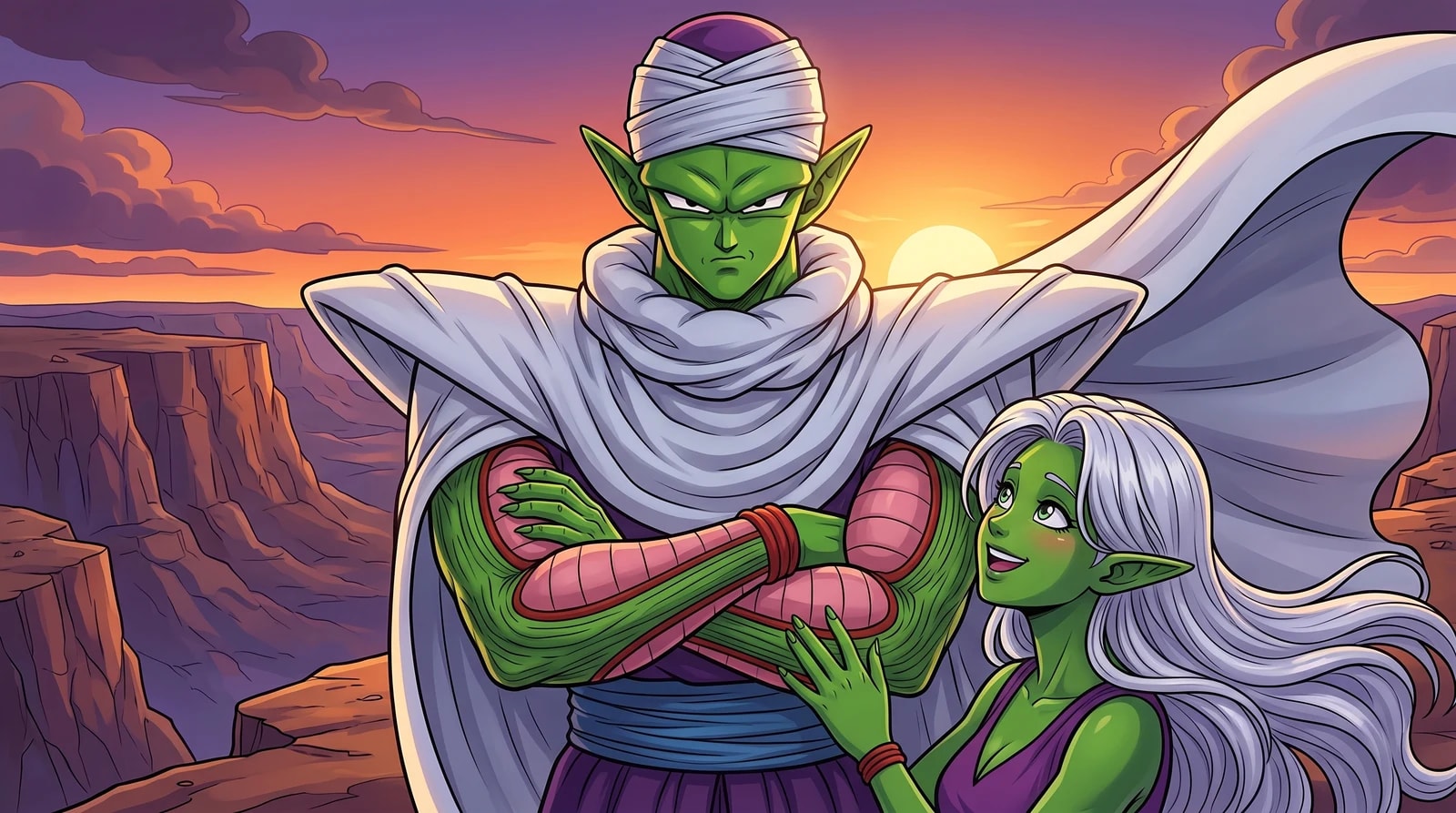
На Намеке нет женщин, но Пиккало все равно их цепляет
На Намеке нет женщин. Это не упущение, такова биология. Почему мы дали Пикколо то, что исключает его собственный вид, и почему это должен был быть трэп-соул....

Тысячу раз: кому поёт Джон Драконий жемчуг?
Драконий жемчуг дал нам главного героя без предыстории, и в интернете его прозвали Джон Драконий жемчуг. Поэтому мы придумали, с кем ему поговорить....


Часто задаваемые вопросы
Кто такой Тацуо Хигасино в Драгон Болл?
Японский раскадровщик, который внес свой вклад в Драгон Болл и другие ранние аниме-постановки. Его работа по визуальному планированию и раскадровке помогла сформировать визуальный поток и темп сериалов в 1970-х и 1980-х годах.
Чем больше всего известен Тацуо Хигасино в Драгон Болл?
Хигасино создал раскадровки для 49-го эпизода Драгон Болл, внеся свой вклад в визуальное направление и темп во время показа оригинального сериала. Его работа в качестве раскадровщика требовала перевода сценариев в визуальные последовательности, определения ракурсов камеры, расположения персонажей и переходов между сценами, которые режиссеры затем реализовывали в анимации.
Что делает Тацуо Хигасино в Драгон Болл?
Тацуо Хигасино, японский аниматор, который работал над франшизой Драгон Болл. В частности, Тацуо Хигасино указан как раскадровщик для Драгон Болл и ранних аниме-сериалов.
Какую еще работу выполнил Тацуо Хигасино помимо Драгон Болл?
Хигасино работал над ранними аниме-постановками, включая Го-Кю-Тёдзи Иккиман, Конпора Кид и Серебряный клык, зарекомендовав себя в профессии раскадровщика в период становления аниме. Его вклад в Драгон Болл позволил ему занять место в ранней команде, которая создала визуальный язык франшизы.
Откуда родом Тацуо Хигасино?
Тацуо Хигасино, японский аниматор. Японский раскадровщик, который внес свой вклад в Драгон Болл и другие ранние аниме-постановки.
Источники и информация
Хотите узнать больше о Тацуо Хигасино? Драконий жемчуг Вики на Fandom имеет отдельную страницу с заметками сообщества.
Смотреть на FandomЭтот контент является оригинальным текстом от Штаб-квартира Дэдди Джима, основанным на аниме Драконий жемчуг, манге и официальных материалах. Ссылки на эпизоды и главы приводятся там, где это применимо.
Правообладатели
- АвторAkira Toriyama
- ИздательShueisha
- АнимацияToei Animation
Все права принадлежат соответствующим правообладателям.
Изображения персонажей и сцен на этом сайте являются оригинальными произведениями от Штаб-квартира Дэдди Джима, а не скриншотами или лицензионными изображениями. Официальные обложки используются на трёх типах страниц для редакционных комментариев:
- Страницы фильмов: театральные постеры и ключевые визуалы, с указанием авторства Toei Animation и Shueisha.
- Страницы игр: официальные обложки игр, с указанием авторства Bandai Namco, Atari и других издателей.
- Страницы глав манги: обложки томов Jump Comics, с указанием авторства Shueisha и Акиры Ториямы.
Просмотрите наши гиды по эпизодам:
Официальные ресурсы:
Помогите нам поддерживать точность вики
Штаб-квартира Дэдди Джима поддерживает эту энциклопедию. Если вы обнаружили ошибку, проблему с переводом или что-то неверное, сообщите нам.