Goku finishes off Burter with a devastating Kaio-ken strike, prompting Jeice to flee and recruit Captain Ginyu. Vegeta coldly executes the fallen Ginyu Force members, and the ruthless captain arrives on the battlefield hungry for revenge.
The Captain Takes the Field
The battle against the Ginyu Force reaches a decisive turn when Goku dispatches Burter with a clean, focused Kaio-ken technique. Jeice, watching his teammate fall, retreats in terror to Frieza's ship. When he delivers the bad news, Captain Ginyu can barely contain his fury. Four members of his elite squad have been humiliated or defeated by a single Saiyan warrior. In a darkly comic moment, Ginyu strips Jeice of his position and forces him to audition alongside the remaining soldiers, complete with dramatic poses that fall flat without their missing teammates to complete the choreography.
On the battlefield, Vegeta reveals his brutal pragmatism. While Goku protests, the Saiyan prince snaps Burter's neck and obliterates Recoome with a point-blank energy blast. His lecture to Goku about mercy being a weakness on the battlefield establishes a philosophical divide between the two Saiyans that will echo throughout the series. Goku flatly rejects this worldview, refusing to abandon his principles even in the middle of a war zone.
The group quickly deduces that Frieza likely has not used the Dragon Balls yet, since no storm or darkness appeared in the sky. The realization that a password exists offers a glimmer of hope. But that hope is tested when Ginyu and Jeice arrive, and Goku reads the situation instantly. He sends Gohan and Krillin after the Dragon Radar and asks Vegeta for backup, only for the prince to abandon him the moment Ginyu charges in.

The Pose and the Principle
This episode does vital character work by placing Goku's moral code directly against Vegeta's survivalist instincts. The prince sees Goku's refusal to kill as foolish sentimentality. Goku sees it as the foundation of who he is. Neither budges. This tension does not resolve here; it becomes one of the defining threads of the entire Frieza Saga and beyond.
Captain Ginyu's introduction is equally telling. His rage at losing his team is real, but his theatricality, the poses, the auditions, the dramatics, reveals a leader more concerned with style than substance. It is a perfect setup for the ruthless pragmatism he will display in the episodes ahead.
Related Reading
See all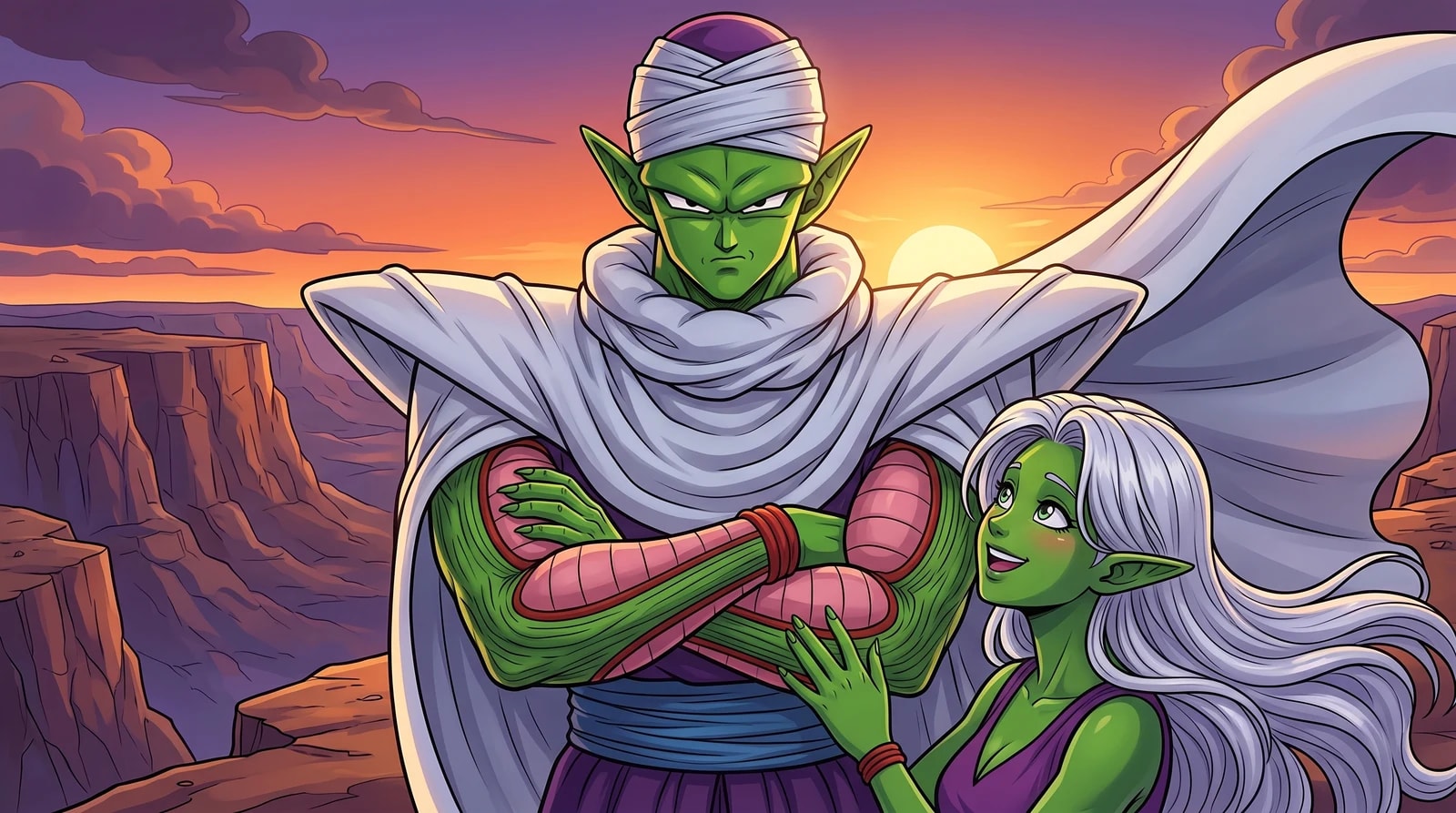
Namek Has No Women, and Piccolo Pulls Anyway
There are no women on Namek. That isn't an oversight, it's the biology. Why we handed Piccolo the one thing his own species rules out, and why it had to be trap soul....
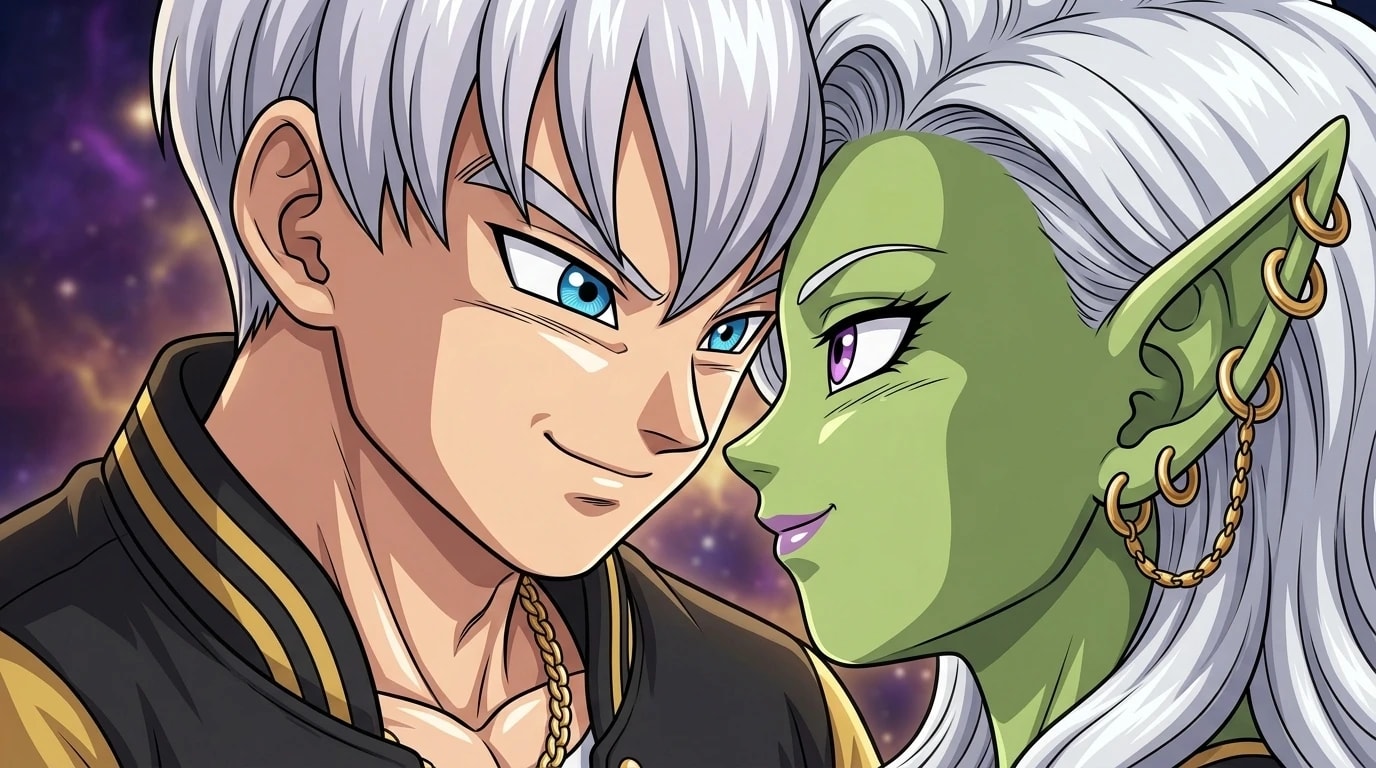
1000 Times Over: Who Is John Dragon Ball Singing To?
Dragon Ball handed us a protagonist with no history and the internet named him John Dragon Ball. So we built him somebody to talk to....
A New Era for the English Dub
Episode 68 marks a significant production milestone: the debut of Funimation's in-house English dub replacing the earlier Saban partnership. The Bruce Faulconer score begins here and would define the sonic identity of DBZ for an entire generation of Western fans. Voice actors were recast or adjusted, with Christopher Sabat notably transitioning Vegeta's voice from an imitation of the Ocean dub to his own deeper interpretation over the next several episodes.
The Ginyu and Jeice posing sequence references Kamen Rider 1 and Kamen Rider 2 from the classic 1971 tokusatsu series, connecting Dragon Ball's playful homage to the broader tradition of transformation poses in Japanese media.
Frequently Asked Questions
What episode of Dragon Ball Z is Ginyu Assault?
"Ginyu Assault" is episode 68 of Dragon Ball Z. It airs during the Captain Ginyu Saga.
What happens in the Dragon Ball Z episode Ginyu Assault?
Goku finishes off Burter with a devastating Kaio-ken strike, prompting Jeice to flee and recruit Captain Ginyu. Vegeta coldly executes the fallen Ginyu Force members, and the ruthless captain arrives on the battlefield hungry for revenge.
Which characters appear in Ginyu Assault?
The episode features Goku, Burter, Jeice, Captain Ginyu, Vegeta, and Frieza. Goku carries the action across this Captain Ginyu Saga episode.
What is the standout moment in Ginyu Assault?
This episode does vital character work by placing Goku's moral code directly against Vegeta's survivalist instincts. The prince sees Goku's refusal to kill as foolish sentimentality.
Why is Ginyu Assault important in Dragon Ball Z?
Episode 68 marks a significant production milestone: the debut of Funimation's in-house English dub replacing the earlier Saban partnership. The Bruce Faulconer score begins here and would define the sonic identity of DBZ for an entire generation of Western fans.
Sources & Information
Looking for more on Ginyu Assault? The Dragon Ball Wiki on Fandom has a dedicated page with community notes.
View on FandomThis content is original writing by Daddy Jim Headquarters based on the Dragon Ball anime series, manga, and official materials. Episode and chapter references are cited where applicable.
Rights holders
- Created byAkira Toriyama
- Published byShueisha
- Animated byToei Animation
All rights belong to their respective owners.
Character and scene imagery on this site is original artwork by Daddy Jim Headquarters, not screenshots or licensed imagery. Official cover art is used on three types of pages for editorial commentary:
- Movie pages: theatrical posters and key visuals, credited to Toei Animation and Shueisha.
- Game pages: official box art, credited to Bandai Namco, Atari, and other publishers.
- Manga chapter pages: Jump Comics volume covers, credited to Shueisha and Akira Toriyama.
Browse our episode guides:
Official resources:
Help Us Keep This Wiki Accurate
Daddy Jim Headquarters maintains this encyclopedia. If you spot an error, a translation issue, or something that doesn't look right, let us know.