Cell destroys the arena and eliminates all boundaries for the fight. Goku unleashes a brilliant Instant Kamehameha at point-blank range, obliterating Cell's upper body. But is it enough to finish the bio-android for good?
The Instant Kamehameha Gambit
Goku and Cell push each other to the breaking point in a fight so fast that only Gohan can track their movements. The young Saiyan observes that his father initially struggles to keep pace with Cell, but gradually closes the speed gap until the two fighters are perfectly matched. At the Lookout, Dende senses the battle's mounting intensity with growing concern.
After Goku nearly gets knocked out of bounds, Cell seizes the opportunity to reshape the contest entirely. Tired of the ring's constraints, Cell blasts the arena to rubble and declares new rules: the fight ends only when one of them falls. With the entire landscape now their battlefield, Goku and Cell trade blows across rocky plateaus and barren desert, each landing punishing strikes on the other. King Kai watches from his small planet in the afterlife, barely able to contain his panic.
Following an intense exchange of energy blasts, Goku rockets skyward and begins charging a massive Kamehameha. The Z Fighters are horrified, convinced that firing such an attack downward will vaporize the entire planet. But Goku has something far more cunning in mind. At the very last instant, he uses Instant Transmission to teleport directly in front of Cell and releases the beam upward at point-blank range. The blast annihilates everything above Cell's waist, including his arms and head. Cell manages only a shocked cry before being torn apart. As the smoke rises, a visibly exhausted Goku stands over the remains, uncertain whether this devastating combination was enough to end the android permanently.

Brilliance Under Pressure
The Instant Kamehameha is arguably Goku's single greatest tactical innovation in the entire series. By combining two techniques, one offensive and one utility, into a seamless combo, he circumvents the fundamental problem of fighting Cell on even terms. Rather than trying to outmuscle an opponent who matches him blow for blow, Goku changes the equation entirely. The Z Fighters' terror at seeing the Kamehameha aimed earthward makes the payoff even more satisfying.
Cell's decision to destroy the ring reveals his growing frustration beneath the calm exterior. He frames it as eliminating a nuisance, but the subtext is clear: the confined space was limiting his options against a fighter who keeps finding answers to every attack. Removing the boundaries gives Cell room to maneuver, but it also gives Goku the open sky he needs for his masterstroke.
Related Reading
See all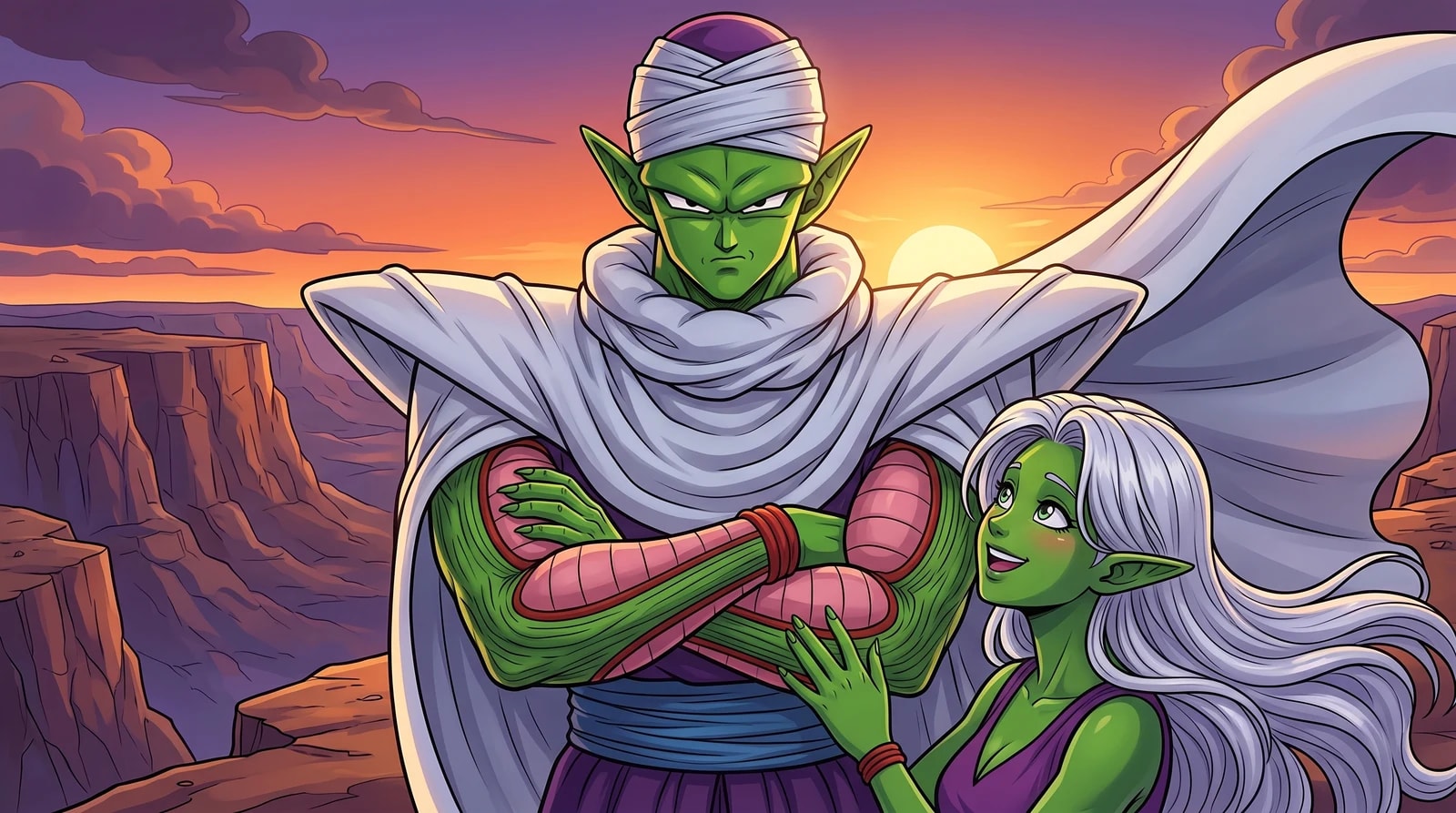
Namek Has No Women, and Piccolo Pulls Anyway
There are no women on Namek. That isn't an oversight, it's the biology. Why we handed Piccolo the one thing his own species rules out, and why it had to be trap soul....
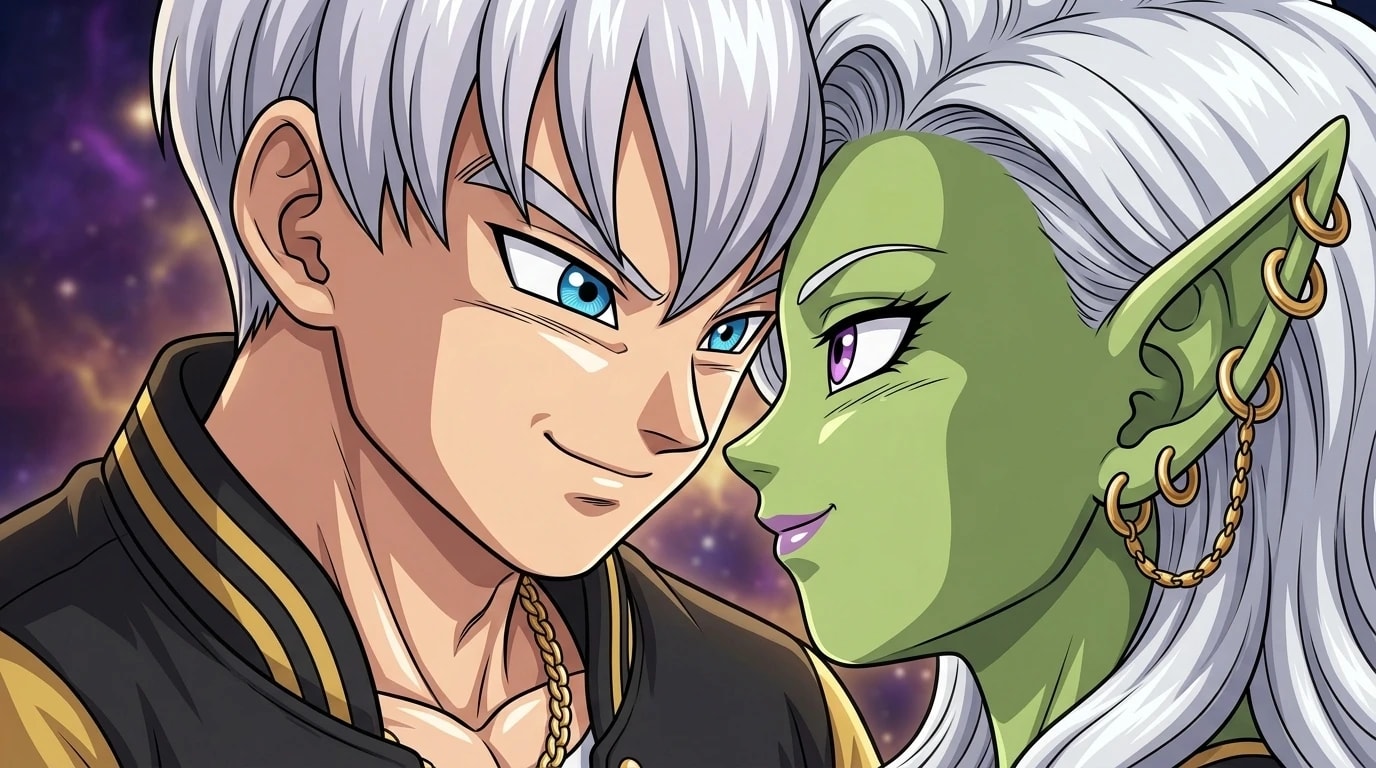
1000 Times Over: Who Is John Dragon Ball Singing To?
Dragon Ball handed us a protagonist with no history and the internet named him John Dragon Ball. So we built him somebody to talk to....
A Voice Actor's Favorite Moment
Sean Schemmel, the English voice of Goku, has cited the Instant Kamehameha as his favorite moment in the entire Cell Games Saga. The original recording even contained a flub where Schemmel pronounced it "Ka-Me-Ha-Ha," which was later corrected in the remastered version to the full "Ka-Me-Ha-Me-Ha." These small details speak to how raw and high-energy the dubbing sessions were during this stretch of episodes.
The destruction of the Cell Games Arena is a pivotal structural shift for the saga. Without the ring and its formal tournament rules, the Cell Games become a pure survival contest. This change also removes the last thin layer of spectacle that made the event feel like entertainment, transforming it fully into a life-or-death struggle with Earth's fate hanging in the balance.
Frequently Asked Questions
What episode of Dragon Ball Z is No More Rules?
"No More Rules" is episode 179 of Dragon Ball Z. It airs during the Cell Games Saga.
What happens in the Dragon Ball Z episode No More Rules?
Cell destroys the arena and eliminates all boundaries for the fight. Goku unleashes a brilliant Instant Kamehameha at point-blank range, obliterating Cell's upper body. But is it enough to finish the bio-android for good?
Which characters appear in No More Rules?
The episode features Cell, Goku, Gohan, Kami's Lookout, Dende, and King Kai. Cell carries the action across this Cell Games Saga episode.
What is the standout moment in No More Rules?
The Instant Kamehameha is arguably Goku's single greatest tactical innovation in the entire series. By combining two techniques, one offensive and one utility, into a seamless combo, he circumvents the fundamental problem of fighting Cell on even terms.
Why is No More Rules important in Dragon Ball Z?
Sean Schemmel, the English voice of Goku, has cited the Instant Kamehameha as his favorite moment in the entire Cell Games Saga. The original recording even contained a flub where Schemmel pronounced it "Ka-Me-Ha-Ha," which was later corrected in the remastered version to the full "Ka-Me-Ha-Me-Ha." These small details speak to how raw and high-energy the dubbing sessions were during this stretch of episodes.
Sources & Information
Looking for more on No More Rules? The Dragon Ball Wiki on Fandom has a dedicated page with community notes.
View on FandomThis content is original writing by Daddy Jim Headquarters based on the Dragon Ball anime series, manga, and official materials. Episode and chapter references are cited where applicable.
Rights holders
- Created byAkira Toriyama
- Published byShueisha
- Animated byToei Animation
All rights belong to their respective owners.
Character and scene imagery on this site is original artwork by Daddy Jim Headquarters, not screenshots or licensed imagery. Official cover art is used on three types of pages for editorial commentary:
- Movie pages: theatrical posters and key visuals, credited to Toei Animation and Shueisha.
- Game pages: official box art, credited to Bandai Namco, Atari, and other publishers.
- Manga chapter pages: Jump Comics volume covers, credited to Shueisha and Akira Toriyama.
Browse our episode guides:
Official resources:
Help Us Keep This Wiki Accurate
Daddy Jim Headquarters maintains this encyclopedia. If you spot an error, a translation issue, or something that doesn't look right, let us know.