Sharpner schemes to unmask the Great Saiyaman but Piccolo destroys every camera in range. At the tournament, a punching machine determines the final 16 fighters, and Vegeta obliterates it with a single strike.
Unmasking Attempts and Punching Machines
Sharpner's jealousy reaches its peak as he watches Videl spend time around the Great Saiyaman. Determined to expose the masked hero's identity, he launches a series of schemes. First, he sprays water at Gohan's face hoping to force the sunglasses off. Then he tries physically snatching them. Each attempt fails thanks to Gohan's reflexes, but Sharpner eventually enlists help from another student and manages to snap a photo of Gohan without his disguise. The victory is short-lived. Piccolo, ever vigilant, senses the threat and destroys every camera in the vicinity with precise energy blasts, ensuring the secret remains safe.
At the tournament grounds, Goku encounters Android 18 and reacts with understandable surprise. Krillin proudly explains that not only have they married, but they also have a daughter named Marron. Goku congratulates his old friend with genuine enthusiasm, another sign of how much the world has changed during his absence from the living realm.
The qualifying round introduces a punching machine designed to measure each contestant's striking power and whittle the field down to sixteen. Mr. Satan, as defending champion, earns automatic entry and posts a score of 137 to impress the crowd. When the Z Fighters step up, they deliberately hold back, each tapping the machine lightly enough to score in the low 200s. Android 18 slips up with a reading of 774, but the officials chalk it up to a malfunction. Vegeta, however, has no interest in subtlety. His full-force punch completely destroys the machine, leaving tournament staff scrambling for explanations.

Hiding in Plain Sight
The dual narrative of this episode highlights how the Z Fighters must constantly manage their public image. Gohan's Great Saiyaman disguise is absurd by design, yet it serves the critical purpose of separating his civilian life from his warrior identity. Sharpner's persistence represents the constant risk of exposure, and Piccolo's intervention shows that the older warriors understand what is at stake.
The punching machine sequence is equally revealing. Every fighter in the group instinctively knows to suppress their power. It is second nature to them after years of hiding extraordinary abilities from ordinary society. Vegeta's refusal to play along is perfectly in character. He views restraint as beneath him. The destroyed machine becomes a comedic punctuation mark, but it also reinforces that Vegeta operates by his own rules, regardless of consequences.
Related Reading
See all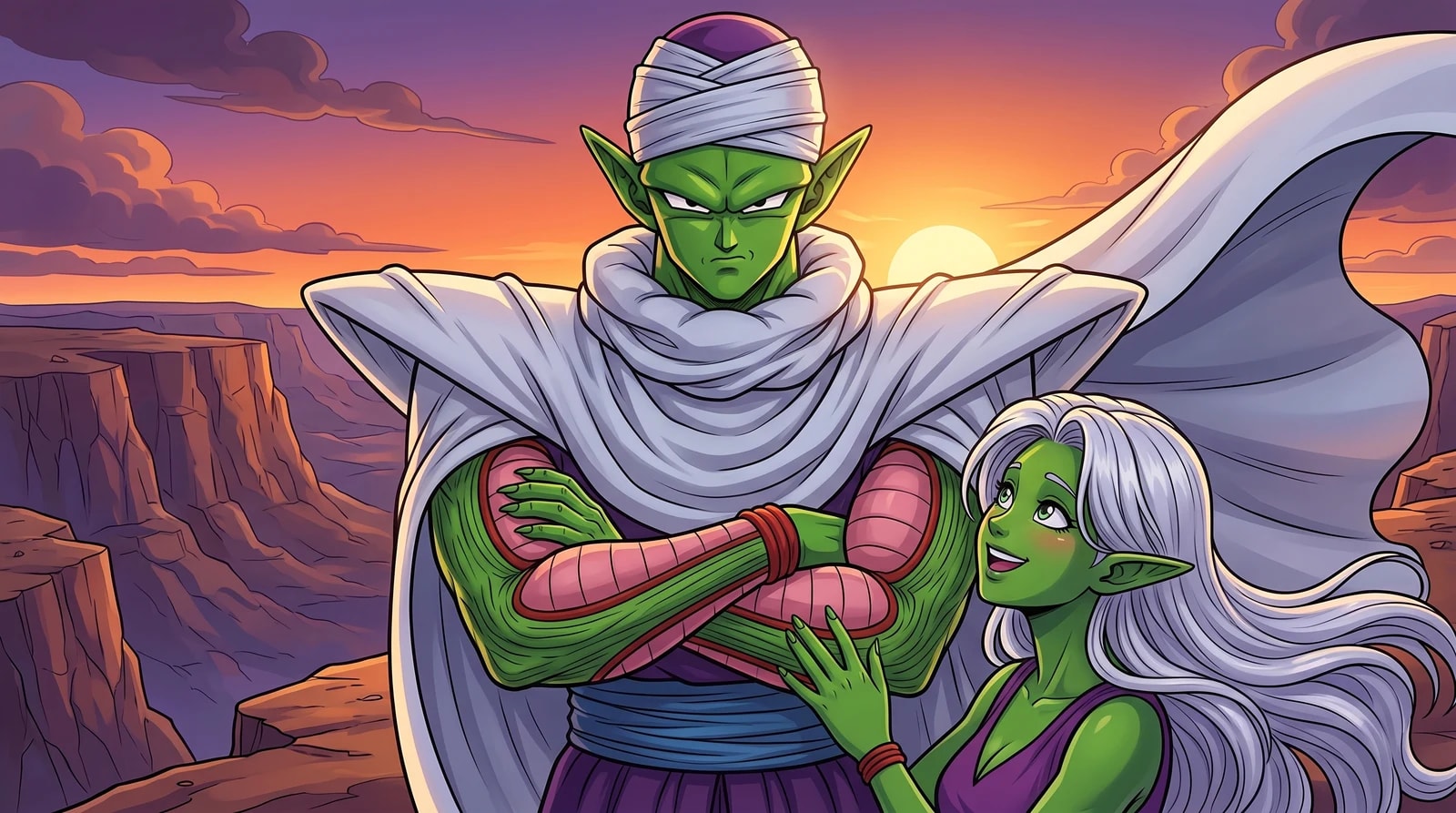
Namek Has No Women, and Piccolo Pulls Anyway
There are no women on Namek. That isn't an oversight, it's the biology. Why we handed Piccolo the one thing his own species rules out, and why it had to be trap soul....
1000 Times Over: Who Is John Dragon Ball Singing To?
Dragon Ball handed us a protagonist with no history and the internet named him John Dragon Ball. So we built him somebody to talk to....


Bridging Two Worlds
Episode 209 acts as a bridge between the lighthearted Saiyaman storyline and the more serious tournament battles ahead. Sharpner's antics provide the last gasp of high school comedy before the narrative shifts fully into competitive martial arts territory. Captain Ginyu's cameo as a frog, briefly picked up by Gohan, is a delightful callback that rewards longtime viewers.
The punching machine sequence also establishes the power gap that defines this tournament. Ordinary fighters celebrate scores in the double digits while the Z Fighters barely tap the device and triple those numbers. This contrast sets audience expectations: the real battles will not be between these warriors and regular competitors, but among themselves and whatever unknown threats lurk within the bracket.
Frequently Asked Questions
What episode of Dragon Ball Z is Camera Shy?
"Camera Shy" is episode 209 of Dragon Ball Z. It airs during the Great Saiyaman Saga.
What happens in the Dragon Ball Z episode Camera Shy?
Sharpner schemes to unmask the Great Saiyaman but Piccolo destroys every camera in range. At the tournament, a punching machine determines the final 16 fighters, and Vegeta obliterates it with a single strike.
Which characters appear in Camera Shy?
The episode features Sharpner, Great Saiyaman, Piccolo, Vegeta, Videl, and Gohan. Sharpner carries the action across this Great Saiyaman Saga episode.
What is the standout moment in Camera Shy?
The dual narrative of this episode highlights how the Z Fighters must constantly manage their public image. Gohan's Great Saiyaman disguise is absurd by design, yet it serves the critical purpose of separating his civilian life from his warrior identity.
Why is Camera Shy important in Dragon Ball Z?
Episode 209 acts as a bridge between the lighthearted Saiyaman storyline and the more serious tournament battles ahead. Sharpner's antics provide the last gasp of high school comedy before the narrative shifts fully into competitive martial arts territory.
Sources & Information
Looking for more on Camera Shy? The Dragon Ball Wiki on Fandom has a dedicated page with community notes.
View on FandomThis content is original writing by Daddy Jim Headquarters based on the Dragon Ball anime series, manga, and official materials. Episode and chapter references are cited where applicable.
Rights holders
- Created byAkira Toriyama
- Published byShueisha
- Animated byToei Animation
All rights belong to their respective owners.
Character and scene imagery on this site is original artwork by Daddy Jim Headquarters, not screenshots or licensed imagery. Official cover art is used on three types of pages for editorial commentary:
- Movie pages: theatrical posters and key visuals, credited to Toei Animation and Shueisha.
- Game pages: official box art, credited to Bandai Namco, Atari, and other publishers.
- Manga chapter pages: Jump Comics volume covers, credited to Shueisha and Akira Toriyama.
Browse our episode guides:
Official resources:
Help Us Keep This Wiki Accurate
Daddy Jim Headquarters maintains this encyclopedia. If you spot an error, a translation issue, or something that doesn't look right, let us know.