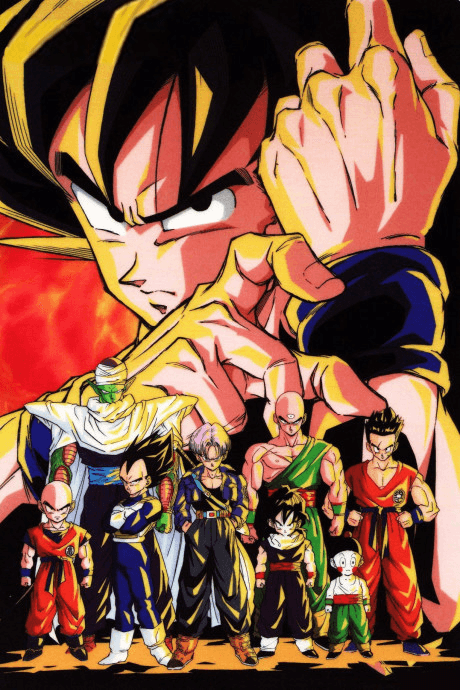
Great Saiyaman Saga
SagaSeven years after the Cell Games, teenage Gohan starts high school in Satan City and creates a superhero alter ego, the Great Saiyaman, to fight crime without revealing his identity. His awkward attempts at secret-keeping and budding relationship with Videl set the stage for the World Tournament Saga.
The Half-Saiyan Goes to School
Seven years have passed since the Cell Games and Goku's sacrifice. Gohan, now a teenager, has spent those years studying under Chi-Chi's watchful eye on Mount Paozu, growing into a scholarly young man who could pass for any ordinary high schooler. When he enrolls at Orange Star High School in Satan City, the greatest challenge facing the boy who defeated Cell is not a cosmic threat but something far more terrifying: fitting in with normal humans.
Birth of the Great Saiyaman
Gohan's commute to school via flying Nimbus draws attention almost immediately. On his first day, he intervenes to stop a group of criminals and is spotted by Videl, the daughter of Mr. Satan and the city's unofficial vigilante. Realizing that his superhuman abilities will draw unwanted scrutiny, Gohan creates the Great Saiyaman persona: a costumed superhero complete with a helmet, cape, and an arsenal of dramatic poses borrowed from sentai television shows. The costume comes courtesy of Bulma, who builds it into a wristwatch that transforms Gohan's outfit with the press of a button.
The Great Saiyaman sequences are pure comedy gold. Gohan's poses are elaborate and deeply embarrassing, delivered with absolute sincerity. He announces his arrivals with rehearsed speeches, strikes theatrical stances on rooftops, and genuinely believes the persona is cool. His classmates are baffled. Videl is suspicious. The criminals of Satan City are confused but thoroughly defeated. It is a stark contrast to the Gohan of the Cell Games, and that contrast is precisely the point. Gohan does not want to be a warrior. He wants to be a normal kid, and the Great Saiyaman is his compromise between responsibility and anonymity.

Videl Closes In
Videl's investigation of the Great Saiyaman's identity drives the saga's central tension. She is smart, athletic, and relentless, inheriting her father's stubbornness without his bluster. When she witnesses the Great Saiyaman performing feats that no ordinary human could manage, she begins connecting the dots to her new classmate. The cat-and-mouse dynamic between Gohan and Videl is charming because both characters are genuinely likable. Gohan is a terrible liar, and Videl is too observant to be fooled for long.
Flying Lessons and Unmasking
Videl eventually discovers Gohan's secret after seeing him transform during a hostage situation. Rather than expose him, she strikes a deal: Gohan must teach her to fly and enter the upcoming World Martial Arts Tournament. The flying lessons are a highlight of the saga, as Gohan patiently coaches Videl through the basics of ki control. These scenes establish their relationship's foundation, built on mutual respect and gradual trust rather than the instant attraction typical of shonen romance.
The saga also introduces the next generation of Saiyan children. Goten and Trunks, now seven and eight years old respectively, are already capable of turning Super Saiyan, a revelation that shocks Gohan and Vegeta alike. Goten in particular is a mirror of young Goku: innocent, powerful, and completely unaware of how extraordinary he is. His sparring match with Gohan, during which he casually transforms into a Super Saiyan, redefines the audience's understanding of what the transformation means. Once the pinnacle of Saiyan achievement, Super Saiyan is now something children stumble into during play.
Gathering for the Tournament
The saga builds toward the 25th World Martial Arts Tournament as its narrative destination. Goku is granted a single day to return from Other World to participate, reuniting the full cast for the first time since the Cell Games. Vegeta enters to test himself against Goku. Piccolo joins out of caution. Android 18 enters for the prize money. The gathering of fighters creates an atmosphere of reunion and anticipation, setting up the explosive events that will follow in the World Tournament Saga.
Gohan's Other Battle
The Great Saiyaman Saga is about Gohan fighting on a different kind of battlefield. After a childhood defined by alien invasions and apocalyptic battles, he is trying to build a normal life. The saga respects that choice. It does not frame Gohan's desire for peace as weakness or betrayal of his potential; it treats it as a legitimate aspiration for a young man who has already given more than anyone should ask of a child. His struggle to balance Saiyan heritage with human normalcy is the saga's emotional core.
Setting the Stage
The saga also functions as a masterful table-setter. It reintroduces the entire cast after a seven-year time skip, establishes new dynamics, and builds anticipation for the Buu arc's escalating conflicts. Videl's introduction gives Gohan a partner who challenges and complements him. Goten and Trunks add youthful energy and comedic chaos. Mr. Satan's ongoing fraud as the "savior of the world" adds an ironic undercurrent to every scene set in Satan City.
For all its lighthearted tone, the Great Saiyaman Saga is essential Dragon Ball Z storytelling. It proves that the series can be funny, warm, and character-driven without a world-ending threat on the horizon. It is the calm before the storm of the Buu saga, and it uses that calm wisely, investing in character relationships that will carry emotional weight when the stakes inevitably escalate.
Related Reading
See all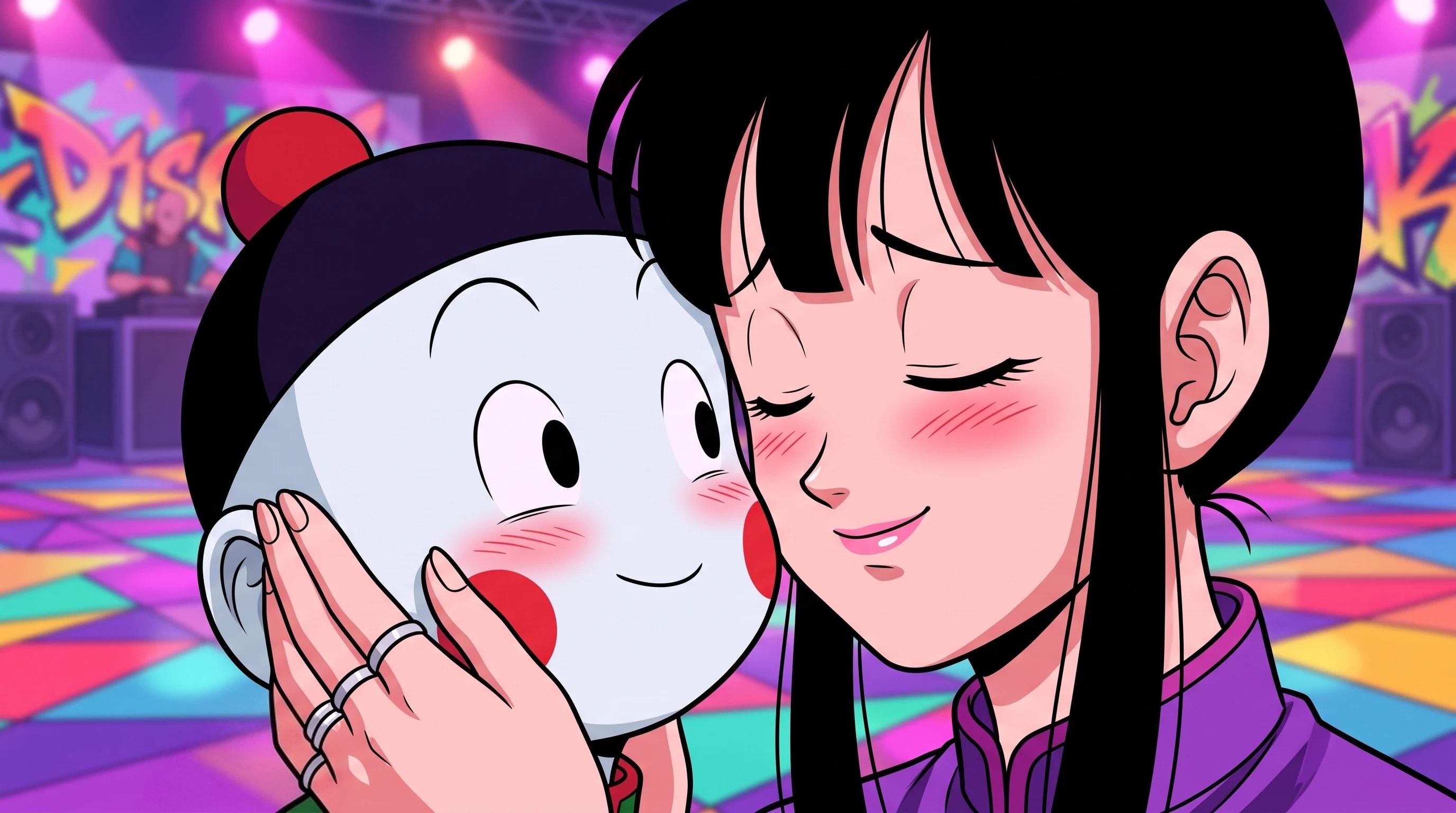
Chiaotzu is Chi-Chi's Boo: Why the Guy Who Never Wins Finally Wins
The least likely man in Dragon Ball just took the biggest win in our catalog. The story behind our R&B record about Chiaotzu, Chi-Chi, and a house Goku is never in....
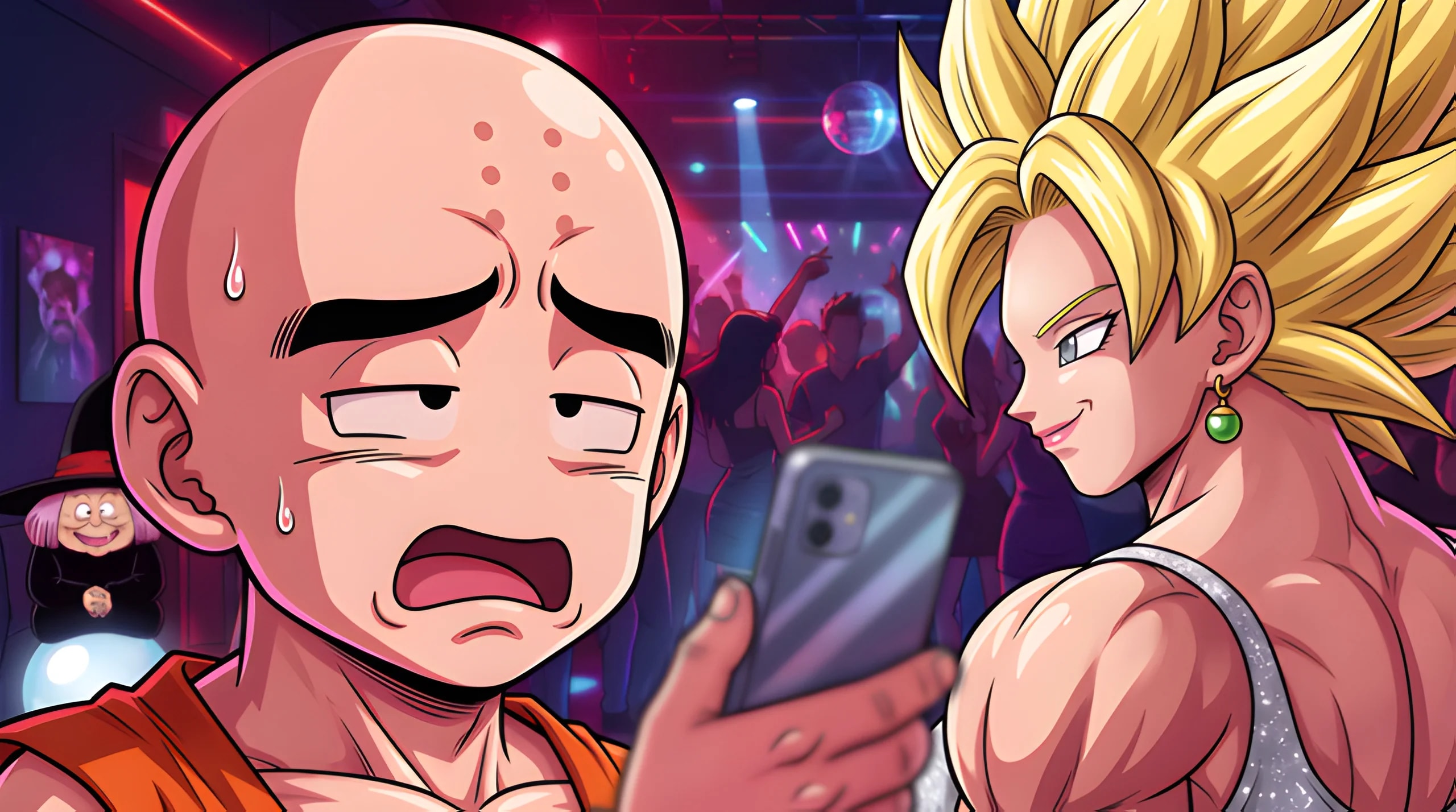
Krillin's on the Tinder: How the Ultimate Short King Survived the Height Filter
Tinder built a height filter. Dragon Ball built a five foot legend. What happened when we sent the ultimate short king into the modern dating hellscape....
Frequently Asked Questions
What episode is the Great Saiyaman saga?
The Great Saiyaman Saga spans episodes 200-209. Seven years after the Cell Games, teenage Gohan starts high school in Satan City and creates a superhero alter ego, the Great Saiyaman, to fight crime without revealing his identity.
What is the Great Saiyaman Saga in Dragon Ball?
Seven years after the Cell Games, teenage Gohan starts high school in Satan City and creates a superhero alter ego, the Great Saiyaman, to fight crime without revealing his identity. His awkward attempts at secret-keeping and budding relationship with Videl set the stage for the World Tournament Saga.
What happens in the Great Saiyaman Saga?
Seven years after the Cell Games, Gohan is now a teenager attending Orange Star High School in Satan City, named after Mr. Satan who took credit for defeating Cell. Gohan's classmate Videl, Mr. Satan's daughter, is suspicious of his abilities after she witnesses his incredible strength. To hide his identity while fighting crime, Gohan adopts the superhero persona Great Saiyaman, complete with a ridiculous costume and dramatic poses.
Who is the main villain of the Great Saiyaman Saga?
The main villain of the Great Saiyaman Saga is None (slice-of-life/comedy saga). Seven years after the Cell Games, teenage Gohan starts high school in Satan City and creates a superhero alter ego, the Great Saiyaman, to fight crime without revealing his identity.
What series is the Great Saiyaman Saga from?
The Great Saiyaman Saga appears in Dragon Ball Z. Seven years after the Cell Games, teenage Gohan starts high school in Satan City and creates a superhero alter ego, the Great Saiyaman, to fight crime without revealing his identity.
Sources & Information
Looking for more on Great Saiyaman Saga? The Dragon Ball Wiki on Fandom has a dedicated page with community notes.
View on FandomThis content is original writing by Daddy Jim Headquarters based on the Dragon Ball anime series, manga, and official materials. Episode and chapter references are cited where applicable.
Character and scene imagery on this site is original artwork by Daddy Jim Headquarters, not screenshots or licensed imagery. Official cover art is used on three types of pages for editorial commentary:
- Movie pages: theatrical posters and key visuals, credited to Toei Animation and Shueisha.
- Game pages: official box art, credited to Bandai Namco, Atari, and other publishers.
- Manga chapter pages: Jump Comics volume covers, credited to Shueisha and Akira Toriyama.
Browse our episode guides:
Official resources:
Help Us Keep This Wiki Accurate
Daddy Jim Headquarters maintains this encyclopedia. If you spot an error, a translation issue, or something that doesn't look right, let us know.