
Goku and Majin Vegeta clash at Super Saiyan 2 in a brutal rematch 200 episodes after their first encounter. Meanwhile, Gohan and the Supreme Kai push deeper into Babidi's ship, racing to reach the sealed Majin Buu cocoon.
A Rematch Seven Years in the Making
The long-anticipated battle between Goku and Majin Vegeta finally erupts across a desolate rocky canyon. Vegeta strikes first, rushing in with a barrage of punches before connecting a devastating knee and kick combination that sends Goku hurtling toward the ground. The two warriors trade blows at blistering speed, their fists colliding simultaneously in a display of perfectly matched power.
Vegeta seizes the advantage through sheer aggression, pinning Goku against the landscape and pummeling him relentlessly. Yet Goku proves equally resilient, breaking free and landing punishing counterattacks of his own. Their beam struggle inside a cave recalls the iconic Kamehameha versus Galick Gun clash from their very first meeting on Earth, drawing a deliberate parallel between past and present.
The battle features one of Vegeta's most creative techniques: energy rings that pin Goku's limbs and neck against a cliff face, leaving him completely immobilized. While using Goku as a punching bag, Vegeta delivers a scathing recollection of every humiliation he has endured since arriving on Earth. From his initial defeat at Goku's hands, to Goku achieving Super Saiyan and destroying Frieza, to Gohan surpassing him against Cell, each memory fuels his rage. He sentences Goku to death by dismemberment, but Goku shatters the restraints and turns the tide with a furious counterattack. Meanwhile, Gohan and Supreme Kai descend through Babidi's ship, dispatching waves of weak Majin soldiers before reaching the bottom level where Buu's sealed cocoon awaits.

The Diary of a Wounded Prince
Vegeta's mid-battle monologue transforms what could be a straightforward fight sequence into something far more layered. His recounting of personal failures and stolen glory reveals that the seven years since Cell were not years of peace for Vegeta. They were years of suppressed torment. Every quiet moment with his family was shadowed by the knowledge that Goku, even dead, remained his superior.
The energy ring sequence physically literalizes Vegeta's desire for control. By immobilizing Goku and making him listen, Vegeta finally forces his rival into the position of powerlessness that he himself has occupied for so long. It is therapeutic violence, a desperate attempt to rewrite the power dynamic between them through sheer force of will.
Related Reading
See all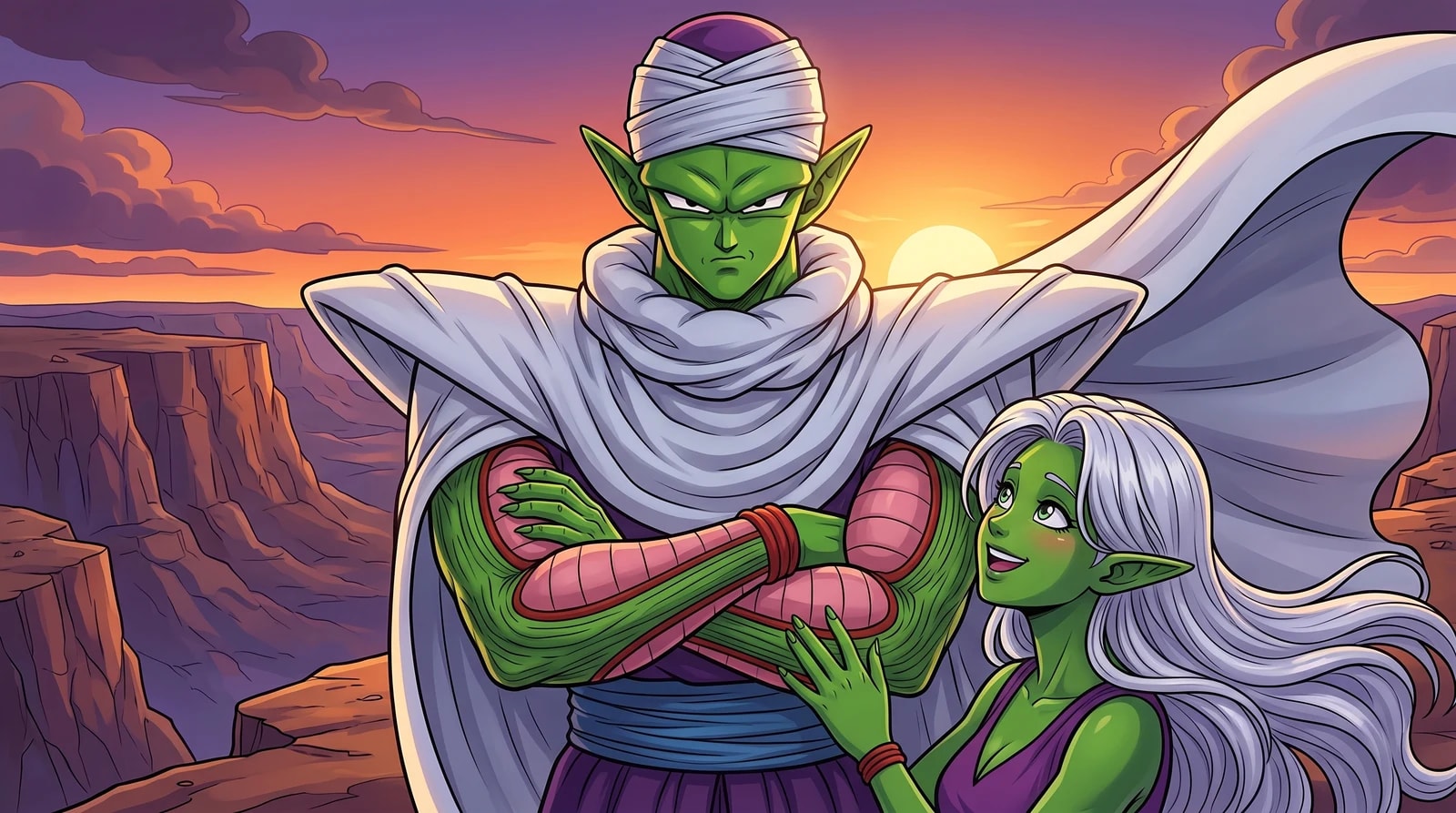
Namek Has No Women, and Piccolo Pulls Anyway
There are no women on Namek. That isn't an oversight, it's the biology. Why we handed Piccolo the one thing his own species rules out, and why it had to be trap soul....
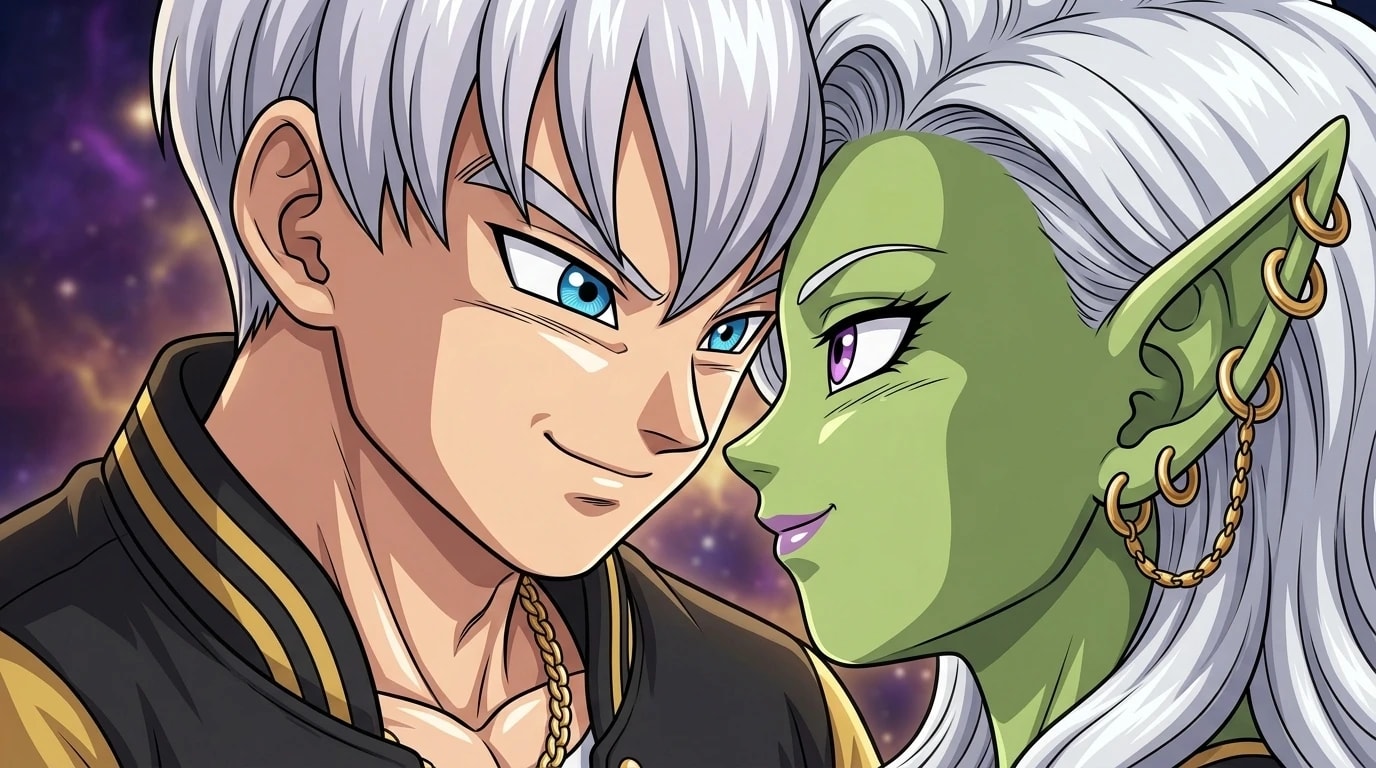
1000 Times Over: Who Is John Dragon Ball Singing To?
Dragon Ball handed us a protagonist with no history and the internet named him John Dragon Ball. So we built him somebody to talk to....
Two Hundred Episodes Apart
In the uncut version, this battle begins exactly 200 episodes after Goku and Vegeta first fought on Earth. That symmetry is no accident. The anime production team expanded the fight significantly beyond its manga counterpart, adding the energy ring imprisonment, the cave battle, and the extended beam clash to give the rematch the epic scale it deserved.
Goten and Trunks provide brief comic relief as they make their way toward the battlefield, a tonal contrast that the anime frequently uses to offset the weight of the primary conflict. The episode also marks Goku's first proper combat outing as a Super Saiyan 2, a form he achieved offscreen during his years of training in the Other World.
Frequently Asked Questions
Which Dragon Ball series is "The Long Awaited Fight" from?
"The Long Awaited Fight" is episode 230 of Dragon Ball Z. Goku and Majin Vegeta clash at Super Saiyan 2 in a brutal rematch 200 episodes after their first encounter.
What happens in "The Long Awaited Fight"?
Goku and Majin Vegeta clash at Super Saiyan 2 in a brutal rematch 200 episodes after their first encounter. Meanwhile, Gohan and the Supreme Kai push deeper into Babidi's ship, racing to reach the sealed Majin Buu cocoon.
How does "The Long Awaited Fight" begin?
The long-anticipated battle between Goku and Majin Vegeta finally erupts across a desolate rocky canyon. Vegeta strikes first, rushing in with a barrage of punches before connecting a devastating knee and kick combination that sends Goku hurtling toward the ground. The two warriors trade blows at blistering speed, their fists colliding simultaneously in a display of perfectly matched power.
What is the middle act of "The Long Awaited Fight"?
Vegeta's mid-battle monologue transforms what could be a straightforward fight sequence into something far more layered. His recounting of personal failures and stolen glory reveals that the seven years since Cell were not years of peace for Vegeta. They were years of suppressed torment.
How does "The Long Awaited Fight" end?
The anime production team expanded the fight significantly beyond its manga counterpart, adding the energy ring imprisonment, the cave battle, and the extended beam clash to give the rematch the epic scale it deserved. Goten and Trunks provide brief comic relief as they make their way toward the battlefield, a tonal contrast that the anime frequently uses to offset the weight of the primary conflict. The episode also marks Goku's first proper combat outing as a Super Saiyan 2, a form he achieved offscreen during his years of training in the Other World.
Sources & Information
Looking for more on The Long Awaited Fight? The Dragon Ball Wiki on Fandom has a dedicated page with community notes.
View on FandomThis content is original writing by Daddy Jim Headquarters based on the Dragon Ball anime series, manga, and official materials. Episode and chapter references are cited where applicable.
Rights holders
- Created byAkira Toriyama
- Published byShueisha
- Animated byToei Animation
All rights belong to their respective owners.
Character and scene imagery on this site is original artwork by Daddy Jim Headquarters, not screenshots or licensed imagery. Official cover art is used on three types of pages for editorial commentary:
- Movie pages: theatrical posters and key visuals, credited to Toei Animation and Shueisha.
- Game pages: official box art, credited to Bandai Namco, Atari, and other publishers.
- Manga chapter pages: Jump Comics volume covers, credited to Shueisha and Akira Toriyama.
Browse our episode guides:
Official resources:
Help Us Keep This Wiki Accurate
Daddy Jim Headquarters maintains this encyclopedia. If you spot an error, a translation issue, or something that doesn't look right, let us know.
