
Gohan unleashes multiple Kamehameha waves at the sealed cocoon in a desperate bid to prevent Majin Buu's resurrection. The cocoon opens empty, but the steam gathering overhead takes shape as a pink, rubbery creature unlike anything the universe has seen.
The Cocoon Cracks Open
The sealed ball containing Majin Buu begins erupting with violent energy, and Gohan makes a solemn vow that he will not stand idle the way he once did against Cell. Drawing on everything he has, Gohan fires an Electric Kamehameha directly at the cocoon, attempting to destroy whatever evil is growing inside. He follows the initial blast with a second and then a third wave, pouring every ounce of power into the assault.
When the steam clears and the cocoon splits open, Babidi is horrified to find it apparently empty. The Supreme Kai offers a cautious explanation: perhaps centuries of imprisonment weakened Buu to the point of nonexistence. For one brief moment, relief seems possible. But Gohan alone senses the truth. Something did escape the cocoon, and it has been quietly accumulating in the sky above them.
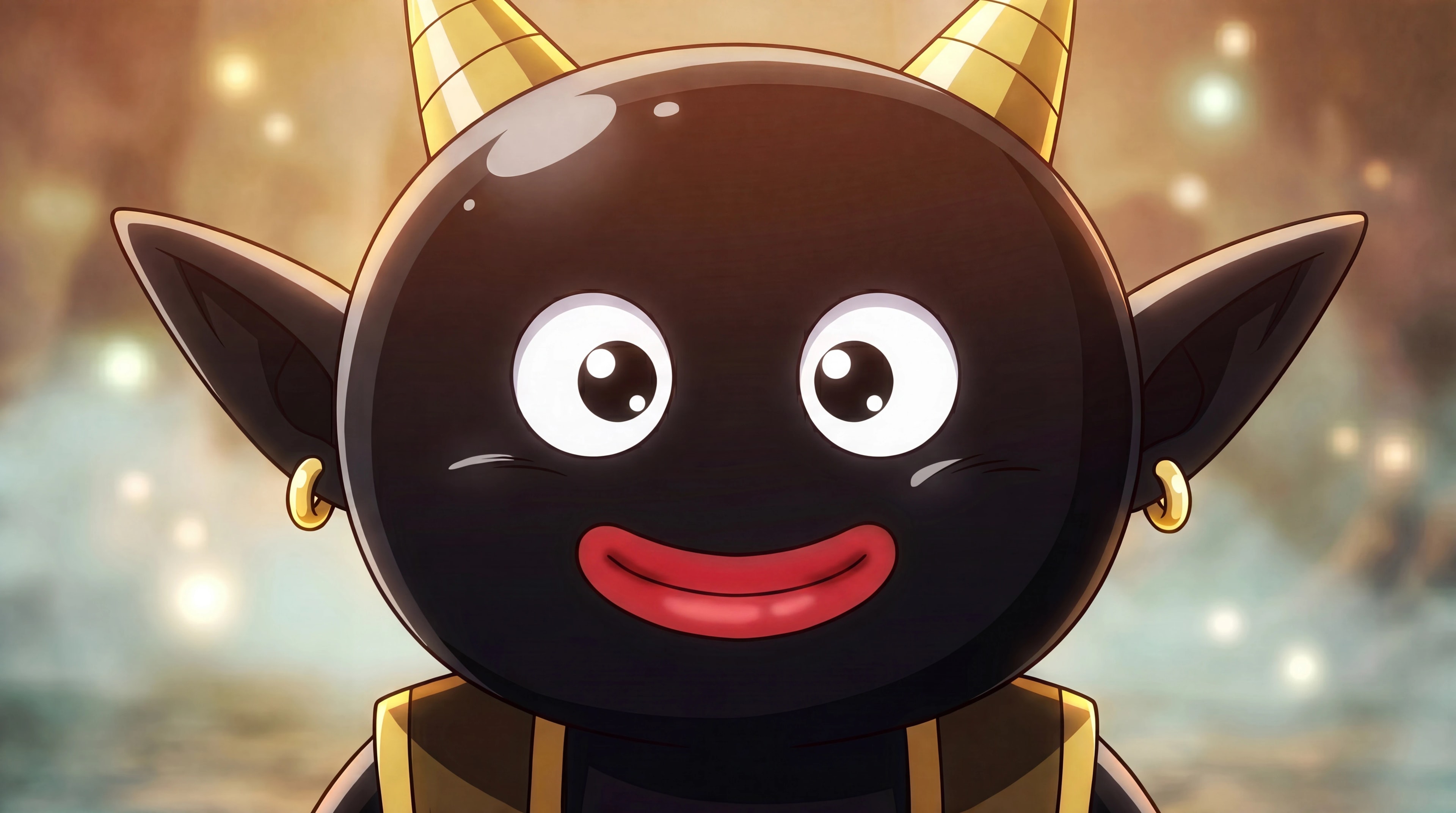
The steam coalesces into a bizarre, rotund, pink creature with a childlike demeanor and terrifying power. This is Majin Buu, and he looks nothing like the unstoppable destroyer everyone feared. He bounces around playfully, ignoring Babidi's commands entirely, treating his "master" like a toy rather than an authority figure. Meanwhile, Goku and Majin Vegeta pause their battle as they sense the unmistakable surge of Buu's energy from afar. The creature that was supposed to end the world has arrived, and he just wants to play.


The Monster Who Would Not Comply
Majin Buu's debut deliberately subverts every expectation the series has built. After episodes of dread, warnings from the Supreme Kai, and the sacrifice of so much to prevent his awakening, the creature that emerges is a fat, giggling, childish being who refuses to listen to anyone. This gap between reputation and reality is one of the Buu Saga's most effective storytelling choices.
The horror lies not in what Buu does immediately, but in what he represents. A being so powerful that he treats everything, including the wizard who freed him, as a game is far more terrifying than a straightforward villain. His playfulness is not innocence. It is the indifference of something so far beyond everyone else that nothing registers as a threat or a concern.
A New Saga Begins in Earnest
Episode 232 marks the official debut of Majin Buu and the transition into the Majin Buu Saga proper. Gohan's triple Kamehameha barrage is an anime expansion; in the manga, he fires only once. This change emphasizes Gohan's determination and makes Buu's survival feel even more inevitable despite the heroes' best efforts.
The episode also features Goten and Trunks sensing the disturbance and choosing their destination based on birds fleeing the area, an anime-original touch that adds personality to the younger generation. This is the last episode before the saga's tone shifts dramatically, as Buu's playful exterior will soon give way to the kind of destruction that justifies every warning the Supreme Kai ever gave.
Related Reading
See all
Krillin's on the Tinder: How the Ultimate Short King Survived the Height Filter
Tinder built a height filter. Dragon Ball built a five foot legend. What happened when we sent the ultimate short king into the modern dating hellscape....
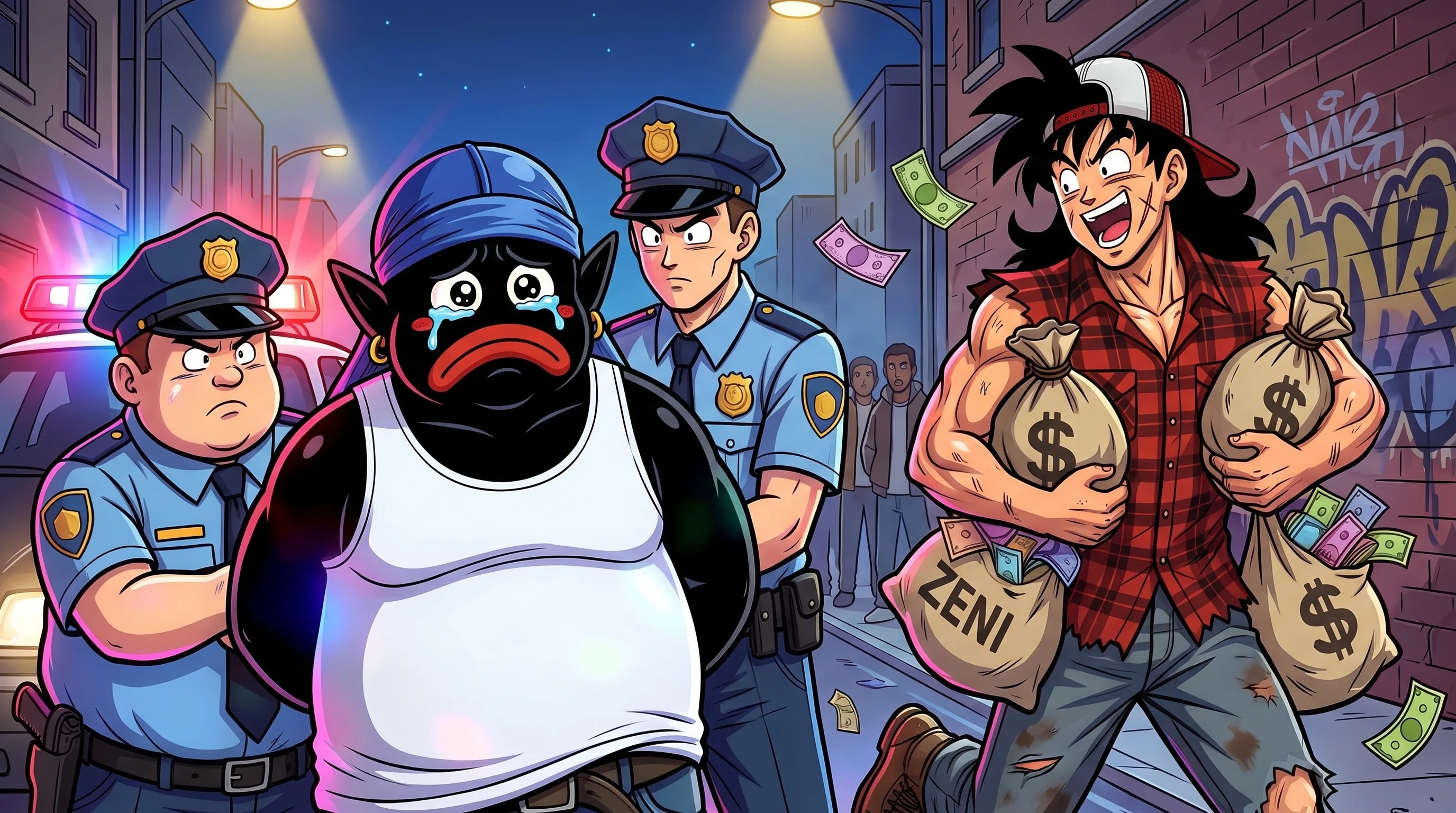
Infinite Zeni Glitch: When Yamcha Never Pays and Mr. Popo Always Does
The internet found an infinite money glitch. So did Yamcha. A smooth R&B track about the easiest money in the Dragon Ball world and the one man who keeps paying for it....
Frequently Asked Questions
What is the Dragon Ball episode "Buu is Hatched"?
Gohan unleashes multiple Kamehameha waves at the sealed cocoon in a desperate bid to prevent Majin Buu's resurrection. The cocoon opens empty, but the steam gathering overhead takes shape as a pink, rubbery creature unlike anything the universe has seen.
Which Dragon Ball series is "Buu is Hatched" from?
"Buu is Hatched" is episode 232 of Dragon Ball Z. Gohan unleashes multiple Kamehameha waves at the sealed cocoon in a desperate bid to prevent Majin Buu's resurrection.
How does "Buu is Hatched" begin?
The sealed ball containing Majin Buu begins erupting with violent energy, and Gohan makes a solemn vow that he will not stand idle the way he once did against Cell. Drawing on everything he has, Gohan fires an Electric Kamehameha directly at the cocoon, attempting to destroy whatever evil is growing inside. He follows the initial blast with a second and then a third wave, pouring every ounce of power into the assault.
What is the middle act of "Buu is Hatched"?
Majin Buu's debut deliberately subverts every expectation the series has built. After episodes of dread, warnings from the Supreme Kai, and the sacrifice of so much to prevent his awakening, the creature that emerges is a fat, giggling, childish being who refuses to listen to anyone. This gap between reputation and reality is one of the Buu Saga's most effective storytelling choices.
How does "Buu is Hatched" end?
This change emphasizes Gohan's determination and makes Buu's survival feel even more inevitable despite the heroes' best efforts. The episode also features Goten and Trunks sensing the disturbance and choosing their destination based on birds fleeing the area, an anime-original touch that adds personality to the younger generation. This is the last episode before the saga's tone shifts dramatically, as Buu's playful exterior will soon give way to the kind of destruction that justifies every warning the Supreme Kai ever gave.
Sources & Information
Looking for more on Buu is Hatched? The Dragon Ball Wiki on Fandom has a dedicated page with community notes.
View on FandomThis content is original writing by Daddy Jim Headquarters based on the Dragon Ball anime series, manga, and official materials. Episode and chapter references are cited where applicable.
Character and scene imagery on this site is original artwork by Daddy Jim Headquarters, not screenshots or licensed imagery. Official cover art is used on three types of pages for editorial commentary:
- Movie pages: theatrical posters and key visuals, credited to Toei Animation and Shueisha.
- Game pages: official box art, credited to Bandai Namco, Atari, and other publishers.
- Manga chapter pages: Jump Comics volume covers, credited to Shueisha and Akira Toriyama.
Browse our episode guides:
Official resources:
Help Us Keep This Wiki Accurate
Daddy Jim Headquarters maintains this encyclopedia. If you spot an error, a translation issue, or something that doesn't look right, let us know.