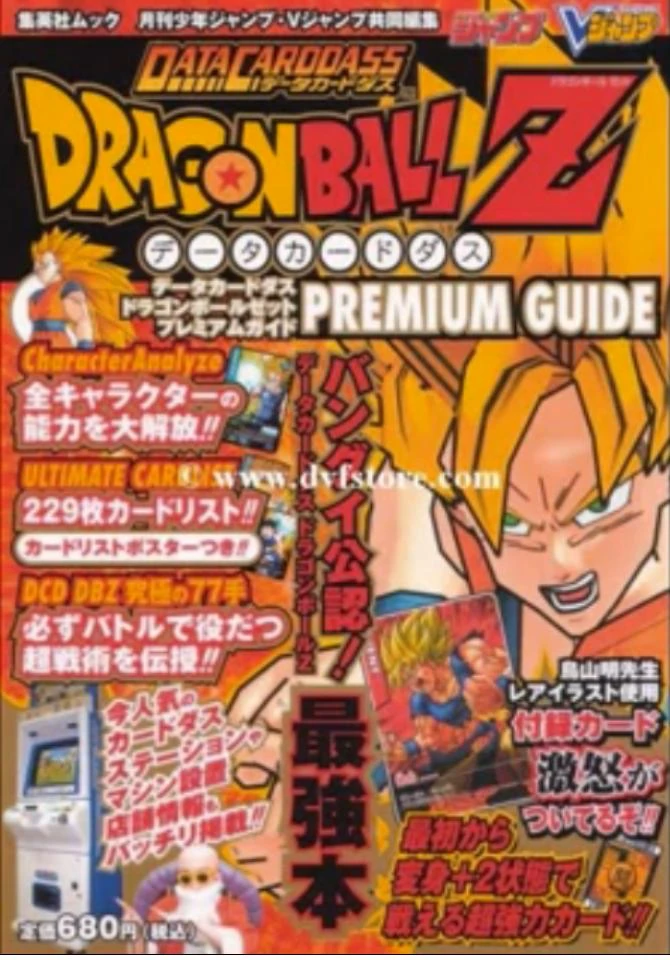
Data Carddass Dragon Ball Z
GameData Carddass Dragon Ball Z is an arcade card-based fighting game based on Dragon Ball Z, developed by Dimps and Pyramid, and released in 2005 only in Japan. This arcade game is based off Dragon Ball Z: Budokai 2. Its sequel is Data Carddass Dragon Ball Z 2.
Arcade Card System
Data Carddass Dragon Ball Z is an arcade card-based fighting game developed by Dimps and Pyramid, released in Japan in 2005. The game adapts the fighting mechanics of Dragon Ball Z: Budokai 2 for an arcade cabinet that accepts physical trading cards to determine characters and special moves. Players use cards purchased separately or at the arcade to build their lineups, creating a gameplay experience that blends competitive fighting with the collectible card hobby that had been central to Dragon Ball merchandise since the original Carddass series launched in 1991.
The card-arcade format was well-suited to Japan's arcade culture, where regular players could invest in and grow their collections over time. The game was developed by Dimps, the same studio responsible for the Budokai console series, ensuring that the arcade version maintained the mechanical quality fans associated with that franchise. Its sequel, Data Carddass Dragon Ball Z 2, followed in 2006, and the series later continued with Dragon Ball Z: Bakuretsu Impact.


Characters
Data Carddass Dragon Ball Z features an extensive roster covering nearly all the major characters from the Dragon Ball Z series. Goku appears across base, Super Saiyan, Super Saiyan 2, and Super Saiyan 3 forms, while Vegeta spans base, Super Saiyan, and Majin forms. Gohan is playable as a kid, teen, and adult across multiple powered states, including his Ultimate/Potential Unleashed form. Fusion characters Vegito and Gotenks are also included, as is the failed Gokule fusion. The villain roster is equally thorough, covering Frieza in Final Form, Cell in Perfect Form, and the full Buu family including Kid Buu, Majin Buu, Super Buu in base form, and Super Buu with Gotenks and Gohan absorbed.
Supporting cast members include Tien, Krillin, Yamcha, Piccolo, Android 16, Android 17, Android 18, Dabura, Dr. Gero, Nappa, Raditz, and Recoome, among others. Great Saiyaman and Mr. Satan are also playable, reflecting the game's intent to cover the full breadth of Dragon Ball Z rather than limiting itself to the most powerful fighters. The roster stands as one of the most complete Dragon Ball Z character sets of its era.


Historical Significance
Data Carddass Dragon Ball Z marks the moment the Carddass trading card tradition crossed directly into an interactive arcade fighting format. The original Dragon Ball Carddass series, running from 1991 through the Dragon Ball GT era, had established a massive collector base in Japan. The leap to a playable arcade game in 2005 brought that collecting culture into competitive gameplay for the first time, creating a format that would continue through several sequels and eventually inspire the Dragon Ball Heroes arcade card series launched in 2010.
The game's Japan-only release means it is largely unknown outside dedicated Dragon Ball gaming communities, but within that context it represents a meaningful bridge between two major strands of Dragon Ball fan culture: the merchandise collector tradition and the arcade fighting game tradition that Dimps had helped define with the Budokai series.
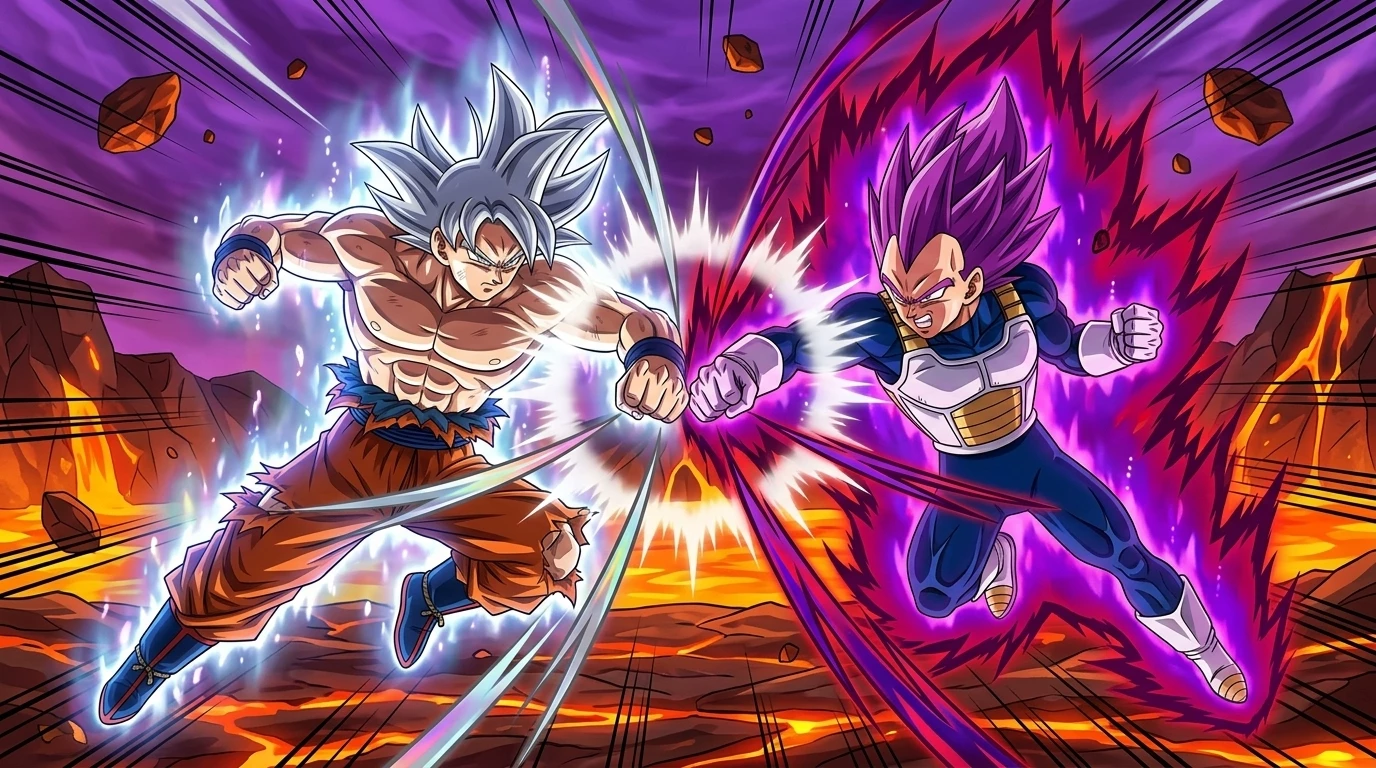
Sparking Zero May 26 Update Adds Demon World Stage and Reworks Transformation Healing
May 27, 2026Bandai Namco shipped a free Dragon Ball: Sparking Zero update on May 26, 2026 that introduces a new Demon World stage, overhauls transformation healing, and confirms the Daima Character Pack and Shallot DLC for release on June 27, 2026....
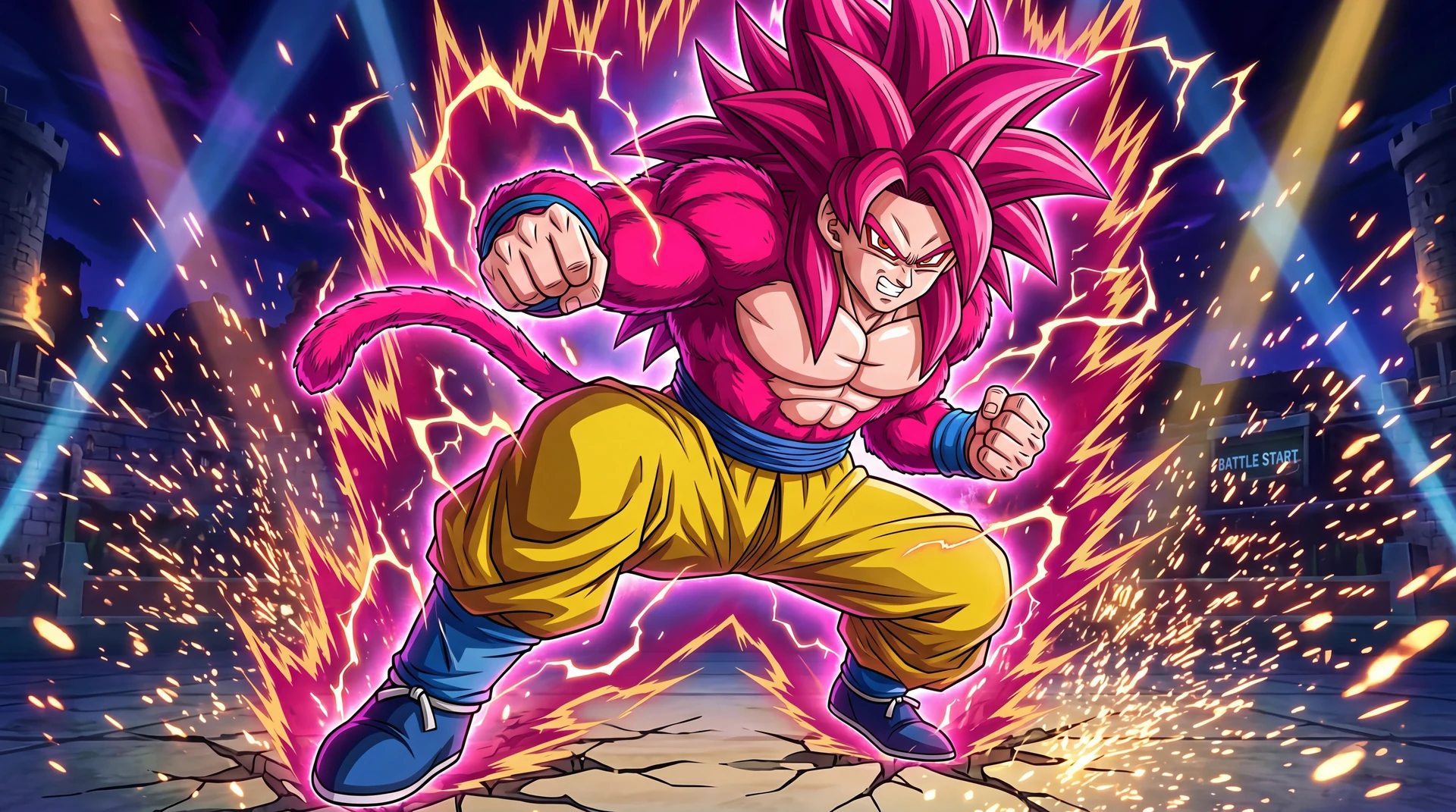
Dragon Ball FighterZ Adds Super Saiyan 4 Goku From Daima
May 25, 2026Dragon Ball FighterZ added Super Saiyan 4 Goku, the form featured in the Daima anime, as DLC on April 22, 2026. The 2018 fighting game is still getting new content nearly eight years on....

Dragon Ball Sparking Zero Super Limit-Breaking NEO DLC Adds 30 Plus Fighters for Summer 2026
Apr 20, 2026Bandai Namco and Spike Chunsoft unveiled the Super Limit-Breaking NEO expansion for Dragon Ball Sparking Zero at Battle Hour 2026. Summer 2026 release, 30 plus characters, four new stages, and a new solo mode....
Sources & Information
Looking for more on Data Carddass Dragon Ball Z? The Dragon Ball Wiki on Fandom has a dedicated page with community notes.
View on FandomThis content is original writing by Daddy Jim Headquarters based on the Dragon Ball anime series, manga, and official materials. Episode and chapter references are cited where applicable.
Character and scene imagery on this site is original artwork by Daddy Jim Headquarters, not screenshots or licensed imagery. Official cover art is used on three types of pages for editorial commentary:
- Movie pages: theatrical posters and key visuals, credited to Toei Animation and Shueisha.
- Game pages: official box art, credited to Bandai Namco, Atari, and other publishers.
- Manga chapter pages: Jump Comics volume covers, credited to Shueisha and Akira Toriyama.
Browse our episode guides:
Official resources:
Dragon Ball Music by Daddy Jim Headquarters
Come listen to some Dragon Ball R&B.
Help Us Keep This Wiki Accurate
Daddy Jim Headquarters maintains this encyclopedia across 13 languages. If you spot an error, a translation issue, or something that doesn't look right, let us know.