Dragon Ball Power Level Cards
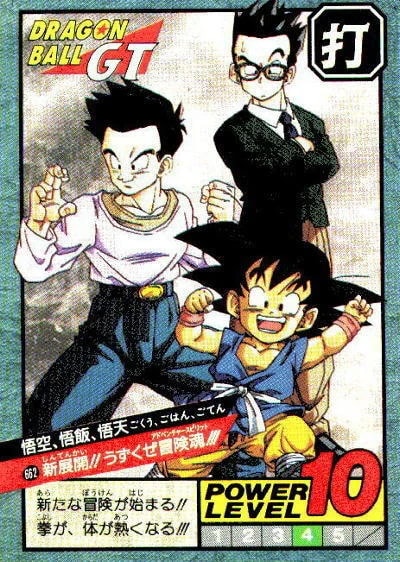
GameDragon Ball Power Level Cards are cards made by Bandai that started in 1993 in Japan. It consisted of twenty parts which had cards from Dragon Ball, Dragon Ball Z, and Dragon Ball GT. Cards had power levels that could go 1 to 12 and sometimes MAX. There were also jumbo cards released.
Cards & Gameplay
Dragon Ball Power Level Cards are a physical collectible card product manufactured by Bandai that launched in Japan in 1993. The series spans twenty parts and draws from all three Dragon Ball anime series: the original Dragon Ball, Dragon Ball Z, and Dragon Ball GT. Each card carries a power level value on a scale from 1 to 12, with select cards bearing a MAX designation for the most powerful fighters. Special jumbo-sized cards were produced alongside the standard card format, providing premium collectible variants for key characters and scenes from the franchise.
The cards function as traditional collectible cards rather than a game with structured play rules, positioning them as memorabilia items that capture character portraits, action poses, and iconic moments from the Dragon Ball series. Cards feature artwork drawn directly from the anime aesthetic, including depictions of signature moves such as the Kamehameha and the Wolf Fang Fist, expressive character moments like Emperor Pilaf's outbursts, and dramatic transformation scenes. The power level system printed on each card provides a conversation piece tied to the franchise's long tradition of measuring fighter strength through numerical values.
The full run of the Dragon Ball Power Level Cards series encompassed over 800 standard numbered cards across its twenty parts, with card numbers documented stretching from the single digits through the 800s and beyond. Prism cards represent a premium rarity tier within the product line, featuring holographic or foil treatments on high-profile character cards such as the prism Trunks card documented among the series' collectibles.



Series Scope & Notable Cards
The Dragon Ball Power Level Cards series covers the breadth of the franchise's cast across all three Dragon Ball anime series. Notable documented entries include an early Wolf Fang Fist card featuring Yamcha versus Goku, a Captain Ginyu pose card, a Vegeta ki wave card, a Frieza card depicting the villain with his bitten tail, and a Murasaki Brothers group card. Later in the series, a card depicting Goku alongside his sons Gohan and Goten in the GT timeline appears, along with a Bulma and Vegeta family portrait card and a Gohan card featuring the Z Sword.
The series covers both major and supporting characters across the Dragon Ball timeline, providing collectors with representations of heroes, villains, and secondary cast members at various stages of the story. The power level values printed on the cards are tied to narrative context from the anime, offering fans a reference point tied to the franchise's internal power scaling system that was a defining feature of the Dragon Ball Z broadcast era.
Legacy & Collector Status
The Dragon Ball Power Level Cards series holds a meaningful place in the franchise's merchandising history as one of the earliest dedicated Dragon Ball collectible card products produced by Bandai in Japan. Launching in 1993, the series predates the trading card game boom of the mid-1990s and represents the early wave of Dragon Ball merchandise that established Bandai's long relationship with the Dragon Ball brand in the collectibles market.
Physical copies of the cards remain sought after by collectors of vintage Dragon Ball memorabilia, with their value tied to condition, rarity tier, and card number. The series is distinct from the Dragon Ball Heroes card game ecosystem in that it was not designed for interactive play, instead serving purely as collectible art objects. As early Dragon Ball merchandise, Power Level Cards occupy a nostalgic place in the history of how the franchise was represented in physical product form during the height of Dragon Ball Z's original broadcast period.
Related Reading
See all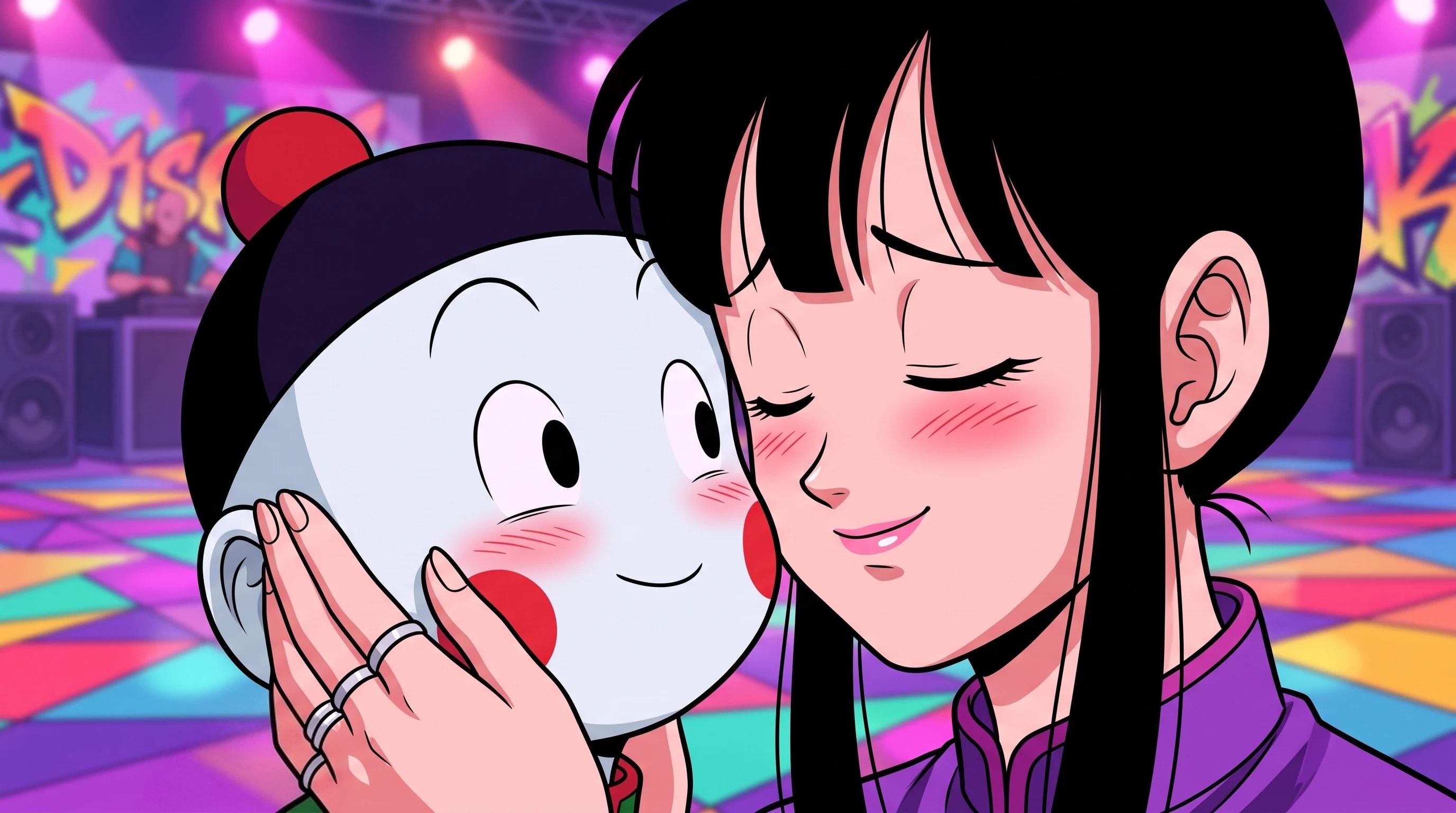
Chiaotzu is Chi-Chi's Boo: Why the Guy Who Never Wins Finally Wins
The least likely man in Dragon Ball just took the biggest win in our catalog. The story behind our R&B record about Chiaotzu, Chi-Chi, and a house Goku is never in....

Krillin's on the Tinder: How the Ultimate Short King Survived the Height Filter
Tinder built a height filter. Dragon Ball built a five foot legend. What happened when we sent the ultimate short king into the modern dating hellscape....
Frequently Asked Questions
What is Dragon Ball Power Level Cards?
Dragon Ball Power Level Cards are cards made by Bandai that started in 1993 in Japan. It consisted of twenty parts which had cards from Dragon Ball, Dragon Ball Z, and Dragon Ball GT. Cards had power levels that could go 1 to 12 and sometimes MAX.
What is Dragon Ball Power Level Cards about?
Dragon Ball Power Level Cards are a physical collectible card product manufactured by Bandai that launched in Japan in 1993. The series spans twenty parts and draws from all three Dragon Ball anime series: the original Dragon Ball, Dragon Ball Z, and Dragon Ball GT. Each card carries a power level value on a scale from 1 to 12, with select cards bearing a MAX designation for the most powerful fighters.
When was Dragon Ball Power Level Cards released?
Dragon Ball Power Level Cards was released in 1993. Dragon Ball Power Level Cards are cards made by Bandai that started in 1993 in Japan.
Which Dragon Ball era does Dragon Ball Power Level Cards tie into?
Dragon Ball Power Level Cards ties into the Dragon Ball era of the franchise. Dragon Ball Power Level Cards are cards made by Bandai that started in 1993 in Japan.
Which characters appear in Dragon Ball Power Level Cards?
The Dragon Ball Power Level Cards series covers the breadth of the franchise's cast across all three Dragon Ball anime series. Notable documented entries include an early Wolf Fang Fist card featuring Yamcha versus Goku, a Captain Ginyu pose card, a Vegeta ki wave card, a Frieza card depicting the villain with his bitten tail, and a Murasaki Brothers group card. Later in the series, a card depicting Goku alongside his sons Gohan and Goten in the GT timeline appears, along with a Bulma and Vegeta family portrait card and a Gohan card featuring the Z Sword.
Sources & Information
Looking for more on Dragon Ball Power Level Cards? The Dragon Ball Wiki on Fandom has a dedicated page with community notes.
View on FandomThis content is original writing by Daddy Jim Headquarters based on the Dragon Ball anime series, manga, and official materials. Episode and chapter references are cited where applicable.
Character and scene imagery on this site is original artwork by Daddy Jim Headquarters, not screenshots or licensed imagery. Official cover art is used on three types of pages for editorial commentary:
- Movie pages: theatrical posters and key visuals, credited to Toei Animation and Shueisha.
- Game pages: official box art, credited to Bandai Namco, Atari, and other publishers.
- Manga chapter pages: Jump Comics volume covers, credited to Shueisha and Akira Toriyama.
Browse our episode guides:
Official resources:
Help Us Keep This Wiki Accurate
Daddy Jim Headquarters maintains this encyclopedia. If you spot an error, a translation issue, or something that doesn't look right, let us know.