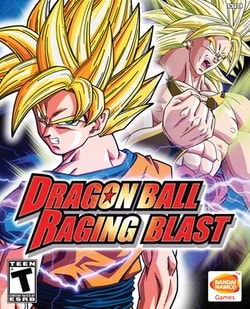
Dragon Ball: Raging Blast
GameDragon Ball: Raging Blast is a 2009 video game released for the and the consoles developed by Spike and published by Bandai Namco.
Gameplay & Features
Dragon Ball: Raging Blast is a 3D arena fighting game developed by Spike and published by Bandai Namco for PlayStation 3 and Xbox 360, released in 2009. The game delivers high-definition visuals running at 60 frames per second both online and offline, fully destructible environments, and character models with detailed facial expressions and progressive battle damage including clothing tears and bruises as health depletes. Battlefields are substantially larger than those in the preceding Budokai Tenkaichi series, with ten available stages offering wide open spaces suited to aerial and ground combat. A "sky change" environmental effect triggers when a character of great power increases their ki, visually reflecting the shift in energy on the battlefield.
A key mechanical addition to the series is "Super Rising," which allows players to rapidly fly upward during battle to reposition or escape ground pressure. The combat system also features "The Cancel," a mechanic that allows players to interrupt attack animations and transition into melee strikes or Super and Ultimate Attacks, with each character possessing their own unique cancel options that are not documented in-game and must be discovered through experimentation. New combination moves allow two characters to launch coordinated special attacks together. Environmental interaction expands beyond simple destructibility: rocks, mountains, and the ground itself can shatter or split, and players can throw opponents into terrain features to trap and immobilize them temporarily.
Dragon Ball: Raging Blast offers an online mode featuring a 16-player Budokai Tournament format alongside standard single and team versus modes and a spectator function where viewers can rate ongoing fights. The story mode is called Dragon Battle Collection and covers the Dragon Ball Z timeline from the Saiyan Saga through the Kid Buu Saga, presenting over 100 Battle Frames in any order. Performance in each Battle Frame is rated based on optional objectives such as avoiding Super Attacks, with high scores unlocking additional content including costumes, music, and bonus story scenarios. The "what-if" Battle Frames and special ending serve as rewards for completionist play.


Story Mode & Content
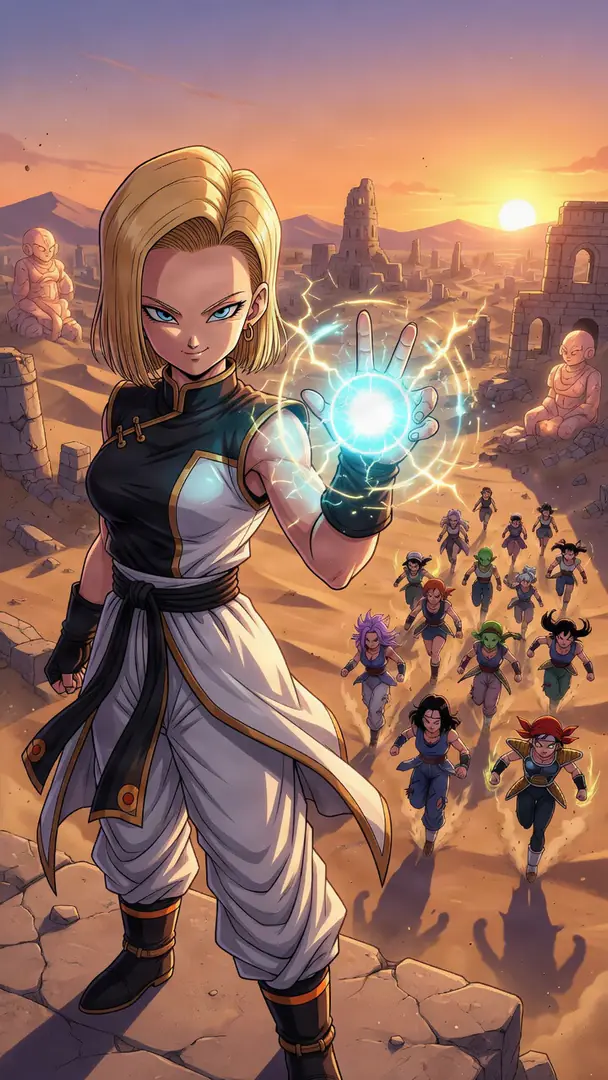
The Dragon Battle Collection story mode in Dragon Ball: Raging Blast presents more than 100 selectable Battle Frames drawn from the Dragon Ball Z storyline, each representing a key fight or moment from the Saiyan Saga through the Kid Buu Saga. Each Battle Frame includes an optional challenge condition that rewards high performance with unlockable content, allowing players to engage with the mode at multiple levels of depth. Bonus "what-if" Battle Frames present scenarios that never occurred in the series, such as alternate match outcomes or encounters between characters who never fought in the canon storyline. Completing all Battle Frames unlocks a special ending specific to the Dragon Battle Collection.
The game launched with free downloadable content packs released in waves through April 2010, expanding the available roster and content beyond the base package. A demo featuring Goku, Piccolo, and Raditz was available on Xbox Live and PlayStation Network prior to launch, giving players their first hands-on experience with the new control features and expanded arenas before the game's release.
Development & Release
Dragon Ball: Raging Blast was first revealed in Bandai Namco's 2009 fiscal report before receiving a full announcement in the May 2009 issue of V-Jump magazine. The game holds the distinction of being among the first Dragon Ball titles published by Bandai Namco in North America following the company's acquisition of the Dragon Ball gaming license from Atari in July 2009. This transition marked a new publishing era for Dragon Ball games in the Western market, with Bandai Namco taking direct control of a franchise they had long published in Japan.
A Limited Edition version of the game was released exclusively in Europe and Australia, offering additional packaged content for that regional market. Dragon Ball: Raging Blast was the second Dragon Ball game on seventh-generation high-definition consoles and the third Dragon Ball title released on Xbox hardware. Its sequel, Dragon Ball: Raging Blast 2, arrived in 2010 with an expanded roster, new mechanics, and the bundled Plan to Eradicate the Super Saiyans OVA.
Related Reading
See all
Chiaotzu is Chi-Chi's Boo: Why the Guy Who Never Wins Finally Wins
The least likely man in Dragon Ball just took the biggest win in our catalog. The story behind our R&B record about Chiaotzu, Chi-Chi, and a house Goku is never in....
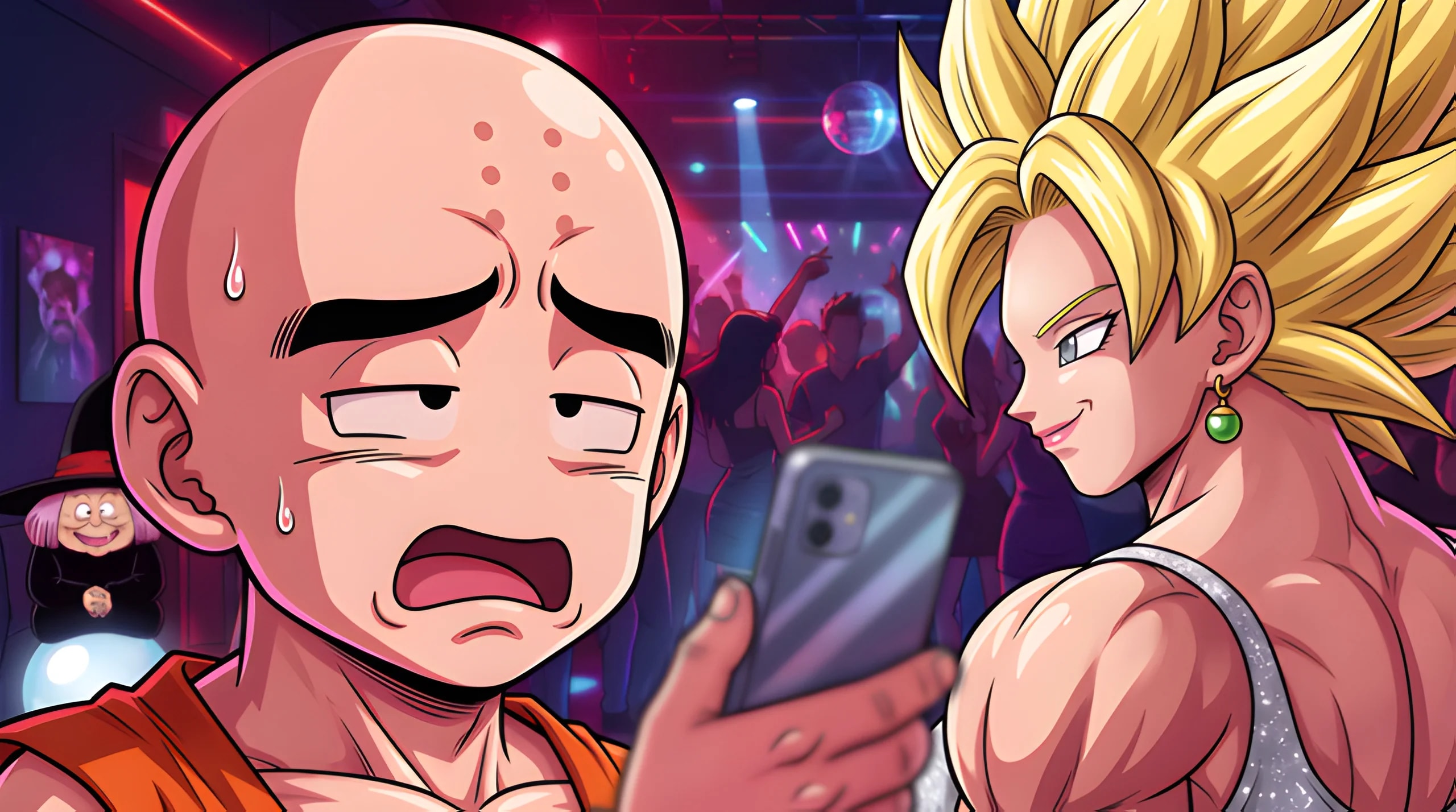
Krillin's on the Tinder: How the Ultimate Short King Survived the Height Filter
Tinder built a height filter. Dragon Ball built a five foot legend. What happened when we sent the ultimate short king into the modern dating hellscape....
Frequently Asked Questions
What is Dragon Ball: Raging Blast?
Dragon Ball: Raging Blast is a 2009 video game released for the and the consoles developed by Spike and published by Bandai Namco. Dragon Ball: Raging Blast is a 3D arena fighting game developed by Spike and published by Bandai Namco for PlayStation 3 and Xbox 360, released in 2009.
Which characters appear in Dragon Ball: Raging Blast?
The Dragon Battle Collection story mode in Dragon Ball: Raging Blast presents more than 100 selectable Battle Frames drawn from the Dragon Ball Z storyline, each representing a key fight or moment from the Saiyan Saga through the Kid Buu Saga. Each Battle Frame includes an optional challenge condition that rewards high performance with unlockable content, allowing players to engage with the mode at multiple levels of depth. Bonus "what-if" Battle Frames present scenarios that never occurred in the series, such as alternate match outcomes or encounters between characters who never fought in the canon storyline.
What is Dragon Ball: Raging Blast about?
Dragon Ball: Raging Blast is a 3D arena fighting game developed by Spike and published by Bandai Namco for PlayStation 3 and Xbox 360, released in 2009. The game delivers high-definition visuals running at 60 frames per second both online and offline, fully destructible environments, and character models with detailed facial expressions and progressive battle damage including clothing tears and bruises as health depletes. Battlefields are substantially larger than those in the preceding Budokai Tenkaichi series, with ten available stages offering wide open spaces suited to aerial and ground combat.
When was Dragon Ball: Raging Blast released?
Dragon Ball: Raging Blast was released in 2009. It was developed by Spike and published by Bandai Namco.
Who developed Dragon Ball: Raging Blast?
Dragon Ball: Raging Blast was developed by Spike. The game was published by Bandai Namco in 2009.
Sources & Information
Looking for more on Dragon Ball: Raging Blast? The Dragon Ball Wiki on Fandom has a dedicated page with community notes.
View on FandomThis content is original writing by Daddy Jim Headquarters based on the Dragon Ball anime series, manga, and official materials. Episode and chapter references are cited where applicable.
Character and scene imagery on this site is original artwork by Daddy Jim Headquarters, not screenshots or licensed imagery. Official cover art is used on three types of pages for editorial commentary:
- Movie pages: theatrical posters and key visuals, credited to Toei Animation and Shueisha.
- Game pages: official box art, credited to Bandai Namco, Atari, and other publishers.
- Manga chapter pages: Jump Comics volume covers, credited to Shueisha and Akira Toriyama.
Browse our episode guides:
Official resources:
Help Us Keep This Wiki Accurate
Daddy Jim Headquarters maintains this encyclopedia. If you spot an error, a translation issue, or something that doesn't look right, let us know.