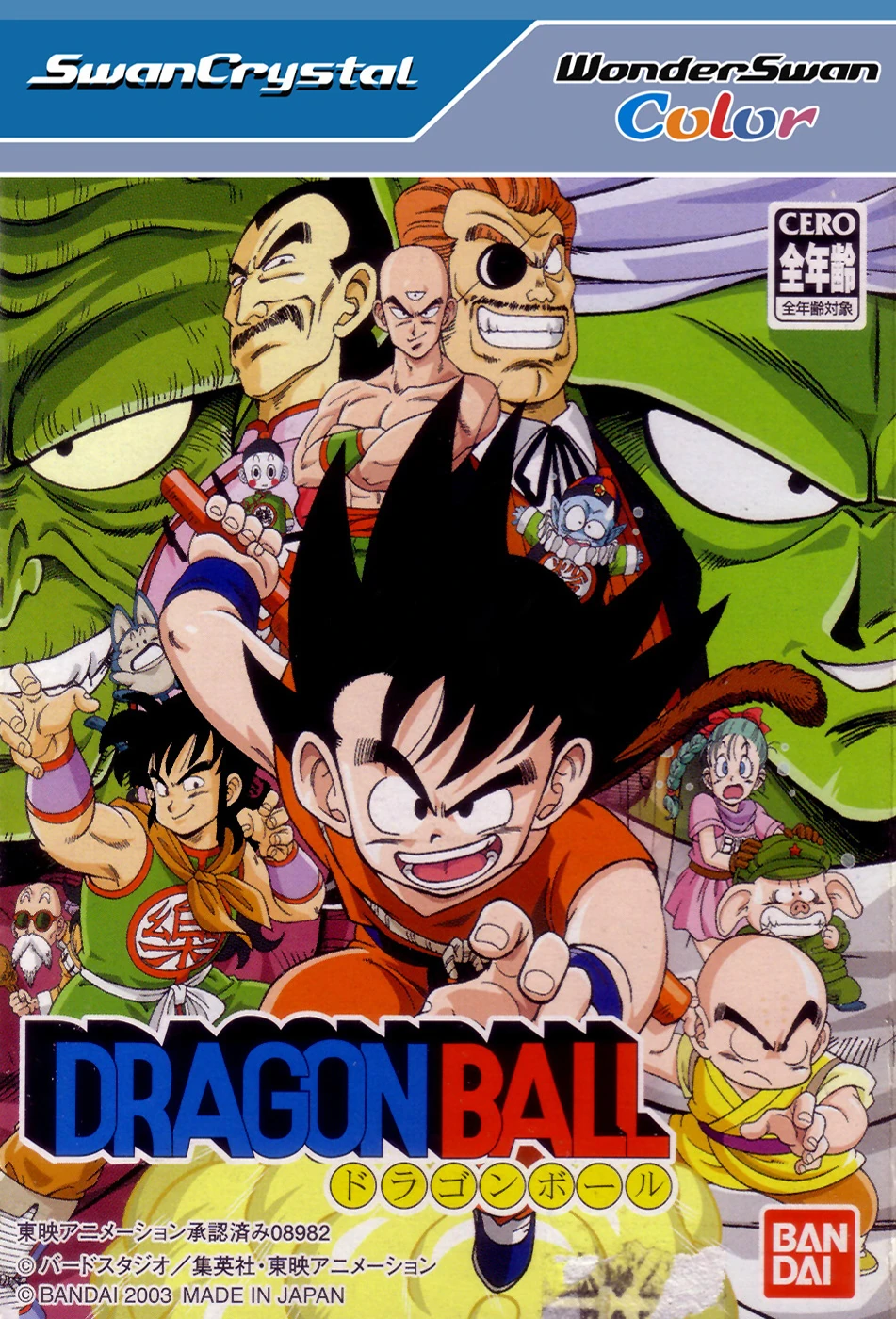
RPG Gameplay & Combat Structure
Dragon Ball for the WonderSwan Color is a role-playing video game released exclusively in Japan in November 2003, developed as a remake of the 1989 Famicom title Dragon Ball 3: Gokuden with substantially improved graphics and sound quality suited to the WonderSwan Color hardware. The game retains the RPG structure of its predecessor, presenting Goku's journey through an overhead map view from which players navigate to towns, training locations, and story events. Combat takes place in a separate battle screen where Goku and his party face off against enemies drawn from the original Dragon Ball canon, using a menu-driven attack and ability system consistent with the turn-based RPG conventions of the era.
The narrative scope of the remake covers all of Dragon Ball up to and including the fight against Piccolo Junior at the 23rd World Martial Arts Tournament, representing the full original series before it transitioned into Dragon Ball Z. Playable party members alongside Goku include Krillin and Yamcha, both of whom receive a significant upgrade in this version compared to the original Famicom game: they are capable of defeating Bandages the Mummy in combat, an accomplishment that was impossible in the 1989 version due to mechanical limitations. This adjustment addresses a well-known quirk of the original game and brings the remake into closer alignment with the canon portrayal of those characters' abilities.
The enemy roster and boss encounters follow the Dragon Ball storyline faithfully, with named adversaries from each story arc appearing as the climactic challenges of their respective sections. The improved audio presentation, made possible by the WonderSwan Color's superior sound hardware compared to the original Famicom, enhances the atmosphere of both exploration and battle sequences throughout the game.


Story Coverage & Character Roster
The WonderSwan Color Dragon Ball game adapts the complete original series from Goku's first meeting with Bulma on Mount Paozu through the 23rd World Martial Arts Tournament and the defeat of Piccolo Junior. This span encompasses all major story arcs of the original Dragon Ball anime and manga, including the Emperor Pilaf Saga, the Tournament Saga, the Red Ribbon Army Saga, the Fortuneteller Baba Saga, the Tien Shinhan Saga, the King Piccolo Saga, and the Piccolo Jr. Saga. The story visits Aru Village immediately after Goku departs with Bulma, a slight narrative adjustment from the original Famicom version's map progression noted by players familiar with both releases.
The non-playable character roster that populates the game's world and cutscenes is extensive, including Bulma, Oolong, Turtle, Master Roshi, Puar, Ox-King, Chi-Chi, Bear Thief, Monster Carrot, Dr. Brief, Bikini, Emperor Pilaf, Mai, Shu, Launch, Giran, Jackie Chun, Suno, Android 8, General White, General Blue, Mercenary Tao, Bora, Upa, Korin, Krillin, Yamcha, Tien Shinhan, Chiaotzu, Master Shen, Yajirobe, Piccolo, King Piccolo, and many additional supporting figures. This breadth ensures that the remake functions as a faithful interactive retelling of the original series rather than an abridged highlight version.


Platform & Remake Legacy
The WonderSwan Color was a handheld gaming device produced by Bandai for the Japanese market, never receiving an international release. Its Dragon Ball title therefore represents a Japan-exclusive remake that improved upon a classic but remained invisible to international audiences. Released in November 2003, the game arrived late in the WonderSwan Color's commercial life, as the platform was soon to be discontinued in favor of more powerful hardware. Despite this limited window, the remake provided Japanese Dragon Ball fans with an enhanced version of a beloved classic RPG at a time when the franchise was still actively supported by Bandai across multiple hardware platforms.
The decision to remake Dragon Ball 3: Gokuden rather than create an original title speaks to the enduring reputation of the 1989 original as a high-quality RPG adaptation of the series. The mechanical improvements, including the corrected character abilities for Krillin and Yamcha, suggest a development team attentive to the specific quirks that longtime fans of the Famicom version were aware of. As a piece of Dragon Ball gaming history, the WonderSwan Color release stands as both a platform capstone and a respectful renovation of one of the franchise's most fondly remembered early RPGs.
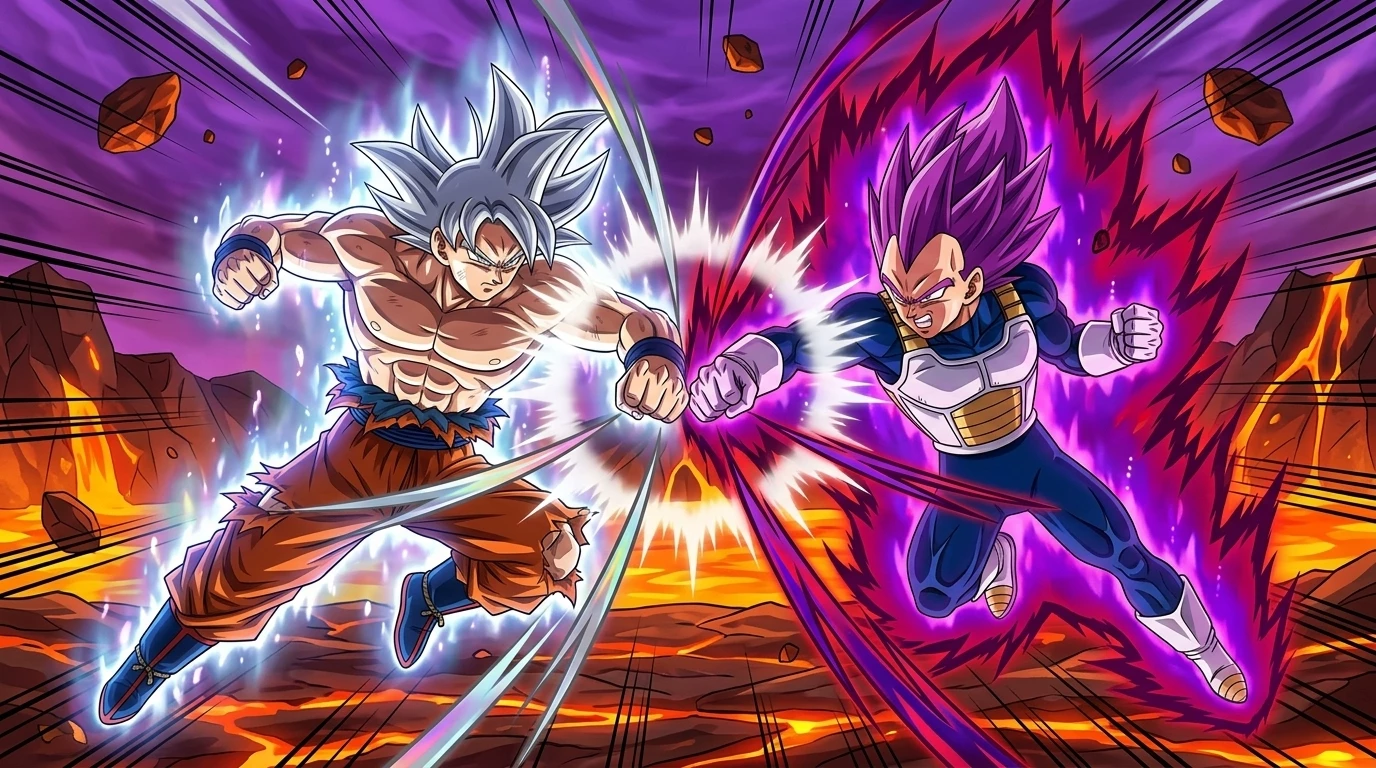
Sparking Zero May 26 Update Adds Demon World Stage and Reworks Transformation Healing
May 27, 2026Bandai Namco shipped a free Dragon Ball: Sparking Zero update on May 26, 2026 that introduces a new Demon World stage, overhauls transformation healing, and confirms the Daima Character Pack and Shallot DLC for release on June 27, 2026....
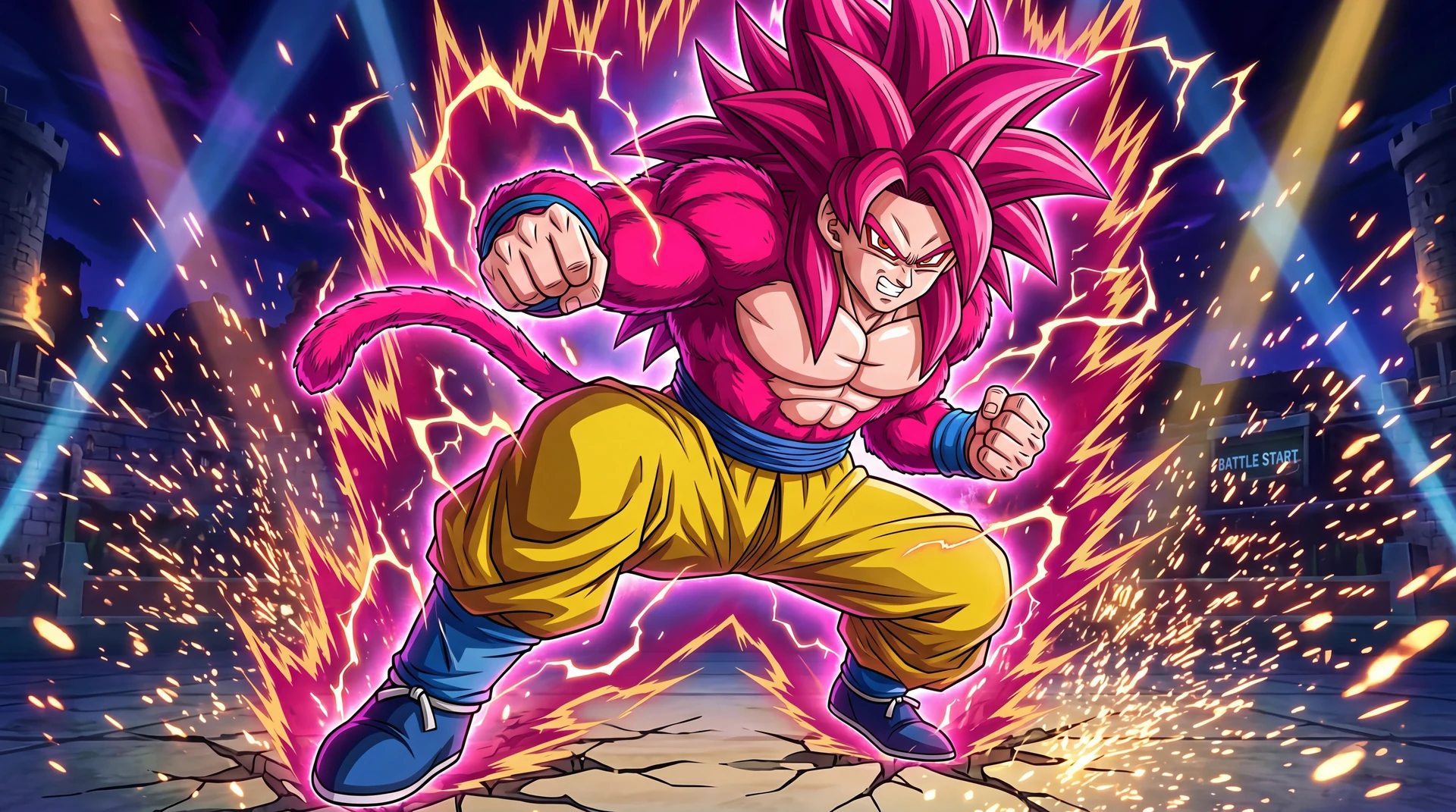
Dragon Ball FighterZ Adds Super Saiyan 4 Goku From Daima
May 25, 2026Dragon Ball FighterZ added Super Saiyan 4 Goku, the form featured in the Daima anime, as DLC on April 22, 2026. The 2018 fighting game is still getting new content nearly eight years on....
Dragon Ball Sparking Zero Super Limit-Breaking NEO DLC Adds 30 Plus Fighters for Summer 2026
Apr 20, 2026Bandai Namco and Spike Chunsoft unveiled the Super Limit-Breaking NEO expansion for Dragon Ball Sparking Zero at Battle Hour 2026. Summer 2026 release, 30 plus characters, four new stages, and a new solo mode....
Sources & Information
Looking for more on Dragon Ball (WonderSwan Color)? The Dragon Ball Wiki on Fandom has a dedicated page with community notes.
View on FandomThis content is original writing by Daddy Jim Headquarters based on the Dragon Ball anime series, manga, and official materials. Episode and chapter references are cited where applicable.
Character and scene imagery on this site is original artwork by Daddy Jim Headquarters, not screenshots or licensed imagery. Official cover art is used on three types of pages for editorial commentary:
- Movie pages: theatrical posters and key visuals, credited to Toei Animation and Shueisha.
- Game pages: official box art, credited to Bandai Namco, Atari, and other publishers.
- Manga chapter pages: Jump Comics volume covers, credited to Shueisha and Akira Toriyama.
Browse our episode guides:
Official resources:
Dragon Ball Music by Daddy Jim Headquarters
Come listen to some Dragon Ball R&B.
Help Us Keep This Wiki Accurate
Daddy Jim Headquarters maintains this encyclopedia across 13 languages. If you spot an error, a translation issue, or something that doesn't look right, let us know.