Dragon Ball Z: Battle Taikan Kamehameha 2 - Ossu Omee Gokū Tenkaichi Budōkai
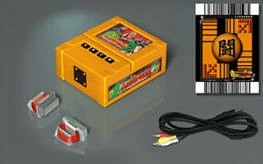
GameDragon Ball Z: Battle Taikan Kamehameha 2 - Ossu Omee Gokū Tenkaichi Budōkai is a Let's! TV Play video game based on Dragon Ball Z. It was released in Japan in 2007.
Gameplay
Dragon Ball Z: Battle Taikan Kamehameha 2 - Ossu Omee Goku Tenkaichi Budokai is a Let's! TV Play motion-controlled game by Bandai, released in Japan in 2007. Like its predecessor, it connects directly to a television via standard audio-video cables and uses the Dragon Band, a pair of wireless devices worn on the fingers, to translate the player's physical movements into in-game actions. Players throw punches, fire ki blasts, block incoming attacks, and perform signature techniques such as the Kamehameha by making the appropriate hand motions in front of the screen.
The sequel expands on the first game by adding more mini-games and increasing the playable character roster. New additions include Raditz and Guldo, broadening the range of fighters available beyond the lineup established in the original title. A significant new feature allows the player to select a computer-controlled partner to assist during battles and missions, with partner options drawn from the Z Fighters and supporting characters including Krillin, Yamcha, Tien Shinhan, Chiaotzu, Future Trunks, Supreme Kai, Mr. Satan, and Kid Buu.
The partner system changes the flow of combat by providing a secondary combatant whose actions complement the player's own gestures. The inclusion of data input via a card reading mechanism continues a feature present in the series, allowing additional content or character data to be loaded into the game through compatible cards. The result is a more varied and socially engaging experience than the first entry while retaining the distinctive physical control scheme that defines the line.


Story and Structure
Battle Taikan Kamehameha 2 follows the same narrative arc established by the original game, placing the player inside the most iconic battles of the Dragon Ball Z television series and extending the action through Dragon Ball GT. The game is structured as a series of combat encounters that progress from the Saiyan invasion through the Android and Cell arcs to the Majin Buu conflict and the Shadow Dragon saga, allowing players to physically perform the techniques used by their chosen fighter at each major turning point.
The mini-game additions in this sequel introduce variety beyond the core battle structure, breaking up the action with challenges that test different aspects of the motion control system. The emphasis on recreating televised battle moments means the game functions as both an interactive experience and a tour through the Dragon Ball Z timeline, giving it appeal for fans who want a physically immersive way to engage with the franchise's defining confrontations.
As the second installment in the Battle Taikan series, the game was followed by Dragon Ball Z: Scouter Battle Taikan Kamehameha, which added a replica scouter peripheral. A crossover entry, Dragon Ball Z x One Piece: Battle Taikan Gomu Gomu no Kamehameha, later brought characters and villains from both franchises into the same motion-control format.

Legacy
The Battle Taikan Kamehameha series represents an unusual branch of the Dragon Ball gaming lineage, aimed squarely at a casual audience that prioritized physical engagement over mechanical depth. The motion-control premise made the games approachable for younger players and fans who had little experience with traditional video game controls, and the Dragon Band peripheral gave the experience a tangible novelty that distinguished it from contemporary console releases.
Battle Taikan Kamehameha 2 strengthened the series by addressing the limited roster and mini-game selection that constrained the first entry. Its Japan-only release kept it from reaching the broader international Dragon Ball audience, but within its domestic market it contributed to a period when the franchise explored a wide variety of hardware-driven gameplay concepts. The series as a whole stands as a record of the Dragon Ball brand's willingness to experiment with peripheral-based design during the mid-2000s.
Sparking Zero May 26 Update Adds Demon World Stage and Reworks Transformation Healing
May 27, 2026Bandai Namco shipped a free Dragon Ball: Sparking Zero update on May 26, 2026 that introduces a new Demon World stage, overhauls transformation healing, and confirms the Daima Character Pack and Shallot DLC for release on June 27, 2026....
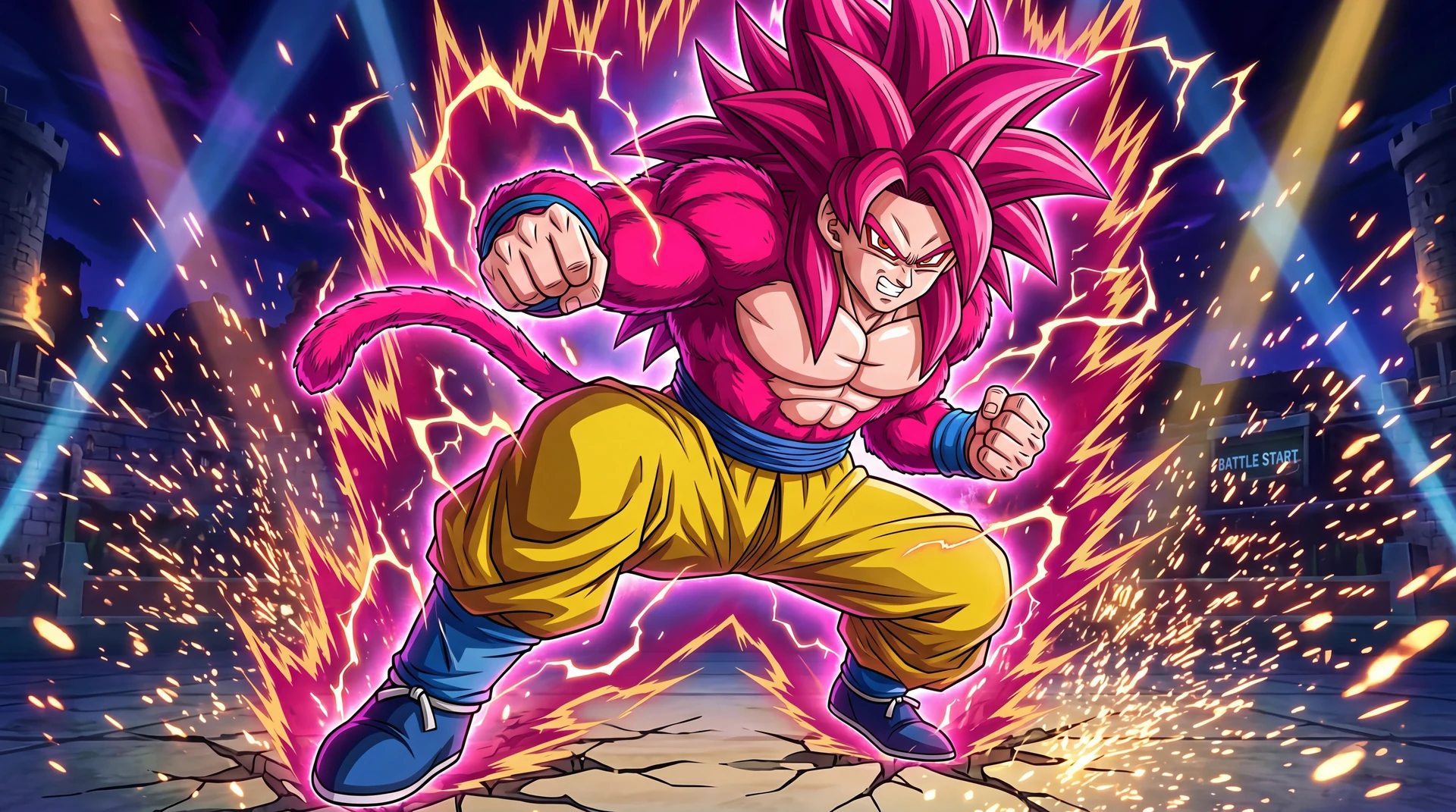
Dragon Ball FighterZ Adds Super Saiyan 4 Goku From Daima
May 25, 2026Dragon Ball FighterZ added Super Saiyan 4 Goku, the form featured in the Daima anime, as DLC on April 22, 2026. The 2018 fighting game is still getting new content nearly eight years on....
Dragon Ball Sparking Zero Super Limit-Breaking NEO DLC Adds 30 Plus Fighters for Summer 2026
Apr 20, 2026Bandai Namco and Spike Chunsoft unveiled the Super Limit-Breaking NEO expansion for Dragon Ball Sparking Zero at Battle Hour 2026. Summer 2026 release, 30 plus characters, four new stages, and a new solo mode....
Sources & Information
Looking for more on Dragon Ball Z: Battle Taikan Kamehameha 2 - Ossu Omee Gokū Tenkaichi Budōkai? The Dragon Ball Wiki on Fandom has a dedicated page with community notes.
View on FandomThis content is original writing by Daddy Jim Headquarters based on the Dragon Ball anime series, manga, and official materials. Episode and chapter references are cited where applicable.
Character and scene imagery on this site is original artwork by Daddy Jim Headquarters, not screenshots or licensed imagery. Official cover art is used on three types of pages for editorial commentary:
- Movie pages: theatrical posters and key visuals, credited to Toei Animation and Shueisha.
- Game pages: official box art, credited to Bandai Namco, Atari, and other publishers.
- Manga chapter pages: Jump Comics volume covers, credited to Shueisha and Akira Toriyama.
Browse our episode guides:
Official resources:
Dragon Ball Music by Daddy Jim Headquarters
Come listen to some Dragon Ball R&B.
Help Us Keep This Wiki Accurate
Daddy Jim Headquarters maintains this encyclopedia across 13 languages. If you spot an error, a translation issue, or something that doesn't look right, let us know.