
Dragon Ball Z: Budokai Tenkaichi 2
GameDragon Ball Z: Budokai Tenkaichi 2, known as Dragon Ball Z: Sparking! NEO NEO|Doragon Bōru Zetto Supākingu! Neo}} in Japan, is a fighting game released on the PlayStation 2 and on the Wii. It is the sequel to Dragon Ball Z: Budokai Tenkaichi.
Gameplay
Dragon Ball Z: Budokai Tenkaichi 2 is a fighting game developed by Spike for PlayStation 2 and Wii. The game uses a behind-the-back camera perspective that places players in a wide, three-dimensional arena and emphasizes aerial mobility alongside ground combat. Battles can involve up to ten characters at once, with teammates entering the fight sequentially after the previous fighter is knocked out or switched. Players may swap to another team member at any point during a battle in Free Battle mode, giving tactical flexibility to multi-character encounters.
In-battle transformations are available via R3 combined with a directional input, and players can also select transformed states from the start of a fight. Fusions are performed using L2 with a compatible tag partner present, requiring specific character pairings; for example, base Goku and Vegeta combine to form Vegito. Fused characters can further transform using a combined input, and unlike the Budokai series, fusion forms do not expire due to Ki drain or a timer. The Dueling Mode's Battle Settings option allows players to adjust fight duration, CPU difficulty, and in-game transformation availability before each match.
The Wii version introduces motion controls via the Remote and Nunchuk, letting players mimic attacks from the series physically. Players can replicate the Kamehameha stance or the Galick Gun motion to trigger those techniques. Classic Controller and GameCube controller options are also supported. The Dragon Adventure story mode extends the scope of the game substantially, covering Dragon Ball Z and Dragon Ball GT alongside ten film narratives and two TV specials. The Japanese and PAL Wii versions contain an extra space stage and nine game modes, two more than the standard release.

Story and Modes
Dragon Adventure serves as the main single-player mode, functioning similarly to the Dragon Universe mode of Budokai 3. The player navigates a character across Earth and Namek hunting for Dragon Balls, skill capsules, and opponents, and the outcome of battles shifts the direction of the story. Coverage spans the full Dragon Ball Z television series and Dragon Ball GT, plus the films The Tree of Might, Lord Slug, Cooler's Revenge, The Return of Cooler, Super Android 13!, Broly: The Legendary Super Saiyan, Bojack Unbound, Broly: Second Coming, Fusion Reborn, and Wrath of the Dragon. The TV specials Bardock: The Father of Goku and The History of Trunks are also included as navigable story content.
Ultimate Battle Z presents a pillar-based progression system drawn from a structure similar to Mortal Kombat's tower format. Each pillar carries a specific theme and condition, and completing a pillar earns the player a score, items, and access to further pillars. Dragon Tournament functions like the World Tournament mode found in the Budokai series, with three standard difficulty tiers and a Cell Games variant hosted by Perfect Cell. Ring-out is possible because characters can fly, though contact with the ground outside the arena still triggers a ring-out call. Prize for winning a World Tournament is a Z-item rather than currency.
The customizer system allows players to modify characters by applying Z-items that alter their combat attributes. The game features 129 playable characters in standard versions and 135 in the Japanese and PAL Wii releases, with all characters from the first Budokai Tenkaichi carried forward. Most versions include 16 large arenas, while the expanded versions provide 17 including a new space stage.
Related Reading
See all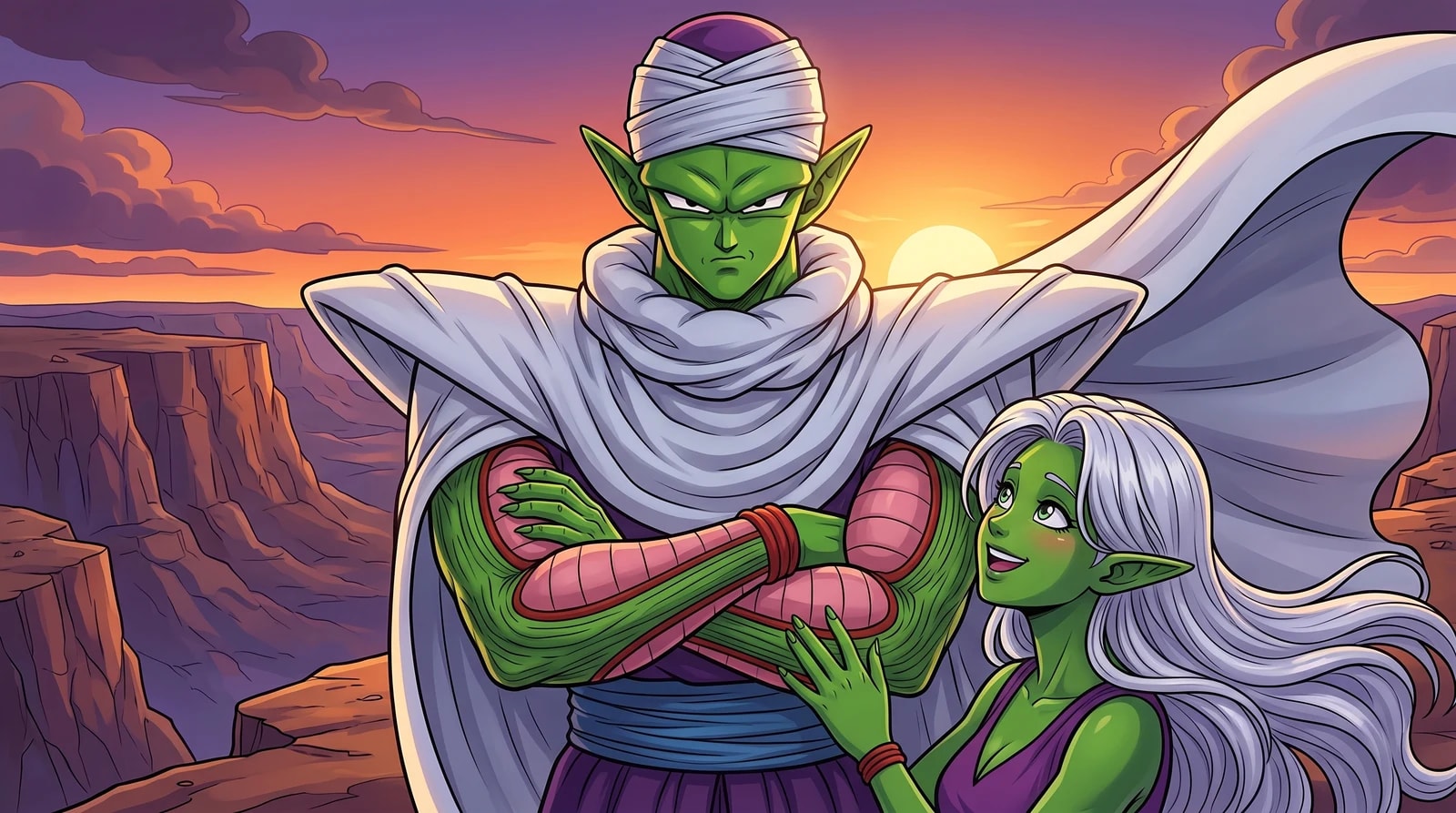
Namek Has No Women, and Piccolo Pulls Anyway
There are no women on Namek. That isn't an oversight, it's the biology. Why we handed Piccolo the one thing his own species rules out, and why it had to be trap soul....
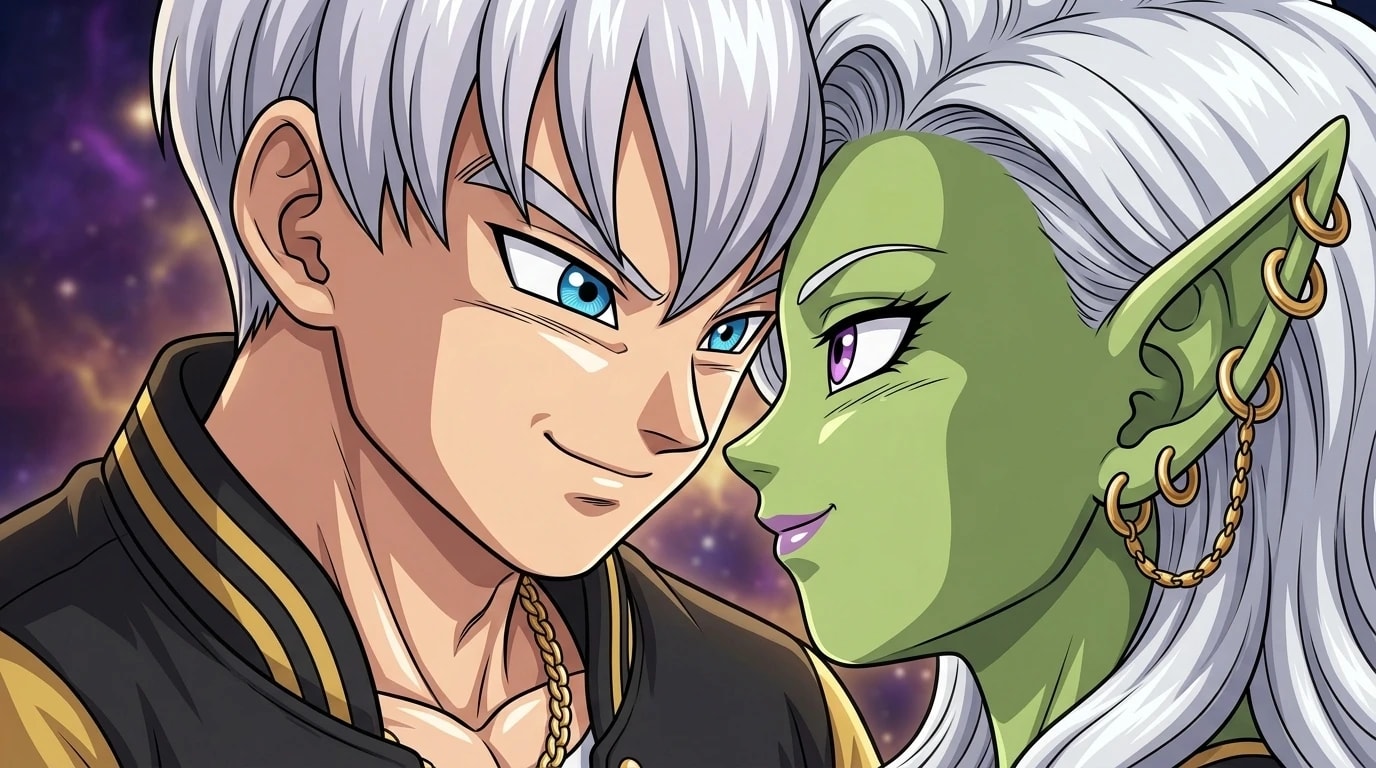
1000 Times Over: Who Is John Dragon Ball Singing To?
Dragon Ball handed us a protagonist with no history and the internet named him John Dragon Ball. So we built him somebody to talk to....
Reception and Legacy
Budokai Tenkaichi 2 built substantially on the foundation of its predecessor and was well received for expanding the roster, adding Wii motion controls, and broadening story coverage to encompass films and TV specials alongside the main series. The motion control implementation on Wii was seen as a natural fit for a franchise built on dramatic physical techniques, and the ability to perform the Kamehameha gesture with a physical hand motion drew positive attention from critics and fans.
The game strengthened the Budokai Tenkaichi line as a distinct brand from the original Budokai series, reinforcing the behind-the-back camera style and large character roster as the defining traits of the sub-series. Its sequel, Budokai Tenkaichi 3, would push the roster to 162 characters, but Tenkaichi 2 established the breadth of franchise coverage, from original Dragon Ball through GT and the film catalog, that the third game would carry to its apex.
Frequently Asked Questions
What is Dragon Ball Z: Budokai Tenkaichi 2?
Dragon Ball Z: Budokai Tenkaichi 2, known as Dragon Ball Z: Sparking! NEO NEO! Neo in Japan, is a fighting game released on the PlayStation 2 and on the Wii.
When was Dragon Ball Z: Budokai Tenkaichi 2 released?
Dragon Ball Z: Budokai Tenkaichi 2 was released in 2006. It was developed by Spike and published by Bandai Namco / Atari.
What is Dragon Ball Z: Budokai Tenkaichi 2 about?
Dragon Ball Z: Budokai Tenkaichi 2 is a fighting game developed by Spike for PlayStation 2 and Wii. The game uses a behind-the-back camera perspective that places players in a wide, three-dimensional arena and emphasizes aerial mobility alongside ground combat. Battles can involve up to ten characters at once, with teammates entering the fight sequentially after the previous fighter is knocked out or switched.
Who developed Dragon Ball Z: Budokai Tenkaichi 2?
Dragon Ball Z: Budokai Tenkaichi 2 was developed by Spike. The game was published by Bandai Namco / Atari in 2006.
Who published Dragon Ball Z: Budokai Tenkaichi 2?
Dragon Ball Z: Budokai Tenkaichi 2 was published by Bandai Namco / Atari. The game was developed by Spike and released in 2006.
Sources & Information
Looking for more on Dragon Ball Z: Budokai Tenkaichi 2? The Dragon Ball Wiki on Fandom has a dedicated page with community notes.
View on FandomThis content is original writing by Daddy Jim Headquarters based on the Dragon Ball anime series, manga, and official materials. Episode and chapter references are cited where applicable.
Rights holders
- Created byAkira Toriyama
- Published byShueisha
- Animated byToei Animation
All rights belong to their respective owners.
Character and scene imagery on this site is original artwork by Daddy Jim Headquarters, not screenshots or licensed imagery. Official cover art is used on three types of pages for editorial commentary:
- Movie pages: theatrical posters and key visuals, credited to Toei Animation and Shueisha.
- Game pages: official box art, credited to Bandai Namco, Atari, and other publishers.
- Manga chapter pages: Jump Comics volume covers, credited to Shueisha and Akira Toriyama.
Browse our episode guides:
Official resources:
Help Us Keep This Wiki Accurate
Daddy Jim Headquarters maintains this encyclopedia. If you spot an error, a translation issue, or something that doesn't look right, let us know.
