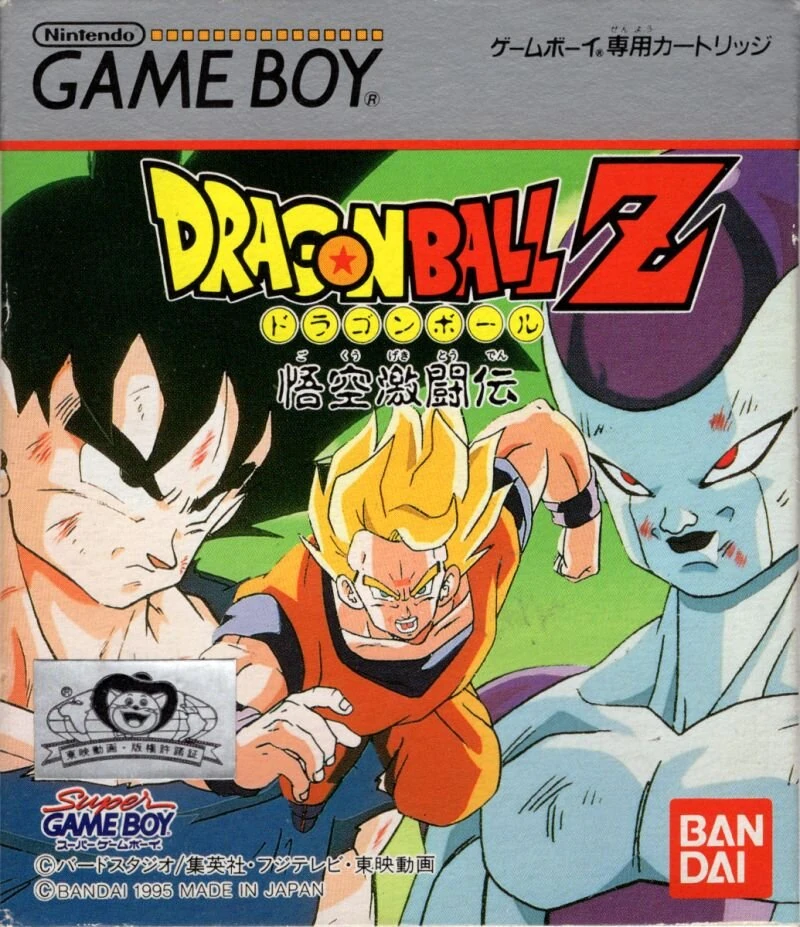
Dragon Ball Z: Goku Gekitōden
GameDragon Ball Z: Goku Gekitōden空激闘伝|Doragon Bōru Zetto Gokū Gekitōden|lit. Dragon Ball Z: Goku's Fierce Battle Legend}} is a video game released for on August 25, 1995, in Japan. This game is the second installment in the Goku RPG series and the second Dragon Ball Z game for the Game Boy console, as it is the sequel of Dragon Ball Z: Goku Hishōden.
Gameplay
Dragon Ball Z: Goku Gekitoden is a role-playing video game released for the Game Boy on August 25, 1995, in Japan. It is the sequel to Dragon Ball Z: Goku Hishoden and the second Dragon Ball Z title developed for the Game Boy platform. Unlike its predecessor, combat and world traversal in Goku Gekitoden occur in real time rather than through a turn-based structure, giving the game a more dynamic feel suited to the portable hardware.
The game covers the Namek Saga and concludes with Goku's final battle against Frieza, following narrative events comparable to those of Dragon Ball Z II: Gekishin Freeza on the Famicom. Five characters are playable across the adventure, and Goku's Super Saiyan transformation is available during the campaign. A tournament mode and multiplayer battle option expand the game beyond its story content, while a set of minigames provides additional variety. These minigames task supporting characters with specific challenges, including Gohan searching underwater for Namekian Dragon Balls while managing an oxygen gauge, Krillin evading Dodoria until a motivation meter depletes, and a timed segment requiring players to read scrambled signs in a Namekian village.
The breadth of playable characters and real-time mechanics represented a meaningful step forward from Goku Hishoden, establishing Goku Gekitoden as a more complete RPG experience within the constraints of the original Game Boy hardware.


Story
Goku Gekitoden begins immediately after the conclusion of the battle between Goku and Vegeta on Earth, then follows the Dragon Team's journey to Planet Namek. The narrative aligns with the Frieza Saga as presented in the anime, tracing the group's encounters with Frieza's forces through the Ginyu Special Force before arriving at the confrontation with Frieza himself across all of his transformation stages.
Supporting cast members from the Namek Saga appear throughout the adventure, including Zarbon and all members of the Ginyu Force as boss encounters. Non-playable characters such as Bulma, Dende, Grand Elder Guru, Porunga, and King Kai contribute to story progression at key moments. The game presents this material as the second chapter of the Goku RPG series on Game Boy, continuing the serialized approach to Dragon Ball Z storytelling that Goku Hishoden established the previous year.

Legacy
Goku Gekitoden reinforced the Game Boy as a viable home for Dragon Ball RPG content in Japan, building on the foundation that Goku Hishoden laid the year before. The transition to real-time combat distinguished it from the slower design of its predecessor and reflected a broader trend in portable RPG design during the mid-1990s. Together with Goku Hishoden, it forms a two-part narrative arc covering Dragon Ball Z from the 23rd World Martial Arts Tournament through the end of the Frieza Saga, a span later revisited by Dragon Ball Z: Attack of the Saiyans and Dragon Ball Z: Kakarot in later console generations.
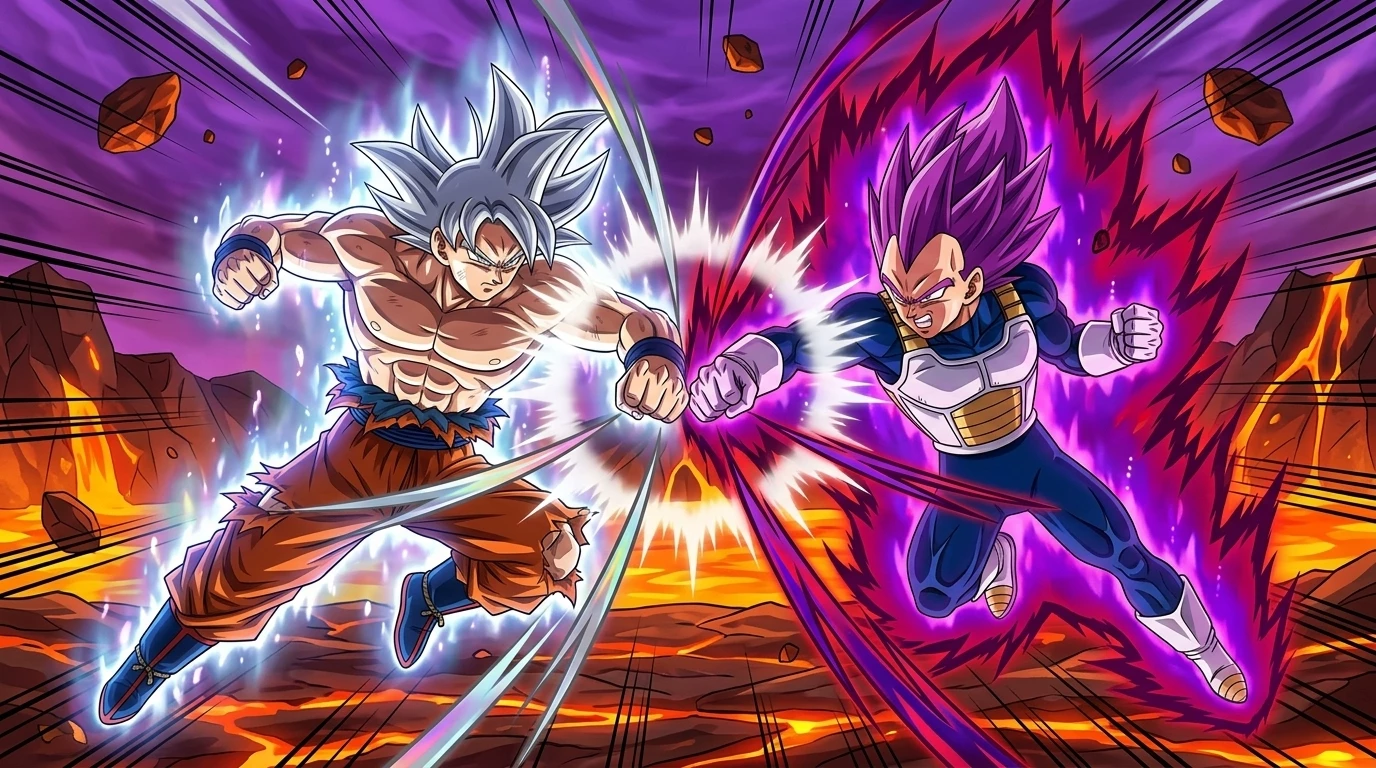
Sparking Zero May 26 Update Adds Demon World Stage and Reworks Transformation Healing
May 27, 2026Bandai Namco shipped a free Dragon Ball: Sparking Zero update on May 26, 2026 that introduces a new Demon World stage, overhauls transformation healing, and confirms the Daima Character Pack and Shallot DLC for release on June 27, 2026....
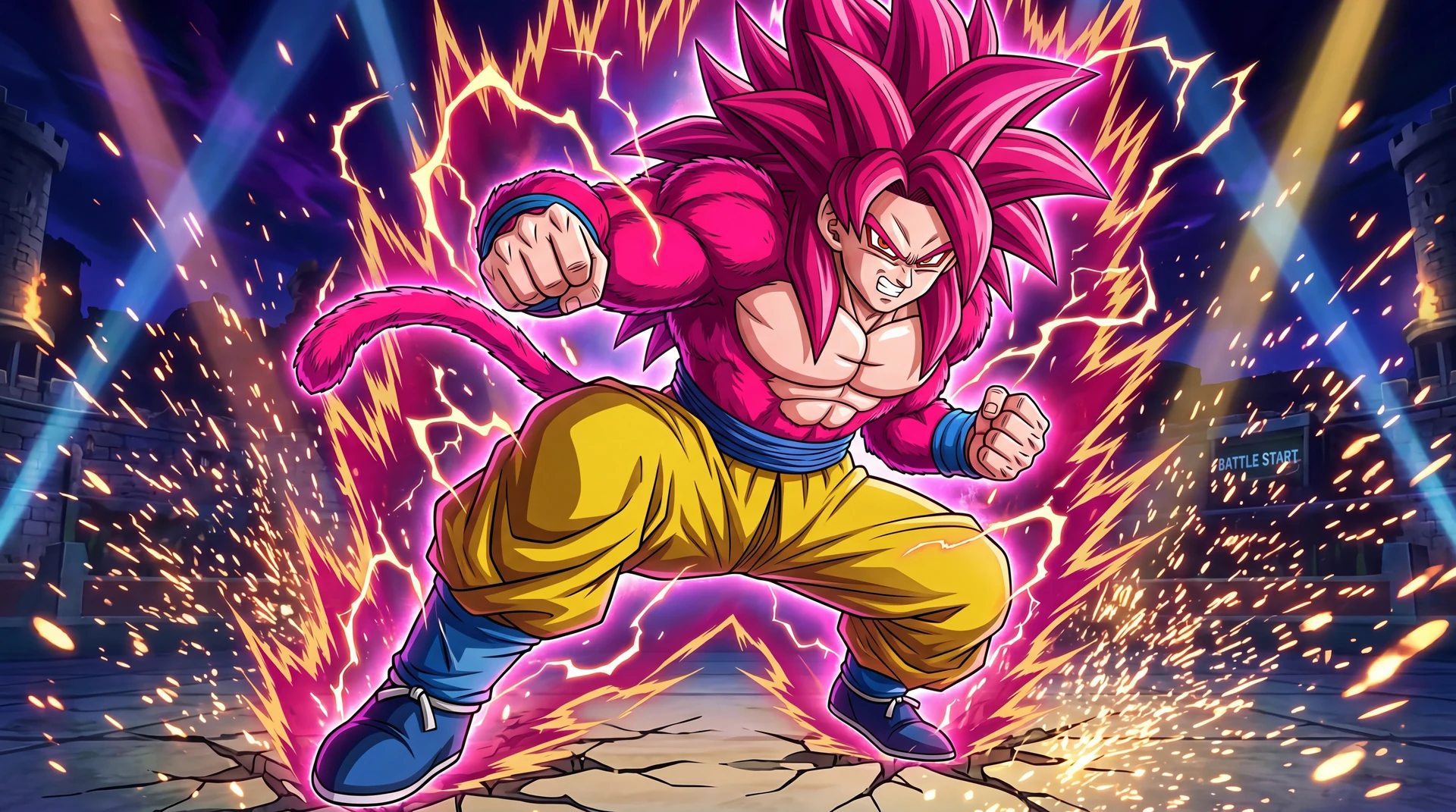
Dragon Ball FighterZ Adds Super Saiyan 4 Goku From Daima
May 25, 2026Dragon Ball FighterZ added Super Saiyan 4 Goku, the form featured in the Daima anime, as DLC on April 22, 2026. The 2018 fighting game is still getting new content nearly eight years on....
Dragon Ball Sparking Zero Super Limit-Breaking NEO DLC Adds 30 Plus Fighters for Summer 2026
Apr 20, 2026Bandai Namco and Spike Chunsoft unveiled the Super Limit-Breaking NEO expansion for Dragon Ball Sparking Zero at Battle Hour 2026. Summer 2026 release, 30 plus characters, four new stages, and a new solo mode....
Sources & Information
Looking for more on Dragon Ball Z: Goku Gekitōden? The Dragon Ball Wiki on Fandom has a dedicated page with community notes.
View on FandomThis content is original writing by Daddy Jim Headquarters based on the Dragon Ball anime series, manga, and official materials. Episode and chapter references are cited where applicable.
Character and scene imagery on this site is original artwork by Daddy Jim Headquarters, not screenshots or licensed imagery. Official cover art is used on three types of pages for editorial commentary:
- Movie pages: theatrical posters and key visuals, credited to Toei Animation and Shueisha.
- Game pages: official box art, credited to Bandai Namco, Atari, and other publishers.
- Manga chapter pages: Jump Comics volume covers, credited to Shueisha and Akira Toriyama.
Browse our episode guides:
Official resources:
Dragon Ball Music by Daddy Jim Headquarters
Come listen to some Dragon Ball R&B.
Help Us Keep This Wiki Accurate
Daddy Jim Headquarters maintains this encyclopedia across 13 languages. If you spot an error, a translation issue, or something that doesn't look right, let us know.