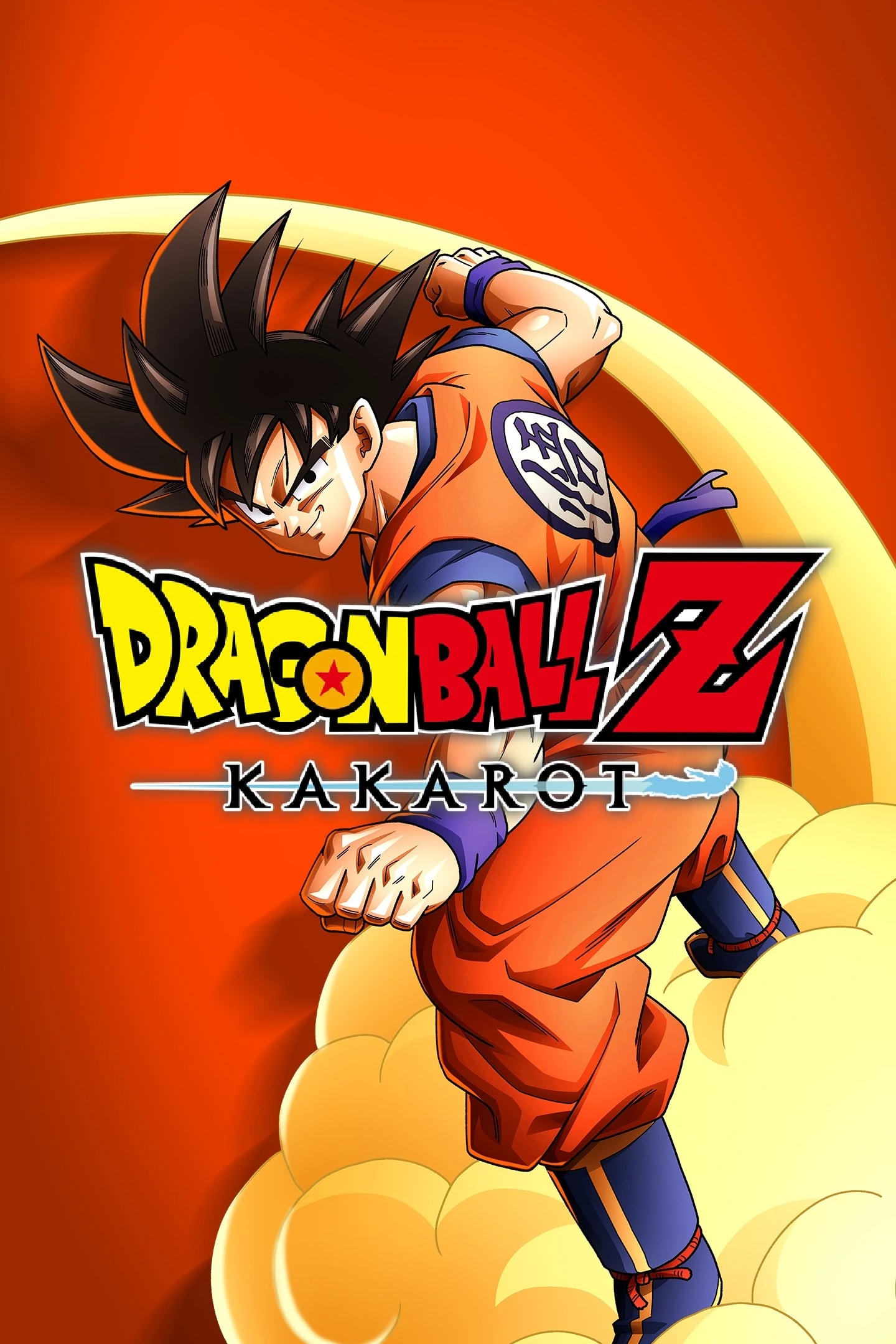
Dragon Ball Z: Kakarot
Gameis a Dragon Ball video game developed by CyberConnect2 and published by Bandai Namco for PlayStation 4, Xbox One, and Steam which was released on January 17, 2020. It was released for the Nintendo Switch on September 24, 2021. It was also released for Xbox Series X/S and PlayStation 5 as standalone and free upgrade on January 12, 2023, in Japan. It was also released in Europe and North America on January 13, 2023.
Gameplay
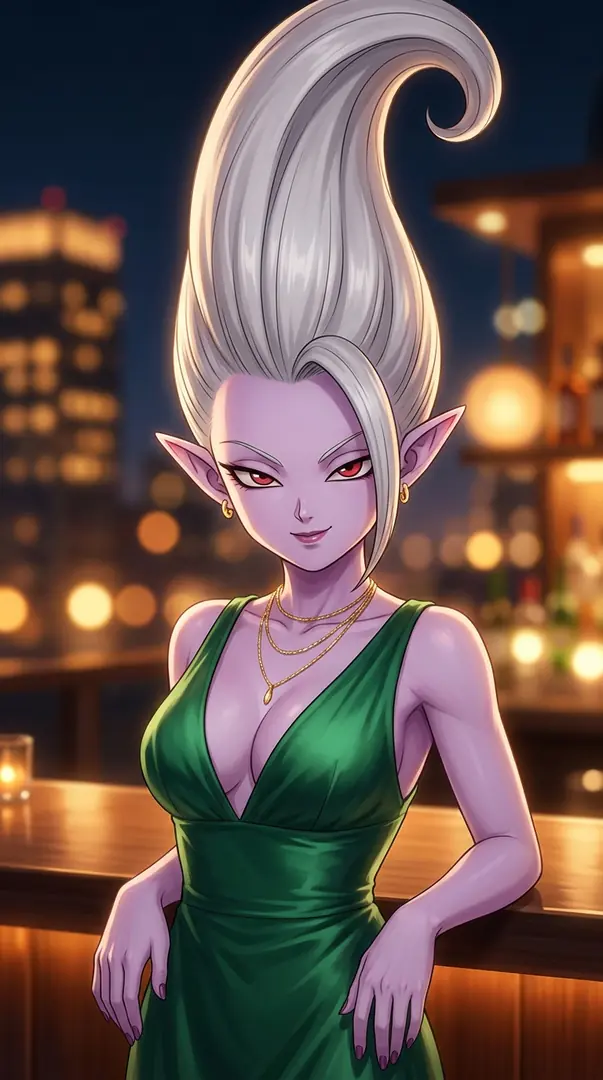
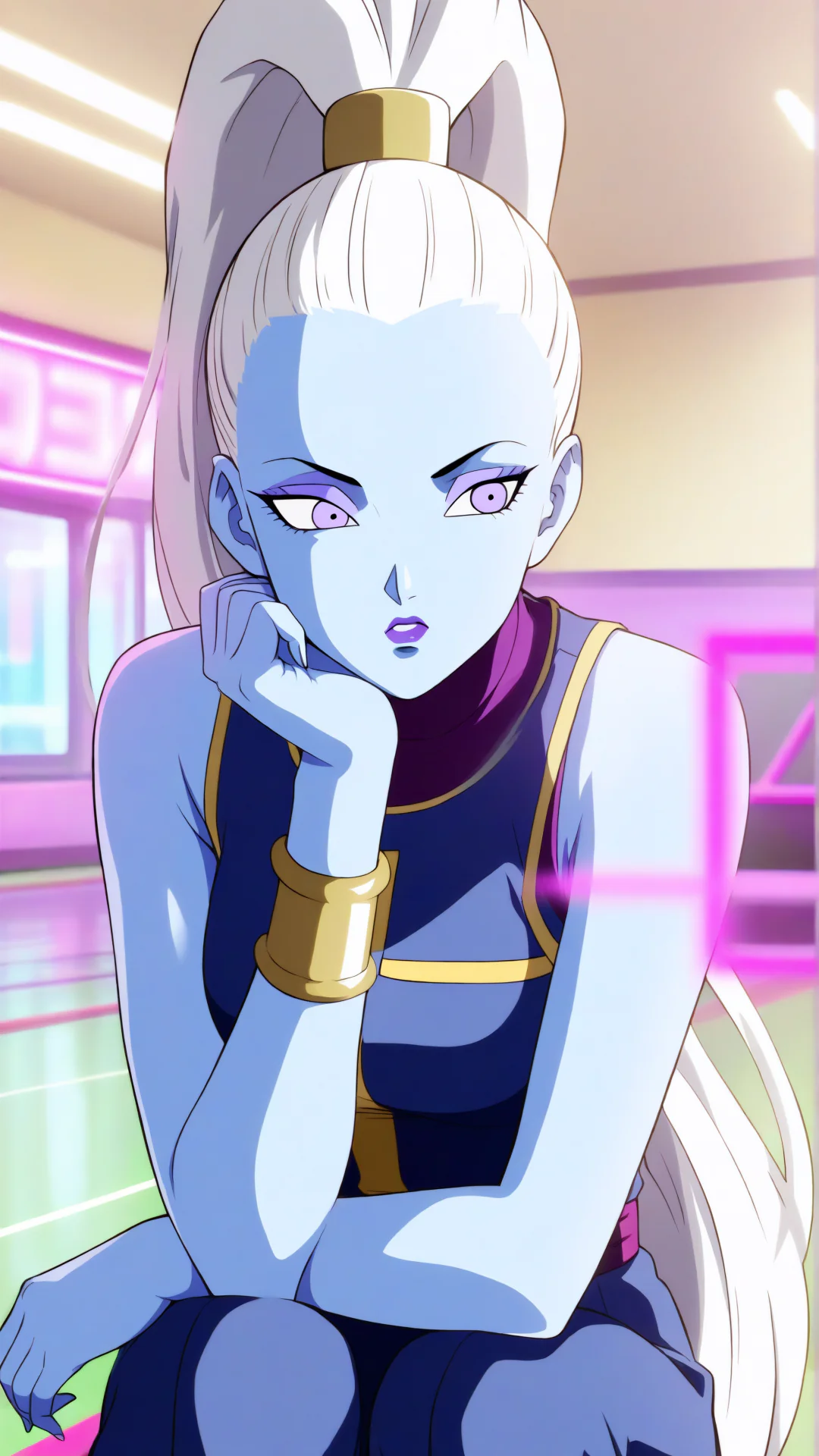
Dragon Ball Z: Kakarot is an action role-playing game developed by CyberConnect2 and published by Bandai Namco, released on January 17, 2020, for PlayStation 4, Xbox One, and PC via Steam. A Nintendo Switch release followed on September 24, 2021, with PlayStation 5 and Xbox Series X/S versions arriving on January 12, 2023. The game presents an open-world interpretation of Dragon Ball Z, divided into large hub areas corresponding to each saga. These areas are accessible via flight or ground vehicles and populated with enemy fighters, friendly NPCs, and collectible resources. Players control Goku and his allies through the Saiyan, Frieza, Androids, and Majin Buu sagas, with the Super Saiyan God and Super Saiyan Blue forms added through separate DLC expansions alongside Beerus, Whis, and Golden Frieza.
Combat is real-time and incorporates ki blasts, melee combos, and signature techniques drawn from the anime. A Training Grounds mode allows players to face specific characters in order to unlock and upgrade Super Attacks. Between sagas, Intermission periods offer free exploration, sub-stories, and training opportunities. The game also features a cooking system where raw ingredients gathered through hunting and fishing can be prepared at campfires or by NPC cooks, producing meals that permanently boost stats or provide temporary buffs. Chi-Chi becomes available as a full-course meal cook after the Saiyan Saga concludes.
Additional activities include a fishing minigame using either a tail or rod mechanic with timed button prompts, dinosaur and animal hunting across overworld zones, and Red Ribbon Army base destruction that yields item drops. The game incorporates original lore content including a new explanation for Animal-type Earthlings, background on Saiyan tail biology, and an original character named Bonyu designed by Akira Toriyama, whose contributions to this material are considered canon.
Story
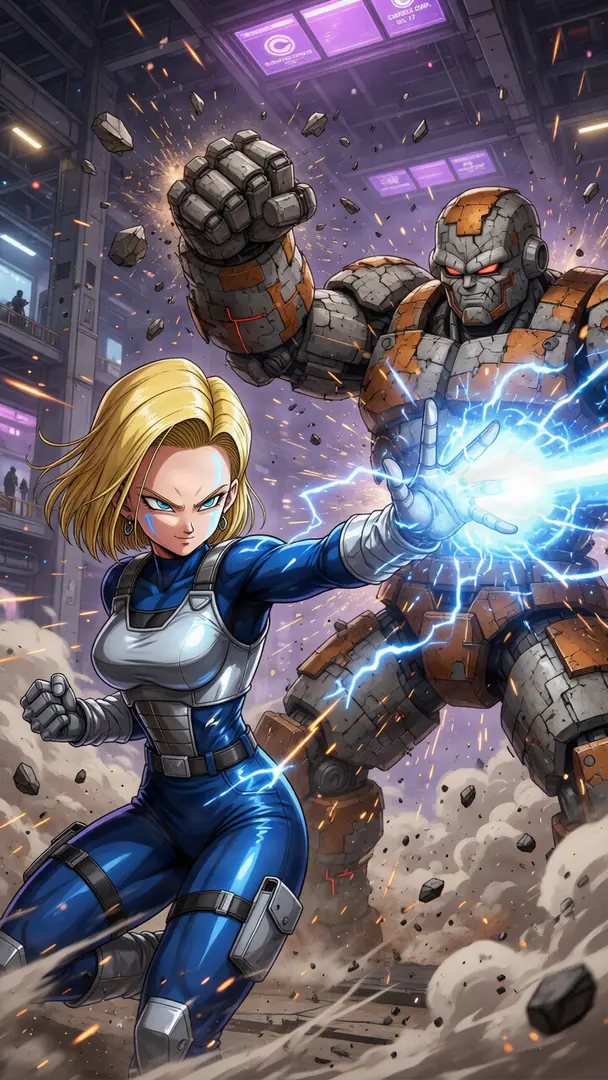
Kakarot adapts the four major sagas of Dragon Ball Z from start to finish, presenting each as a self-contained episode arc with named sub-chapters. The Saiyan Saga follows Goku and his son Gohan from Raditz's arrival through the defeat of Vegeta. The Frieza Saga covers the journey to Namek and the climactic battle across Frieza's multiple transformation stages. The Androids Saga addresses the arrival of Future Trunks, the emergence of the Android threat, and Cell's developmental stages. The Majin Buu Saga closes the main campaign with the Supreme Kai's warnings, the World Martial Arts Tournament, and the final battle against Kid Buu.
The narrative includes expanded scenes not present in the original anime or manga, developed specifically for the game. These additions fill in gaps between major battles and add context to side characters and world-building elements. The game also uses remixed excerpts of Shunsuke Kikuchi's original Japanese score from the Dragon Ball Z broadcast, preserving the sonic identity of the source material while presenting it in a new interactive context.
Legacy
Kakarot represented the most comprehensive single-game adaptation of the Dragon Ball Z story since Dragon Ball Z: Budokai Tenkaichi 3, distinguishing itself through RPG depth and open-world structure rather than fighting game competition. Akira Toriyama's direct involvement in creating the original character Bonyu and establishing new lore details elevated the game's canonical status within the franchise. The ongoing DLC program extended the experience past the base game with Battle of Gods and Resurrection F content, and the eventual new generation console release ensured that Kakarot remained a current offering across multiple hardware generations.
Related Reading
See all
Krillin's on the Tinder: How the Ultimate Short King Survived the Height Filter
Tinder built a height filter. Dragon Ball built a five foot legend. What happened when we sent the ultimate short king into the modern dating hellscape....
Infinite Zeni Glitch: When Yamcha Never Pays and Mr. Popo Always Does
The internet found an infinite money glitch. So did Yamcha. A smooth R&B track about the easiest money in the Dragon Ball world and the one man who keeps paying for it....
Frequently Asked Questions
Is DBZ: Kakarot the whole story?
Dragon Ball Z: Kakarot is an action role-playing game developed by CyberConnect2 and published by Bandai Namco, released on January 17, 2020, for PlayStation 4, Xbox One, and PC via Steam. A Nintendo Switch release followed on September 24, 2021, with PlayStation 5 and Xbox Series X/S versions arriving on January 12, 2023. The game presents an open-world interpretation of Dragon Ball Z, divided into large hub areas corresponding to each saga.
What is Dragon Ball Z: Kakarot?
Dragon Ball Z: Kakarot is a Dragon Ball video game developed by CyberConnect2 and published by Bandai Namco for PlayStation 4, Xbox One, and Steam which was released on January 17, 2020. It was released for the Nintendo Switch on September 24, 2021. It was also released for Xbox Series X/S and PlayStation 5 as standalone and free upgrade on January 12, 2023, in Japan.
Which Dragon Ball era does Dragon Ball Z: Kakarot tie into?
Dragon Ball Z: Kakarot ties into the Kakarot era of the franchise. The title is an action rpg.
When was Dragon Ball Z: Kakarot released?
Dragon Ball Z: Kakarot was released in 2020. It was developed by CyberConnect2 and published by Bandai Namco.
Who developed Dragon Ball Z: Kakarot?
Dragon Ball Z: Kakarot was developed by CyberConnect2. The game was published by Bandai Namco in 2020.
Sources & Information
Looking for more on Dragon Ball Z: Kakarot? The Dragon Ball Wiki on Fandom has a dedicated page with community notes.
View on FandomThis content is original writing by Daddy Jim Headquarters based on the Dragon Ball anime series, manga, and official materials. Episode and chapter references are cited where applicable.
Character and scene imagery on this site is original artwork by Daddy Jim Headquarters, not screenshots or licensed imagery. Official cover art is used on three types of pages for editorial commentary:
- Movie pages: theatrical posters and key visuals, credited to Toei Animation and Shueisha.
- Game pages: official box art, credited to Bandai Namco, Atari, and other publishers.
- Manga chapter pages: Jump Comics volume covers, credited to Shueisha and Akira Toriyama.
Browse our episode guides:
Official resources:
Help Us Keep This Wiki Accurate
Daddy Jim Headquarters maintains this encyclopedia. If you spot an error, a translation issue, or something that doesn't look right, let us know.