Gameplay
Dragon Ball Z: Harukanaru Densetsu is a card-based role-playing game for the Nintendo DS. Players select one of four main characters to guide through a board-game-style map, completing missions that range from five to thirty minutes in length. Experience earned from victories increases attack power over time. Combat is resolved by comparing card values, where the player with the higher total wins the exchange. Cards can be combined to create higher-power single cards, and defense scores work through an equivalent stacking system.
The card library is divided into several functional types. Strike Cards deal direct damage, Energy Cards boost attack values, Training Cards raise defense, Use Cards activate collected items, Z Cards serve as flexible wildcards, Running Cards allow battle evasion, Friend Cards call non-playable characters to perform attacks on the player's behalf, and Reverse Cards swap the player's attack value with the opponent's. Attack strength is visualized through Dragon Ball imagery, with one to seven stars indicating power tiers and a Z-class designation representing the strongest category.
A local wireless multiplayer mode allows two players to duel each other directly using their assembled decks. The game covers the Dragon Ball Z timeline from the start of the Saiyan Saga through the end of the Cell Games Saga, presenting story content across four distinct character routes.

Story
The story of Harukanaru Densetsu spans the Saiyan Saga, Namek Saga, Androids Saga, and Cell Games Saga, concluding before the Majin Buu arc. Players experience these events through the perspective of one of four playable characters: Goku, Gohan, Piccolo, or Vegeta, with Vegeta becoming available after the player defeats him during Goku's route. The narrative structure draws from the same three sagas covered by the first three Dragon Ball Z Famicom games, synthesizing that material into a single DS experience.
Supporting characters from across the covered sagas appear as Friend Cards or story-relevant figures, including members of the Ginyu Force, key antagonists such as Frieza and Cell, and allies including Krillin, Trunks, and Gohan at various ages. The selection of playable characters encourages multiple playthroughs to experience each character's perspective on the shared Dragon Ball Z events.
Related Reading
See all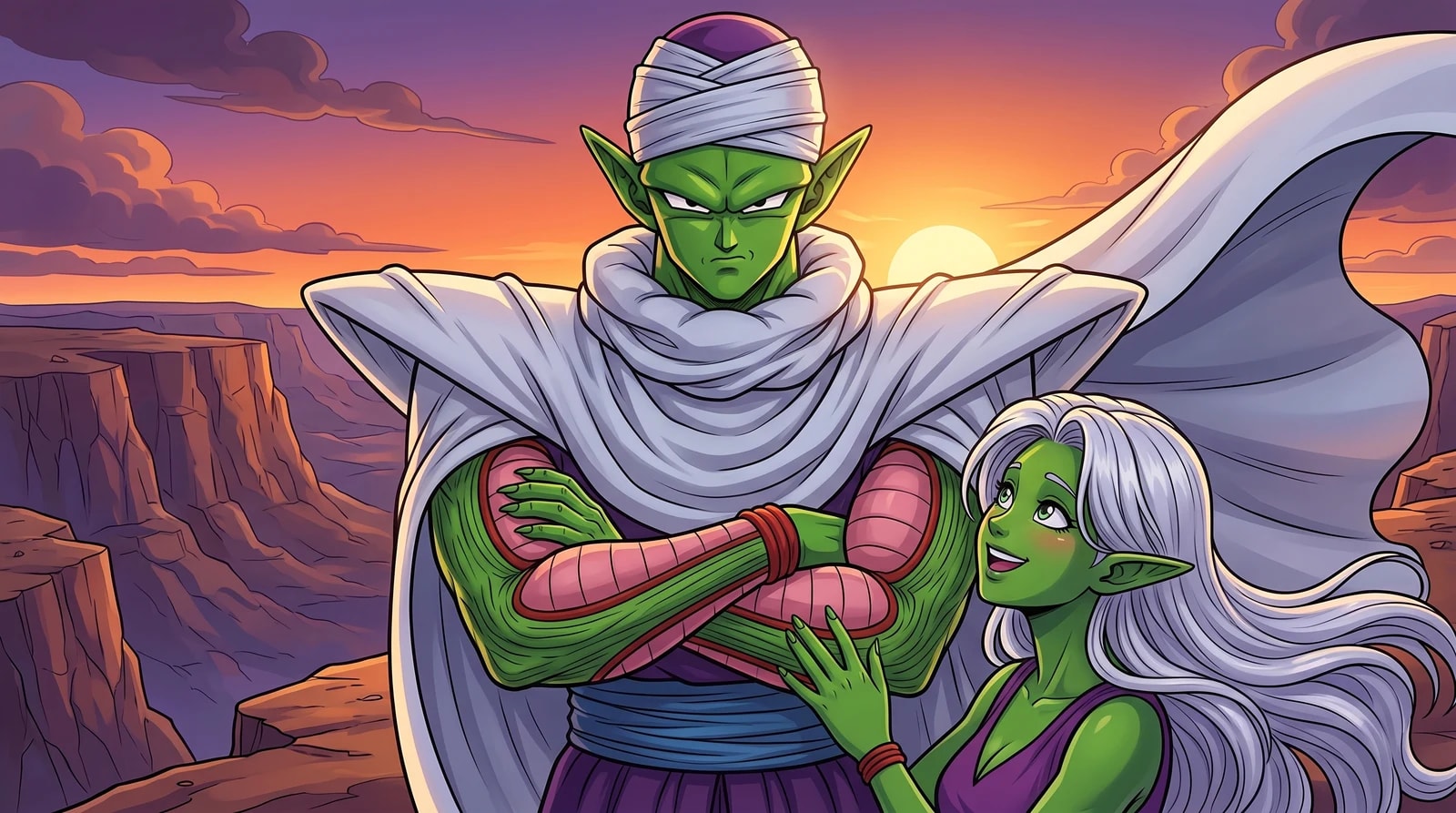
Namek Has No Women, and Piccolo Pulls Anyway
There are no women on Namek. That isn't an oversight, it's the biology. Why we handed Piccolo the one thing his own species rules out, and why it had to be trap soul....
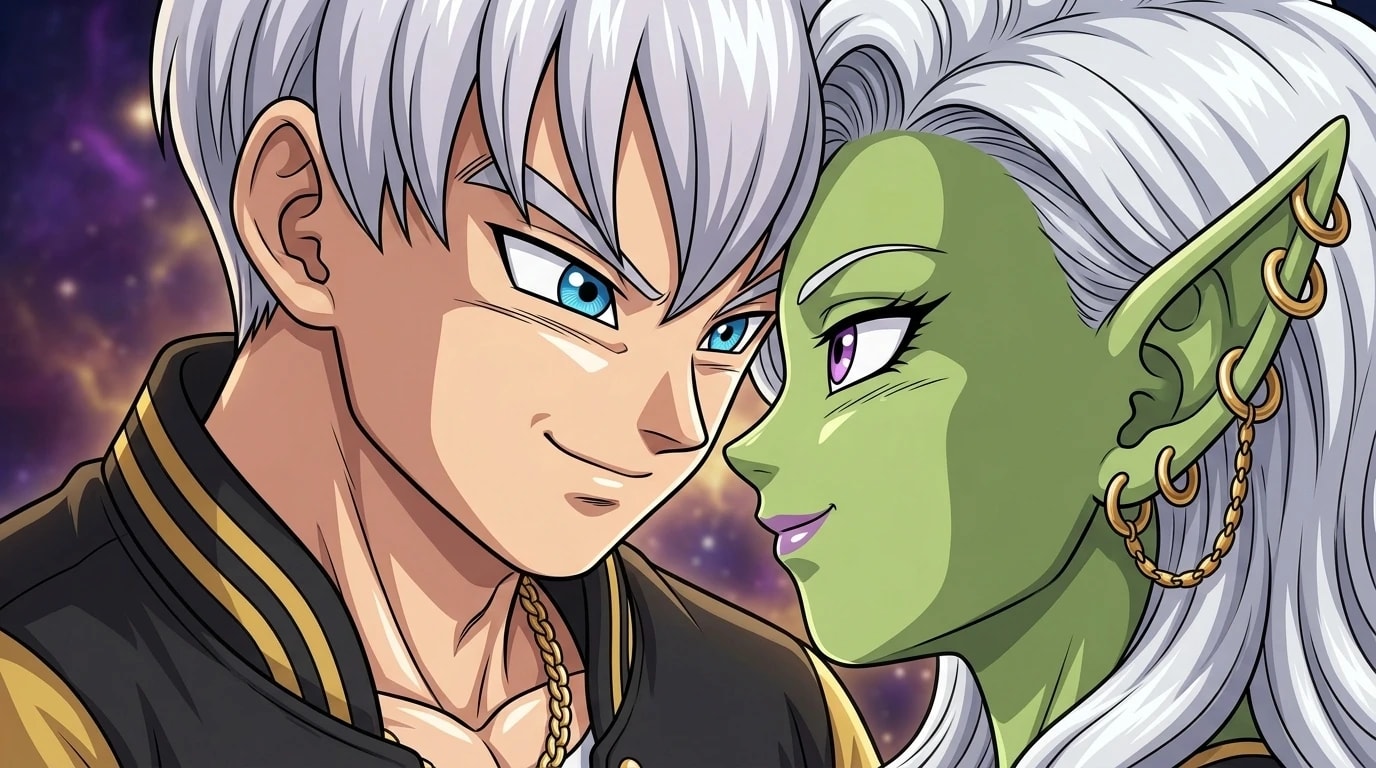
1000 Times Over: Who Is John Dragon Ball Singing To?
Dragon Ball handed us a protagonist with no history and the internet named him John Dragon Ball. So we built him somebody to talk to....


Legacy
Harukanaru Densetsu occupies a distinctive niche as one of the few Dragon Ball Z titles to present its combat through a card-comparison mechanic rather than a traditional action or turn-based fighting system. Released under different regional titles, it reached European audiences as Dragon Ball Z: Goku Densetsu and Japanese audiences as Dragon Ball Z: Harukanaru Goku Densetsu. Its position within the lineage of card-based Dragon Ball games places it alongside earlier titles such as Dragon Ball Z: Super Saiya Densetsu, representing a portable continuation of that design tradition on Nintendo DS hardware.
Frequently Asked Questions
What is Dragon Ball Z: Harukanaru Densetsu?
Dragon Ball Z: Harukanaru Densetsu, known as Dragon Ball Z: Harukanaru Goku Densetsu in Japan and Dragon Ball Z: Goku Densetsu in Europe, is a card-based role-playing game for the Nintendo DS. Dragon Ball Z: Harukanaru Densetsu is a card-based role-playing game for the Nintendo DS.
How does Dragon Ball Z: Harukanaru Densetsu play?
Dragon Ball Z: Harukanaru Densetsu is a card-based role-playing game for the Nintendo DS. Players select one of four main characters to guide through a board-game-style map, completing missions that range from five to thirty minutes in length. Experience earned from victories increases attack power over time.
When was Dragon Ball Z: Harukanaru Densetsu released?
Dragon Ball Z: Harukanaru Densetsu was released in 2007. It was published by Bandai / Atari.
Who published Dragon Ball Z: Harukanaru Densetsu?
Dragon Ball Z: Harukanaru Densetsu was published by Bandai / Atari. It was released in 2007.
What genre is Dragon Ball Z: Harukanaru Densetsu?
Dragon Ball Z: Harukanaru Densetsu is a rpg/card battle. It is tied to the Dragon Ball Z era of the franchise.
Sources & Information
Looking for more on Dragon Ball Z: Harukanaru Densetsu? The Dragon Ball Wiki on Fandom has a dedicated page with community notes.
View on FandomThis content is original writing by Daddy Jim Headquarters based on the Dragon Ball anime series, manga, and official materials. Episode and chapter references are cited where applicable.
Rights holders
- Created byAkira Toriyama
- Published byShueisha
- Animated byToei Animation
All rights belong to their respective owners.
Character and scene imagery on this site is original artwork by Daddy Jim Headquarters, not screenshots or licensed imagery. Official cover art is used on three types of pages for editorial commentary:
- Movie pages: theatrical posters and key visuals, credited to Toei Animation and Shueisha.
- Game pages: official box art, credited to Bandai Namco, Atari, and other publishers.
- Manga chapter pages: Jump Comics volume covers, credited to Shueisha and Akira Toriyama.
Browse our episode guides:
Official resources:
Help Us Keep This Wiki Accurate
Daddy Jim Headquarters maintains this encyclopedia. If you spot an error, a translation issue, or something that doesn't look right, let us know.