Gameplay
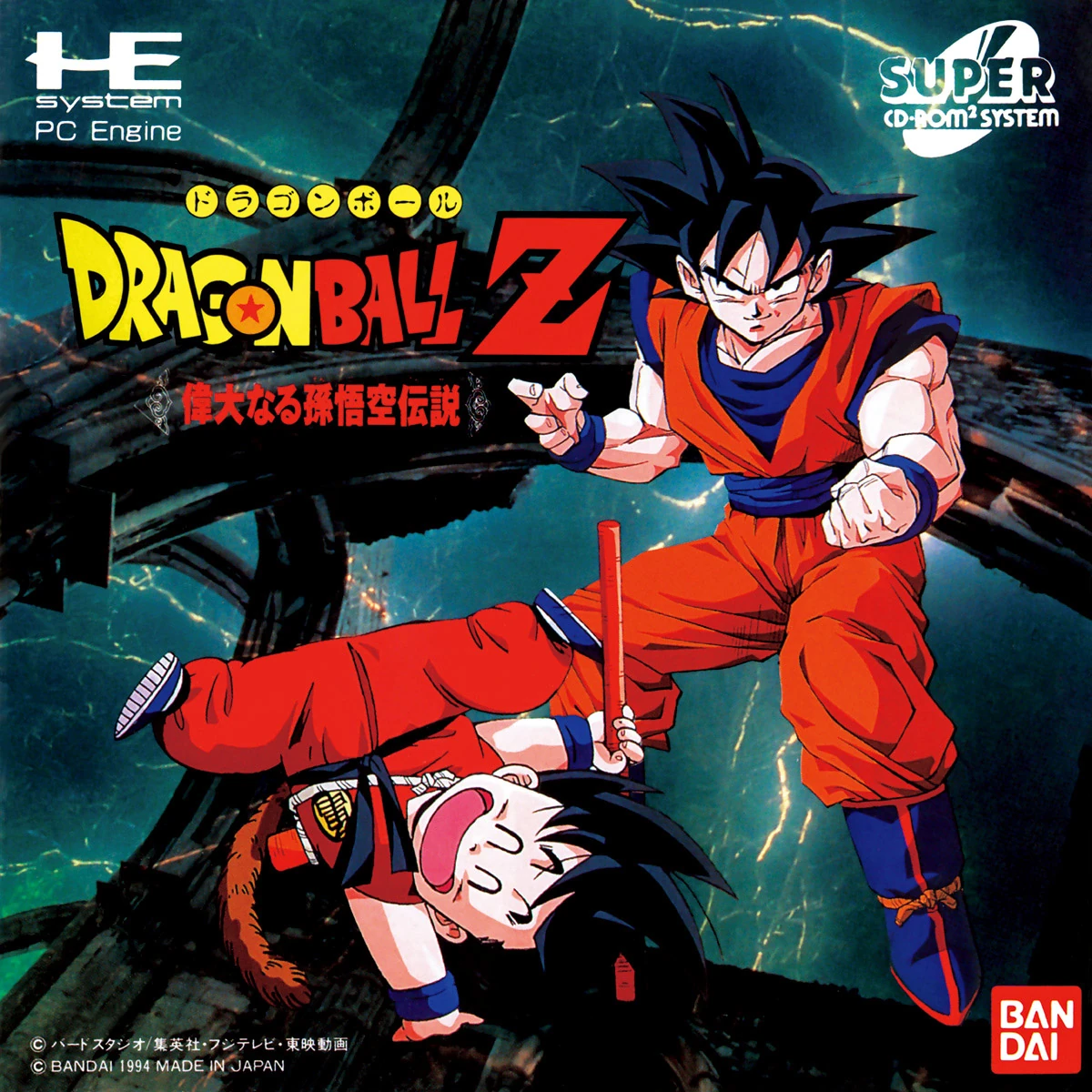
Dragon Ball Z: Idainaru Son Goku Densetsu is a fighting video game released for the PC Engine in Japan on November 11, 1994. The game does not grant the player direct control over Goku's actions in a conventional fighting sense. Instead, players choose between four strategic postures for each moment of combat: offense, defense, powering up, or running. The outcome of each exchange is determined by how these choices interact with the opponent's corresponding actions, creating a system closer to rock-paper-scissors decision-making than traditional fighting game inputs.
Midway through battles, scripted cutscenes trigger in response to specific in-universe story events. One example is Goku breaking Tao's Sword with the Power Pole during the fight against Mercenary Tao, which fires automatically when the player's actions recreate the narrative conditions for that moment. These sequences reward players who align their strategic choices with the logic of the source material.
The game illustrates seven of Goku's defining battles from across the Dragon Ball and Dragon Ball Z timelines, presenting each as a distinct combat scenario with its own story framing. Only three characters are directly playable: Kid Goku, Adult Goku, and Teen Gohan, who appears exclusively as the final boss of the campaign.


Story
Idainaru Son Goku Densetsu frames its campaign as a retrospective narrated by Gohan to his younger brother Goten. Gohan recounts seven battles that defined their father Goku's life, beginning with the fight against Mercenary Tao and progressing through Tien Shinhan at the World Martial Arts Tournament, King Piccolo, Piccolo at the 23rd World Martial Arts Tournament, Vegeta during the Saiyan Saga, Frieza on Namek, and finally the sacrifice made to stop Perfect Cell.
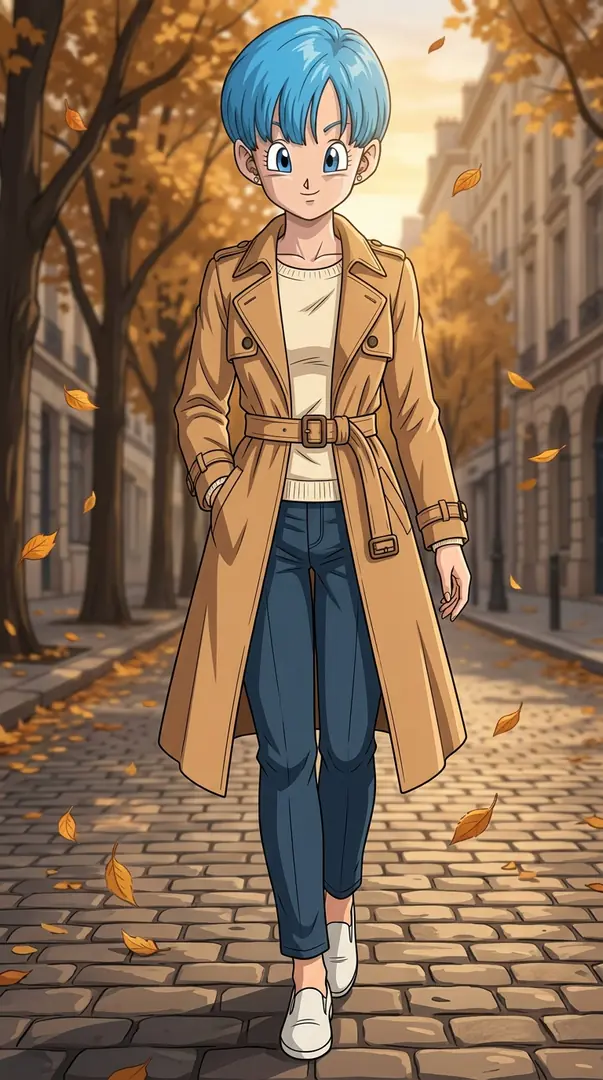
This structure allows the game to span the full Dragon Ball and Dragon Ball Z narrative in a single title, treating each battle as a self-contained chapter in Goku's legend. A large supporting cast appears in non-playable roles throughout, including Grandpa Gohan, Chi-Chi, Goten, Bulma, Commander Red, King Kai, Krillin, Yamcha, Future Trunks, and Android 16 and 17, among others. Their presence gives context to each era of Goku's story even without direct involvement in the combat mechanics.

Legacy
Idainaru Son Goku Densetsu stands apart from its contemporaries through its choice-based combat system and its explicitly biographical framing, presenting Goku's story as a curated retrospective rather than a sequence of interactive fights. Its release on the PC Engine placed it on hardware with a more limited Dragon Ball game library than the Famicom or Super Famicom, making it a notable exclusive for that platform. The decision to span both Dragon Ball and Dragon Ball Z within a single narrative frame anticipated the kind of comprehensive storytelling later explored in titles such as Dragon Ball Z: Kakarot.
Sparking Zero May 26 Update Adds Demon World Stage and Reworks Transformation Healing
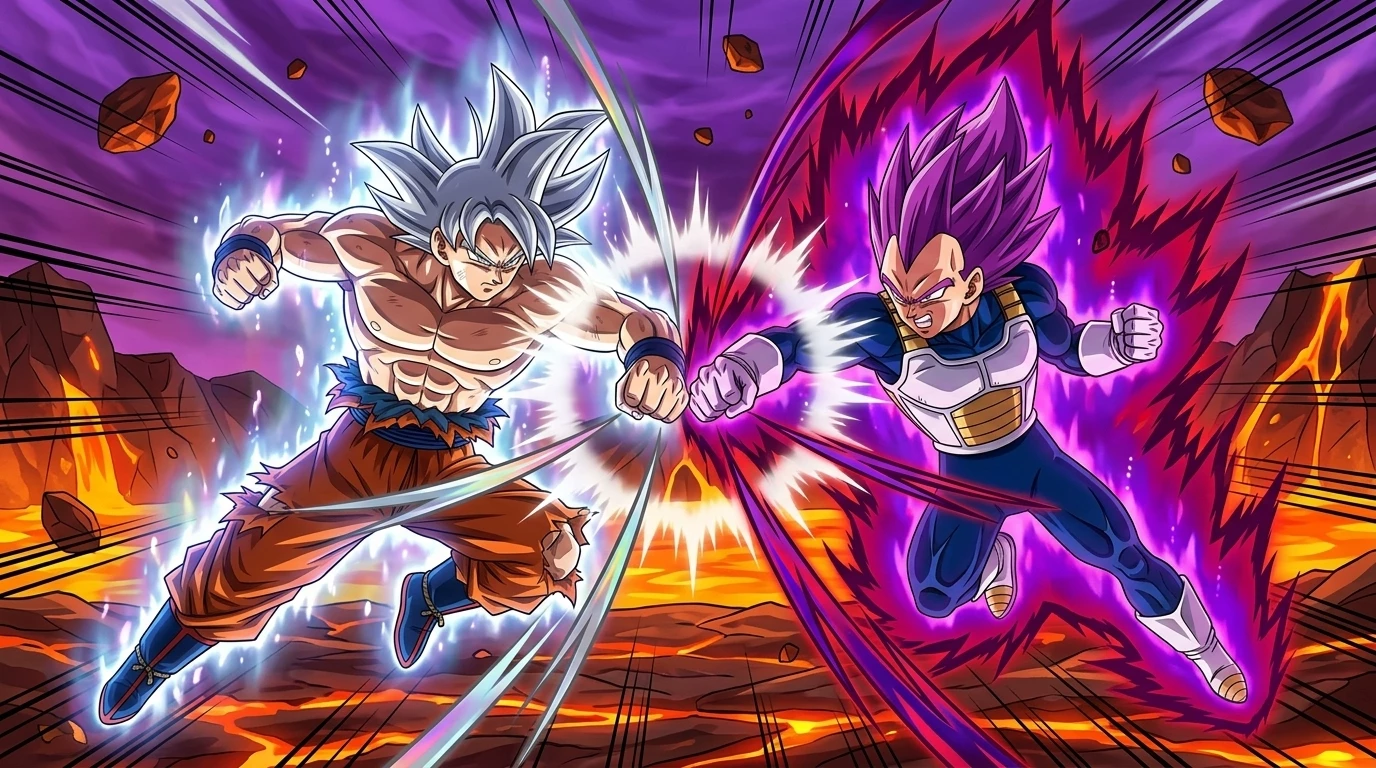
May 27, 2026Bandai Namco shipped a free Dragon Ball: Sparking Zero update on May 26, 2026 that introduces a new Demon World stage, overhauls transformation healing, and confirms the Daima Character Pack and Shallot DLC for release on June 27, 2026....
Dragon Ball FighterZ Adds Super Saiyan 4 Goku From Daima
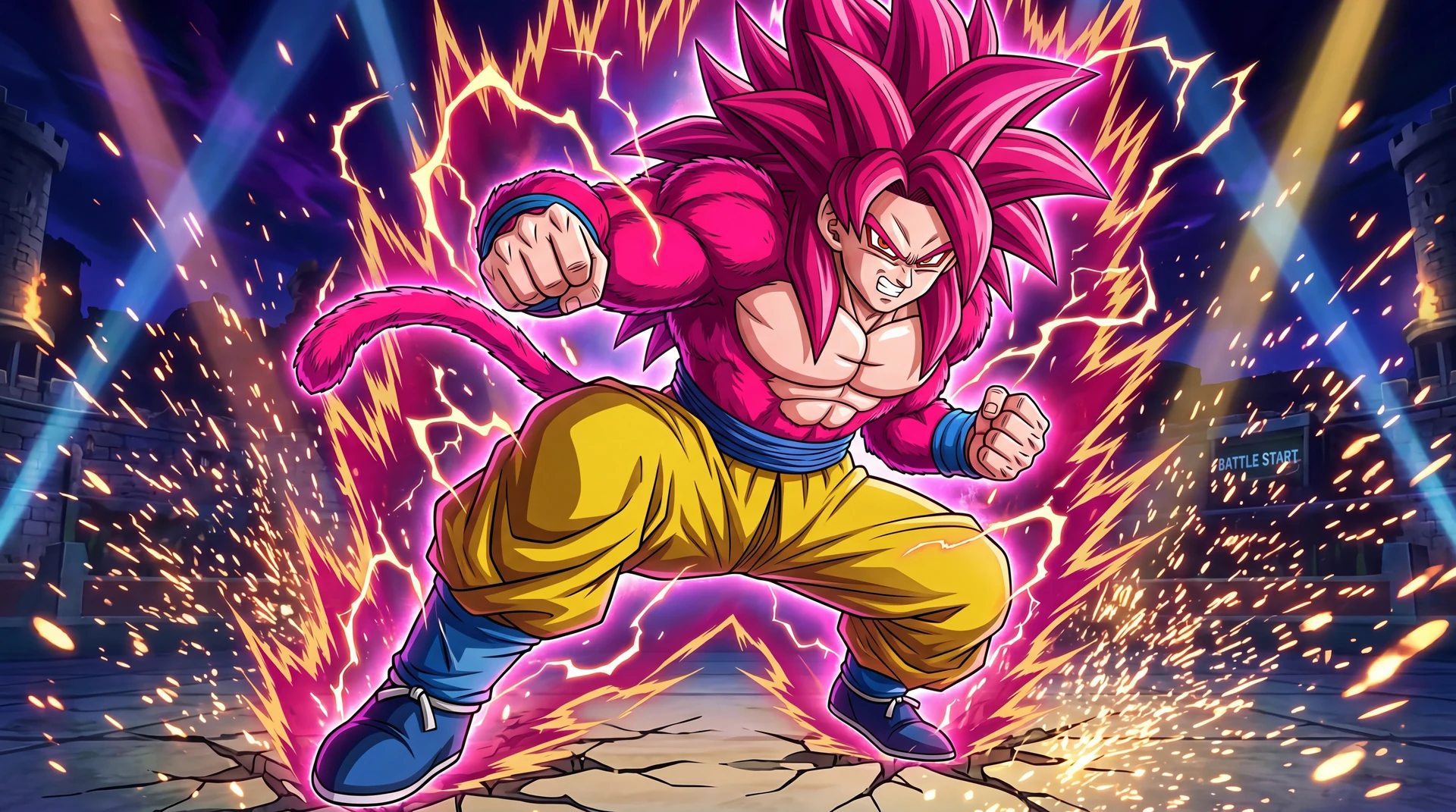
May 25, 2026Dragon Ball FighterZ added Super Saiyan 4 Goku, the form featured in the Daima anime, as DLC on April 22, 2026. The 2018 fighting game is still getting new content nearly eight years on....
Dragon Ball Sparking Zero Super Limit-Breaking NEO DLC Adds 30 Plus Fighters for Summer 2026
Apr 20, 2026Bandai Namco and Spike Chunsoft unveiled the Super Limit-Breaking NEO expansion for Dragon Ball Sparking Zero at Battle Hour 2026. Summer 2026 release, 30 plus characters, four new stages, and a new solo mode....
Sources & Information
Looking for more on Dragon Ball Z: Idainaru Son Goku Densetsu? The Dragon Ball Wiki on Fandom has a dedicated page with community notes.
View on FandomThis content is original writing by Daddy Jim Headquarters based on the Dragon Ball anime series, manga, and official materials. Episode and chapter references are cited where applicable.
Character and scene imagery on this site is original artwork by Daddy Jim Headquarters, not screenshots or licensed imagery. Official cover art is used on three types of pages for editorial commentary:
- Movie pages: theatrical posters and key visuals, credited to Toei Animation and Shueisha.
- Game pages: official box art, credited to Bandai Namco, Atari, and other publishers.
- Manga chapter pages: Jump Comics volume covers, credited to Shueisha and Akira Toriyama.
Browse our episode guides:
Official resources:
Dragon Ball Music by Daddy Jim Headquarters
Come listen to some Dragon Ball R&B.
Help Us Keep This Wiki Accurate
Daddy Jim Headquarters maintains this encyclopedia across 13 languages. If you spot an error, a translation issue, or something that doesn't look right, let us know.