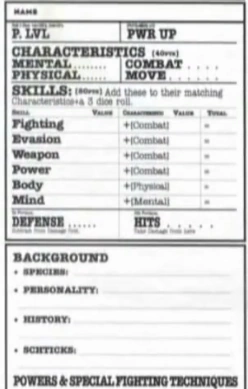
Dragon Ball Z: The Anime Adventure Game
GameDragon Ball Z: The Anime Adventure Game is a pen and paper RPG that utilizes the Fuzion D6 system, published by .
Rules and Mechanics
Dragon Ball Z: The Anime Adventure Game is a tabletop pen-and-paper RPG that uses the Fuzion D6 system, a percentile-based framework designed for ease of play and cinematic action resolution. Players build characters by assigning power levels and selecting abilities drawn from the Dragon Ball Z source material, then engage in both narrative exploration and structured combat. The ruleset includes mechanics for Super Saiyan transformation, with the published books setting the multiplier for that power boost at 2.5 times the base power of the transforming Saiyan. The game also incorporates rules for Androids, time travel, vehicle weapons, and magic items introduced across its three volumes.
The first book covers the Saiyan Saga and provides power level statistics for all major combatants through the early portion of the series. The second book, subtitled The Frieza Saga, adds rules for vehicles and driving alongside updated character stats reaching into the millions of power level figures. The third book, covering the Garlic Jr., Trunks, and Android Sagas, layers in rules for throws, pins, and grabs, and includes a gamemaster question-and-answer section. Profile sections throughout all three volumes present detailed biographical information for major characters.


Content and Setting
The three-volume series progresses through the major story arcs of Dragon Ball Z in order. Book one grounds players in the Saiyan Saga, providing statistics and lore for characters ranging from Goku at a power level of 8,000 to Vegeta in Great Ape form at 75,000. Book two advances into the Frieza Saga, with character power levels escalating dramatically to accommodate figures like Super Saiyan Goku at 15,000,000 and Frieza in his final form at 12,000,000. These numerical frameworks allow players to gauge relative strength and build scenarios that reflect the escalating power arms race of the source material.
The third book covers events from the Garlic Jr. filler arc through the early Android Saga, providing stats for both film-exclusive characters like Garlic Jr. and Cooler and the main cast as they appear in those story periods. The books identify Guldo as a Boulean from the planet of the same name, a detail derived from official reference materials. Together the three volumes provide a comprehensive RPG treatment of Dragon Ball Z up through the introduction of the Androids.


Publication and Legacy
The Anime Adventure Game was published by Interplay and written to accompany the growing North American Dragon Ball Z fanbase of the late 1990s. The use of the Fuzion D6 system, which was also used for other licensed RPGs of the period, positioned the game as accessible to both dedicated tabletop players and newcomers drawn by the anime license. Each book included character profiles with biographical details that served both gameplay and fan reference purposes.
The series stands as one of the few dedicated tabletop RPG adaptations of Dragon Ball Z produced for the English-language market. Its power level statistics and character descriptions have been cited in fan discussions of canon power scaling. The three-book structure gave it broader narrative scope than most licensed RPGs of its time, covering the franchise through multiple major arcs rather than limiting itself to a single saga.
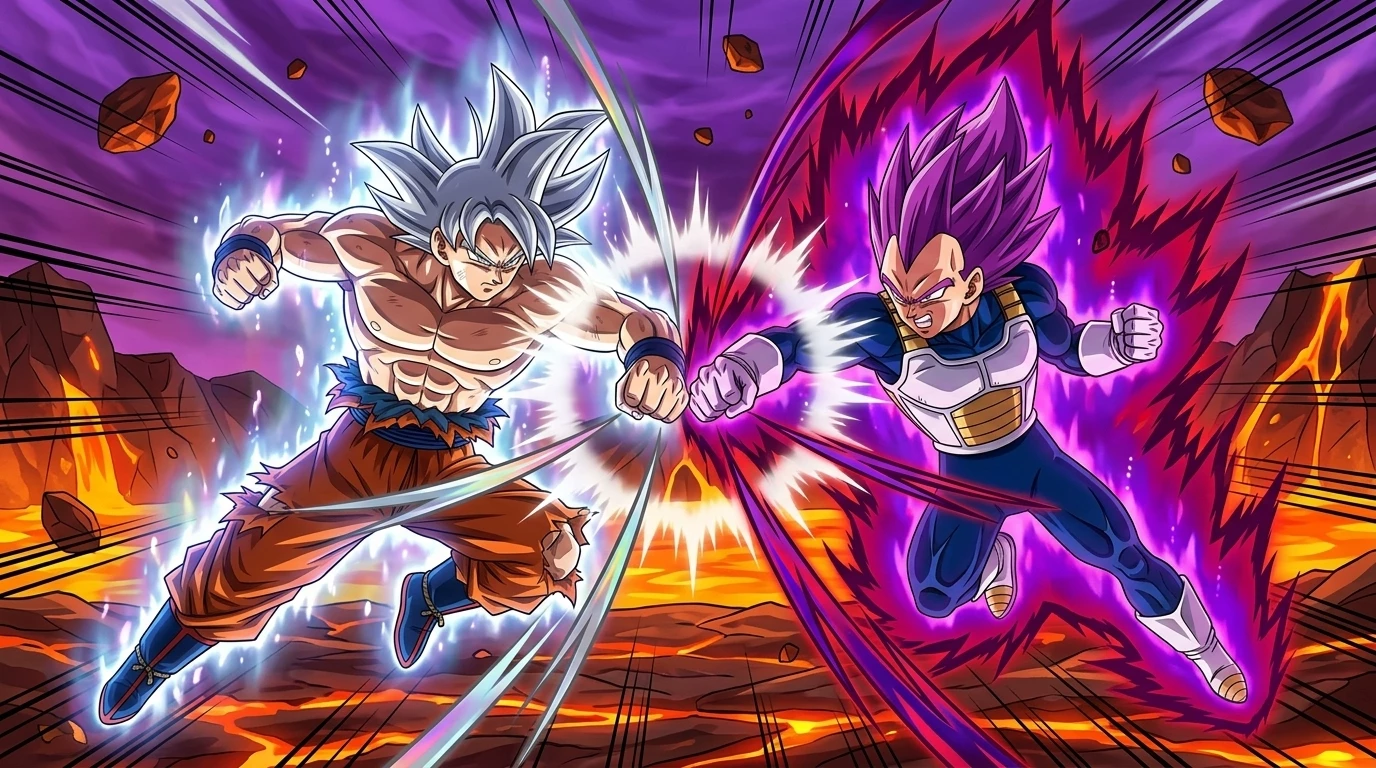
Sparking Zero May 26 Update Adds Demon World Stage and Reworks Transformation Healing
May 27, 2026Bandai Namco shipped a free Dragon Ball: Sparking Zero update on May 26, 2026 that introduces a new Demon World stage, overhauls transformation healing, and confirms the Daima Character Pack and Shallot DLC for release on June 27, 2026....
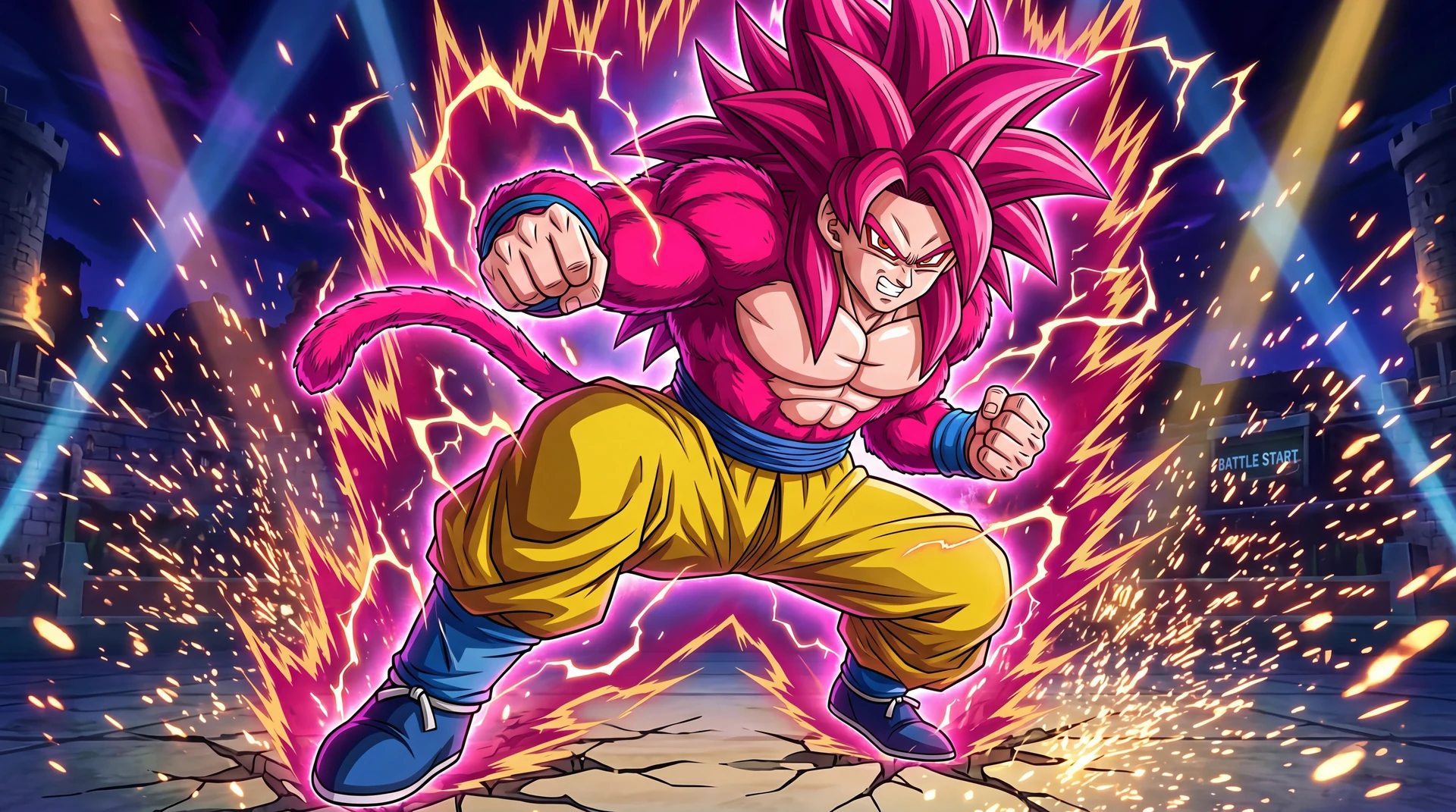
Dragon Ball FighterZ Adds Super Saiyan 4 Goku From Daima
May 25, 2026Dragon Ball FighterZ added Super Saiyan 4 Goku, the form featured in the Daima anime, as DLC on April 22, 2026. The 2018 fighting game is still getting new content nearly eight years on....
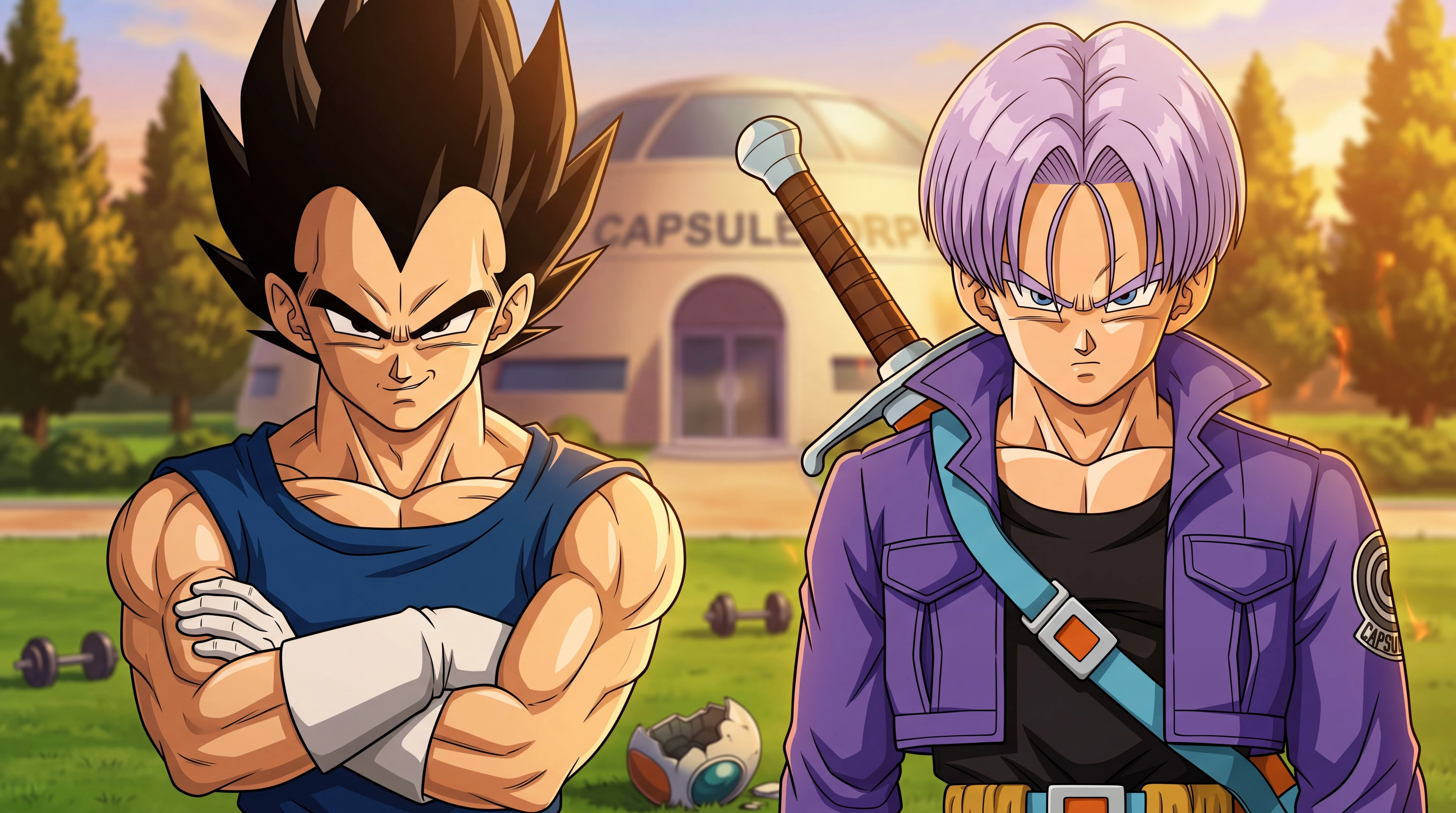
Dragon Ball Sparking Zero Super Limit-Breaking NEO DLC Adds 30 Plus Fighters for Summer 2026
Apr 20, 2026Bandai Namco and Spike Chunsoft unveiled the Super Limit-Breaking NEO expansion for Dragon Ball Sparking Zero at Battle Hour 2026. Summer 2026 release, 30 plus characters, four new stages, and a new solo mode....
Sources & Information
Looking for more on Dragon Ball Z: The Anime Adventure Game? The Dragon Ball Wiki on Fandom has a dedicated page with community notes.
View on FandomThis content is original writing by Daddy Jim Headquarters based on the Dragon Ball anime series, manga, and official materials. Episode and chapter references are cited where applicable.
Character and scene imagery on this site is original artwork by Daddy Jim Headquarters, not screenshots or licensed imagery. Official cover art is used on three types of pages for editorial commentary:
- Movie pages: theatrical posters and key visuals, credited to Toei Animation and Shueisha.
- Game pages: official box art, credited to Bandai Namco, Atari, and other publishers.
- Manga chapter pages: Jump Comics volume covers, credited to Shueisha and Akira Toriyama.
Browse our episode guides:
Official resources:
Dragon Ball Music by Daddy Jim Headquarters
Come listen to some Dragon Ball R&B.
Help Us Keep This Wiki Accurate
Daddy Jim Headquarters maintains this encyclopedia across 13 languages. If you spot an error, a translation issue, or something that doesn't look right, let us know.