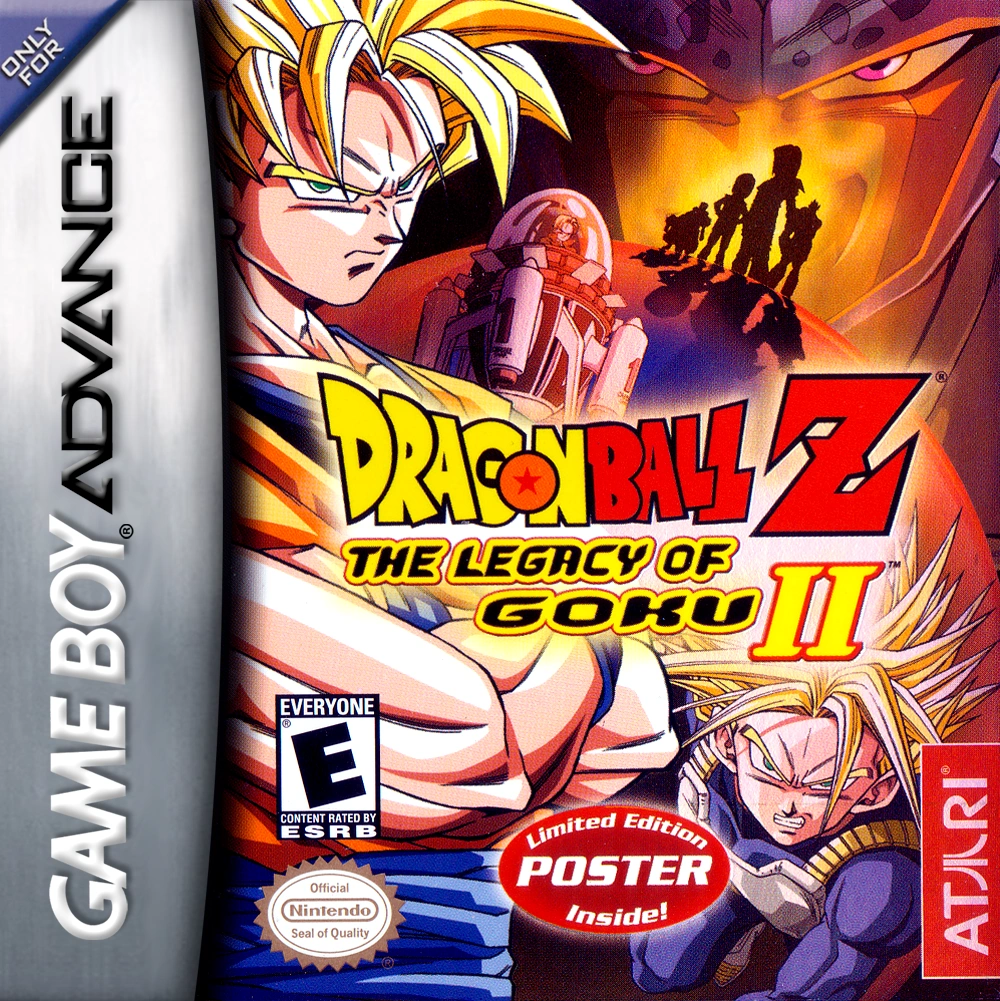
Dragon Ball Z: The Legacy of Goku II
GameDragon Ball Z: The Legacy of Goku II is an action/RPG developed by Webfoot Technologies and published by Atari for the . It is based on the anime Dragon Ball Z and is the sequel to Dragon Ball Z: The Legacy of Goku. The game is followed by Dragon Ball Z: Buu's Fury. It is also the first and only Dragon Ball Z game developed in America to be released in Japan.
Gameplay
Dragon Ball Z: The Legacy of Goku II is a 2D action-RPG that shares structural similarities with its predecessor while introducing notable refinements. Players explore large environments and interact with objects and characters through a single button, but now have access to RPG-style statistics that can improve through leveling up or by equipping capsules scattered throughout the world. Numeric damage indicators appear when characters are hit, with red numbers reflecting lost health and green numbers indicating recovery. Energy attacks drain a meter that recharges when not in use, and the selection of available attacks expands as players progress through the story.
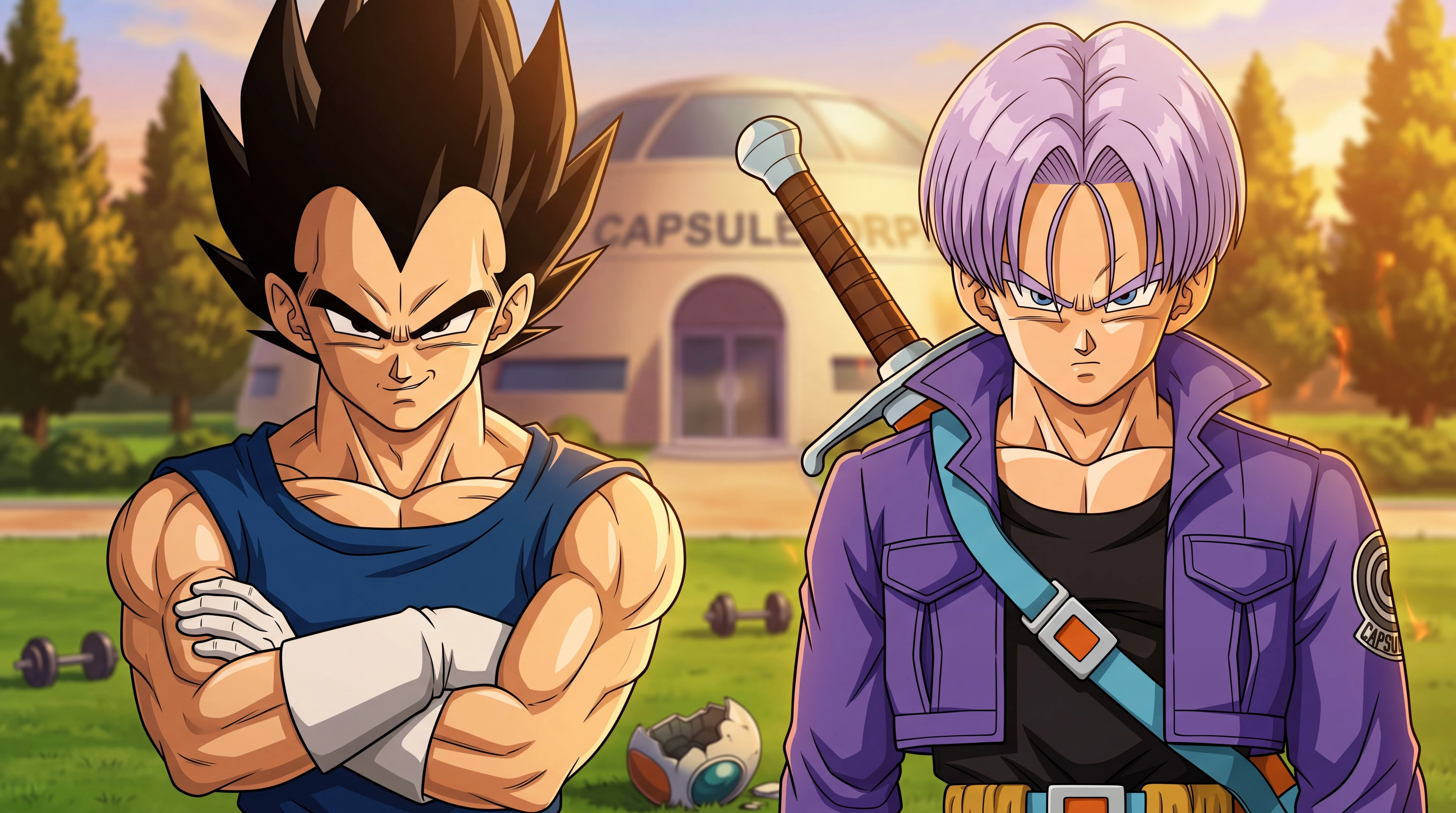
Several characters gain transformation abilities at specific story junctures: Goku, Gohan, Vegeta, and Trunks all access Super Saiyan forms, while Piccolo removes his weighted clothing for a speed boost that also triggers slow passive health recovery. Unlike the first game, players can control multiple characters including Gohan, Piccolo, Vegeta, and Trunks, each with distinct combat styles. Optional side quests allow players to complete non-canonical tasks and fight characters from outside the main manga storyline, such as Cooler. An unlockable Hercule character becomes available after collecting all in-game trophies.


Story
The Legacy of Goku II adapts the Android and Cell sagas, beginning with a brief sequence in Future Trunks' timeline before shifting to the main narrative in Age 764. The story opens as Gohan falls asleep and dreams of Frieza, only to be roused by news that draws the heroes to the Northern Wastelands. A mysterious teenager appears and defeats Frieza before introducing himself to Goku in private as his future son, Trunks, who has traveled back to warn of a pair of Androids destined to emerge on May 12, Age 767. The plot follows the Z Fighters through three years of preparation, the arrival of Androids 17, 18, and 16, the revelation of Cell as a composite Android from the future, and the climactic Cell Games.
Major story beats include Piccolo fusing with Kami to gain the power needed to challenge Cell, the discovery of Cell in an early larval form, the heroes entering the Hyperbolic Time Chamber to train, and the final battle at the Cell Games Arena. The story concludes with Gohan achieving Super Saiyan rage to defeat Perfect Cell, Goku sacrificing himself, and the group using the Dragon Balls to wish back Cell's victims. Trunks returns to his own timeline and destroys the Androids and Cell there, bringing the game to its resolution.

Release and Legacy
The Legacy of Goku II was developed by Webfoot Technologies and published by Atari for the Game Boy Advance. It is the only Dragon Ball Z game developed in America to receive a release in Japan. The game improved upon the original in nearly every measurable way, addressing the first title's criticisms with a more refined RPG progression system, multiple playable characters, and a richer side quest structure.
The game received positive reviews upon release and is generally considered the strongest entry in the Legacy of Goku trilogy, which concluded with Dragon Ball Z: Buu's Fury. Its detailed retelling of the Cell saga, paired with the expanded gameplay freedoms introduced by the sequel format, made it a defining handheld Dragon Ball Z experience for the Game Boy Advance era and a touchstone in discussions of licensed action-RPGs from that period.
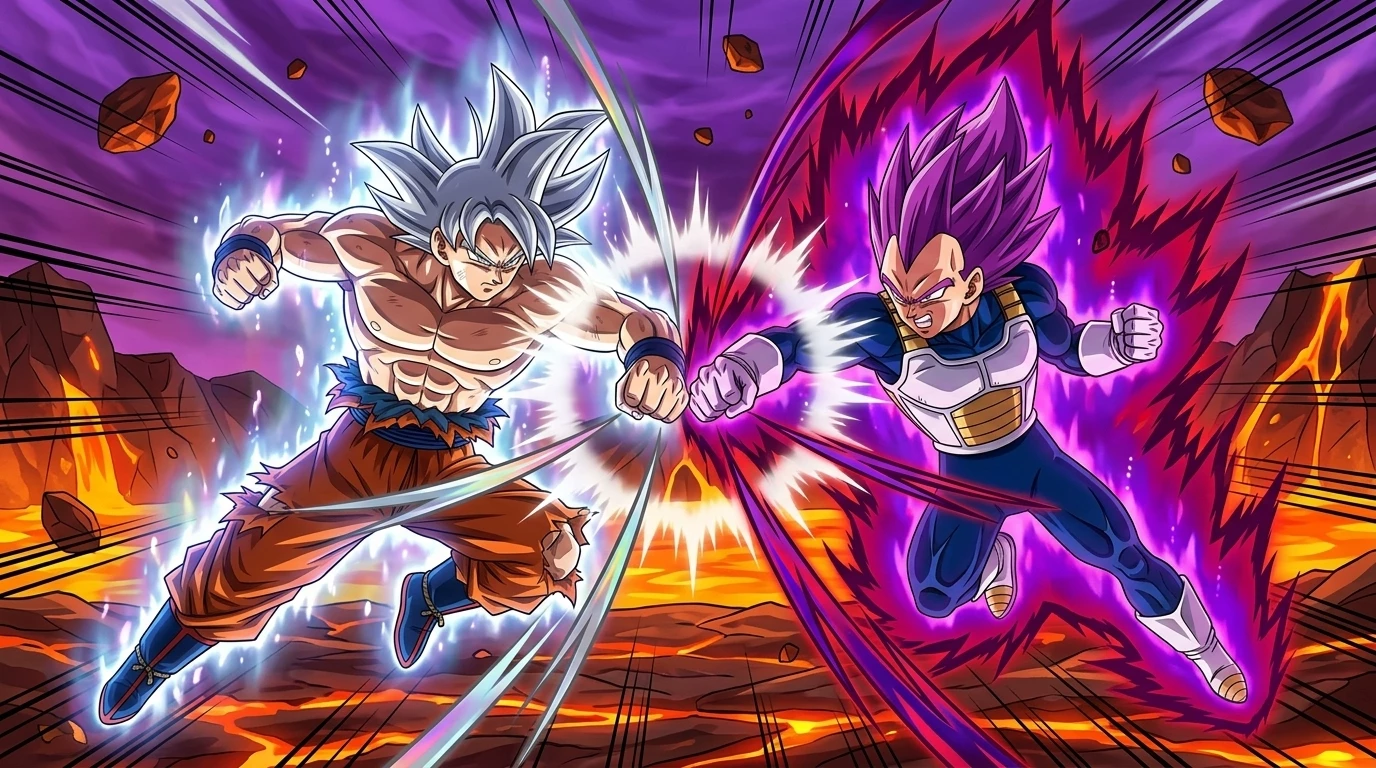
Sparking Zero May 26 Update Adds Demon World Stage and Reworks Transformation Healing
May 27, 2026Bandai Namco shipped a free Dragon Ball: Sparking Zero update on May 26, 2026 that introduces a new Demon World stage, overhauls transformation healing, and confirms the Daima Character Pack and Shallot DLC for release on June 27, 2026....
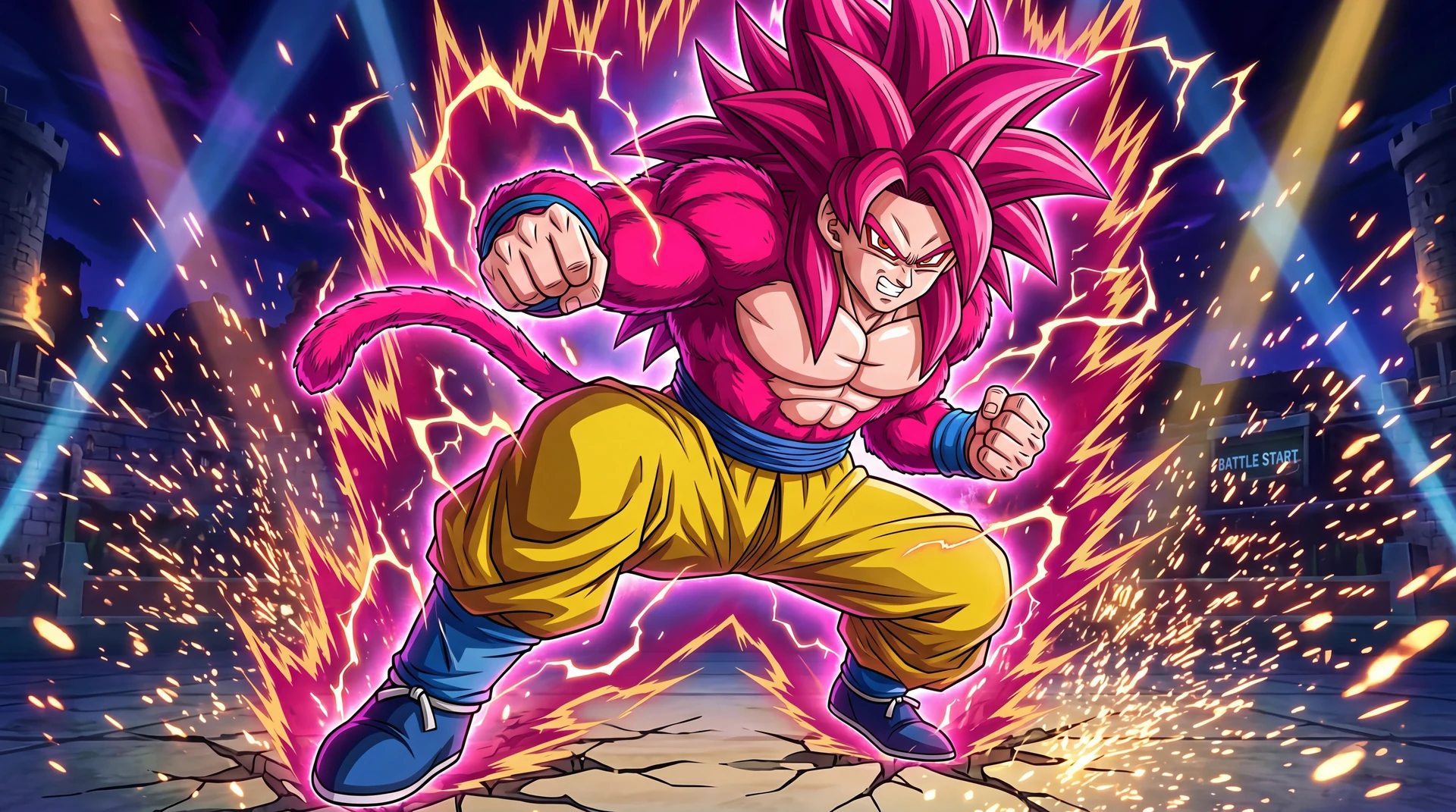
Dragon Ball FighterZ Adds Super Saiyan 4 Goku From Daima
May 25, 2026Dragon Ball FighterZ added Super Saiyan 4 Goku, the form featured in the Daima anime, as DLC on April 22, 2026. The 2018 fighting game is still getting new content nearly eight years on....
Dragon Ball Sparking Zero Super Limit-Breaking NEO DLC Adds 30 Plus Fighters for Summer 2026
Apr 20, 2026Bandai Namco and Spike Chunsoft unveiled the Super Limit-Breaking NEO expansion for Dragon Ball Sparking Zero at Battle Hour 2026. Summer 2026 release, 30 plus characters, four new stages, and a new solo mode....
Sources & Information
Looking for more on Dragon Ball Z: The Legacy of Goku II? The Dragon Ball Wiki on Fandom has a dedicated page with community notes.
View on FandomThis content is original writing by Daddy Jim Headquarters based on the Dragon Ball anime series, manga, and official materials. Episode and chapter references are cited where applicable.
Character and scene imagery on this site is original artwork by Daddy Jim Headquarters, not screenshots or licensed imagery. Official cover art is used on three types of pages for editorial commentary:
- Movie pages: theatrical posters and key visuals, credited to Toei Animation and Shueisha.
- Game pages: official box art, credited to Bandai Namco, Atari, and other publishers.
- Manga chapter pages: Jump Comics volume covers, credited to Shueisha and Akira Toriyama.
Browse our episode guides:
Official resources:
Dragon Ball Music by Daddy Jim Headquarters
Come listen to some Dragon Ball R&B.
Help Us Keep This Wiki Accurate
Daddy Jim Headquarters maintains this encyclopedia across 13 languages. If you spot an error, a translation issue, or something that doesn't look right, let us know.