
Yardrat Saga
SagaAn exclusive saga from the Dragon Ball Z: Sagas video game depicting Goku's final days on Planet Yardrat before returning to Earth. After being nursed back to health by the Yardrats following Namek's destruction, Goku engages in a farewell sparring match with the warrior Soba, testing his abilities one last time before departing for home.
A Saiyan Among the Yardrats
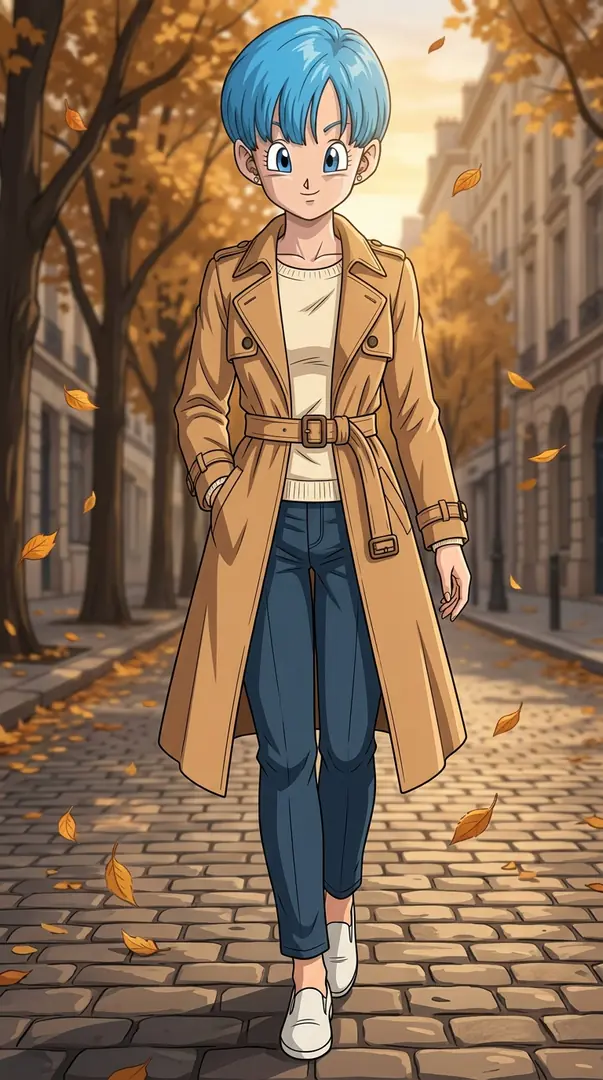
The Yardrat Saga fills a gap in the Dragon Ball Z timeline that the anime and manga only reference in passing. After narrowly escaping Namek's destruction in a Ginyu Force space pod, Goku crash-landed on Planet Yardrat, home to a physically unassuming species with remarkable techniques. The Yardrats nursed the battered Super Saiyan back to health, clothed him in their distinctive outfit, and over the following months taught him the Instant Transmission technique that would become one of his signature abilities.
In this video game-exclusive scenario, Goku's stay on Yardrat concludes with a sparring match against Soba, one of the planet's strongest warriors. Soba fights alongside smaller Yardrat creatures called Yaki, testing Goku's reflexes and combat instincts in a final friendly bout before the Saiyan departs for Earth. Despite the numerical disadvantage, Goku defeats Soba, and the two warriors part on warm terms.


The Lost Chapter
Goku's time on Yardrat has always been one of Dragon Ball's most tantalizing narrative gaps. The anime shows him arriving on Earth wearing Yardrat clothing and demonstrating Instant Transmission to his stunned friends, but the actual period of recovery and training is never depicted in the main series. The Yardrat Saga from Dragon Ball Z: Sagas represents one of the few attempts to explore this period through gameplay.
The fight against Soba, while modest in scope, reinforces the idea that Goku's time on Yardrat was not passive recovery. He trained, he sparred, and he earned the techniques the Yardrats shared with him. The Yardrats themselves, small and physically unremarkable, embody a recurring Dragon Ball theme: that true power is not always visible on the surface. Their Instant Transmission technique, which Goku carries with him for the rest of the series, proves far more strategically valuable than any raw power increase.

Between Namek and Home
The Yardrat Saga's significance extends beyond its brief runtime. The Dragon Ball Super manga later revisits Planet Yardrat during the Galactic Patrol Prisoner Saga, where Vegeta trains with the Yardrats and learns Spirit Control, a discipline that encompasses Instant Transmission, forced spirit fission, and other techniques rooted in ki manipulation. This retroactive expansion confirms that the Yardrats' teachings are among the most valuable in the Dragon Ball universe, and Goku's time among them planted seeds that the franchise continues to harvest decades later.
As a video game-exclusive story, the Yardrat Saga holds a unique place in Dragon Ball lore. It is one of the few non-canonical sagas that fills a gap the main series acknowledges but never explores, giving fans a small window into Goku's missing year between Namek and his dramatic return to Earth. Brief as it is, it honors the quiet truth that some of Goku's most important growth happens offscreen, in places far from battle, among people who fight with their minds rather than their fists.
Dragon Ball Daima Blu-ray Confirmed for August 11 Release After March Delay
May 27, 2026Crunchyroll confirmed an August 11, 2026 Blu-ray release for Dragon Ball Daima after the originally planned March 3 date was pulled. Standard and limited editions opened for pre-order on the Crunchyroll Store the same week as the new announcement....
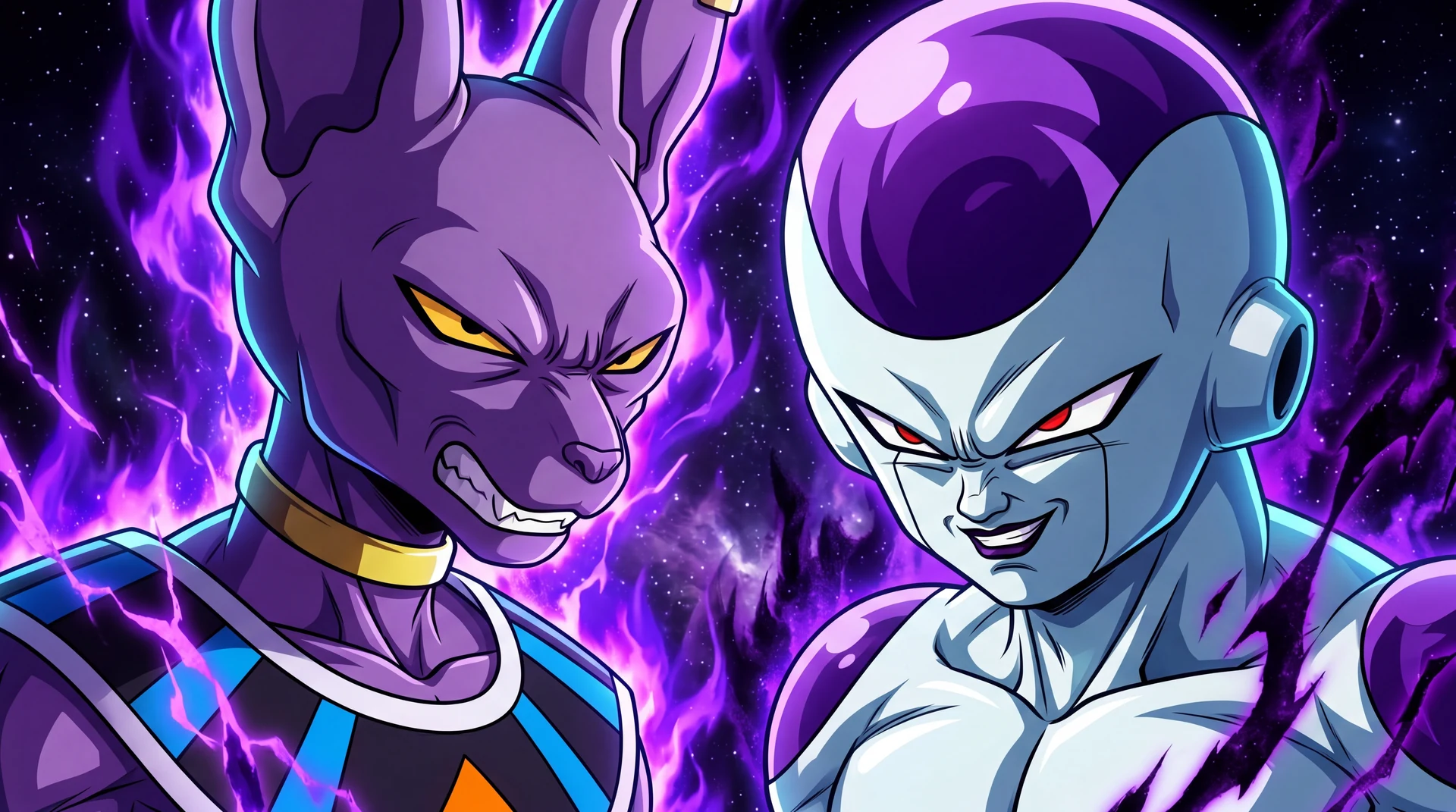
New Dragon Ball Super: Beerus Trailer Reveals Frieza
May 25, 2026The Super Gekitou trailer for Dragon Ball Super: Beerus debuted on April 19, 2026 at Dragon Ball Games Battle Hour and ends with Frieza awaiting his resurrection. The enhanced remake of the original anime premieres in Fall 2026....
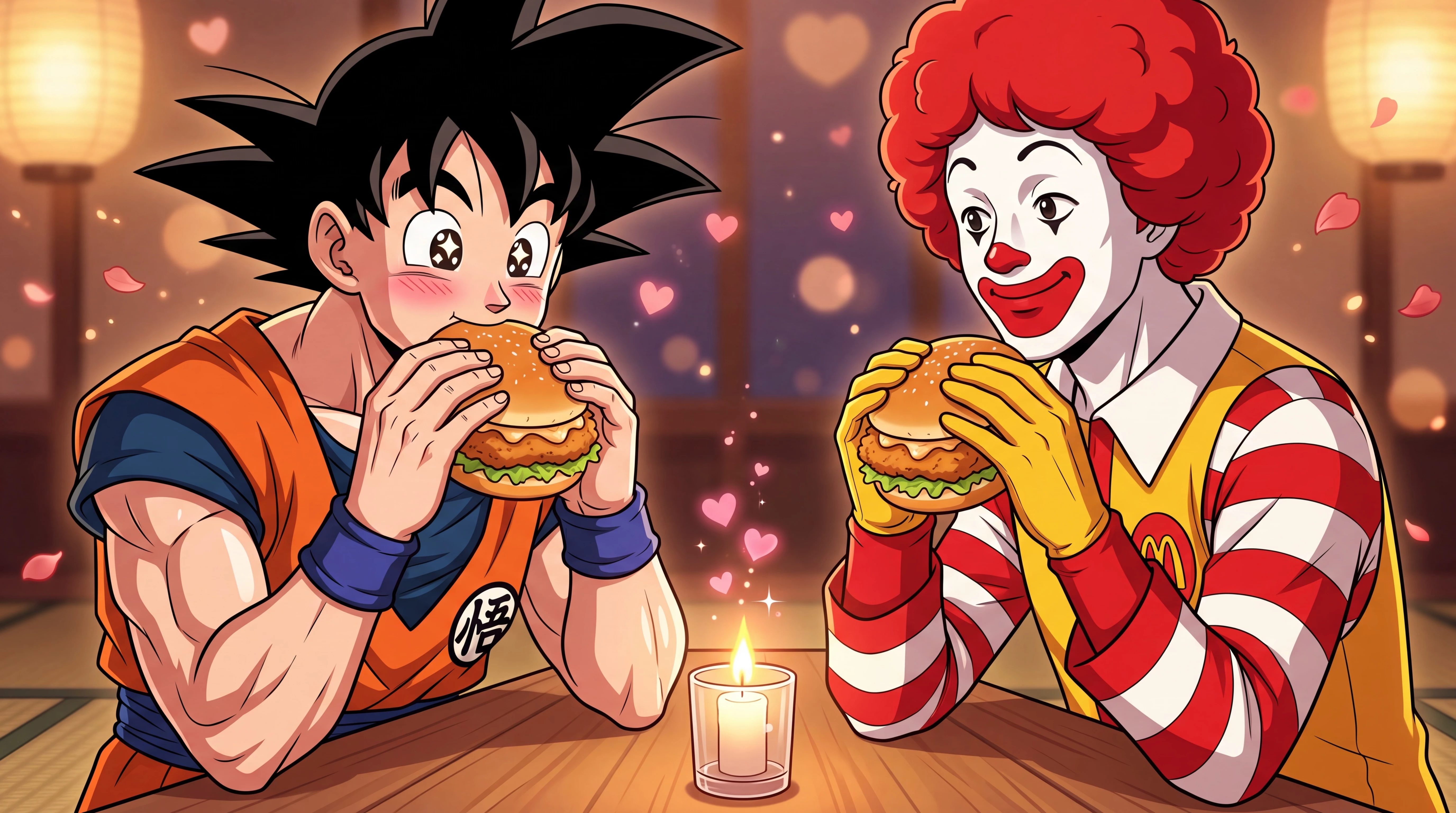
Masako Nozawa Stars in McDonald's Japan Baki Dating Sim Spoof for the Chicken Tatsuta Campaign
Apr 20, 2026McDonald's Japan dropped a 35-second dating sim parody starring Masako Nozawa, the voice of Goku since 1986, opposite Baki Hanma and Kaio Retsu, built around the Spring Chicken Tatsuta burger....
Sources & Information
Looking for more on Yardrat Saga? The Dragon Ball Wiki on Fandom has a dedicated page with community notes.
View on FandomThis content is original writing by Daddy Jim Headquarters based on the Dragon Ball anime series, manga, and official materials. Episode and chapter references are cited where applicable.
Character and scene imagery on this site is original artwork by Daddy Jim Headquarters, not screenshots or licensed imagery. Official cover art is used on three types of pages for editorial commentary:
- Movie pages: theatrical posters and key visuals, credited to Toei Animation and Shueisha.
- Game pages: official box art, credited to Bandai Namco, Atari, and other publishers.
- Manga chapter pages: Jump Comics volume covers, credited to Shueisha and Akira Toriyama.
Browse our episode guides:
Official resources:
Dragon Ball Music by Daddy Jim Headquarters
Come listen to some Dragon Ball R&B.
Help Us Keep This Wiki Accurate
Daddy Jim Headquarters maintains this encyclopedia across 13 languages. If you spot an error, a translation issue, or something that doesn't look right, let us know.