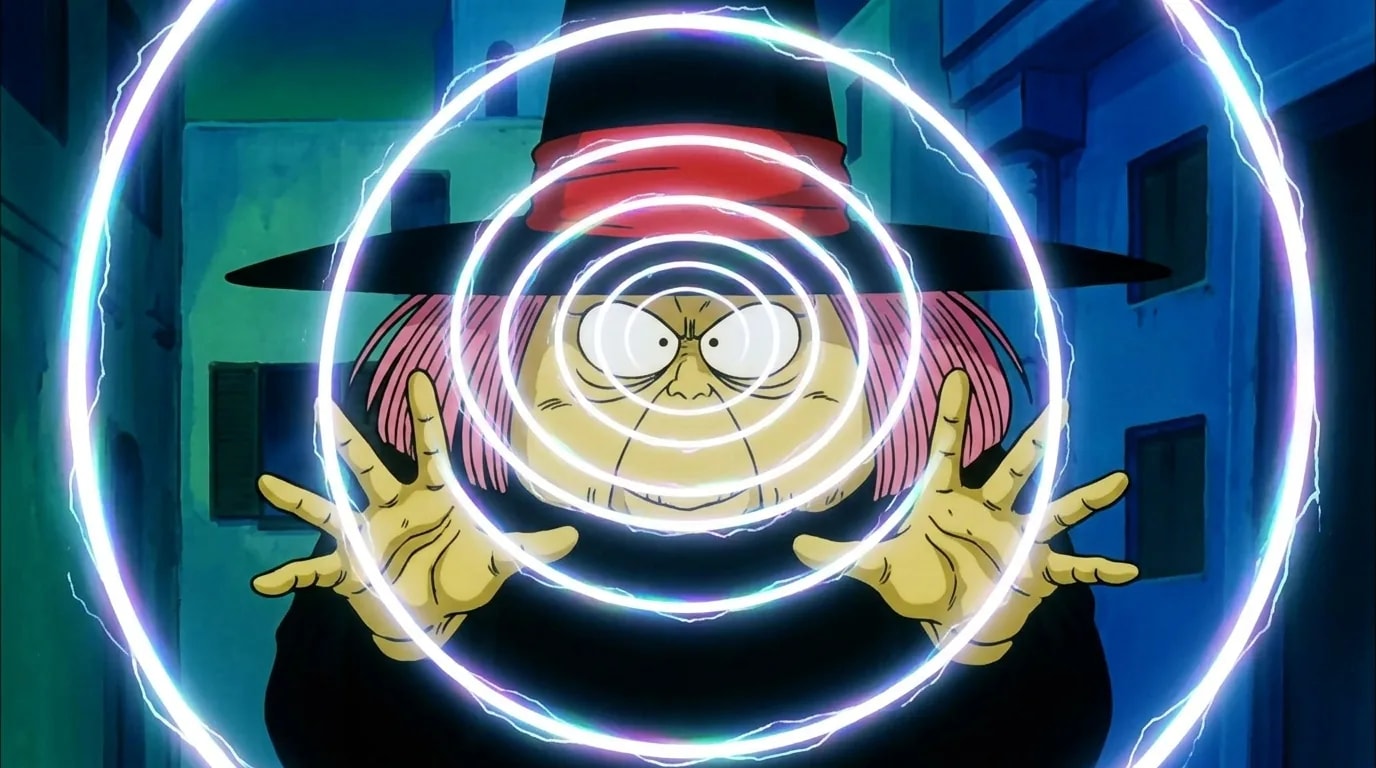
Hypnosis Technique
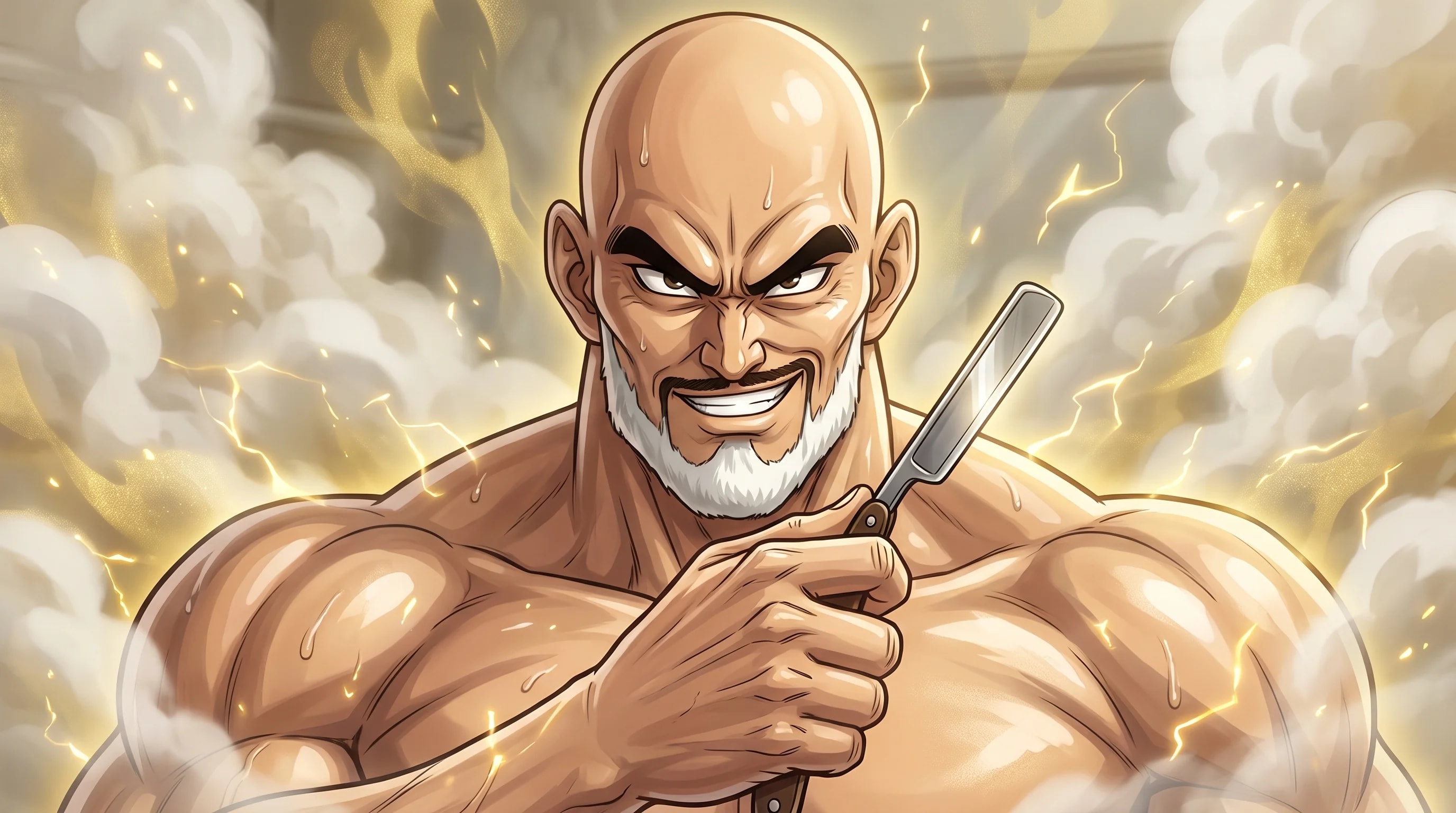
TechniqueA mind-control technique used by several characters throughout the franchise to hypnotize, control, or put targets to sleep. Master Roshi, Fortuneteller Baba, and Hell Fighter 17 are among its most notable practitioners.
Art of Hypnosis
The Hypnosis Technique, known as Saimin no Jutsu in Japanese, encompasses several methods of psychically influencing a target's mind. Practitioners stare into their victim's eyes or use specific gestures to induce a trance state. The effects range from mild suggestion (convincing someone of something) to full-on brainwashing and mind control. Different users employ different variations, but the core principle is the same: overwhelming the target's willpower with psychic influence.
The technique's effectiveness appears to depend on both the practitioner's skill and the target's mental resilience. Powerful fighters with strong willpower can potentially resist it, though even they are not immune when caught off guard.

Roshi's Tournament Tricks
Master Roshi, disguised as Jackie Chun, first uses his Sleepy Boy Technique variant during the 21st World Martial Arts Tournament to put Goku to sleep during their match. It works beautifully until Bulma shouts "Dinner!" and Goku snaps awake, driven by his bottomless appetite.
The more creative application comes at the 22nd Tournament, where Roshi hypnotizes Man-Wolf. The bestial fighter had been stuck in his wolf form since Roshi destroyed the moon with a MAX Power Kamehameha to revert Great Ape Goku during the previous tournament. Since Man-Wolf needs moonlight to transform back into a human, Roshi hypnotizes him into believing that Krillin's bald, shiny head is the full moon. Amazingly, it works, and Man-Wolf reverts to human form.
The Para Brothers and Android 17
In Dragon Ball GT, hypnosis takes several sinister forms. The Para Brothers use a hypnotic dance called the Para Para Boogie that forces targets to dance along involuntarily. More importantly, Hell Fighter 17 uses a brainwashing version to control Android 17, turning him against his allies. The controlled 17 even briefly hypnotizes Android 18 before fusing with his demonic counterpart to become Super 17.
Super and Beyond
Master Roshi deploys the Sleepy Boy Technique during the Tournament of Power against the transformed Ganos, showing the old master still has mental tricks up his sleeve alongside his physical ones. In the Dragon Ball Super manga's Granolah arc, the elderly Namekian Monaito uses Hypnosis to knock out a young Granolah during a flashback, and later puts Macki and Oil to sleep to prevent them from interfering with the battle against Gas.
In the Xenoverse series, Videl and Pan both have access to the technique, and custom characters can learn it through specific quest rewards. The technique's long history across the franchise shows that raw power isn't the only path to victory; sometimes, the most effective weapon is simply convincing your opponent they're already beaten.
Related Reading
See all
Krillin's on the Tinder: How the Ultimate Short King Survived the Height Filter
Tinder built a height filter. Dragon Ball built a five foot legend. What happened when we sent the ultimate short king into the modern dating hellscape....
Infinite Zeni Glitch: When Yamcha Never Pays and Mr. Popo Always Does
The internet found an infinite money glitch. So did Yamcha. A smooth R&B track about the easiest money in the Dragon Ball world and the one man who keeps paying for it....
Frequently Asked Questions
What are the techniques of hypnosis?
A mind-control technique used by several characters throughout the franchise to hypnotize, control, or put targets to sleep. Master Roshi, Fortuneteller Baba, and Hell Fighter 17 are among its most notable practitioners.
How does Hypnosis Technique work?
The Hypnosis Technique, known as Saimin no Jutsu in Japanese, encompasses several methods of psychically influencing a target's mind. Practitioners stare into their victim's eyes or use specific gestures to induce a trance state. The effects range from mild suggestion (convincing someone of something) to full-on brainwashing and mind control.
Who has used Hypnosis Technique?
Master Roshi, disguised as Jackie Chun, first uses his Sleepy Boy Technique variant during the 21st World Martial Arts Tournament to put Goku to sleep during their match. It works beautifully until Bulma shouts "Dinner!" and Goku snaps awake, driven by his bottomless appetite. The more creative application comes at the 22nd Tournament, where Roshi hypnotizes Man-Wolf.
When does Hypnosis Technique first appear?
Hypnosis Technique first appears in Number One Under the Moon? (DB Episode 22). In the manga, it debuts in the Big Sleep arc. A mind-control technique used by several characters throughout the franchise to hypnotize, control, or put targets to sleep.
How is Hypnosis Technique represented in Dragon Ball video games?
Master Roshi deploys the Sleepy Boy Technique during the Tournament of Power against the transformed Ganos, showing the old master still has mental tricks up his sleeve alongside his physical ones. In the Dragon Ball Super manga's Granolah arc, the elderly Namekian Monaito uses Hypnosis to knock out a young Granolah during a flashback, and later puts Macki and Oil to sleep to prevent them from interfering with the battle against Gas. In the Xenoverse series, Videl and Pan both have access to the technique, and custom characters can learn it through specific quest rewards.
Sources & Information
Looking for more on Hypnosis Technique? The Dragon Ball Wiki on Fandom has a dedicated page with community notes.
View on FandomThis content is original writing by Daddy Jim Headquarters based on the Dragon Ball anime series, manga, and official materials. Episode and chapter references are cited where applicable.
Character and scene imagery on this site is original artwork by Daddy Jim Headquarters, not screenshots or licensed imagery. Official cover art is used on three types of pages for editorial commentary:
- Movie pages: theatrical posters and key visuals, credited to Toei Animation and Shueisha.
- Game pages: official box art, credited to Bandai Namco, Atari, and other publishers.
- Manga chapter pages: Jump Comics volume covers, credited to Shueisha and Akira Toriyama.
Browse our episode guides:
Official resources:
Help Us Keep This Wiki Accurate
Daddy Jim Headquarters maintains this encyclopedia. If you spot an error, a translation issue, or something that doesn't look right, let us know.