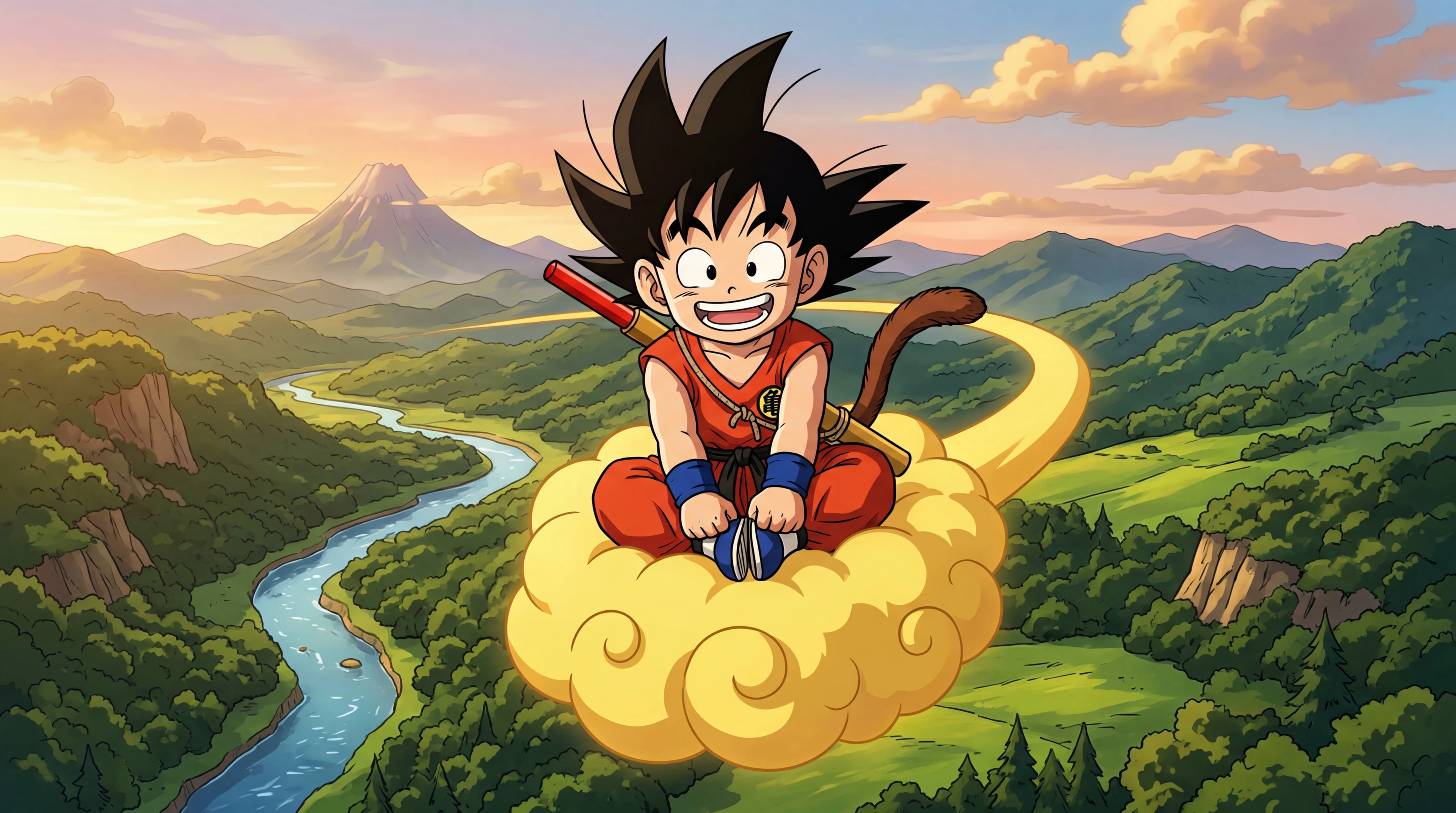
One-Handed Kamehameha
TechniqueA Kamehameha fired with a single hand, typically born from desperation when one arm is disabled. Made famous by Gohan's one-armed blast against Cell and Future Gohan's last stand against the Androids.
When One Arm Is All You Have
The One-Handed Kamehameha is not a separate technique so much as it is a testament to its users' determination. The standard Kamehameha requires both hands cupped together to shape and direct the energy. When a fighter loses the use of one arm, whether through injury, exhaustion, or amputation, they must channel the entire blast through a single hand. This requires greater concentration and ki control, as the energy that would normally be balanced between two palms must be directed through one.
Goku was the first to use it, firing a one-handed Kamehameha during the 23rd World Martial Arts Tournament when Piccolo had disabled one of his arms. The blast was successful, proving that the technique was viable even under compromised conditions. But it was Goku's sons who truly made the One-Handed Kamehameha iconic.

Gohan's Defining Moment
The most famous One-Handed Kamehameha in Dragon Ball history occurred at the climax of the Cell Games. After Cell killed Android 16 and triggered Gohan's transformation into Super Saiyan 2, Gohan dominated the Bio-Android. But Cell self-destructed and returned as Super Perfect Cell, and in the explosion, Gohan's left arm was severely injured protecting Vegeta.
With one arm hanging useless at his side and his father's spirit standing beside him, Gohan channeled every last ounce of his power into a one-handed Kamehameha. Cell fired his own beam, and the two attacks collided in the most emotional beam clash in Dragon Ball Z. Goku's encouragement from the afterlife and Vegeta's surprise blast from the sidelines gave Gohan the opening he needed. The young half-Saiyan pushed through and obliterated Super Perfect Cell with a single arm. "I've got one arm left," Gohan declared, "but that's all I need."
Future Gohan's Last Stand
The History of Trunks special added another layer of tragedy to the One-Handed Kamehameha. Future Gohan, who had lost his left arm in a previous battle against Androids 17 and 18, used the one-handed version as his standard Kamehameha. In his final fight, knowing he was going to die, Future Gohan fired one last one-handed blast before the Androids overwhelmed and killed him. Future Trunks discovering his mentor's body in the rain, the image of a warrior who fought until the very end with the only arm he had left, remains one of the franchise's most powerful scenes.
Master Roshi also demonstrated the One-Handed Kamehameha during the Tournament of Power in Dragon Ball Super, proving that even the technique's original inventor could adapt when circumstances demanded it. In video games, the technique is available as a distinct skill in Xenoverse 2 and appears throughout the Dragon Ball Heroes series, typically associated with Gohan's most desperate and determined moments.
Related Reading
See all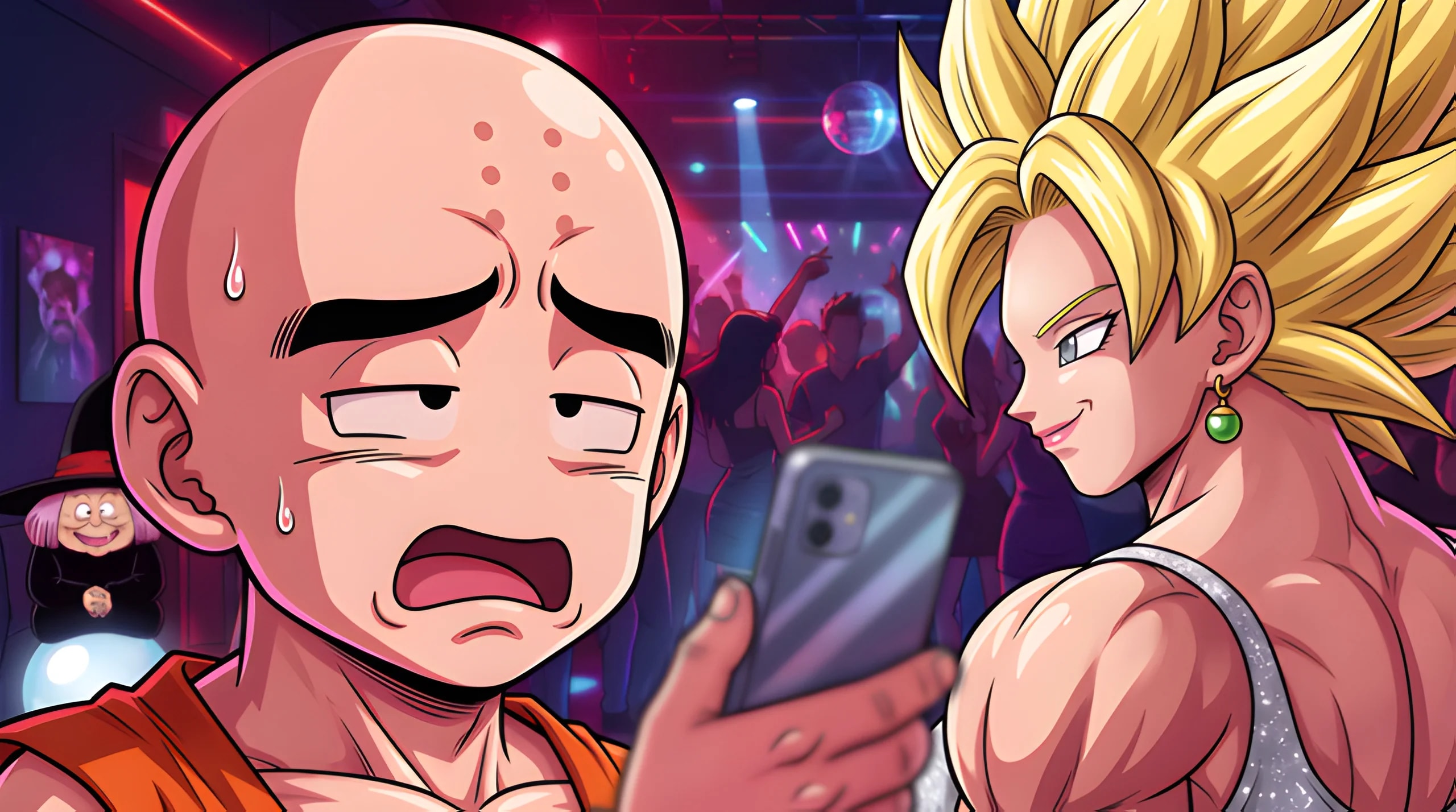
Krillin's on the Tinder: How the Ultimate Short King Survived the Height Filter
Tinder built a height filter. Dragon Ball built a five foot legend. What happened when we sent the ultimate short king into the modern dating hellscape....
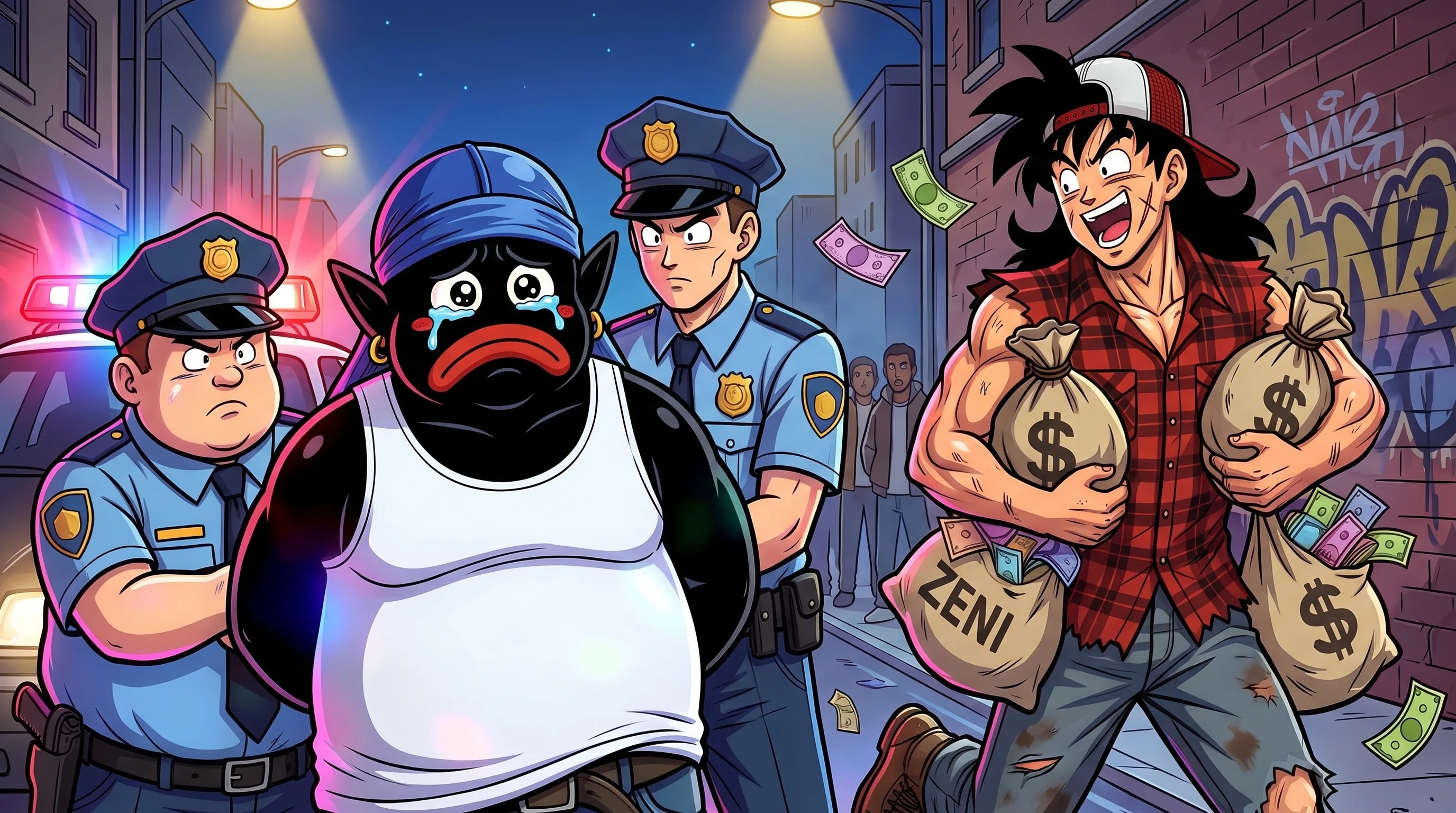
Infinite Zeni Glitch: When Yamcha Never Pays and Mr. Popo Always Does
The internet found an infinite money glitch. So did Yamcha. A smooth R&B track about the easiest money in the Dragon Ball world and the one man who keeps paying for it....
Frequently Asked Questions
Can you do a Kamehameha with one hand?
Yes. The One-Handed Kamehameha is a single-hand variant of the standard two-hand Kamehameha. It requires greater concentration and ki control because the energy that would normally be balanced between two palms must be directed through a single hand, and it is typically born from desperation when one arm is disabled.
Who invented the One-Handed Kamehameha?
Goku was the first to use it, firing a one-handed Kamehameha during the 23rd World Martial Arts Tournament when Piccolo had disabled one of his arms. The blast was successful, proving that the technique was viable even under compromised conditions, but Goku's sons made it truly iconic later on.
When did Gohan use the One-Handed Kamehameha against Cell?
Gohan fired the most famous One-Handed Kamehameha at the climax of the Cell Games. With his left arm severely injured after protecting Vegeta from Super Perfect Cell's explosion, Gohan channeled every last ounce of his power into a one-handed Kamehameha that obliterated Cell, declaring 'I've got one arm left, but that's all I need.'
Why does Future Gohan only use one hand?
Future Gohan had lost his left arm in a previous battle against Androids 17 and 18, so he used the one-handed Kamehameha as his standard. In his final fight, knowing he was going to die, he fired one last one-handed blast before the Androids overwhelmed and killed him.
How to get One-Handed Kamehameha in Xenoverse 2?
The One-Handed Kamehameha is available as a distinct skill in Xenoverse 2 and appears throughout the Dragon Ball Heroes series. It is typically associated with Gohan's most desperate and determined moments and was also demonstrated by Master Roshi during the Tournament of Power in Dragon Ball Super.
Sources & Information
Looking for more on One-Handed Kamehameha? The Dragon Ball Wiki on Fandom has a dedicated page with community notes.
View on FandomThis content is original writing by Daddy Jim Headquarters based on the Dragon Ball anime series, manga, and official materials. Episode and chapter references are cited where applicable.
Character and scene imagery on this site is original artwork by Daddy Jim Headquarters, not screenshots or licensed imagery. Official cover art is used on three types of pages for editorial commentary:
- Movie pages: theatrical posters and key visuals, credited to Toei Animation and Shueisha.
- Game pages: official box art, credited to Bandai Namco, Atari, and other publishers.
- Manga chapter pages: Jump Comics volume covers, credited to Shueisha and Akira Toriyama.
Browse our episode guides:
Official resources:
Help Us Keep This Wiki Accurate
Daddy Jim Headquarters maintains this encyclopedia. If you spot an error, a translation issue, or something that doesn't look right, let us know.