Power Up
TechniqueThe universal technique of amplifying one's ki to increase strength, speed, and combat effectiveness. Used by virtually every fighter in the Dragon Ball universe in various forms.
The Foundation of Every Fight
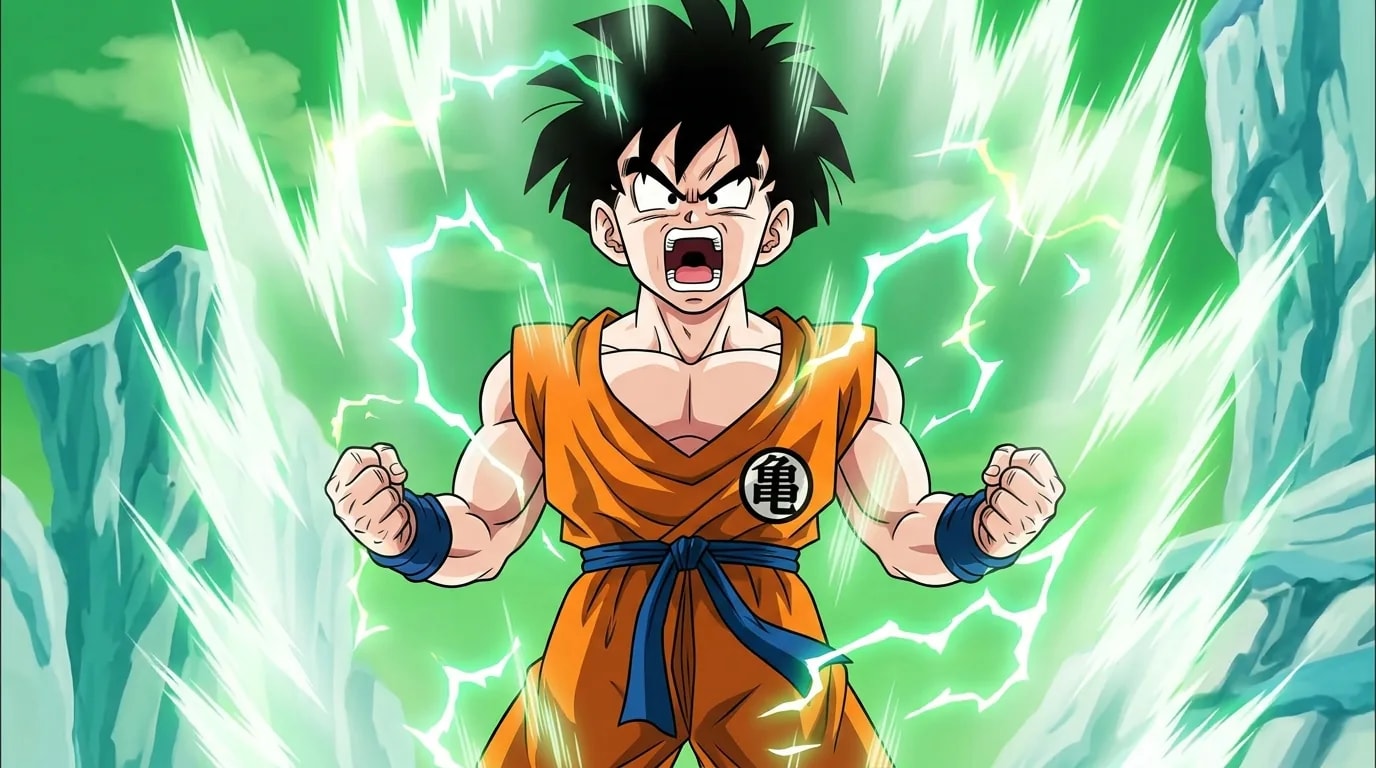
Powering up is the most fundamental technique in Dragon Ball. At its core, it is the act of drawing out and amplifying one's ki, the life energy that fuels every attack, transformation, and special ability in the series. The visual signature is iconic: the fighter clenches their fists, the ground cracks, wind gusts outward, and a blazing aura erupts around their body. Rocks levitate. Mountains crumble. Entire planets have shaken from the force of a sufficiently powerful charge-up.
There are several distinct types. Ki Concentration focuses energy into a specific point for more powerful individual attacks, like channeling everything into a Kamehameha. Ki Increase is a broader amplification of overall battle power, the classic screaming-while-the-aura-grows method. Transformations like Super Saiyan represent a more dramatic version where the body itself changes to accommodate a higher baseline power level.



When the Scouters Break
One of the most interesting things about powering up is how rare the ability actually is in the Dragon Ball universe. Frieza's army conquers countless worlds, yet the concept of suppressing and raising one's battle power baffles nearly every soldier in the empire. The Z Fighters repeatedly exploit this on Namek, hiding their true strength until the moment of engagement. Only Captain Ginyu recognizes what Goku is doing when he powers up, and even he calls Goku a "rare fighter" for possessing the skill.
The technique also carries real risks. The Kaio-ken, one of the most advanced power-up methods, damages the user's body with each multiplier increase. Super Saiyan Third Grade bulks the muscles so much that speed becomes useless. And when Frieza powered up before fighting Goku during his revenge on Earth, the sheer energy output vaporized every remaining member of his own army standing nearby.

Emotion as the Trigger
Some of the series' most memorable moments revolve around involuntary power-ups driven by extreme emotion. Gohan's rage against Raditz, his fury at watching Videl get beaten by Spopovich, the grief of watching Android 16 crushed by Cell. These emotional surges bypass the need for deliberate ki control and produce explosive, uncontrolled spikes in power that often surpass what the fighter could achieve through training alone.
This emotional component is what makes powering up feel so distinct from simple magic or technology. It is tied to willpower, to the refusal to accept defeat, to caring about something so deeply that the body responds with everything it has. That is why, even after thousands of episodes, watching a character power up in Dragon Ball still carries genuine weight.
Related Reading
See all
Krillin's on the Tinder: How the Ultimate Short King Survived the Height Filter
Tinder built a height filter. Dragon Ball built a five foot legend. What happened when we sent the ultimate short king into the modern dating hellscape....
Infinite Zeni Glitch: When Yamcha Never Pays and Mr. Popo Always Does
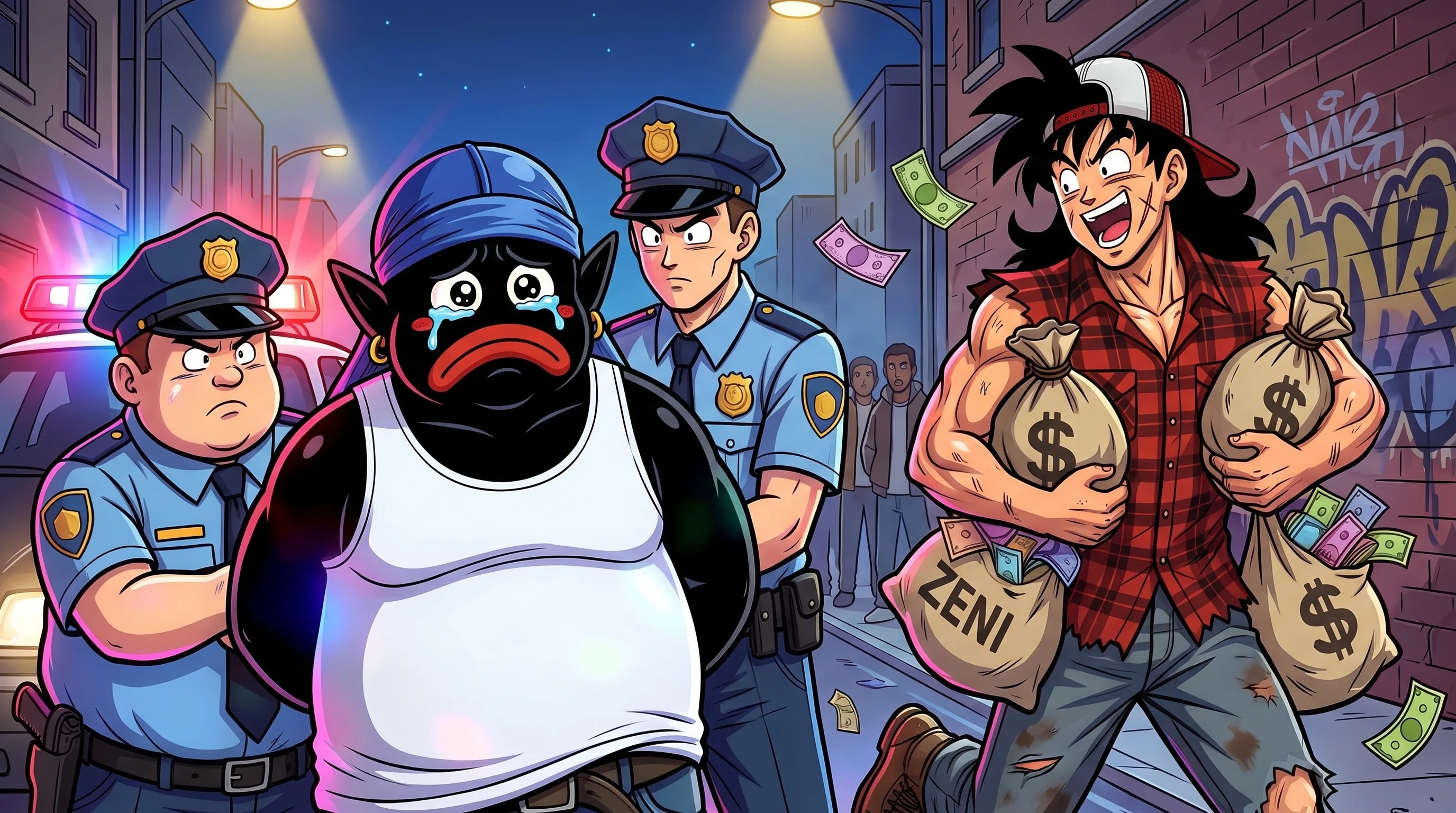
The internet found an infinite money glitch. So did Yamcha. A smooth R&B track about the easiest money in the Dragon Ball world and the one man who keeps paying for it....
Frequently Asked Questions
What is powering up in Dragon Ball?
Powering up is the most fundamental technique in Dragon Ball, the act of drawing out and amplifying one's ki to increase strength, speed, and combat effectiveness. The visual signature is iconic: the fighter clenches their fists, the ground cracks, wind gusts outward, and a blazing aura erupts around their body.
What are the types of power-up in Dragon Ball?
There are several distinct types. Ki Concentration focuses energy into a specific point for more powerful individual attacks, Ki Increase is a broader amplification of overall battle power, and Transformations like Super Saiyan represent a more dramatic version where the body itself changes to accommodate a higher baseline power level.
Why can't most Frieza Force soldiers power up?
Powering up is actually a rare ability in the Dragon Ball universe. Frieza's army conquers countless worlds, yet the concept of suppressing and raising one's battle power baffles nearly every soldier in the empire. Only Captain Ginyu recognizes what Goku is doing when he powers up on Namek, and even he calls Goku a 'rare fighter' for possessing the skill.
What are the risks of powering up?
The technique carries real risks. The Kaio-ken damages the user's body with each multiplier increase, Super Saiyan Third Grade bulks the muscles so much that speed becomes useless, and when Frieza powered up before fighting Goku during his revenge on Earth, the sheer energy output vaporized every remaining member of his own army standing nearby.
What is an emotional power-up in Dragon Ball?
Some of the series' most memorable moments revolve around involuntary power-ups driven by extreme emotion. Gohan's rage against Raditz, his fury at watching Videl get beaten by Spopovich, and his grief over Android 16 being crushed by Cell are emotional surges that bypass deliberate ki control and produce explosive, uncontrolled spikes in power.
Sources & Information
Looking for more on Power Up? The Dragon Ball Wiki on Fandom has a dedicated page with community notes.
View on FandomThis content is original writing by Daddy Jim Headquarters based on the Dragon Ball anime series, manga, and official materials. Episode and chapter references are cited where applicable.
Character and scene imagery on this site is original artwork by Daddy Jim Headquarters, not screenshots or licensed imagery. Official cover art is used on three types of pages for editorial commentary:
- Movie pages: theatrical posters and key visuals, credited to Toei Animation and Shueisha.
- Game pages: official box art, credited to Bandai Namco, Atari, and other publishers.
- Manga chapter pages: Jump Comics volume covers, credited to Shueisha and Akira Toriyama.
Browse our episode guides:
Official resources:
Help Us Keep This Wiki Accurate
Daddy Jim Headquarters maintains this encyclopedia. If you spot an error, a translation issue, or something that doesn't look right, let us know.