Sleepy Boy Technique
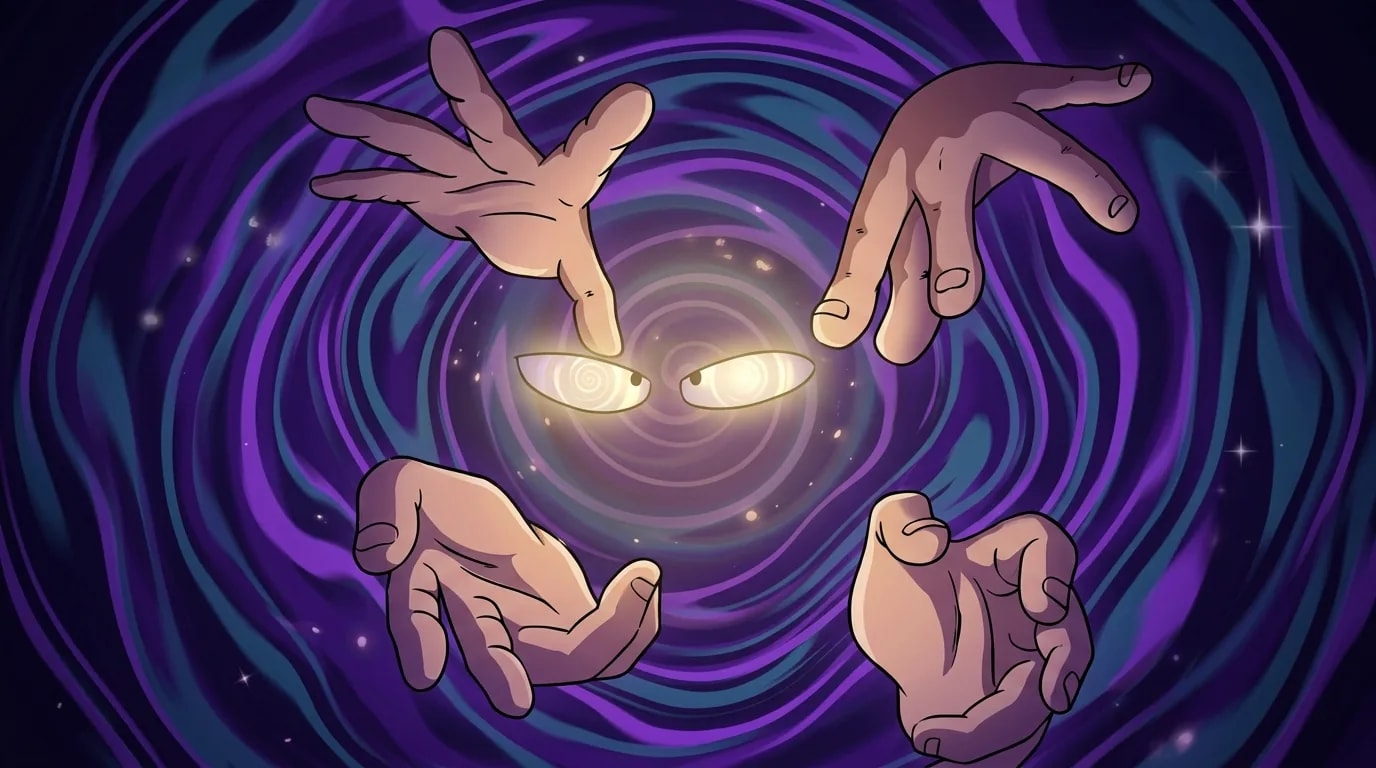
TechniqueMaster Roshi's hypnosis technique that puts opponents to sleep using rhythmic hand motions and soothing vocal sounds. Nearly defeated Goku in the 21st World Tournament before Bulma yelled about dinner.
Lullaby Fists
The Sleepy Boy Technique is one of Dragon Ball's most wonderfully absurd moves. The user performs a series of hypnotic hand motions while making strange, soothing vocal sounds, lulling the opponent into a deep sleep. Once the target is unconscious, they can be counted out in a tournament setting or simply left defenseless. It requires no ki, no physical contact, and absolutely no dignity on the part of the user.


Dinner Saves the Day
Jackie Chun, Master Roshi's tournament alter ego, uses the Sleepy Boy Technique against young Goku in the finals of the 21st World Martial Arts Tournament. The hypnosis works perfectly: Goku's eyes droop, his guard drops, and he begins snoring on the tournament floor. The referee starts counting. All looks lost for the wild monkey-tailed boy.
Then Bulma shouts "Dinner time!!!!" from the stands. Goku's eyes snap open. He springs to his feet, wide awake and hungry, before the count reaches ten. It is classic early Dragon Ball: a legitimate fighting technique defeated by the protagonist's bottomless appetite. Roshi can only stare in disbelief as his carefully executed hypnosis crumbles at the mention of food.

Roshi Tries Again at the Tournament of Power
The technique returns much later in Dragon Ball Super during the Tournament of Power, where Master Roshi attempts it against the transformed Ganos. The hypnosis takes hold, and Ganos begins to fall asleep. But unlike the naive child Goku of the 21st Tournament, Ganos is a seasoned fighter who manages to shock himself awake through his own electrical transformation energy. The technique fails, proving that while the Sleepy Boy Technique has endured across decades of the franchise, the opponents have gotten considerably better at resisting it.
In the Xenoverse games, the move goes by "Lullaby Punch" and can be obtained by players. Dragon Ball Fusions includes powered-up variants called "Slumber Punch" and "Coma Punch," escalating the hypnotic potency with each tier.
Related Reading
See all
Krillin's on the Tinder: How the Ultimate Short King Survived the Height Filter
Tinder built a height filter. Dragon Ball built a five foot legend. What happened when we sent the ultimate short king into the modern dating hellscape....

Infinite Zeni Glitch: When Yamcha Never Pays and Mr. Popo Always Does
The internet found an infinite money glitch. So did Yamcha. A smooth R&B track about the easiest money in the Dragon Ball world and the one man who keeps paying for it....
Frequently Asked Questions
What is the Sleepy Boy Technique?
The Sleepy Boy Technique is Master Roshi's hypnosis technique that puts opponents to sleep. The user performs a series of hypnotic hand motions while making strange, soothing vocal sounds, lulling the opponent into a deep sleep, and it requires no ki and no physical contact.
When did Jackie Chun use the Sleepy Boy Technique on Goku?
Jackie Chun, Master Roshi's tournament alter ego, used the Sleepy Boy Technique against young Goku in the finals of the 21st World Martial Arts Tournament. The hypnosis worked perfectly: Goku's eyes drooped, his guard dropped, and he began snoring on the tournament floor while the referee started counting.
How did Goku escape the Sleepy Boy Technique?
Bulma shouted 'Dinner time!!!!' from the stands, and Goku's eyes snapped open. He sprang to his feet wide awake and hungry before the count reached ten, defeating one of Roshi's most carefully executed techniques with his bottomless appetite.
Did Master Roshi use the Sleepy Boy Technique in Dragon Ball Super?
Yes. The technique returned during the Tournament of Power, where Master Roshi attempted it against the transformed Ganos. The hypnosis took hold and Ganos began to fall asleep, but the seasoned fighter managed to shock himself awake through his own electrical transformation energy.
What is the Sleepy Boy Technique called in Xenoverse?
In the Xenoverse games, the move goes by 'Lullaby Punch' and can be obtained by players. Dragon Ball Fusions includes powered-up variants called 'Slumber Punch' and 'Coma Punch,' escalating the hypnotic potency with each tier.
Sources & Information
Looking for more on Sleepy Boy Technique? The Dragon Ball Wiki on Fandom has a dedicated page with community notes.
View on FandomThis content is original writing by Daddy Jim Headquarters based on the Dragon Ball anime series, manga, and official materials. Episode and chapter references are cited where applicable.
Character and scene imagery on this site is original artwork by Daddy Jim Headquarters, not screenshots or licensed imagery. Official cover art is used on three types of pages for editorial commentary:
- Movie pages: theatrical posters and key visuals, credited to Toei Animation and Shueisha.
- Game pages: official box art, credited to Bandai Namco, Atari, and other publishers.
- Manga chapter pages: Jump Comics volume covers, credited to Shueisha and Akira Toriyama.
Browse our episode guides:
Official resources:
Help Us Keep This Wiki Accurate
Daddy Jim Headquarters maintains this encyclopedia. If you spot an error, a translation issue, or something that doesn't look right, let us know.