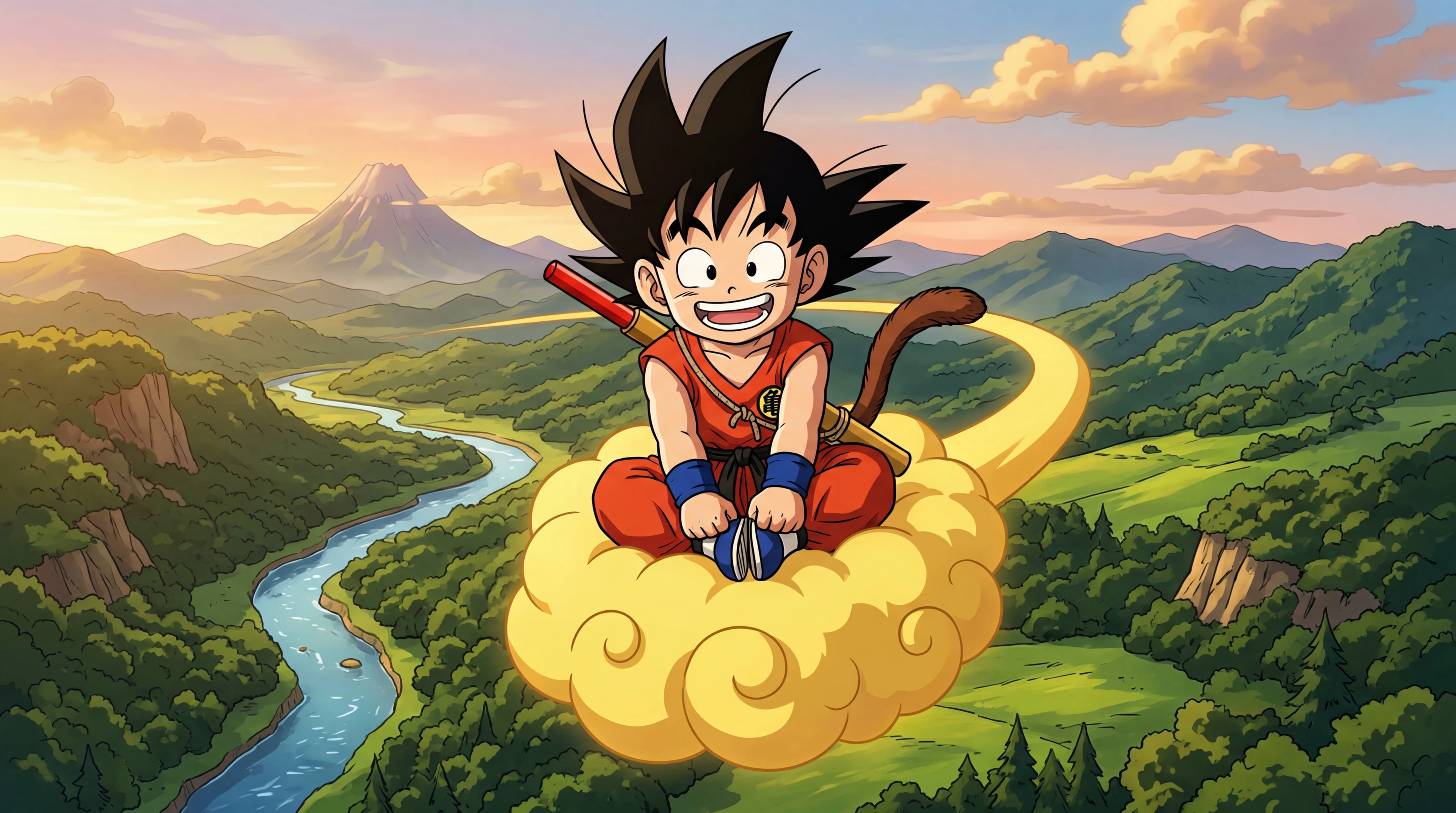
Villainous Mode
TechniqueVillainous Mode is a dark power-up that places fighters under mind control while dramatically boosting their strength and malicious intent. Originating in Dragon Ball Xenoverse, it is inflicted through Towa or Demigra's Dark Magic and serves as the primary tool for corrupting warriors across altered timelines.
Stages and Mechanics
Villainous Mode operates as a layered enhancement system with multiple degrees of corruption. The lightest application, designated the First Stage, causes only a momentary shift in the target's appearance. A purple energy briefly envelops them and their eyes flash red before the visible effects fade, leaving only the increased power and diminished free will. This minimal version appears throughout certain Parallel Quest scenarios in Dragon Ball Xenoverse.
The Second Stage represents a more sustained corruption. The target maintains the purple aura and glowing red eyes for the entire duration of combat, signaling that the Dark Magic has taken a firmer hold. Fighters in this state show noticeably elevated aggression and power output compared to their normal selves.
The Third Stage marks a complete physical transformation. The target's entire body shifts to a deep violet-purple coloration, their eyes become solid red with no visible pupils or irises, and two black lines appear beneath their eyes in a pattern identical to Demigra's own facial markings. This is the most thorough form of Villainous Mode corruption and is available as a playable transformation in the original Xenoverse.
Dragon Ball Xenoverse 2 introduced a Fourth Stage variant called Supervillain Power. Rather than the purple aesthetic of earlier stages, this version surrounds the user with a white and black aura and changes their eyes to a glowing hot pink. The Demon Realm Crystal allows Time Patrollers to access this stage during Fu's experimental Crystal Raid missions, making it one of the few versions of Villainous Mode available to player characters in a controlled setting.


Role in the Xenoverse Storyline
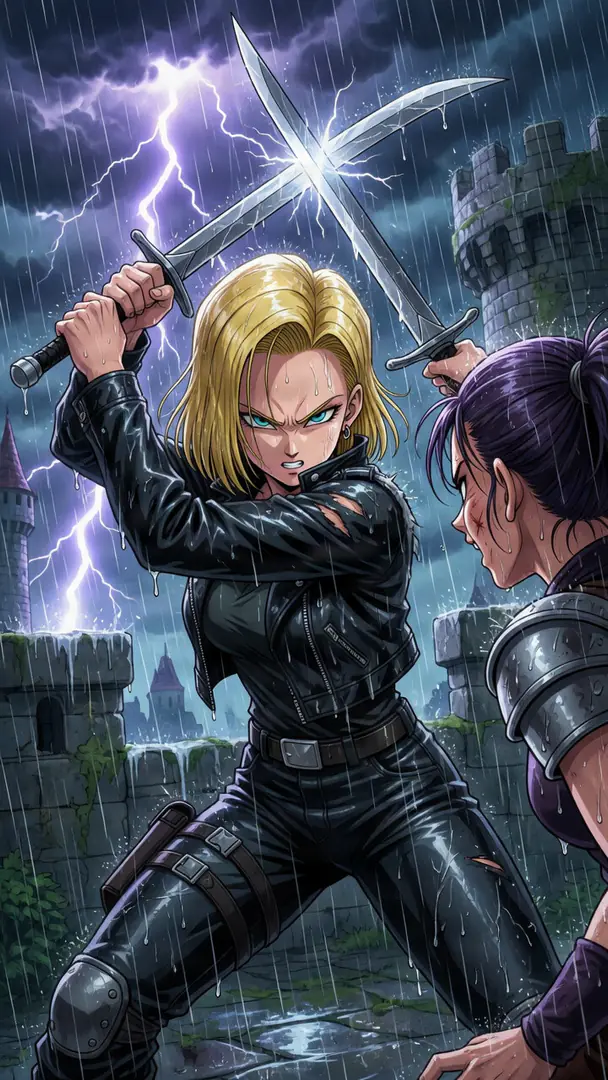
Villainous Mode serves as the primary mechanism by which the Time Breakers disrupt the proper flow of history throughout the Xenoverse games. Towa and Demigra use their Dark Magic to empower key villains at critical moments in the Dragon Ball timeline, creating altered events that the player's Time Patroller must correct.
During the climax of the Demon God Demigra Saga in the first Xenoverse, Demigra demonstrated the full scope of Villainous Mode's potential. He resurrected Frieza, Cell, and Kid Buu simultaneously and placed all three under Third Stage corruption, forcing Goku and the Future Warrior to battle the trio of empowered villains. After their defeat, Demigra escalated further by corrupting Vegeta, Gotenks, and Gohan as well, creating a gauntlet of brainwashed allies that the heroes had to fight through. Even Trunks briefly fell under Villainous Mode's influence before being freed.
An intriguing narrative detail emerged during Old Kai's training sequence. When the Elder Kai created a doppelganger of the Future Warrior's inner ego for a training exercise, the defeated ego revived itself in Villainous Mode. Old Kai explained that the player had just conquered the dark ambition growing within their own soul, suggesting that Villainous Mode can manifest from internal darkness as well as external magical influence.
The form's one firm limitation is its inability to affect beings with Godly power. Beerus proved completely immune to Demigra's attempts at corruption, and Goku became resistant after absorbing the power of Super Saiyan God. This immunity creates a natural narrative boundary that prevents the Dark Magic from becoming an all-encompassing threat and ensures that the strongest fighters remain autonomous.
In Dragon Ball Z: Kakarot, a variation called "Villainous Enemies" appeared with a crimson-and-black aura instead of the traditional purple. Defeating all Villainous Enemies in an area causes Super Villainous Enemies to spawn, and defeating the bosses reveals Towa's involvement, connecting the mechanic back to the established Xenoverse lore.
Frequently Asked Questions
What is Villainous Mode in Dragon Ball?
Villainous Mode is a dark power-up that places fighters under mind control while dramatically boosting their strength and malicious intent. Originating in Dragon Ball Xenoverse, it is inflicted through Towa or Demigra's Dark Magic and serves as the primary tool for corrupting warriors across altered timelines. It operates as a layered enhancement system with multiple degrees of corruption, from minor purple flashes up to a full body transformation.
What are the stages of Villainous Mode?
Villainous Mode has four stages of corruption documented in the wiki source. The First Stage causes only a momentary shift in appearance with a brief purple aura and red eyes, while the Second Stage sustains those signs throughout combat. The Third Stage is a complete physical transformation to deep violet-purple coloration with solid red eyes and black markings under the eyes. The Fourth Stage Supervillain Power variant in Xenoverse 2 swaps the purple palette for a white and black aura with glowing hot pink eyes.
Who can resist Villainous Mode?
Villainous Mode is unable to affect beings with Godly power, which is the form's one firm limitation. Beerus proved completely immune to Demigra's attempts at corruption, and Goku became resistant after absorbing the power of Super Saiyan God. This immunity creates a natural narrative boundary that prevents the Dark Magic from becoming an all-encompassing threat and ensures the strongest fighters remain autonomous.
Does Villainous Mode appear in Kakarot?
Yes, in Dragon Ball Z: Kakarot a variation called "Villainous Enemies" appears with a crimson-and-black aura instead of the traditional purple. Defeating all Villainous Enemies in an area causes Super Villainous Enemies to spawn, and defeating the bosses reveals Towa's involvement, connecting the mechanic back to the established Xenoverse lore.
How do you get Villainous Mode in Xenoverse 2?
Villainous Mode appears in Dragon Ball Xenoverse 2 in multiple forms, including the legacy First through Third Stages and the Fourth Stage Supervillain Power. The Demon Realm Crystal allows Time Patrollers to access the Supervillain Power version during Fu's experimental Crystal Raid missions, making it one of the few versions available to player characters in a controlled setting. The legacy stages typically appear on enemy units corrupted by Towa or Demigra during story missions and Parallel Quests.
Related Reading
See all
Krillin's on the Tinder: How the Ultimate Short King Survived the Height Filter
Tinder built a height filter. Dragon Ball built a five foot legend. What happened when we sent the ultimate short king into the modern dating hellscape....
Infinite Zeni Glitch: When Yamcha Never Pays and Mr. Popo Always Does
The internet found an infinite money glitch. So did Yamcha. A smooth R&B track about the easiest money in the Dragon Ball world and the one man who keeps paying for it....
Sources & Information
Looking for more on Villainous Mode? The Dragon Ball Wiki on Fandom has a dedicated page with community notes.
View on FandomThis content is original writing by Daddy Jim Headquarters based on the Dragon Ball anime series, manga, and official materials. Episode and chapter references are cited where applicable.
Character and scene imagery on this site is original artwork by Daddy Jim Headquarters, not screenshots or licensed imagery. Official cover art is used on three types of pages for editorial commentary:
- Movie pages: theatrical posters and key visuals, credited to Toei Animation and Shueisha.
- Game pages: official box art, credited to Bandai Namco, Atari, and other publishers.
- Manga chapter pages: Jump Comics volume covers, credited to Shueisha and Akira Toriyama.
Browse our episode guides:
Official resources:
Help Us Keep This Wiki Accurate
Daddy Jim Headquarters maintains this encyclopedia. If you spot an error, a translation issue, or something that doesn't look right, let us know.