Vegeta's confidence crumbles as Perfect Cell systematically dismantles him in combat, while Trunks reveals to Krillin the painful secret that he has surpassed his father in power.
The Prince Meets His Superior
After Trunks revives Krillin with a Senzu Bean, the battered fighter warns that Cell is hiding far more power than he is showing. Vegeta, dismissive as ever, steps forward to face Perfect Cell. Android 16, scanning both fighters, initially concludes that Vegeta holds the advantage. But Krillin knows better. He can sense what the scanners cannot: Cell is suppressing his true strength.
The fight begins with Vegeta landing the first strikes, but Cell blocks every blow with minimal effort. When Vegeta manages to slam Cell into a rocky wall, his satisfaction is short-lived. Cell grabs the Saiyan prince and pins him, then demonstrates his terrifying speed by pummeling Vegeta before detonating the mountain around them. The message is clear. Vegeta is not in control of this fight. He never was.
As the battle deteriorates, Trunks confides in Krillin about what happened in the Hyperbolic Time Chamber. He surpassed his father in raw power, but chose to conceal it because he desperately wants Vegeta's acceptance. This revelation adds a layer of tragedy to the scene unfolding before them. Trunks watches his father get outclassed, knowing he might have the strength to intervene, but understanding that stepping in would destroy any hope of the relationship he craves. On the Lookout, Piccolo observes that Vegeta's anger is making his technique sloppy. Cell begins exploiting this, vanishing and reappearing at will, dodging every ki blast with contemptuous ease. Android 16 finally grasps the full scope of Perfect Cell's strength and delivers a bleak assessment: everyone is doomed.

Pride as a Blinding Force
Vegeta's fight with Perfect Cell is a masterclass in how ego becomes self-destruction. Piccolo articulates it perfectly from the Lookout: Vegeta has stopped thinking and let anger take over, making his fighting technique sloppy and predictable. This is the fundamental flaw that separates Vegeta from Goku throughout the series. Both are driven by the desire to be the strongest, but Goku channels that drive through discipline while Vegeta lets it consume his judgment.
Trunks' secret adds another dimension to this theme. His decision to hide his power from Vegeta is itself a form of pride, just one directed outward rather than inward. He would rather watch his father lose than wound his ego with the truth. The episode asks whether protecting someone's pride is an act of love or cowardice, and wisely offers no easy answer.
Related Reading
See all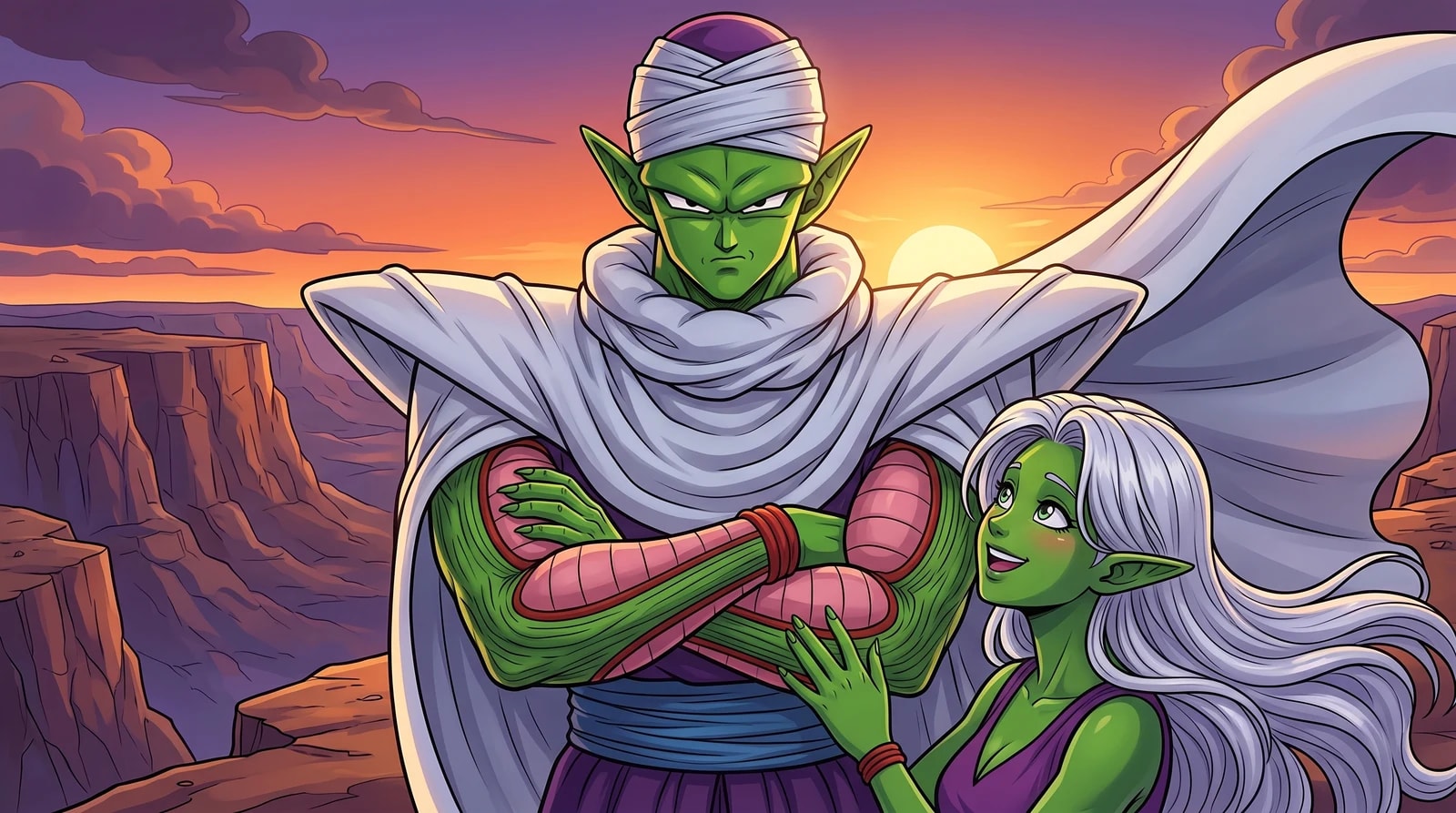
Namek Has No Women, and Piccolo Pulls Anyway
There are no women on Namek. That isn't an oversight, it's the biology. Why we handed Piccolo the one thing his own species rules out, and why it had to be trap soul....
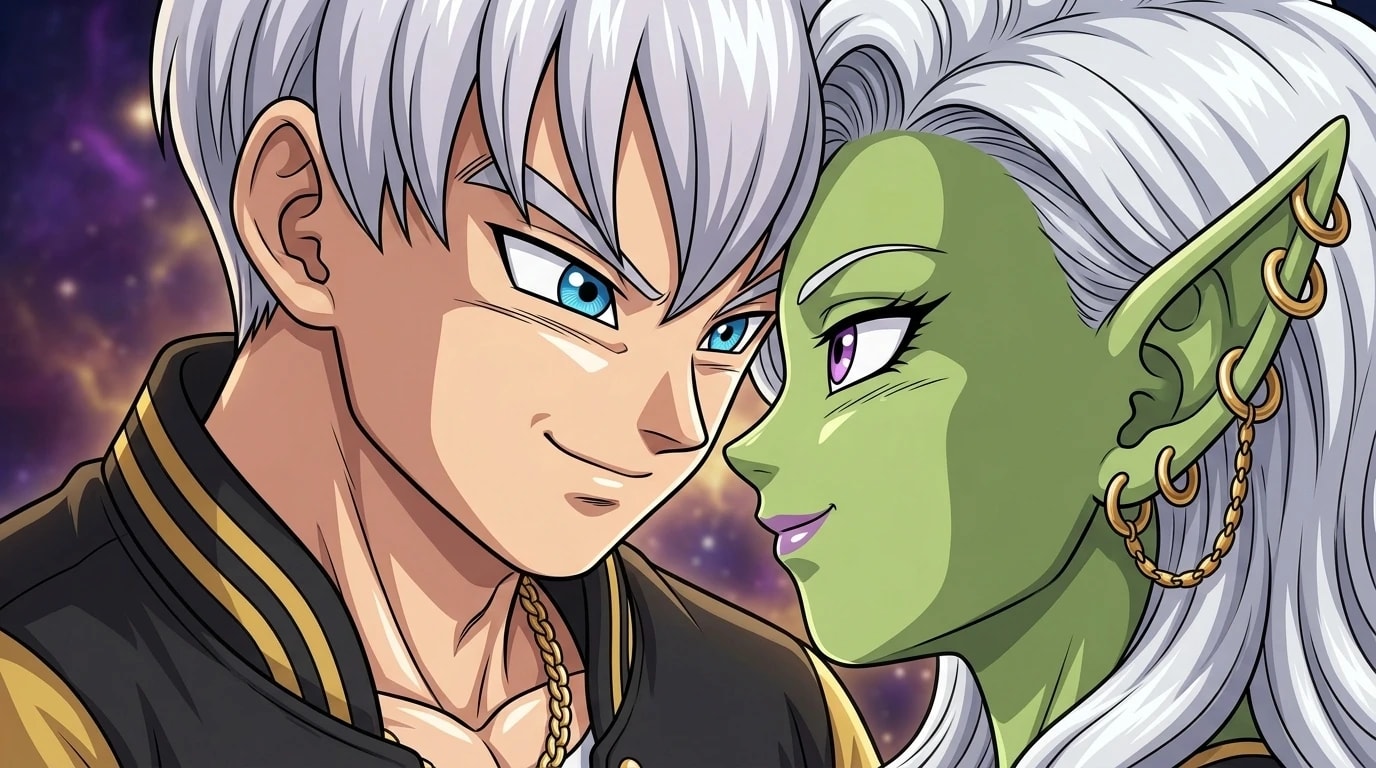
1000 Times Over: Who Is John Dragon Ball Singing To?
Dragon Ball handed us a protagonist with no history and the internet named him John Dragon Ball. So we built him somebody to talk to....


The Saiyan Prince Humbled
Episode 161 is the beginning of Vegeta's reckoning for allowing Cell to reach his Perfect Form. The anime expands the fight considerably beyond the manga, adding extended sequences where Cell toys with Vegeta through superior speed and evasion. The manga moves more quickly to the decisive moment where Vegeta's kick to Cell's neck produces zero effect.
This installment also features the first use of music from the Super Android 13 film in the series soundtrack. Meanwhile, the Hyperbolic Time Chamber scenes of Goku and Gohan sparring as Super Saiyans are anime-exclusive additions that reinforce the parallel training arc. Everything is building toward the moment when someone must step up and face what Vegeta cannot handle alone.
Frequently Asked Questions
What episode of Dragon Ball Z is "Vegeta Must Pay"?
"Vegeta Must Pay" is episode 161 of Dragon Ball Z. It is the 161st episode in the dub broadcast order.
When did "Vegeta Must Pay" originally air?
The original Japanese broadcast date for "Vegeta Must Pay" is not listed in our records for this Dragon Ball Z episode. Check the parent saga page for the air window that covers this stretch of episodes.
What happens in "Vegeta Must Pay"?
Vegeta's confidence crumbles as Perfect Cell systematically dismantles him in combat, while Trunks reveals to Krillin the painful secret that he has surpassed his father in power.
Which manga chapters does "Vegeta Must Pay" adapt?
Our records do not list a specific manga chapter for "Vegeta Must Pay". This stretch of the anime adapts the Cell Saga arc of Akira Toriyama's original manga, with some episodes containing anime-original material that does not map to a single chapter.
What is the key moment in "Vegeta Must Pay"?
Meanwhile, the Hyperbolic Time Chamber scenes of Goku and Gohan sparring as Super Saiyans are anime-exclusive additions that reinforce the parallel training arc. After Trunks revives Krillin with a Senzu Bean, the battered fighter warns that Cell is hiding far more power than he is showing.
Sources & Information
Looking for more on Vegeta Must Pay? The Dragon Ball Wiki on Fandom has a dedicated page with community notes.
View on FandomThis content is original writing by Daddy Jim Headquarters based on the Dragon Ball anime series, manga, and official materials. Episode and chapter references are cited where applicable.
Rights holders
- Created byAkira Toriyama
- Published byShueisha
- Animated byToei Animation
All rights belong to their respective owners.
Character and scene imagery on this site is original artwork by Daddy Jim Headquarters, not screenshots or licensed imagery. Official cover art is used on three types of pages for editorial commentary:
- Movie pages: theatrical posters and key visuals, credited to Toei Animation and Shueisha.
- Game pages: official box art, credited to Bandai Namco, Atari, and other publishers.
- Manga chapter pages: Jump Comics volume covers, credited to Shueisha and Akira Toriyama.
Browse our episode guides:
Official resources:
Help Us Keep This Wiki Accurate
Daddy Jim Headquarters maintains this encyclopedia. If you spot an error, a translation issue, or something that doesn't look right, let us know.