
Cell loses his perfect form after Gohan forces him to spit out Android 18, but the desperate bio-android triggers a self-destruct sequence. Goku teleports Cell away to save everyone, sacrificing himself. Cell survives, returns stronger than ever, and fatally blasts Future Trunks.
A Father's Final Gambit
With Android 18 expelled from his body, Cell's transformation collapses. The once-mighty Perfect Cell reverts to his Semi-Perfect state in agonizing fashion, his power draining away as the Z Fighters watch. Mr. Satan's camera crew scrambles to document the chaos, though their equipment is still damaged from Gohan's earlier transformation. Desperate and humiliated, Cell attacks Gohan directly, but every blow proves useless against the young Super Saiyan 2.
Cornered and out of options, Cell inflates his body with volatile ki, threatening to take the entire planet with him. Gohan freezes, realizing there is no counter to this suicidal technique. It is Goku who steps forward with quiet resolve. After saying goodbye to his son and asking Gohan to take care of Chi-Chi, Goku uses Instant Transmission to whisk Cell to King Kai's planet. The explosion consumes everything: Goku, King Kai, Bubbles, Gregory, and the tiny world itself.
Back on Earth, the fighters grieve. Gohan, devastated by guilt, blames his own arrogance for forcing his father into that sacrifice. Krillin helps him to his feet before rushing to retrieve Android 18. In the afterlife, Goku and King Kai discover that Cell's soul never arrived alongside them, a chilling sign. On the ruins of King Kai's planet, Cell regenerates from a single surviving nucleus, now even more powerful thanks to the Saiyan cells within him. Having absorbed traces of Goku's energy, Cell learns Instant Transmission and teleports back to Earth, announcing his return by putting a lethal blast through Future Trunks.



The Cost of Hubris
This episode crystallizes one of Dragon Ball Z's most painful lessons: unchecked pride creates tragedy. Gohan's desire to make Cell suffer rather than finish him off directly led to Cell's desperation move. Goku's sacrifice is not just a heroic moment but a consequence of his son's overconfidence. That weight settles on Gohan immediately, and it will shape his character for years to come.
Goku's farewell is remarkably understated for such a dramatic series. There are no power-ups or battle cries. He simply tells his son he is proud, asks him to look after the family, and vanishes. The contrast between that quiet goodbye and Cell's violent return creates one of the saga's most effective emotional whiplashes, reminding viewers that in this world, peace is always fragile.
Turning Points in the Cell Saga
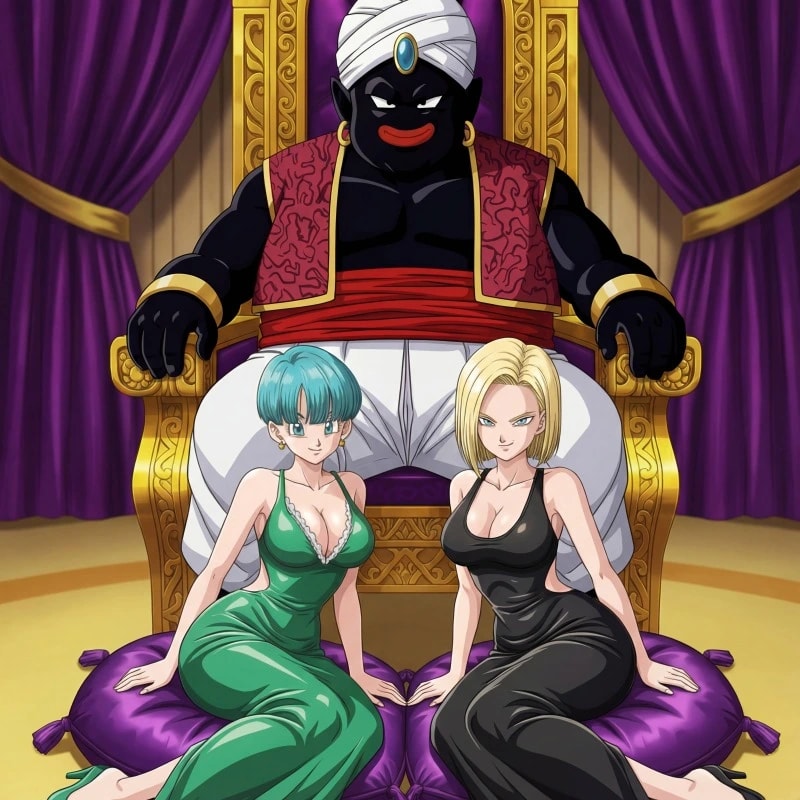
Episode 188 marks Goku's second death in the series and the first time he chooses sacrifice voluntarily with full awareness of the stakes. His earlier death against Raditz was a split-second decision; this one is deliberate and deeply personal. The episode also introduces Super Perfect Cell, a transformation born from the Saiyan zenkai boost within Cell's genetics. This sets up the saga's true final battle.
Notably, this is the last time Goku maintains his Super Saiyan form continuously, having held it for twenty straight episodes since exiting the Hyperbolic Time Chamber. His reversion to base form upon death closes that chapter literally and symbolically.
Related Reading
See all
Chiaotzu is Chi-Chi's Boo: Why the Guy Who Never Wins Finally Wins
The least likely man in Dragon Ball just took the biggest win in our catalog. The story behind our R&B record about Chiaotzu, Chi-Chi, and a house Goku is never in....
Krillin's on the Tinder: How the Ultimate Short King Survived the Height Filter
Tinder built a height filter. Dragon Ball built a five foot legend. What happened when we sent the ultimate short king into the modern dating hellscape....
Frequently Asked Questions
What episode of Dragon Ball Z is A Hero's Farewell?
"A Hero's Farewell" is episode 188 of Dragon Ball Z. It airs during the Cell Games Saga.
What happens in the Dragon Ball Z episode A Hero's Farewell?
Cell loses his perfect form after Gohan forces him to spit out Android 18, but the desperate bio-android triggers a self-destruct sequence. Goku teleports Cell away to save everyone, sacrificing himself. Cell survives, returns stronger than ever, and fatally blasts Future Trunks.
Which characters appear in A Hero's Farewell?
The episode features Cell, Gohan, Android 18, Goku, Future Trunks, and Trunks. Cell carries the action across this Cell Games Saga episode.
What is the standout moment in A Hero's Farewell?
This episode crystallizes one of Dragon Ball Z's most painful lessons: unchecked pride creates tragedy. Gohan's desire to make Cell suffer rather than finish him off directly led to Cell's desperation move.
Why is A Hero's Farewell important in Dragon Ball Z?
Episode 188 marks Goku's second death in the series and the first time he chooses sacrifice voluntarily with full awareness of the stakes. His earlier death against Raditz was a split-second decision; this one is deliberate and deeply personal.
Sources & Information
Looking for more on A Hero's Farewell? The Dragon Ball Wiki on Fandom has a dedicated page with community notes.
View on FandomThis content is original writing by Daddy Jim Headquarters based on the Dragon Ball anime series, manga, and official materials. Episode and chapter references are cited where applicable.
Character and scene imagery on this site is original artwork by Daddy Jim Headquarters, not screenshots or licensed imagery. Official cover art is used on three types of pages for editorial commentary:
- Movie pages: theatrical posters and key visuals, credited to Toei Animation and Shueisha.
- Game pages: official box art, credited to Bandai Namco, Atari, and other publishers.
- Manga chapter pages: Jump Comics volume covers, credited to Shueisha and Akira Toriyama.
Browse our episode guides:
Official resources:
Help Us Keep This Wiki Accurate
Daddy Jim Headquarters maintains this encyclopedia. If you spot an error, a translation issue, or something that doesn't look right, let us know.