
Goku and Pikkon wage a devastating final that carries them from the ring to the stadium ceiling. Goku discovers the weakness in Pikkon's Thunder Flash and wins with a point-blank Kamehameha, but both fighters are disqualified for landing out of bounds. Years later, a teenage Gohan heads to high school.
Fire, Thunder, and a Technicality
Pikkon stares at the golden Super Saiyan aura and absorbs everything King Kai explains about the transformation. Goku opens with a Kamehameha, but Pikkon evades it cleanly and counters by rising above the ring. He chastises Goku's focus, then unleashes his Hyper Tornado, trapping Goku in a vortex of cutting winds. Goku responds by powering through the cyclone and stacking the Kaio-ken on top of his Super Saiyan state, a technique he has never used before or since. The combined force sends Pikkon careening into a distant meteor.
The two exchange volleys that light up the sky, crashing into debris and each other. Pikkon, unable to believe Goku's strength, resorts to his most powerful technique: the Thunder Flash Attack. Goku is hammered by the first blast and barely survives the second. But when Pikkon winds up a third time, Goku has already catalogued the attack's rhythm and found its blind spot. He teleports behind Pikkon at the exact moment of release and fires a Kamehameha at point-blank range, knocking his opponent out of the ring.
The victory is short-lived. Grand Kai announces that both fighters are disqualified. During their battle in the stadium's upper reaches, both combatants landed on the ceiling, which technically counts as touching the floor outside the ring. Goku accepts the ruling with a laugh. Grand Kai promises to train them both personally in two hundred years, privately relieved that he will not have to deliver on that promise anytime soon since his own training has lapsed. The epilogue jumps forward several years. A teenage Gohan says goodbye to Chi-Chi, climbs onto the Flying Nimbus, and heads toward Orange Star High School for his very first day.
The Super Kaio-ken Paradox
Goku's use of the Super Kaio-ken, layering the Kaio-ken multiplier onto an existing Super Saiyan transformation, is one of the most fascinating one-off techniques in the franchise. It appears only here and is never referenced again. The logical question is obvious: if Goku can stack these two power boosts, why does he never do it in a life-or-death battle on Earth? The likely answer is that the strain would destroy a living body. In the afterlife, Goku is already dead, so the physical toll has no lethal consequences. It becomes a technique that only works because its user has nothing mortal left to lose.
The End of One Era, the Start of Another
This is the final episode of the Other World Saga and the last to use the original "Cha-La Head-Cha-La" opening theme that has accompanied Dragon Ball Z since its premiere. It also marks the retirement of the eyecatch cards featuring Goku and baby Gohan. In narrative terms, the brief flash-forward to teenage Gohan heading to school signals the franchise's tonal pivot toward the Buu arc, which blends high school comedy, romance, and superhero antics with the familiar Saiyan power struggles.
It is also the first time audiences see the older Gohan, voiced by Kyle Hebert in the Funimation dub, replacing Stephanie Nadolny. The shift in voice actor mirrors the shift in the character himself: Gohan has left childhood behind entirely.
Related Reading
See all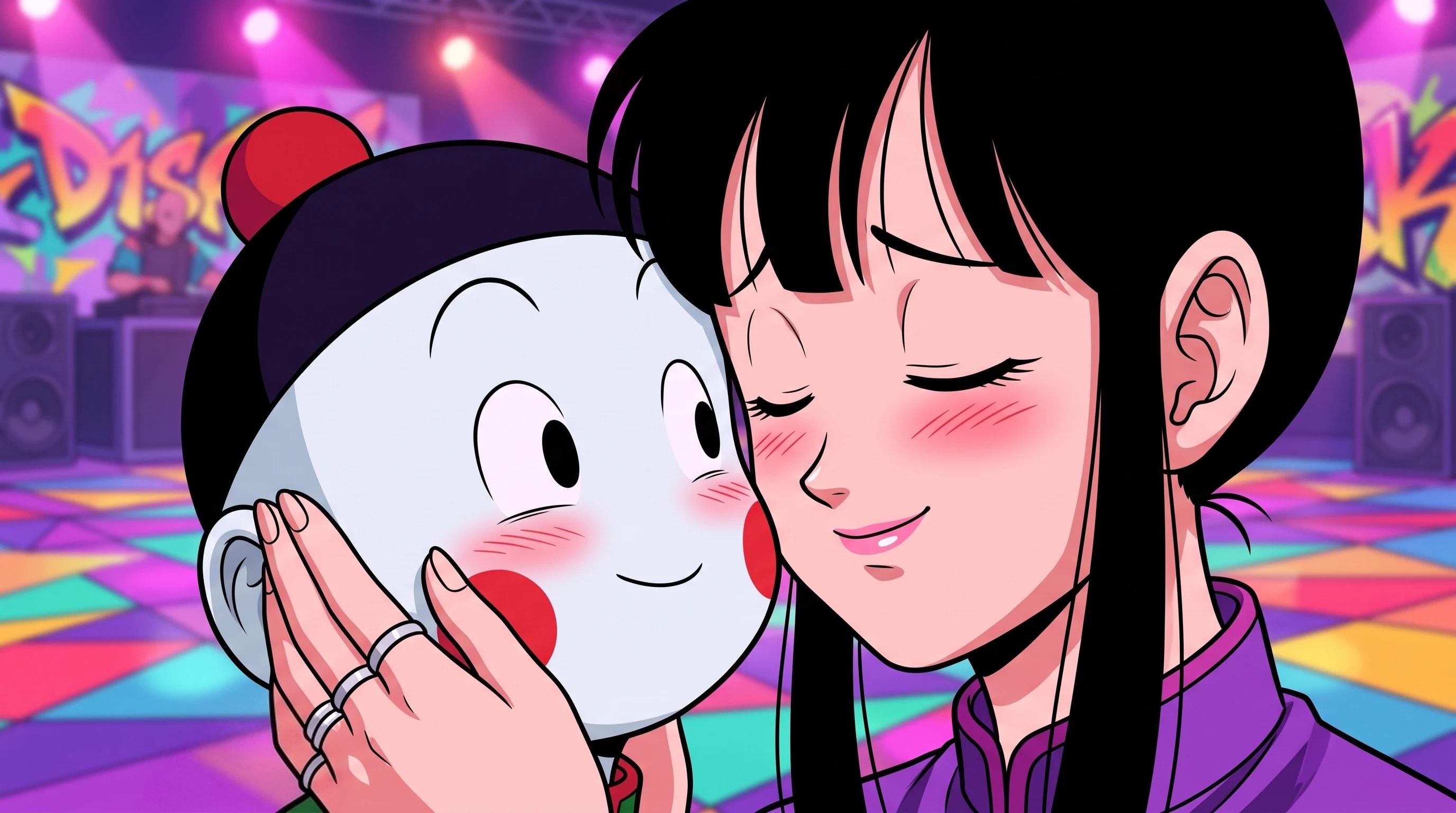
Chiaotzu is Chi-Chi's Boo: Why the Guy Who Never Wins Finally Wins
The least likely man in Dragon Ball just took the biggest win in our catalog. The story behind our R&B record about Chiaotzu, Chi-Chi, and a house Goku is never in....
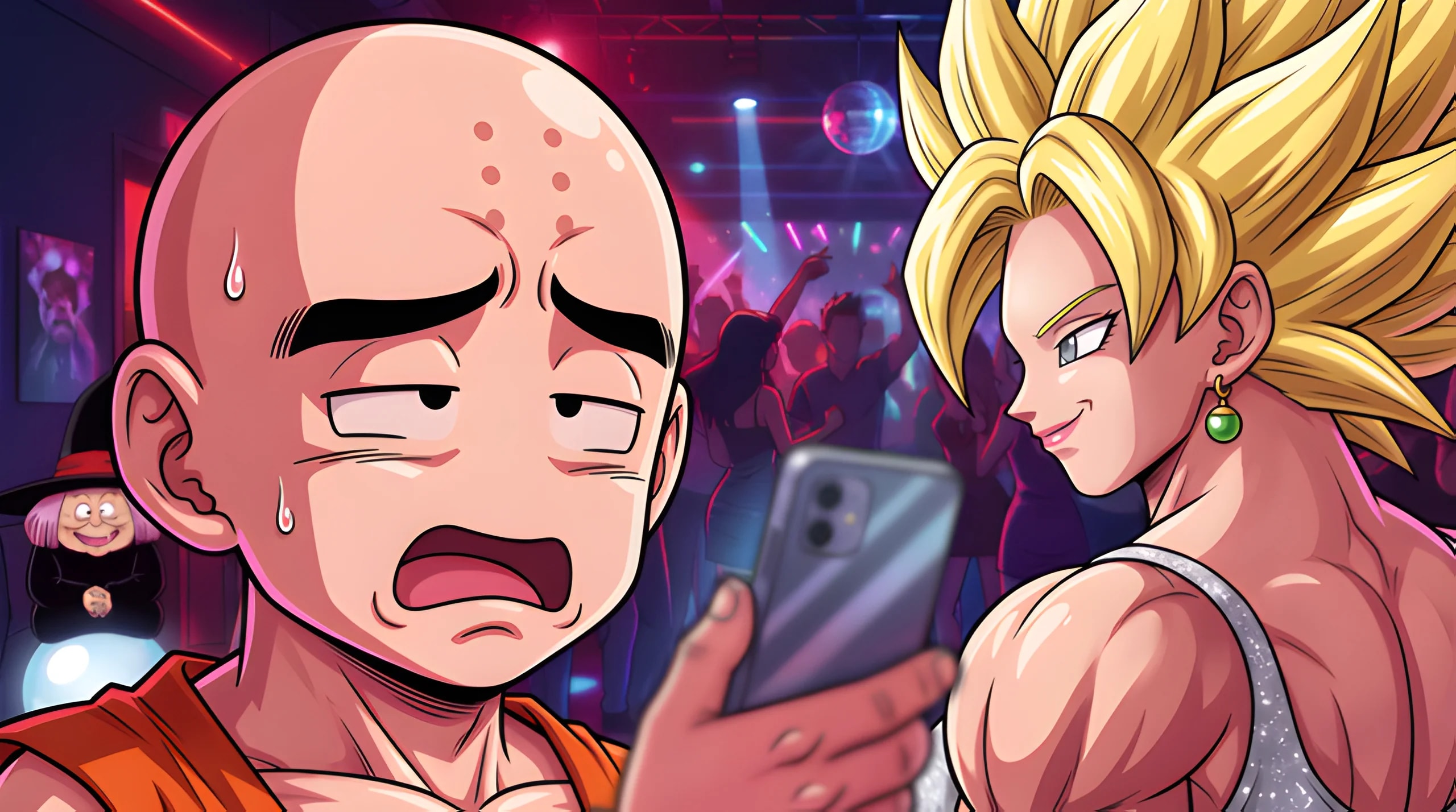
Krillin's on the Tinder: How the Ultimate Short King Survived the Height Filter
Tinder built a height filter. Dragon Ball built a five foot legend. What happened when we sent the ultimate short king into the modern dating hellscape....
Frequently Asked Questions
What episode of Dragon Ball Z is Goku vs. Pikkon?
"Goku vs. Pikkon" is episode 199 of Dragon Ball Z. It airs during the Other World Saga.
In what episode did Goku fight Pikkon?
Goku and Pikkon wage a devastating final that carries them from the ring to the stadium ceiling. Goku discovers the weakness in Pikkon's Thunder Flash and wins with a point-blank Kamehameha, but both fighters are disqualified for landing out of bounds. Years later, a teenage Gohan heads to high school.
Which characters appear in Goku vs. Pikkon?
The episode features Goku, Pikkon, Gohan, King Kai, Grand Kai, and Chi-Chi. Goku carries the action across this Other World Saga episode.
What is the standout moment in Goku vs. Pikkon?
Goku's use of the Super Kaio-ken, layering the Kaio-ken multiplier onto an existing Super Saiyan transformation, is one of the most fascinating one-off techniques in the franchise. It appears only here and is never referenced again.
Why is Goku vs. Pikkon important in Dragon Ball Z?
This is the final episode of the Other World Saga and the last to use the original "Cha-La Head-Cha-La" opening theme that has accompanied Dragon Ball Z since its premiere. It also marks the retirement of the eyecatch cards featuring Goku and baby Gohan.
Sources & Information
Looking for more on Goku vs. Pikkon? The Dragon Ball Wiki on Fandom has a dedicated page with community notes.
View on FandomThis content is original writing by Daddy Jim Headquarters based on the Dragon Ball anime series, manga, and official materials. Episode and chapter references are cited where applicable.
Character and scene imagery on this site is original artwork by Daddy Jim Headquarters, not screenshots or licensed imagery. Official cover art is used on three types of pages for editorial commentary:
- Movie pages: theatrical posters and key visuals, credited to Toei Animation and Shueisha.
- Game pages: official box art, credited to Bandai Namco, Atari, and other publishers.
- Manga chapter pages: Jump Comics volume covers, credited to Shueisha and Akira Toriyama.
Browse our episode guides:
Official resources:
Help Us Keep This Wiki Accurate
Daddy Jim Headquarters maintains this encyclopedia. If you spot an error, a translation issue, or something that doesn't look right, let us know.