Super Perfect Cell
FormThe strongest version of Cell, born from his self-destruction and subsequent regeneration. After nearly dying in his own explosion, the Saiyan cells within his body triggered a Zenkai boost, dramatically increasing his power to Super Saiyan 2 levels. He returned to the battlefield with an electric aura crackling around him, ready to finish what the Cell Games had started.
Rebirth Through Destruction
When Super Saiyan 2 Gohan stripped Cell of his Perfect form by forcing him to expel Android 18, Cell was left in a state of total despair. His pride shattered and his designed perfection lost, the bio-android chose to self-destruct, swelling his body to a massive size and threatening to take the entire Earth with him. Goku made the ultimate sacrifice, using his Instant Transmission technique to teleport both himself and Cell to King Kai's planet, where the explosion claimed the lives of Goku, King Kai, Bubbles, and Gregory.
The Saiyan Power Boost
What no one anticipated was that Cell would survive. A single cell from his core nucleus endured the blast, and thanks to his Namekian regenerative abilities, he was able to reconstruct his entire body from that fragment. More importantly, the near-death experience activated the Saiyan cells within him. This Zenkai, the Saiyan biological mechanism that increases a warrior's strength after recovering from near-fatal injuries, pushed Cell's power to unprecedented levels. He regenerated not merely in his Perfect form but in a state that surpassed it entirely. His aura now crackled with bio-electricity, identical to the lightning-like energy that surrounded Super Saiyan 2 fighters.
The combination of Namekian regeneration and Saiyan Zenkai created a loophole in Cell's design that even Dr. Gero likely never intended. Cell had effectively cheated death and emerged stronger for it, proving that the fusion of multiple species' traits could produce results that exceeded the sum of their parts. This biological accident made Super Perfect Cell arguably the most dangerous being the Z Fighters had faced up to that point.


The Final Battle
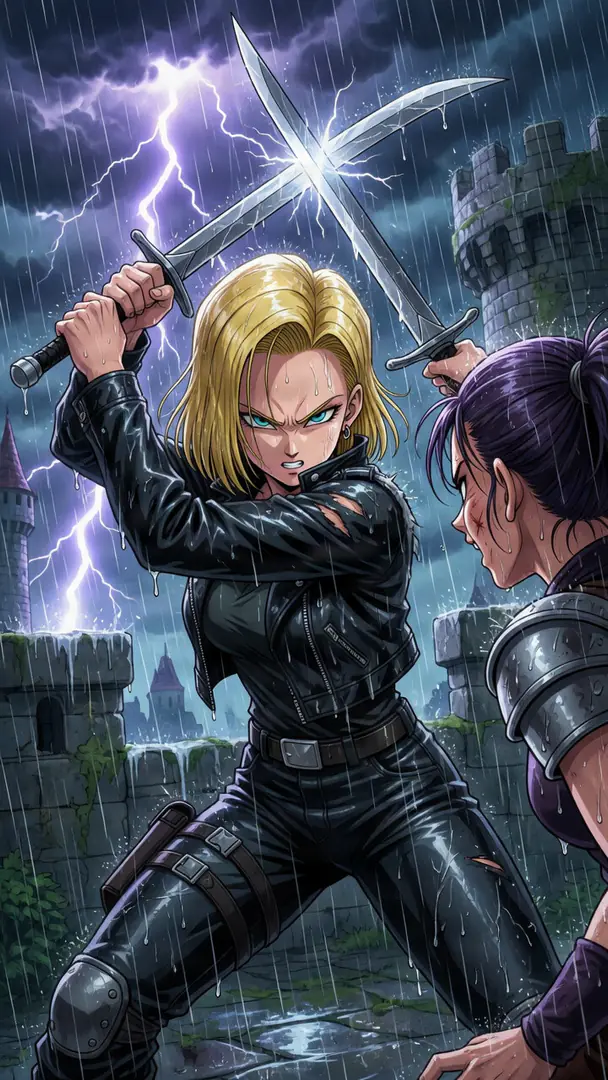
Super Perfect Cell returned to the battlefield via Instant Transmission, a technique he could now perform thanks to observing Goku. His very first act was one of shocking brutality: he fired a Death Beam straight through Future Trunks' chest, killing him instantly. This served both as a demonstration of his new power and a cruel echo of Frieza's fighting style. Vegeta, consumed by rage at the death of his son, launched a furious but futile assault on Cell, only to be swatted aside effortlessly.
Father-Son Kamehameha
The final confrontation came down to a beam struggle between Cell's Solar Kamehameha and Gohan's Kamehameha wave. Gohan was fighting with only one functional arm, injured while protecting Vegeta from Cell's counterattack. The clash seemed to favor Cell until the spirit of Goku appeared from the Other World, encouraging his son to unleash everything he had. At the same moment, Vegeta fired a surprise blast at Cell from behind, creating a brief opening. Gohan seized that instant, pouring every remaining ounce of his energy into the wave.
The End of Cell
The combined effort was enough. Gohan's Kamehameha overwhelmed Cell completely, disintegrating every cell in his body and ensuring he could never regenerate again. Super Perfect Cell, the most powerful version of Dr. Gero's ultimate creation, was erased from existence. His defeat marked the end of the Cell Saga and cemented Gohan as the strongest warrior alive at that time. It also represented one of the series' most emotionally charged victories, as the battle was won not through raw power alone but through the bond between a father and son that transcended even death.
The Weight of Goku's Sacrifice
Super Perfect Cell's existence is directly tied to the most significant death in Dragon Ball Z. Goku's decision to sacrifice himself by teleporting Cell away from Earth was the pivotal moment of the entire saga. When Cell returned alive and even stronger, Goku's death suddenly seemed to have been in vain. The emotional stakes of the final battle were amplified precisely because the heroes had already lost their greatest fighter. Gohan was not just fighting to save the world; he was fighting to ensure his father's sacrifice meant something.
Vegeta's Moment of Clarity
The Super Perfect Cell battle also produced a critical turning point for Vegeta. When Trunks was killed, Vegeta's rage-fueled attack on Cell was the first time in the series that Vegeta acted purely out of love for another person rather than pride or rivalry. His assault was futile and nearly got Gohan killed, but it revealed a crack in Vegeta's armor of selfishness. This moment foreshadowed his eventual sacrifice against Majin Buu and his gradual transformation into a protective father and husband. Super Perfect Cell, inadvertently, became a catalyst for Vegeta's long-term character growth.
The Zenkai Paradox
From a power-scaling perspective, Super Perfect Cell exposed a problem that would recur throughout Dragon Ball. The Zenkai boost, combined with regeneration, theoretically meant Cell could become infinitely stronger by repeatedly destroying and rebuilding himself. The series never explored this possibility, and the Zenkai mechanic was quietly downplayed in later arcs. However, Cell's use of it remains the most dramatic example of a Zenkai boost in the franchise, turning a defeated villain into an existential threat in a single regeneration cycle. This form demonstrated the narrative risk of mixing too many biological advantages in one character, a lesson that influenced how future villains were designed.
Related Reading
See all
Krillin's on the Tinder: How the Ultimate Short King Survived the Height Filter
Tinder built a height filter. Dragon Ball built a five foot legend. What happened when we sent the ultimate short king into the modern dating hellscape....
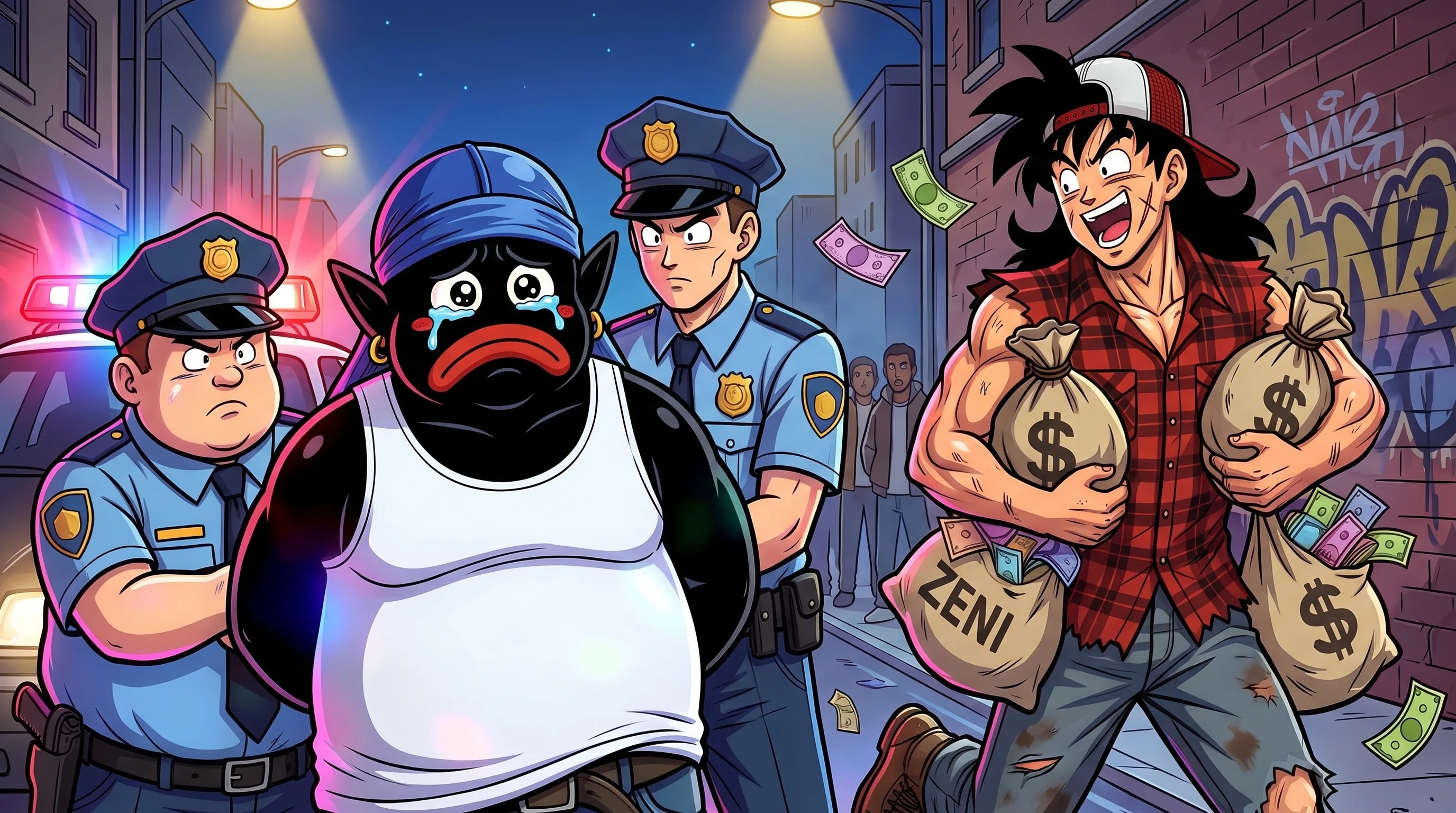
Infinite Zeni Glitch: When Yamcha Never Pays and Mr. Popo Always Does
The internet found an infinite money glitch. So did Yamcha. A smooth R&B track about the easiest money in the Dragon Ball world and the one man who keeps paying for it....
Frequently Asked Questions
What is Super Perfect Cell?
Super Perfect Cell is the strongest version of Cell, born from his self-destruction and subsequent regeneration. After nearly dying in his own explosion, the Saiyan cells within his body triggered a Zenkai boost, dramatically increasing his power to Super Saiyan 2 levels. He returned to the battlefield with an electric aura crackling around him, ready to finish what the Cell Games had started.
How did Cell become Super Perfect Cell?
When Goku used Instant Transmission to teleport the self-destructing Cell to King Kai's planet, a single cell from Cell's core nucleus endured the blast. Thanks to his Namekian regenerative abilities, Cell was able to reconstruct his entire body from that fragment. The near-death experience activated the Saiyan Zenkai mechanism, pushing Cell's power to unprecedented levels and producing the bio-electric Super Perfect form.
Who killed Super Perfect Cell?
Gohan defeated Super Perfect Cell in a final beam struggle between Cell's Solar Kamehameha and Gohan's Kamehameha wave. With Vegeta firing a surprise blast from behind to create a brief opening, and his father's spirit encouraging him from the Other World, Gohan poured every remaining ounce of energy into the wave. The combined effort overwhelmed Cell completely, disintegrating every cell in his body so he could never regenerate again.
What did Super Perfect Cell do when he returned to Earth?
Super Perfect Cell returned via Instant Transmission, a technique he could perform thanks to observing Goku. His very first act was to fire a Death Beam straight through Future Trunks' chest, killing him instantly. This served both as a demonstration of his new power and a cruel echo of Frieza's fighting style.
Why was Super Perfect Cell so powerful?
The combination of Namekian regeneration and Saiyan Zenkai created a loophole in Cell's design that even Dr. Gero likely never intended. Cell had effectively cheated death and emerged stronger for it, with an aura that now crackled with bio-electricity identical to Super Saiyan 2 fighters. This biological accident made Super Perfect Cell arguably the most dangerous being the Z Fighters had faced up to that point.
Sources & Information
Looking for more on Super Perfect Cell? The Dragon Ball Wiki on Fandom has a dedicated page with community notes.
View on FandomThis content is original writing by Daddy Jim Headquarters based on the Dragon Ball anime series, manga, and official materials. Episode and chapter references are cited where applicable.
Character and scene imagery on this site is original artwork by Daddy Jim Headquarters, not screenshots or licensed imagery. Official cover art is used on three types of pages for editorial commentary:
- Movie pages: theatrical posters and key visuals, credited to Toei Animation and Shueisha.
- Game pages: official box art, credited to Bandai Namco, Atari, and other publishers.
- Manga chapter pages: Jump Comics volume covers, credited to Shueisha and Akira Toriyama.
Browse our episode guides:
Official resources:
Help Us Keep This Wiki Accurate
Daddy Jim Headquarters maintains this encyclopedia. If you spot an error, a translation issue, or something that doesn't look right, let us know.