Dragon Ball Z: Gekitō Tenkaichi Budōkai
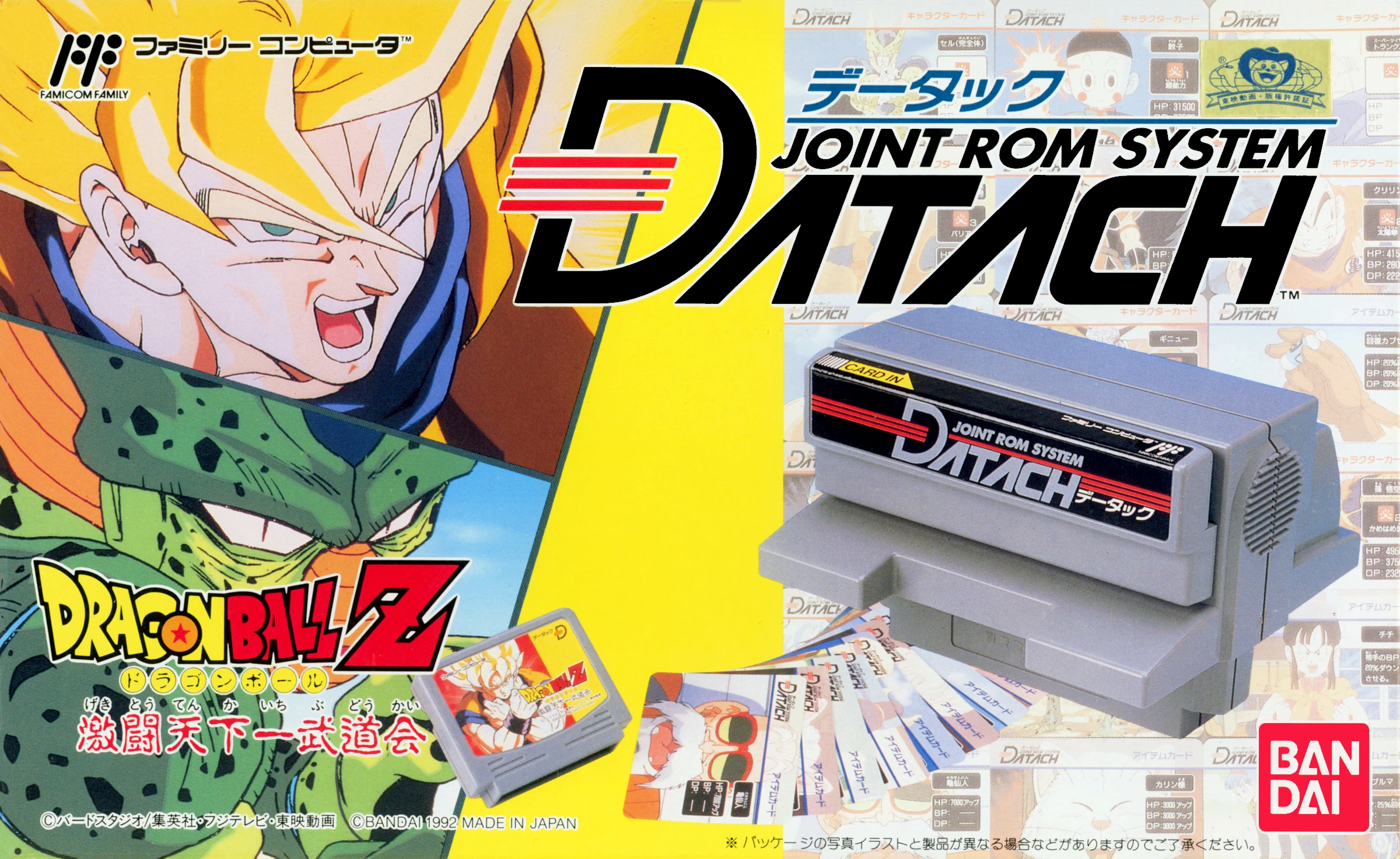
GameDragon Ball Z: Gekitō Tenkaichi Budōkai闘天下一武道会|Doragon Bōru Zetto Gekitō Tenkaichi Budōkai|lit. Dragon Ball Z: A Fierce Battle at the Number One Under Heaven Martial Arts Gathering}} is the first fighting video game based on Dragon Ball Z. It was released only in Japan by Bandai on December 29, 1992, for the . The game was unique in that it came with a special card reader attachment for the NES, the Datach Joint Rom System, which requires several special cards to be swiped in order to add characters and items in the game.
Gameplay
Dragon Ball Z: Gekito Tenkaichi Budokai is a fighting video game released in Japan on December 29, 1992, for the Famicom. The game was developed and published by Bandai and requires the Datach Joint Rom System, a barcode card reader add-on for the Famicom. No characters are available by default; every fighter must be loaded into the game by swiping a corresponding barcode trading card through the reader hardware. The Datach system is capable of reading different attribute sets for the same character, meaning multiple cards exist for individual fighters, each carrying different statistics and a unique special attack.
Combat proceeds across a selection of stages drawn from the Dragon Ball Z setting, including the World Martial Arts Tournament arena, the surface of Namek, the Lookout, King Kai's Planet, and several other locations. The game features at least 28 playable characters spanning the Saiyan Saga through the Cell Games, with transformation variants for key fighters available through separate trading cards. Each card version of a character supports exactly one special move, creating distinct tactical profiles across the different card iterations of the same fighter.
Gekito Tenkaichi Budokai holds the distinction of being the first Dragon Ball Z fighting game ever released. It also serves as one of only seven games produced for the Datach Joint Rom System, all of which used barcode card integration as their central gameplay mechanic.


Characters
The playable roster covers major fighters from the first three sagas of Dragon Ball Z. Heroes available through trading cards include Goku in both base and Super Saiyan forms, Teen Gohan, Vegeta, Future Trunks, Krillin, Yamcha, Tien Shinhan, Chiaotzu, and Piccolo with his Fused with Kami variant. Antagonists represented in the set include Raditz, Saibaman, Zarbon in transformed state, Captain Ginyu, Frieza across all four forms plus 100% power, Android 16, Android 17, Android 18, Android 19, and Cell in three developmental stages.
The absence of a traditional character select screen made the trading card set inseparable from the gameplay experience. Players needed to own the physical cards corresponding to the characters they wished to use, which tied the game's accessibility directly to the completeness of a player's card collection. This structure was consistent with the Datach system's broader design philosophy of merging physical collectibles with interactive software.


Legacy
As the first fighting game based on Dragon Ball Z, Gekito Tenkaichi Budokai established that the franchise had commercial viability in the interactive entertainment space. Its use of the Datach Joint Rom System placed it within an experimental category of games that preceded the widespread adoption of card-scan mechanics in Japanese arcades. The requirement to physically acquire trading cards in order to access fighters was a novel approach that influenced later Dragon Ball arcade games built around card-based progression, including Dragon Ball Heroes and Dragon Ball Z: Dragon Battlers.
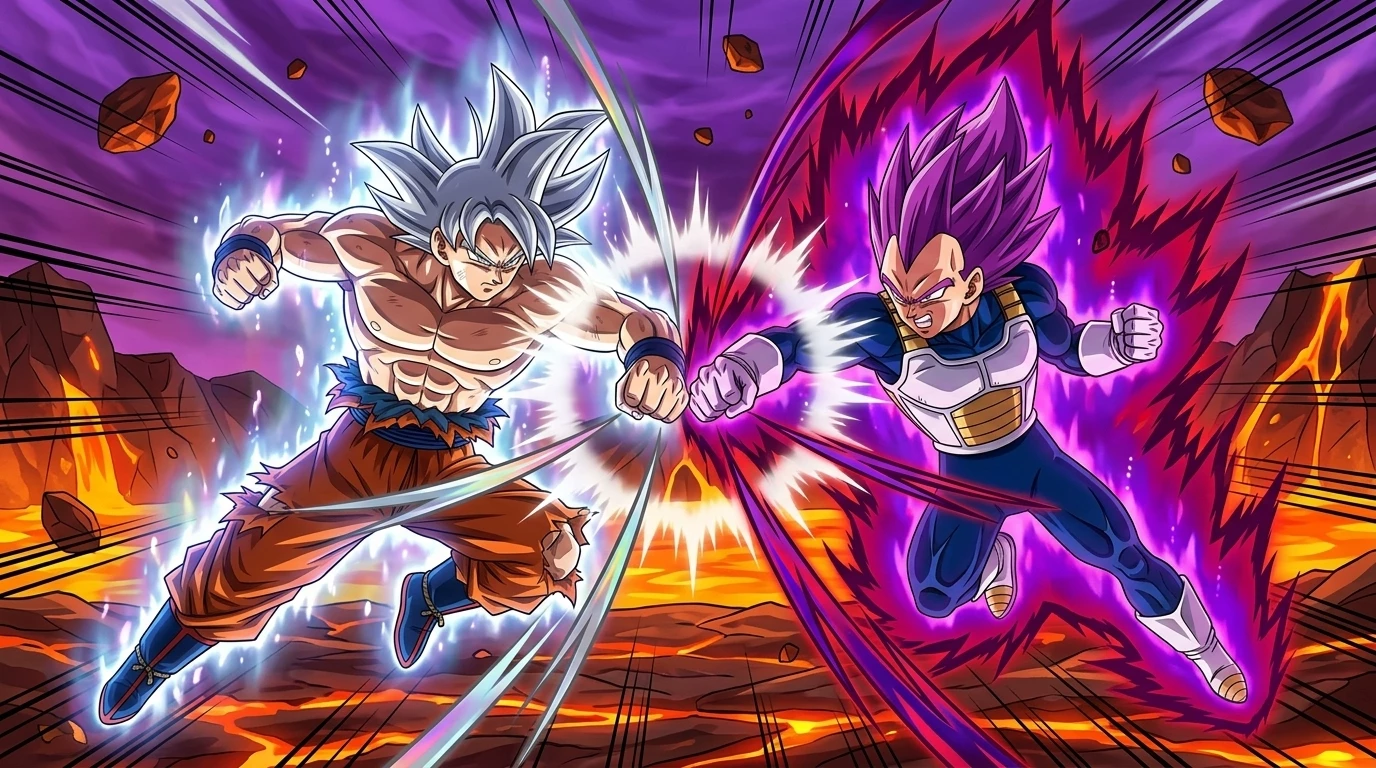
Sparking Zero May 26 Update Adds Demon World Stage and Reworks Transformation Healing
May 27, 2026Bandai Namco shipped a free Dragon Ball: Sparking Zero update on May 26, 2026 that introduces a new Demon World stage, overhauls transformation healing, and confirms the Daima Character Pack and Shallot DLC for release on June 27, 2026....
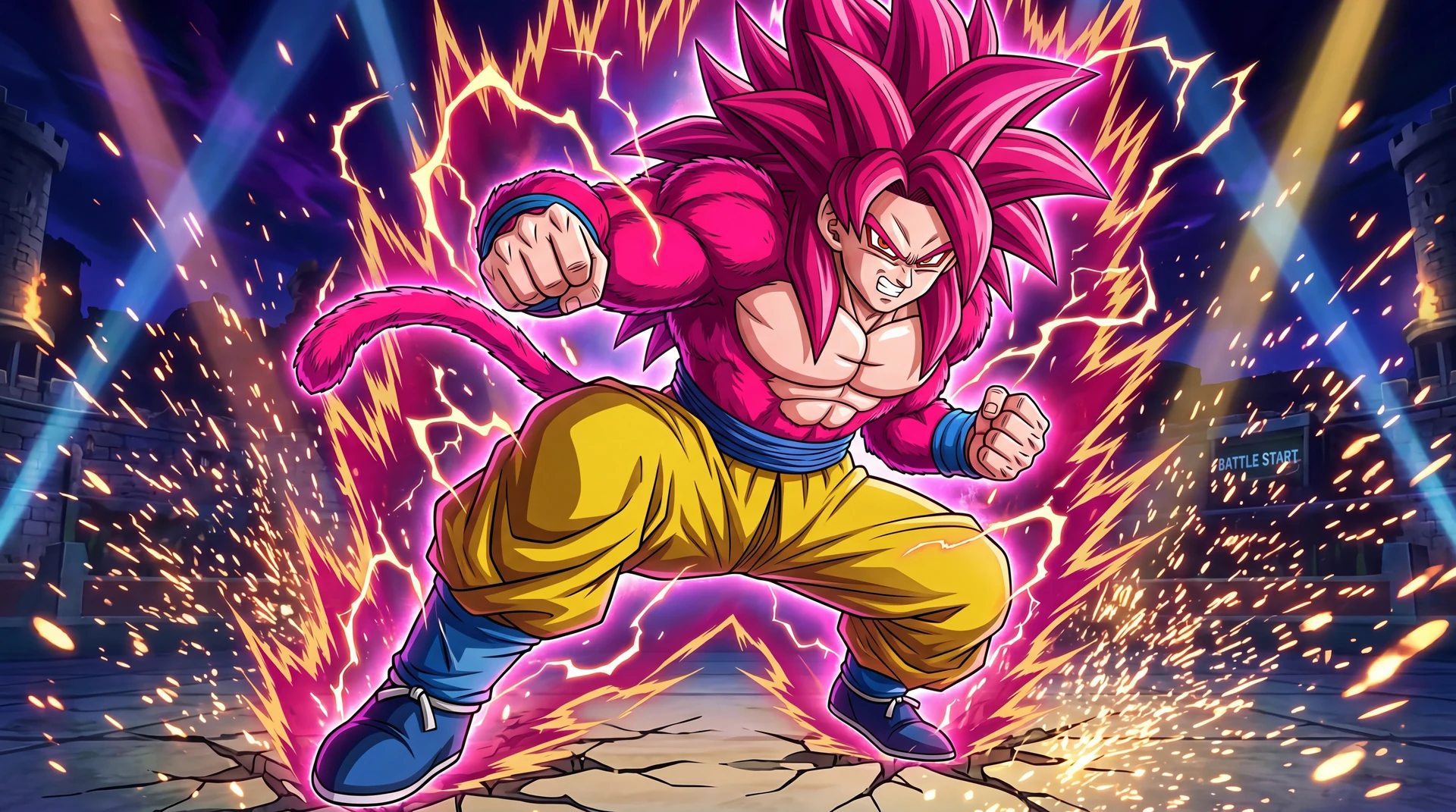
Dragon Ball FighterZ Adds Super Saiyan 4 Goku From Daima
May 25, 2026Dragon Ball FighterZ added Super Saiyan 4 Goku, the form featured in the Daima anime, as DLC on April 22, 2026. The 2018 fighting game is still getting new content nearly eight years on....
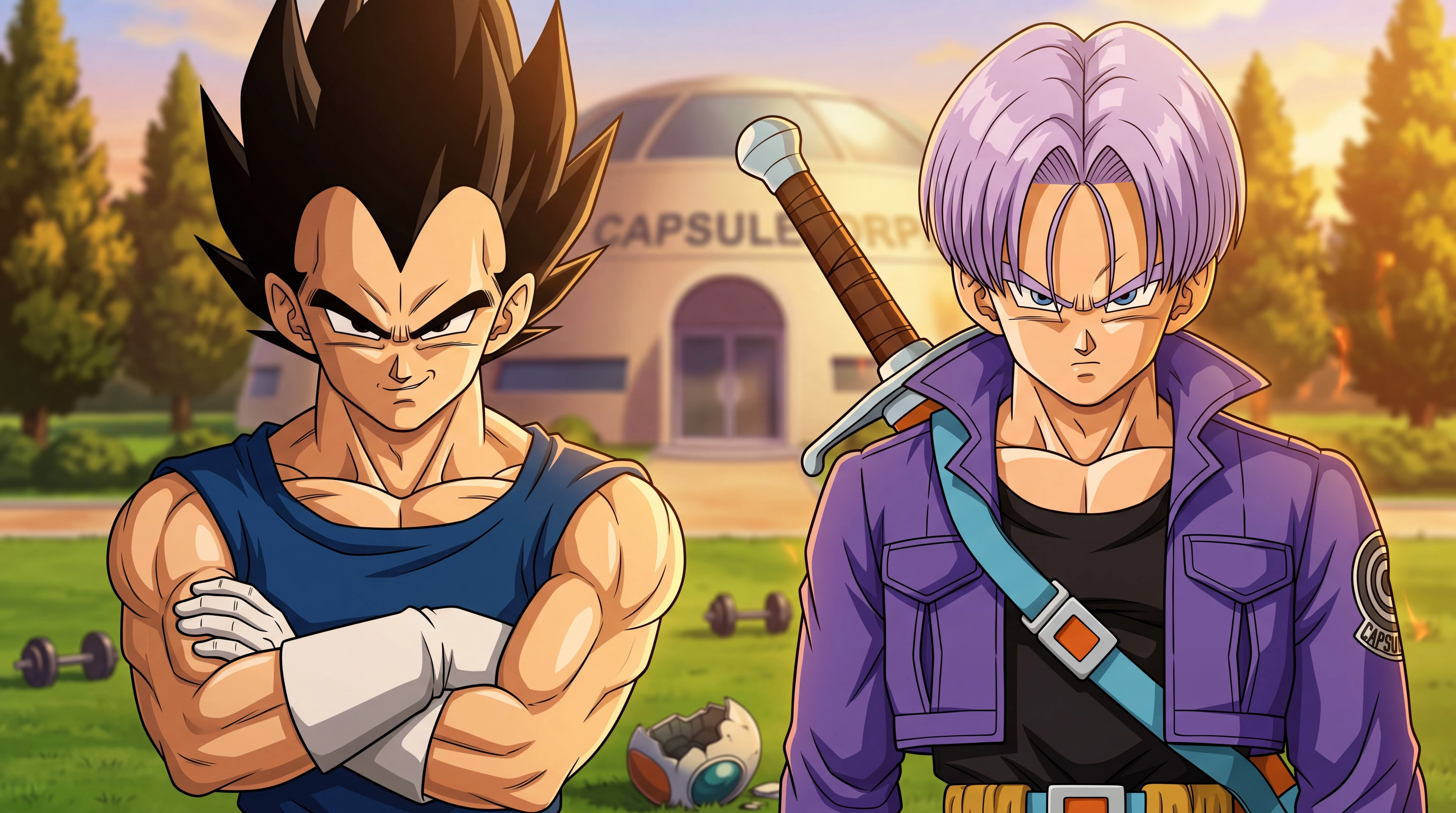
Dragon Ball Sparking Zero Super Limit-Breaking NEO DLC Adds 30 Plus Fighters for Summer 2026
Apr 20, 2026Bandai Namco and Spike Chunsoft unveiled the Super Limit-Breaking NEO expansion for Dragon Ball Sparking Zero at Battle Hour 2026. Summer 2026 release, 30 plus characters, four new stages, and a new solo mode....
Sources & Information
Looking for more on Dragon Ball Z: Gekitō Tenkaichi Budōkai? The Dragon Ball Wiki on Fandom has a dedicated page with community notes.
View on FandomThis content is original writing by Daddy Jim Headquarters based on the Dragon Ball anime series, manga, and official materials. Episode and chapter references are cited where applicable.
Character and scene imagery on this site is original artwork by Daddy Jim Headquarters, not screenshots or licensed imagery. Official cover art is used on three types of pages for editorial commentary:
- Movie pages: theatrical posters and key visuals, credited to Toei Animation and Shueisha.
- Game pages: official box art, credited to Bandai Namco, Atari, and other publishers.
- Manga chapter pages: Jump Comics volume covers, credited to Shueisha and Akira Toriyama.
Browse our episode guides:
Official resources:
Dragon Ball Music by Daddy Jim Headquarters
Come listen to some Dragon Ball R&B.
Help Us Keep This Wiki Accurate
Daddy Jim Headquarters maintains this encyclopedia across 13 languages. If you spot an error, a translation issue, or something that doesn't look right, let us know.