Gameplay
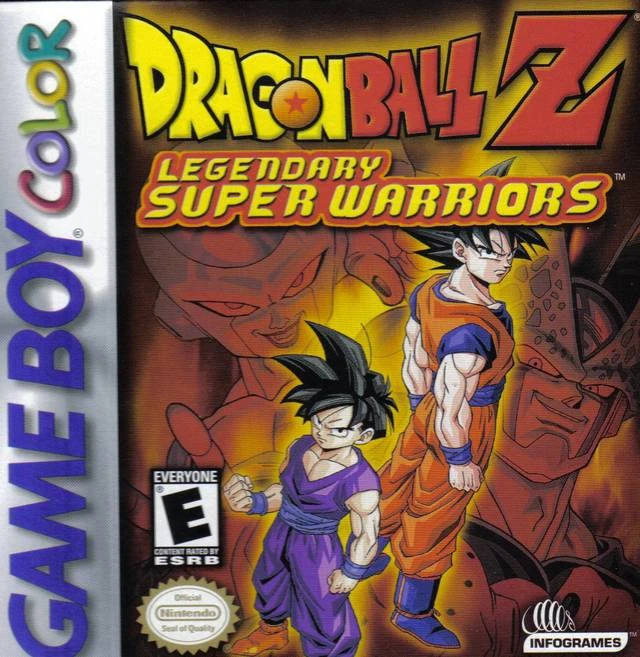
Dragon Ball Z: Legendary Super Warriors is a turn-based fighting game for the Game Boy Color developed by Banpresto. Combat is driven by a card system where players draw from a deck of 125 total cards covering attacks, techniques, and support items. Each card played determines the nature and power of that turn's action, creating a strategic layer on top of the character matchups. The game features 48 distinct character forms across its playable roster, counting each transformation of a character as a separate unit for deck-building and battle purposes.
Story Mode consists of 30 chapters divided into three arcs covering the Saiyan/Namek Arc, the Androids Arc, and the Majin Buu Arc. Two bonus Future Trunks chapters supplement the main campaign with alternate timeline scenarios. Hero characters unlock progressively as the story advances, with some exceptions, while villain characters such as Cell, Nappa, and Captain Ginyu in Goku's body become available through specific second-playthrough conditions such as fighting Nappa with a designated character. Multiplayer mode unlocks after completing the eleventh story chapter, and a separate Battle Mode becomes available after finishing the entire 30-chapter campaign.
Once the story is completed, players gain full freedom to select any character or form for any battle, enabling matchups that never occur in the main campaign, such as Super Saiyan 3 Goku versus Frieza or King Piccolo versus Majin Buu. This freeform battle option substantially extends the game's replayability beyond the structured narrative.


Story
Legendary Super Warriors covers the Dragon Ball Z timeline from the Vegeta Saga through the conclusion of the Kid Buu Saga, presenting each major conflict as a named chapter with a title drawn from the original broadcast. The Saiyan/Namek Arc follows the Dragon Team from Gohan's training under Piccolo through Frieza's defeat on Namek. The Androids Arc introduces the future threat brought by Future Trunks and follows the campaign against Cell through Gohan's Super Saiyan 2 awakening and Goku's final sacrifice. The Majin Buu Arc closes the main story with the World Martial Arts Tournament, Babidi's revival of Buu, and the Spirit Bomb that ends the battle.
The two Future Trunks bonus chapters present alternate timeline stories extending beyond the events shown in the main campaign. The first explores an alternate ending to the Android conflict, while the second depicts Trunks's final struggle to secure peace in his own timeline. These scenarios give Future Trunks a more substantial narrative presence than he receives within the primary arc structure.

Legacy
Legendary Super Warriors was noted at the time of its release for the scope of its character roster relative to the constraints of Game Boy Color hardware. The inclusion of all Ginyu Force members, Super Saiyan 1 through 3 for Goku, and fusion forms for both Vegito and Gotenks placed it among the most complete Dragon Ball Z rosters available on a portable platform. Its developer, Banpresto, had previously produced Dragon Ball Z arcade games and would go on to develop Dragon Ball: Advanced Adventure, connecting Legendary Super Warriors to a broader body of high-quality Dragon Ball portable experiences from the same studio.
Sparking Zero May 26 Update Adds Demon World Stage and Reworks Transformation Healing
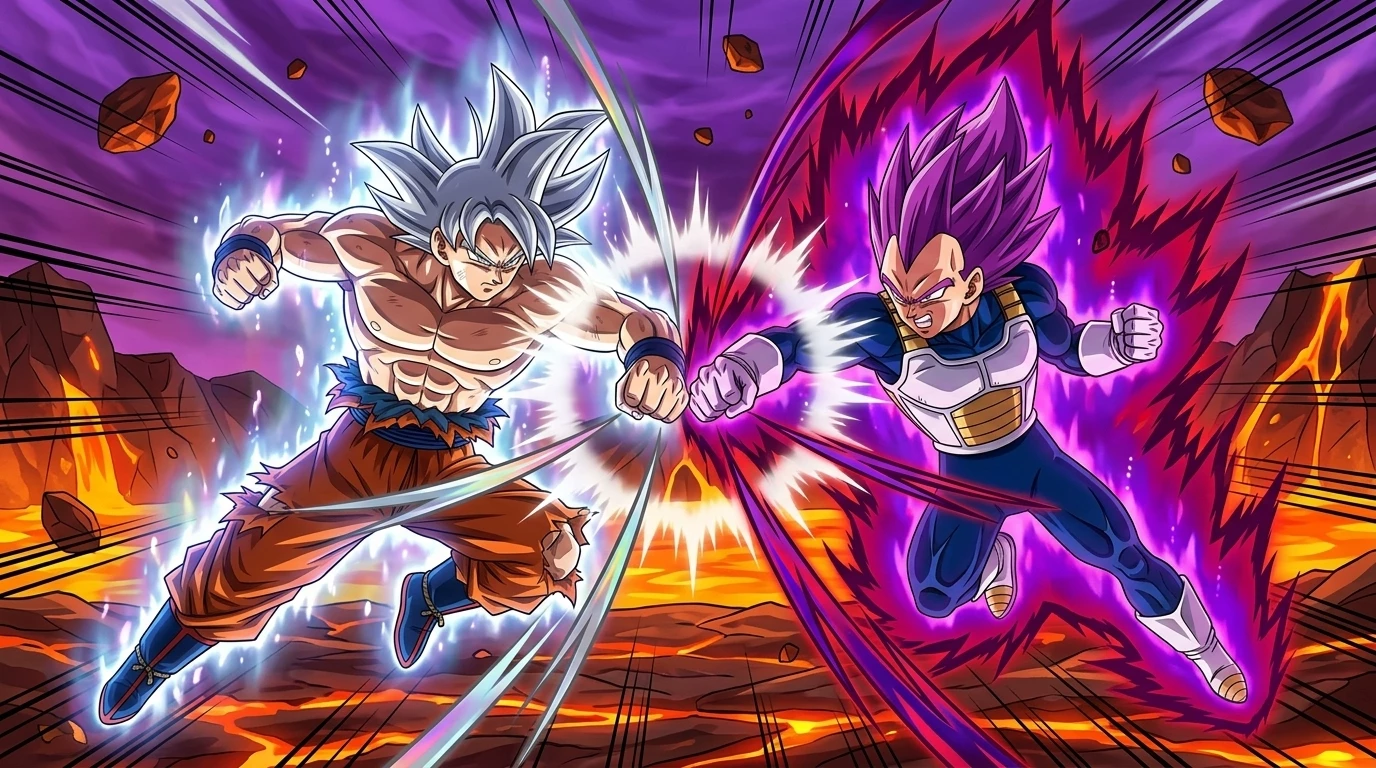
May 27, 2026Bandai Namco shipped a free Dragon Ball: Sparking Zero update on May 26, 2026 that introduces a new Demon World stage, overhauls transformation healing, and confirms the Daima Character Pack and Shallot DLC for release on June 27, 2026....
Dragon Ball FighterZ Adds Super Saiyan 4 Goku From Daima
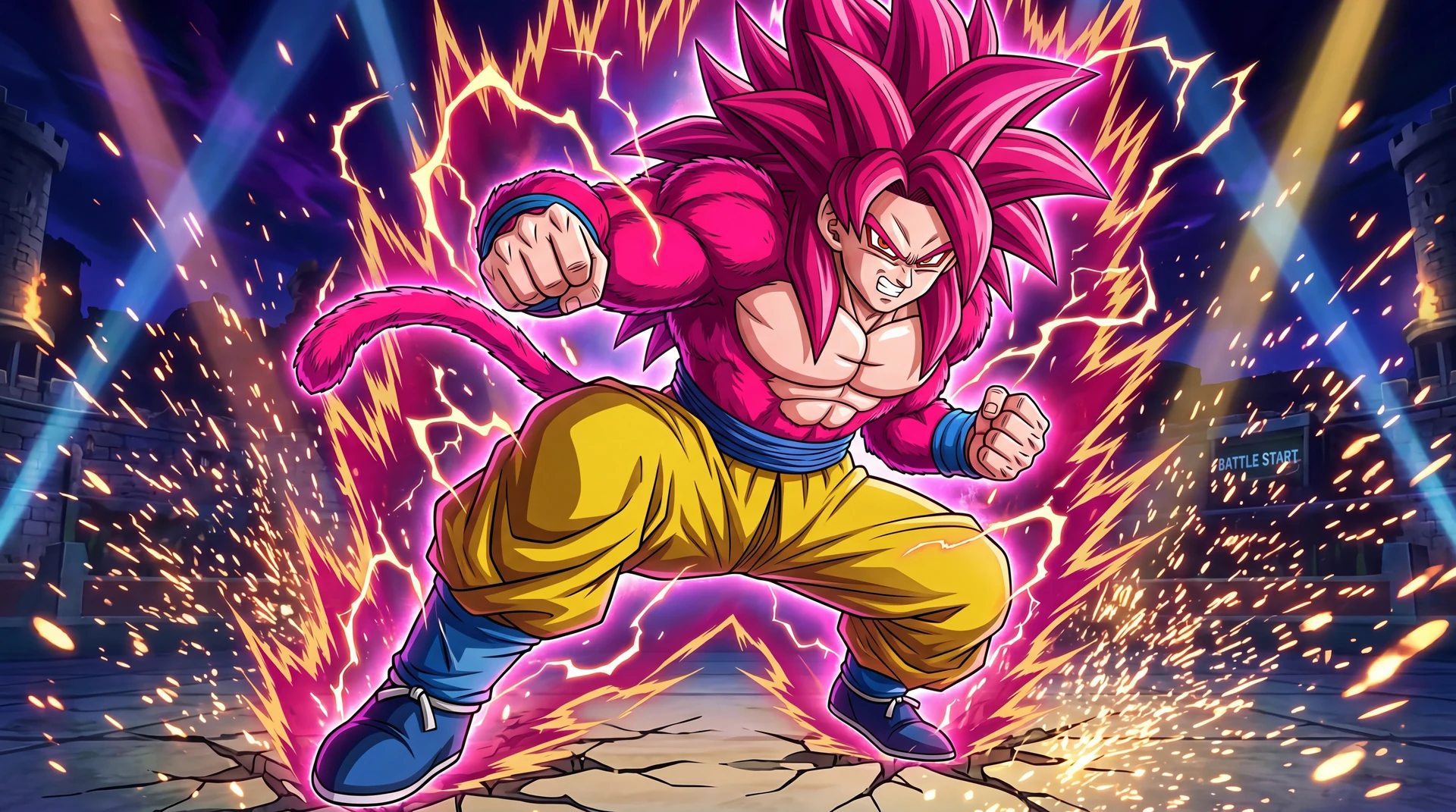
May 25, 2026Dragon Ball FighterZ added Super Saiyan 4 Goku, the form featured in the Daima anime, as DLC on April 22, 2026. The 2018 fighting game is still getting new content nearly eight years on....
Dragon Ball Sparking Zero Super Limit-Breaking NEO DLC Adds 30 Plus Fighters for Summer 2026
Apr 20, 2026Bandai Namco and Spike Chunsoft unveiled the Super Limit-Breaking NEO expansion for Dragon Ball Sparking Zero at Battle Hour 2026. Summer 2026 release, 30 plus characters, four new stages, and a new solo mode....
Sources & Information
Looking for more on Dragon Ball Z: Legendary Super Warriors? The Dragon Ball Wiki on Fandom has a dedicated page with community notes.
View on FandomThis content is original writing by Daddy Jim Headquarters based on the Dragon Ball anime series, manga, and official materials. Episode and chapter references are cited where applicable.
Character and scene imagery on this site is original artwork by Daddy Jim Headquarters, not screenshots or licensed imagery. Official cover art is used on three types of pages for editorial commentary:
- Movie pages: theatrical posters and key visuals, credited to Toei Animation and Shueisha.
- Game pages: official box art, credited to Bandai Namco, Atari, and other publishers.
- Manga chapter pages: Jump Comics volume covers, credited to Shueisha and Akira Toriyama.
Browse our episode guides:
Official resources:
Dragon Ball Music by Daddy Jim Headquarters
Come listen to some Dragon Ball R&B.
Help Us Keep This Wiki Accurate
Daddy Jim Headquarters maintains this encyclopedia across 13 languages. If you spot an error, a translation issue, or something that doesn't look right, let us know.