Dragon Ball Z: The Legend
GameDragon Ball Z: The Legend, known as in Japan, is a fighting video game produced and released by Bandai on March 31, 1996 in Japan for the Sega Saturn and PlayStation and on December 1996 in Europe for the Sega Saturn only. Greatest Hits versions were released on June 20, 1997, for the Saturn and June 27, 1997, for the PlayStation.
Gameplay
Dragon Ball Z: The Legend employs a hybrid 2D-in-3D presentation, rendering sprite-based characters within a three-dimensional environment. Most combat takes place in the air, with characters flying around each other and trading rapid punches, kicks, and Ki Blasts. Ki Blasts can be fired individually or in rapid bursts by holding the assigned button, and each character maintains a limited ki gauge that recharges over time. If the ki gauge is fully depleted, the character becomes exhausted and stands vulnerable until recovery. The life meter is represented as a shared energy bar that shifts toward one side as damage accumulates, and when one side is fully drained, the depleted character executes a special Meteor Attack cinematic that ends the match.
Each bout is structured as a team engagement, with one or more fighters on each side that can be substituted during the fight. Player choices within story mode battles affect outcomes, such as allowing Frieza to kill Krillin to trigger Goku's Super Saiyan transformation, or choosing which characters to field in key confrontations. The game scores players based on how faithfully they recreate the original Dragon Ball Z story, rewarding those who follow canonical decisions.

Story and Content
The Legend is the first Dragon Ball Z game to encompass all of the series' major sagas within a single title. Its Story Mode is divided into eight episodes covering the Saiyan Saga, the Captain Ginyu Saga, the Frieza Saga, the Androids Saga, the Cell Games Saga, the Majin Buu Saga, the Fusion Saga, and the Kid Buu Saga. The breadth of this narrative coverage was unprecedented at the time of release and positioned the game as a comprehensive tour through Dragon Ball Z's entire run.
The roster of thirty-five playable characters and forms spans the full cast of the series, including multiple transformations for Goku, Vegeta, and Gohan. Certain characters, like Future Trunks in his Battle Armor outfit, appear exclusively in specific story stages and cannot be chosen in Versus mode. The game adheres closely to manga continuity in its visual presentation, using illustrations that resemble the manga panels more closely than the anime broadcast. Alternate battle outcomes and the inclusion of both standard and special story mode fights give the game additional strategic and narrative variety.
Related Reading
See all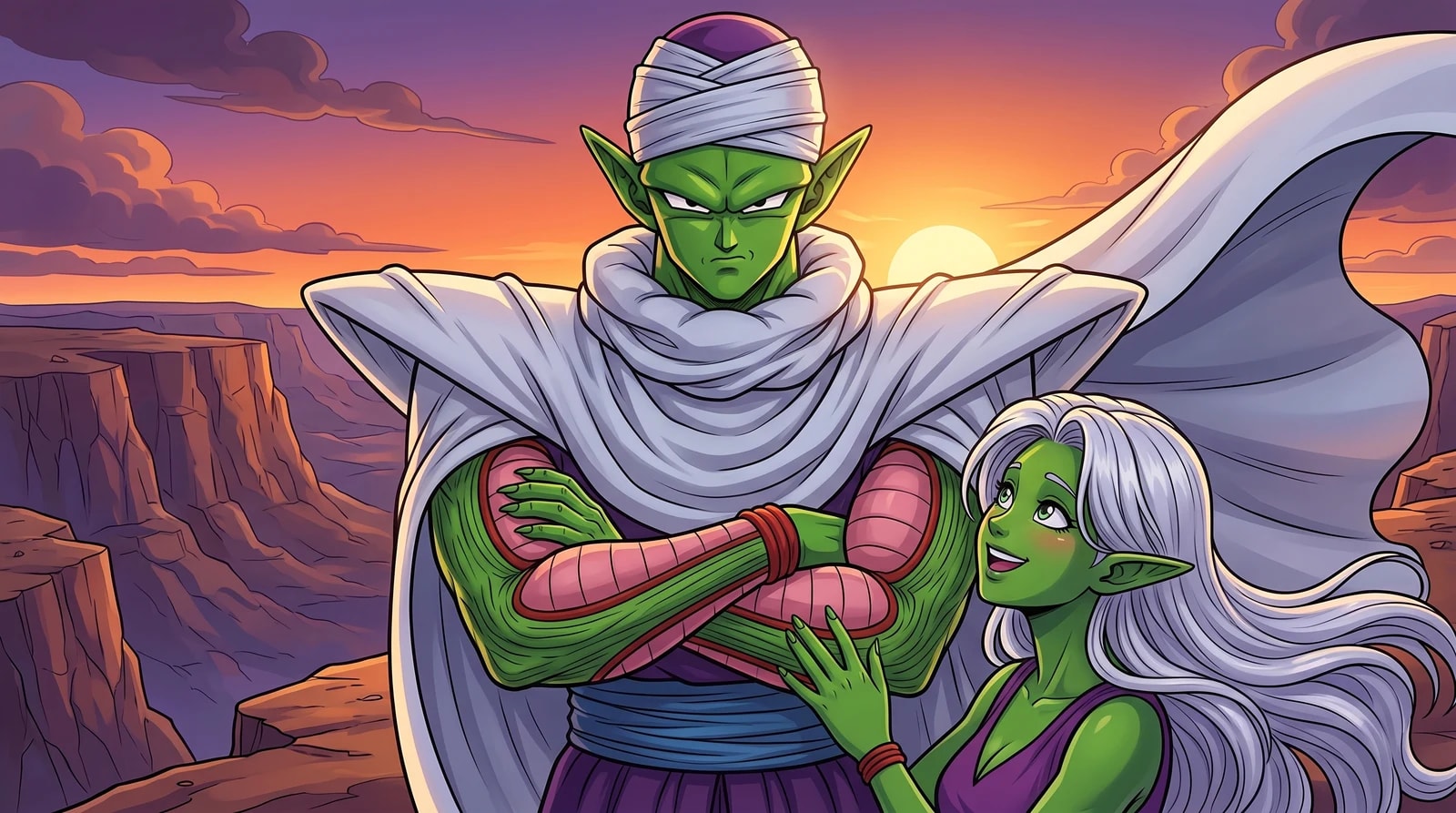
Namek Has No Women, and Piccolo Pulls Anyway
There are no women on Namek. That isn't an oversight, it's the biology. Why we handed Piccolo the one thing his own species rules out, and why it had to be trap soul....
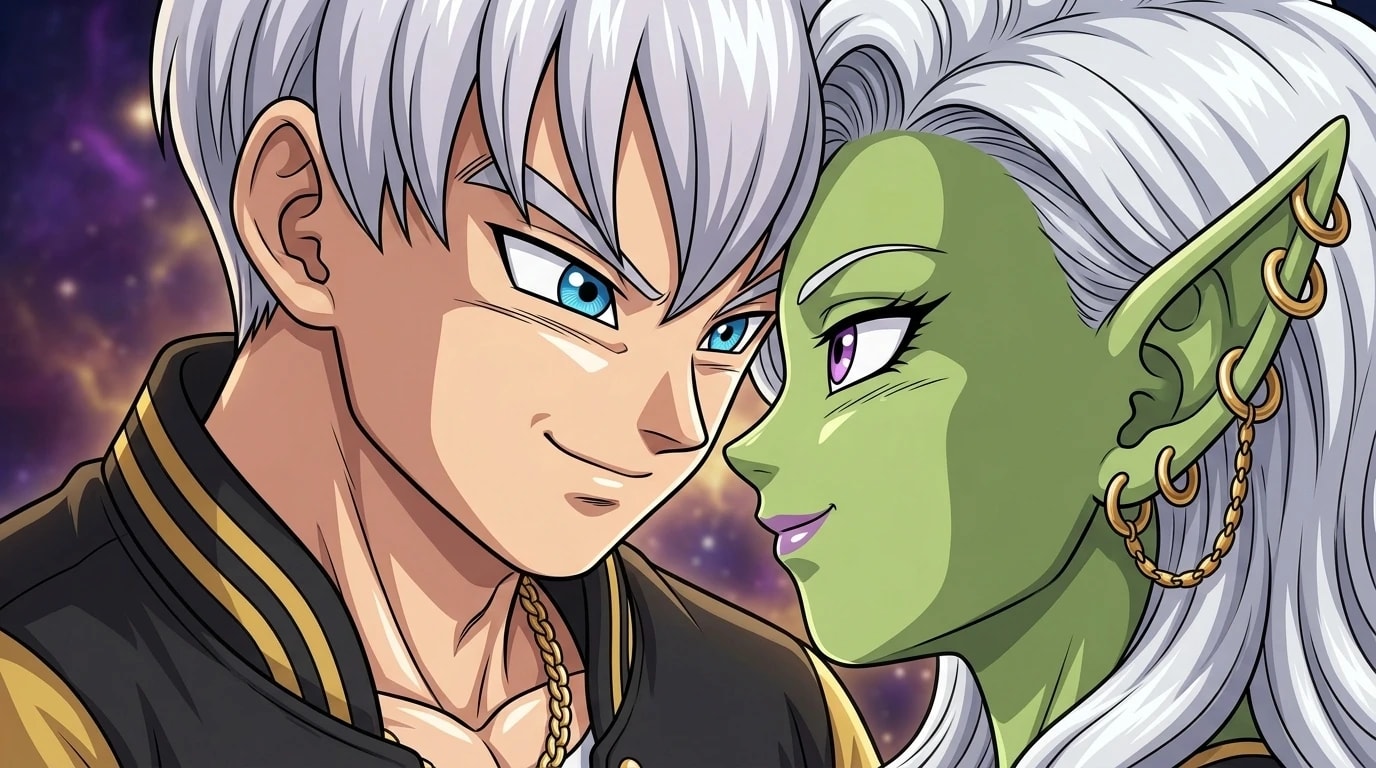
1000 Times Over: Who Is John Dragon Ball Singing To?
Dragon Ball handed us a protagonist with no history and the internet named him John Dragon Ball. So we built him somebody to talk to....

Release and Significance
Dragon Ball Z: The Legend was developed and released by Bandai for the Sega Saturn and PlayStation in Japan on March 31, 1996, with a European Sega Saturn release following in December 1996. Greatest Hits versions arrived in mid-1997 for both platforms. The game was not released in North America, limiting its audience primarily to European and Japanese markets during its original distribution window.
The title holds historical importance as one of the first console Dragon Ball Z games to attempt full saga coverage and a roster of this scale, anticipating the ambitions of later landmark releases. Originally conceived with Gogeta and an original Akira Toriyama-designed character, both were cut due to production schedule constraints, a detail that has remained a point of interest among franchise historians. Its unique hybrid visual style and consequence-driven story mode mechanics set it apart from the majority of Dragon Ball Z fighting games produced during the mid-1990s.
Frequently Asked Questions
What is Dragon Ball Z legends?
Dragon Ball Z: The Legend, known as in Japan, is a fighting video game produced and released by Bandai on March 31, 1996 in Japan for the Sega Saturn and PlayStation and on December 1996 in Europe for the Sega Saturn only. Greatest Hits versions were released on June 20, 1997, for the Saturn and June 27, 1997, for the PlayStation.
How to play Dragon Ball Z: The Legend?
Player choices within story mode battles affect outcomes, such as allowing Frieza to kill Krillin to trigger Goku's Super Saiyan transformation, or choosing which characters to field in key confrontations. Dragon Ball Z: The Legend, known as in Japan, is a fighting video game produced and released by Bandai on March 31, 1996 in Japan for the Sega Saturn and PlayStation and on December 1996 in Europe for the Sega Saturn only.
When was Dragon Ball Z: The Legend released?
Dragon Ball Z: The Legend was released in 1996. Bandai published it as part of the Dragon Ball Z game series.
Who developed Dragon Ball Z: The Legend?
Dragon Ball Z: The Legend was developed by Bandai. Bandai published the title in 1996.
Who published Dragon Ball Z: The Legend?
Dragon Ball Z: The Legend was published by Bandai. Bandai handled development, and the game launched in 1996.
Sources & Information
Looking for more on Dragon Ball Z: The Legend? The Dragon Ball Wiki on Fandom has a dedicated page with community notes.
View on FandomThis content is original writing by Daddy Jim Headquarters based on the Dragon Ball anime series, manga, and official materials. Episode and chapter references are cited where applicable.
Rights holders
- Created byAkira Toriyama
- Published byShueisha
- Animated byToei Animation
All rights belong to their respective owners.
Character and scene imagery on this site is original artwork by Daddy Jim Headquarters, not screenshots or licensed imagery. Official cover art is used on three types of pages for editorial commentary:
- Movie pages: theatrical posters and key visuals, credited to Toei Animation and Shueisha.
- Game pages: official box art, credited to Bandai Namco, Atari, and other publishers.
- Manga chapter pages: Jump Comics volume covers, credited to Shueisha and Akira Toriyama.
Browse our episode guides:
Official resources:
Help Us Keep This Wiki Accurate
Daddy Jim Headquarters maintains this encyclopedia. If you spot an error, a translation issue, or something that doesn't look right, let us know.