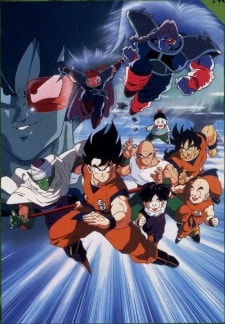
Dragon Ball Z: The Tree of Might
MovieA rogue Saiyan named Turles plants the Tree of Might on Earth, a cosmic parasite that devours a planet's energy to produce fruit that grants immense power. Goku must protect his son, his world, and face a dark mirror of himself before the planet dies.
When the Sky Went Dark Over Earth
The trouble begins quietly. Gohan is out camping with Bulma, Krillin, and Oolong when a mysterious object crash-lands in the nearby forest, igniting a wildfire. Gohan and Krillin rescue the forest animals, including a small dragon named Icarus who bonds instantly with the young half-Saiyan. The forest is devastated, so the group gathers the Dragon Balls and wishes it restored. But the cosmic object was no accident. It was a probe, scanning Earth's soil composition and transmitting data to a crew of space pirates led by a Saiyan warrior who looks disturbingly like Goku.
The Seed That Devours Worlds
Turles and his Crusher Corps arrive on Earth and plant the seed of the Tree of Might. This parasitic organism feeds on a planet's life force, draining every living thing to produce fruit that grants whoever eats it an enormous surge of power. The seed grows with terrifying speed, erupting into a tree of monstrous proportions that blots out the sun and begins killing the landscape for miles in every direction.
King Kai contacts Goku with an urgent warning. The Z Fighters mobilize: Goku, Krillin, Yamcha, Tien, and Chiaotzu fly to the tree and unleash their strongest attacks against its trunk. Nothing works. The tree is too deeply rooted, too massive, too resilient. While they regroup, Turles's henchmen attack. The battles are chaotic and unforgiving. Tien and Chiaotzu face the twin fighters Rasin and Lakasei. Krillin takes on Amond. Yamcha clashes with Cacao. The Z Fighters struggle against opponents powered by the tree's stolen energy.
Goku's Dark Reflection
Turles is a low-class Saiyan who bears an almost identical appearance to Goku, a coincidence rooted in Toriyama's early designs for Saiyan warriors. But where Goku chose Earth and compassion, Turles embraced conquest and cruelty. When he encounters young Gohan, he offers the boy a choice: join his crew or die. Gohan refuses. Piccolo arrives to intervene, but Turles blasts him from behind.
Noticing Gohan's regrown tail, Turles creates a Power Ball, an artificial moon that forces the boy into his Great Ape transformation. Turles immediately destroys the moon so he does not transform himself, then sets the rampaging Gohan loose. Goku arrives to find his own son turned into a weapon against him. He nearly dies in Gohan's massive fist before Icarus calms the boy down. When Turles attacks the little dragon, Gohan turns his rage on the Saiyan, but Turles fires a killing blast. Goku cuts Gohan's tail just in time, reverting his son to normal. Cradling a small, naked, unconscious Gohan in his arms, Goku makes a promise: Turles will not survive this day.
Borrowed Power, Borrowed Time
Goku dispatches Turles's henchmen using the Kaio-ken and faces the Saiyan pirate one on one. Initially, Goku holds the advantage, but Turles eats fruit from the Tree of Might, and his power explodes beyond anything Goku can match. Even the Kaio-ken times ten cannot close the gap. Turles batters Goku into the ground.
With his friends battered and his own strength failing, Goku begins forming a Spirit Bomb. But the Tree of Might has drained so much of Earth's energy that the Spirit Bomb is pitifully weak. Turles neutralizes it effortlessly with a Calamity Blaster. In desperation, Goku draws energy from the Tree of Might itself, pulling the planet's stolen life force back out through the organism that took it. The renewed Spirit Bomb surges with power. Goku launches it at Turles, who attempts to counter with his own energy wave but is overwhelmed. The Spirit Bomb carries Turles up the trunk of the Tree of Might, destroying him and the tree together in a single, brilliant detonation. Earth's stolen energy flows back into the soil, and the world begins healing immediately.


Dark Saiyans and Desperate Measures
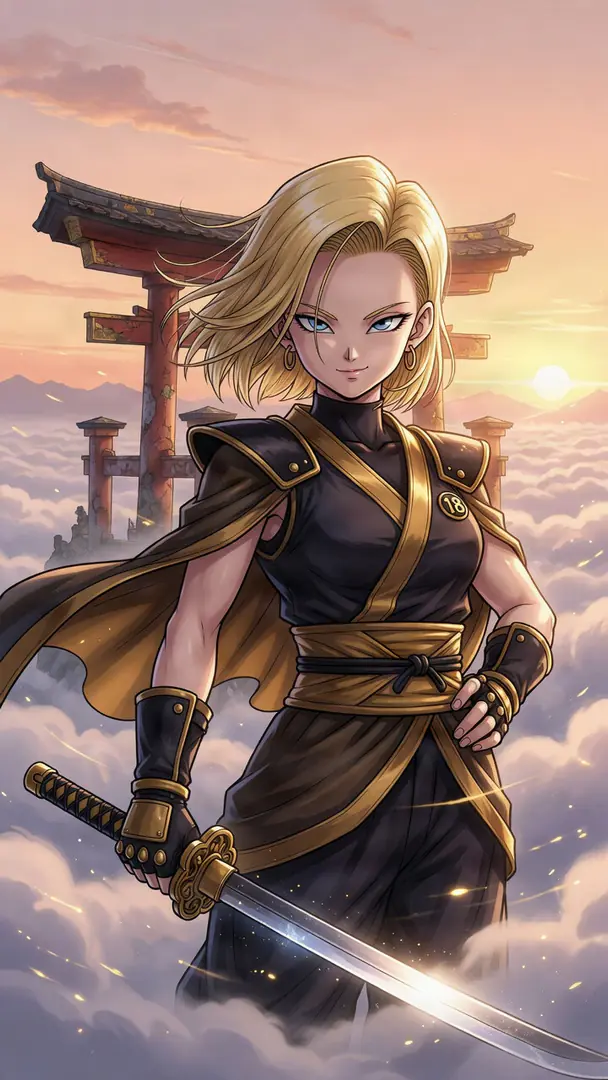
The Tree of Might delivers its strongest moments through contrast: the gentle beauty of Gohan's forest friendship with Icarus set against the creeping horror of a planet being drained of life, and the physical similarity between Goku and Turles hiding a fundamental moral divide.
Gohan's Great Ape Rampage
The sequence where Turles forcibly transforms Gohan into a Great Ape is one of the most unsettling scenes in any Dragon Ball film. It weaponizes a child against his own father, and the animation captures the horror effectively. Goku cannot bring himself to harm his son, and every second he hesitates costs him. The resolution, Icarus calming Gohan through their bond, rewards the film's earlier investment in their friendship, turning what seemed like a lighthearted subplot into a critical plot point.
The Spirit Bomb Rewrite
Goku's decision to draw energy from the Tree of Might is a stroke of poetic justice that defines the climax. The tree stole the planet's energy; Goku reclaims it through the very technique designed to channel the will of living things. The Spirit Bomb that destroyed the tree was powered by the life force the tree had consumed. It is a closed loop of narrative symmetry, and the visual payoff, the tree exploding from within as green energy cascades back across the dead landscape, remains one of the most satisfying conclusions in the Dragon Ball film catalog.
Turles as a What-If Scenario
Turles is interesting less as a villain and more as a philosophical question: what would Goku have become without Grandpa Gohan? A Saiyan is a Saiyan, Turles would argue, and conquest is in their blood. Goku's existence disproves this, but Turles's identical face makes the argument visceral. Looking at Turles is looking at a version of Goku who never hit his head as a baby, never learned kindness, and never saw Earth as anything more than a resource to exploit.
The Saiyan Mirror at the Anime Fair
The Tree of Might premiered on July 7, 1990, as part of the Toei Anime Fair, screened alongside adaptations of two other Akira Toriyama works. Directed by Kazuhisa Takenouchi with a screenplay by Keiji Terui, the film runs 61 minutes, making it one of the longer entries in the early Dragon Ball Z theatrical lineup. It grossed 1.36 billion yen at the Japanese box office.
A Long Journey to the West
The Tree of Might had an unusually complex localization history. It first reached American audiences not as a standalone film but as a three-part television episode inserted into the Namek Saga during Dragon Ball Z's syndicated run in 1997, dubbed by Ocean Productions through Funimation and Saban Entertainment. These episodes premiered on Toonami on January 29, 1999, and aired at least seven more times between 1999 and 2001. Pioneer released the first home video version in 1998 with the original Japanese audio and an uncut Ocean dub. Funimation later produced a complete re-dub with an original score by Nathan M. Johnson in 2006, followed by a Double Feature Blu-ray release paired with Lord Slug in September 2008.
Enduring Popularity
Turles has remained a fan favorite villain, largely because of his visual similarity to Goku and the dark "what if" scenario he represents. He has appeared as a playable character in numerous Dragon Ball video games and was incorporated into the Super Dragon Ball Heroes anime, where Goku recognizes him from their prior encounter. The Tree of Might concept itself has reappeared in various Dragon Ball media, cementing the film's ideas as part of the franchise's expanded mythology.
Related Reading
See all
Krillin's on the Tinder: How the Ultimate Short King Survived the Height Filter
Tinder built a height filter. Dragon Ball built a five foot legend. What happened when we sent the ultimate short king into the modern dating hellscape....
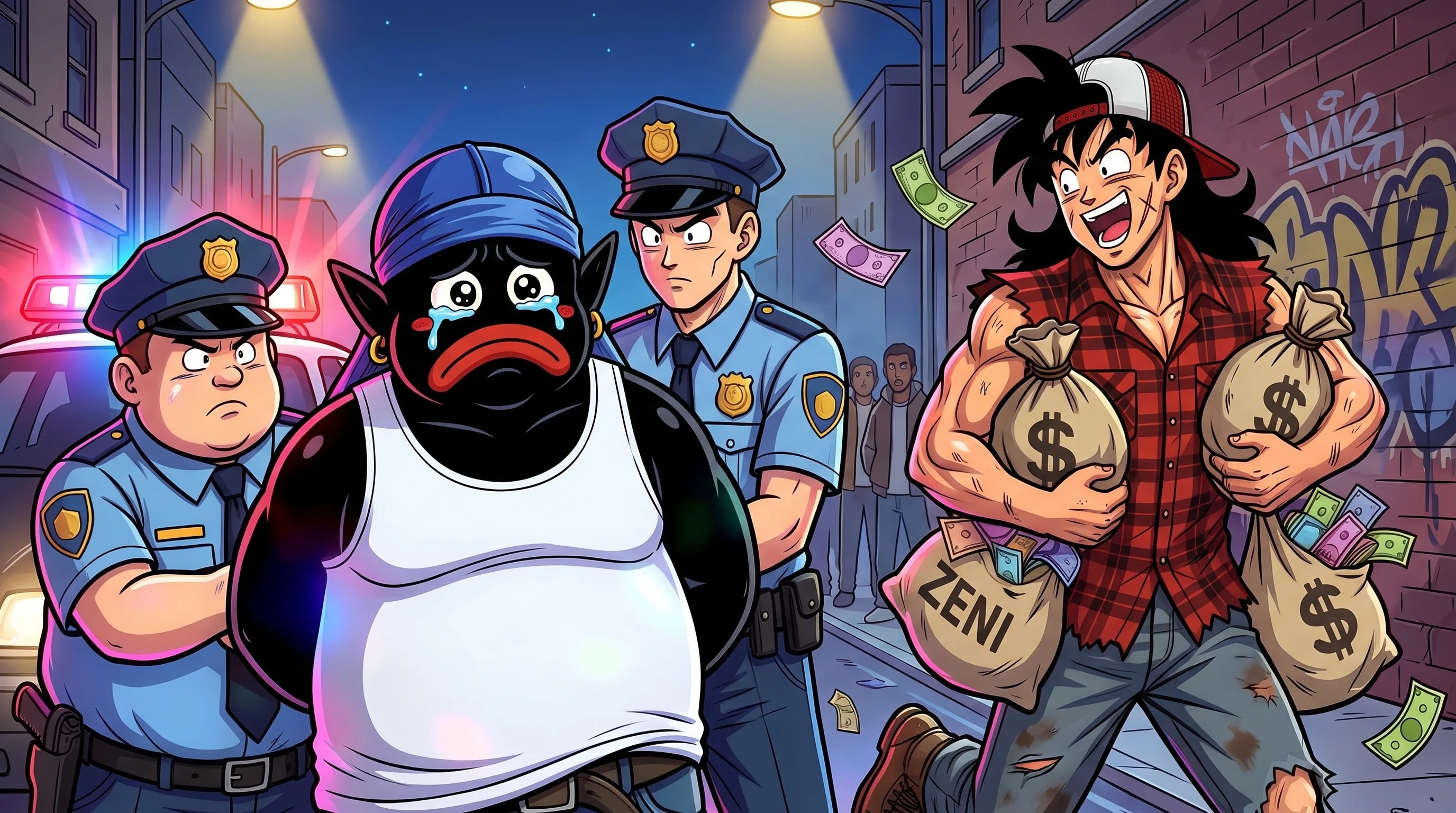
Infinite Zeni Glitch: When Yamcha Never Pays and Mr. Popo Always Does
The internet found an infinite money glitch. So did Yamcha. A smooth R&B track about the easiest money in the Dragon Ball world and the one man who keeps paying for it....
Frequently Asked Questions
What is Dragon Ball Z: The Tree of Might about?
During a camping trip, a space pod crashes and ignites a forest fire. Gohan and Krillin rescue the animals and use the Dragon Balls to restore the forest. However, the pod belonged to scouts for Turles, a low-class Saiyan who physically resembles Goku.
Is Dragon Ball Z: The Tree of Might canon?
Dragon Ball Z: The Tree of Might is a theatrical film from the Dragon Ball Z era. It was released on July 7, 1990.
What is Dragon Ball Z: The Tree of Might?
A rogue Saiyan named Turles plants the Tree of Might on Earth, a cosmic parasite that devours a planet's energy to produce fruit that grants immense power. Goku must protect his son, his world, and face a dark mirror of himself before the planet dies.
When was Dragon Ball Z: The Tree of Might released?
Dragon Ball Z: The Tree of Might was released on July 7, 1990. It is a theatrical film in the Dragon Ball Z era.
Who is the main villain in Dragon Ball Z: The Tree of Might?
The main antagonist of Dragon Ball Z: The Tree of Might is Turles. During a camping trip, a space pod crashes and ignites a forest fire.
Sources & Information
Looking for more on Dragon Ball Z: The Tree of Might? The Dragon Ball Wiki on Fandom has a dedicated page with community notes.
View on FandomThis content is original writing by Daddy Jim Headquarters based on the Dragon Ball anime series, manga, and official materials. Episode and chapter references are cited where applicable.
Character and scene imagery on this site is original artwork by Daddy Jim Headquarters, not screenshots or licensed imagery. Official cover art is used on three types of pages for editorial commentary:
- Movie pages: theatrical posters and key visuals, credited to Toei Animation and Shueisha.
- Game pages: official box art, credited to Bandai Namco, Atari, and other publishers.
- Manga chapter pages: Jump Comics volume covers, credited to Shueisha and Akira Toriyama.
Browse our episode guides:
Official resources:
Help Us Keep This Wiki Accurate
Daddy Jim Headquarters maintains this encyclopedia. If you spot an error, a translation issue, or something that doesn't look right, let us know.