Ki Sense
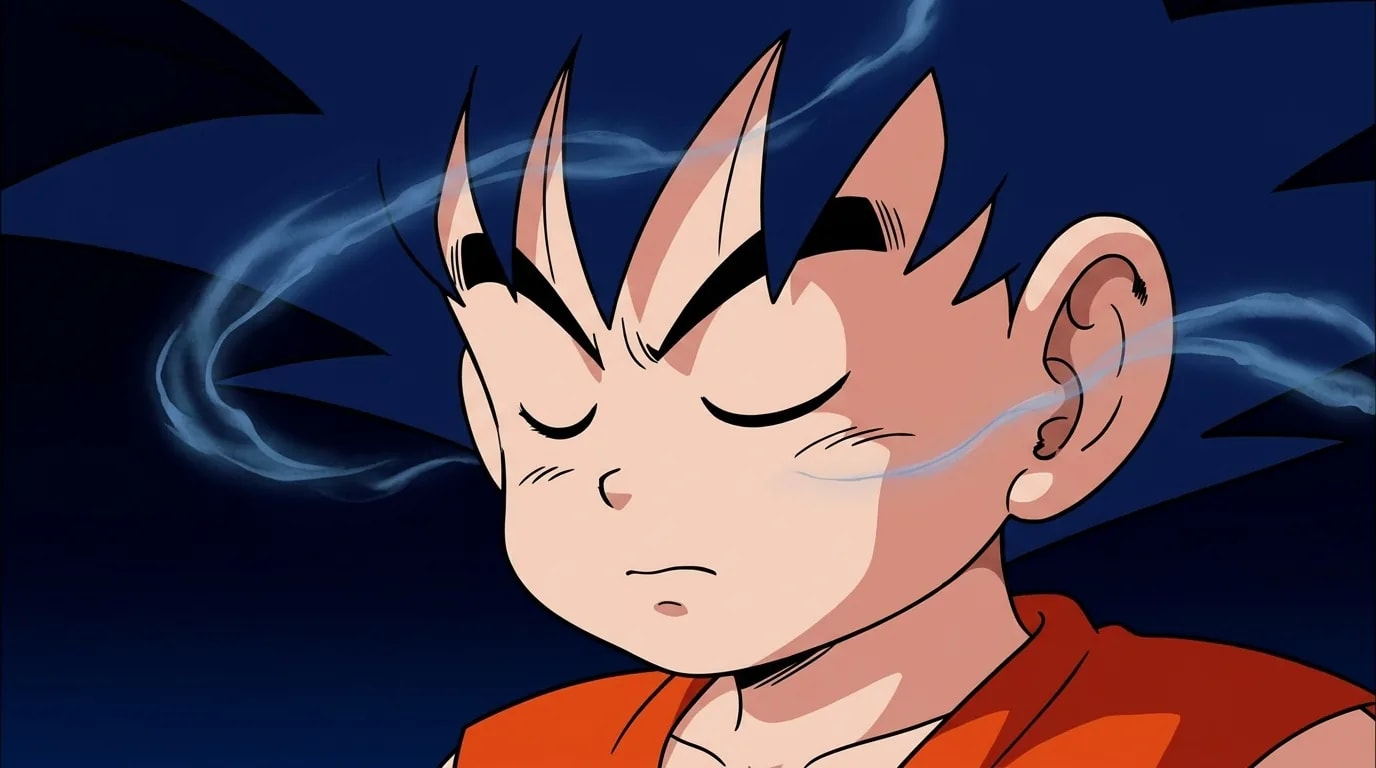
TechniqueThe ability to detect and gauge ki energy from other living beings, rendering mechanical devices like Scouters obsolete. Mastered by virtually every Z Fighter, it is the foundation for tracking enemies and allies across vast distances.
Feeling What Scouters Cannot
Ki Sense is one of the most important non-combat abilities in Dragon Ball. It allows the user to perceive the life energy of other beings, effectively giving them a radar for locating fighters, gauging power levels, and tracking movements across enormous distances. The ability was first formally introduced during the King Piccolo Saga, when Goku demonstrated he could feel the evil presence of the Demon King from far away.
The technique made Scouters, the electronic devices used by Frieza's army, look primitive by comparison. Scouters could only read a static number and frequently exploded when confronted with high power levels. Ki Sense is dynamic: users can feel fluctuations in real-time, detect when someone is suppressing their power, and even distinguish between different types of energy such as godly ki. Vegeta's gradual transition from relying on Scouters to mastering Ki Sense marked his integration into Earth's warrior culture.



The Divine Barrier
Ki Sense has one critical limitation that became a major plot point in Dragon Ball Super: it cannot detect godly ki. When Beerus and Whis arrived on Earth, most of the Z Fighters could not sense them at all. Goku and Vegeta only gained the ability to sense divine energy after training with Whis and achieving Super Saiyan God and Super Saiyan Blue forms. This created a new tier of awareness in the series, where fighters who could sense godly ki operated on an entirely different level of perception than those who could not.
Goku Black and Zamasu exploited this gap during the Future Trunks Saga. Their divine ki made them invisible to conventional sensing, giving them a tactical advantage that mortal fighters could not easily counter.

How Everyone Learned
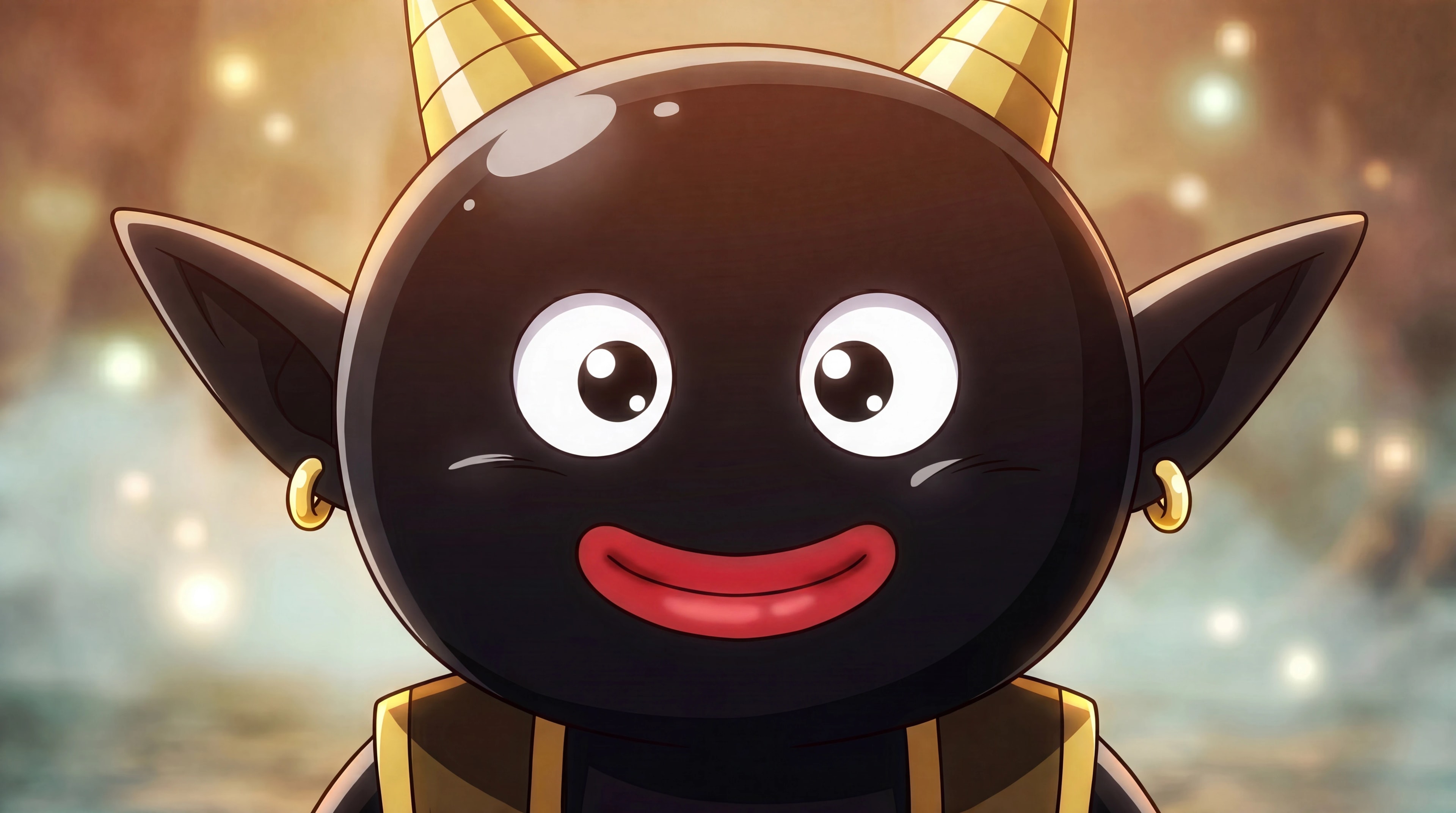
Most of the Z Fighters developed Ki Sense through hard training. Krillin, Yamcha, Tien, and Chiaotzu all learned it during their preparation for the Saiyan invasion, training under Kami and Mr. Popo at the Lookout. The Namekians possessed the ability naturally, with Piccolo and Nail demonstrating exceptional sensing range. Korin and Mr. Popo both showed Ki Sense abilities early in the original Dragon Ball, suggesting it was a skill associated with Earth's guardians long before the Z Fighters adopted it.
The ability's narrative importance cannot be overstated. It replaced the need for characters to physically search for each other, allowed real-time commentary on distant battles, and gave dramatic weight to moments when a familiar ki suddenly vanished, signaling a fighter's death. When Goku's energy disappeared on Namek, or when Vegeta's ki winked out against Buu, the other characters felt it instantly, and so did the audience.
Related Reading
See all
Krillin's on the Tinder: How the Ultimate Short King Survived the Height Filter
Tinder built a height filter. Dragon Ball built a five foot legend. What happened when we sent the ultimate short king into the modern dating hellscape....

Infinite Zeni Glitch: When Yamcha Never Pays and Mr. Popo Always Does
The internet found an infinite money glitch. So did Yamcha. A smooth R&B track about the easiest money in the Dragon Ball world and the one man who keeps paying for it....

Frequently Asked Questions
How does ki Sense work in Dragon Ball?
Ki Sense is one of the most important non-combat abilities in Dragon Ball. It allows the user to perceive the life energy of other beings, effectively giving them a radar for locating fighters, gauging power levels, and tracking movements across enormous distances. The ability was first formally introduced during the King Piccolo Saga, when Goku demonstrated he could feel the evil presence of the Demon King from far away.
What does ki Sense do?
The ability to detect and gauge ki energy from other living beings, rendering mechanical devices like Scouters obsolete. Mastered by virtually every Z Fighter, it is the foundation for tracking enemies and allies across vast distances.
Can Z Broly sense ki?
Ki Sense has one critical limitation that became a major plot point in Dragon Ball Super: it cannot detect godly ki. When Beerus and Whis arrived on Earth, most of the Z Fighters could not sense them at all. Goku and Vegeta only gained the ability to sense divine energy after training with Whis and achieving Super Saiyan God and Super Saiyan Blue forms.
When does Ki Sense first appear?
Ki Sense first appears in The Ultimate Sacrifice (Dragon Ball Episode 108). In the manga, it debuts in the Superest Super Water!!! (Chapter 135) arc. The ability to detect and gauge ki energy from other living beings, rendering mechanical devices like Scouters obsolete.
How is Ki Sense represented in Dragon Ball video games?
Most of the Z Fighters developed Ki Sense through hard training. Krillin, Yamcha, Tien, and Chiaotzu all learned it during their preparation for the Saiyan invasion, training under Kami and Mr. Popo at the Lookout.
Sources & Information
Looking for more on Ki Sense? The Dragon Ball Wiki on Fandom has a dedicated page with community notes.
View on FandomThis content is original writing by Daddy Jim Headquarters based on the Dragon Ball anime series, manga, and official materials. Episode and chapter references are cited where applicable.
Character and scene imagery on this site is original artwork by Daddy Jim Headquarters, not screenshots or licensed imagery. Official cover art is used on three types of pages for editorial commentary:
- Movie pages: theatrical posters and key visuals, credited to Toei Animation and Shueisha.
- Game pages: official box art, credited to Bandai Namco, Atari, and other publishers.
- Manga chapter pages: Jump Comics volume covers, credited to Shueisha and Akira Toriyama.
Browse our episode guides:
Official resources:
Help Us Keep This Wiki Accurate
Daddy Jim Headquarters maintains this encyclopedia. If you spot an error, a translation issue, or something that doesn't look right, let us know.