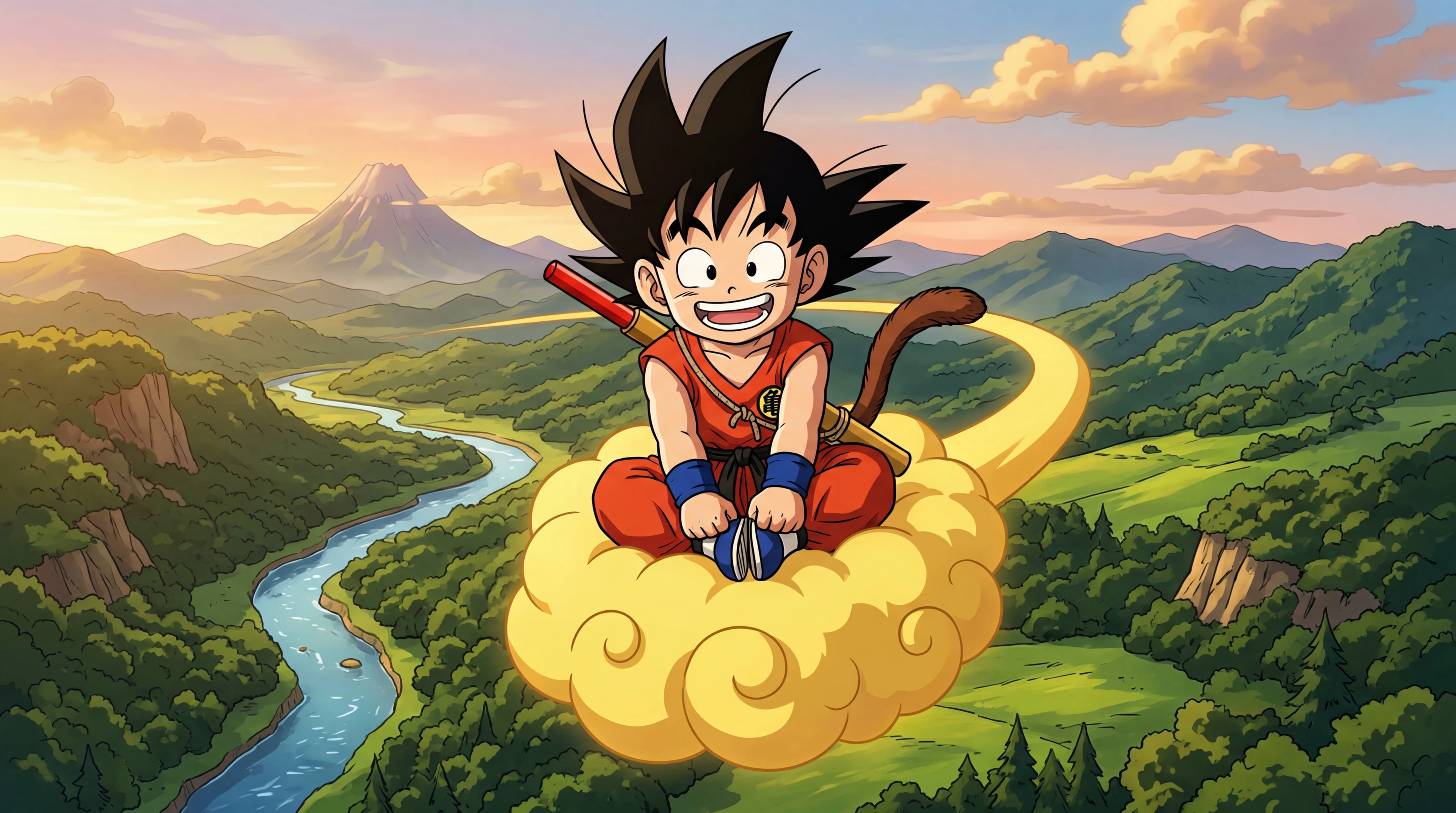
Mimicry
TechniqueThe ability to replicate another fighter's technique after witnessing it just once. This talent has been demonstrated by prodigies like Goku and Tien, absorbers like Cell and Buu, and even divine beings like Zeno.
See It Once, Do It Forever
Mimicry is less a specific technique and more a rare natural talent that separates truly exceptional fighters from ordinary ones. The ability to watch another person perform a technique and immediately reproduce it requires extraordinary ki sensitivity, body control, and martial arts intuition. In the Dragon Ball universe, this talent is consistently treated as a sign of genius-level fighting ability.
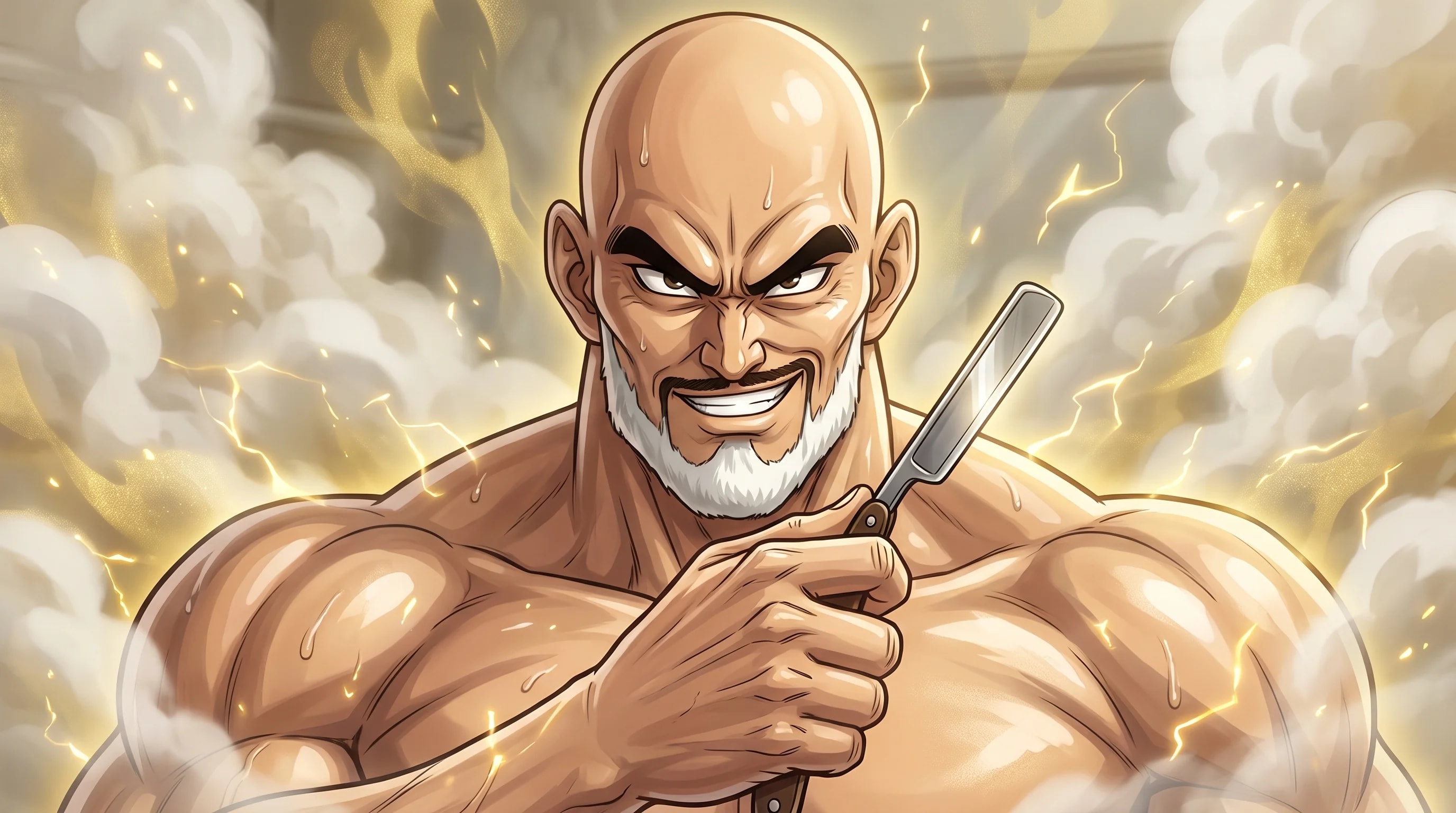
The most famous example is Goku replicating the Kamehameha after seeing Master Roshi use it a single time. Roshi spent fifty years developing the technique, and a twelve-year-old boy copied it on the spot. The moment shocked Roshi, Yamcha, and everyone else who witnessed it, establishing Goku as a prodigy even before his Saiyan heritage was revealed.



Copycats Throughout the Series
Tien Shinhan demonstrated Mimicry when he replicated the Kamehameha during the 22nd World Martial Arts Tournament, having watched Yamcha perform it earlier. This was particularly significant because Tien was a rival from a competing school, and his ability to copy the Turtle School's signature technique angered Roshi's students. Tien later proved he could mimic other techniques as well, adding to his reputation as one of the most technically skilled human fighters.
Cell carried Mimicry to its extreme through biological programming. Because he was constructed from the cells of Earth's greatest warriors, Cell could perform virtually every technique those warriors possessed, from the Kamehameha to the Special Beam Cannon to the Solar Flare. Kid Buu similarly demonstrated the ability by copying Kai Kai after watching Kibito Kai teleport, then using the stolen technique to hop between planets on a destructive rampage.
Divine Observers
Even the most powerful beings in the Dragon Ball cosmos have displayed Mimicry. Goku Black, inhabiting Goku's body through the Time Ring and Zamasu's wish, gradually learned to use Goku's techniques by fighting, effectively mimicking his combat instincts through repeated exposure. Broly in Dragon Ball Super: Broly adapted to his opponents' fighting styles in real-time, growing more dangerous with every exchange.
Perhaps the most charming example is Zeno, the King of All, who watched Goku perform a series of attacks and then mimicked the motions with childlike enthusiasm, though whether the Omni-King was actually performing the techniques or just playing is left ambiguous. Mimicry in Dragon Ball is a storytelling shorthand for adaptability. The characters who possess it are the ones who grow, evolve, and ultimately survive.
Related Reading
See all
Krillin's on the Tinder: How the Ultimate Short King Survived the Height Filter
Tinder built a height filter. Dragon Ball built a five foot legend. What happened when we sent the ultimate short king into the modern dating hellscape....
Infinite Zeni Glitch: When Yamcha Never Pays and Mr. Popo Always Does
The internet found an infinite money glitch. So did Yamcha. A smooth R&B track about the easiest money in the Dragon Ball world and the one man who keeps paying for it....
Frequently Asked Questions
What is Mimicry in Dragon Ball?
Mimicry is the ability to replicate another fighter's technique after witnessing it just once. It is less a specific technique and more a rare natural talent that requires extraordinary ki sensitivity, body control, and martial arts intuition, consistently treated as a sign of genius-level fighting ability.
How powerful is Mimicry?
Mimicry's significance depends entirely on who uses it. Goku copying the Kamehameha on his first viewing shocked Master Roshi, who had spent fifty years developing the technique, and Cell's biologically programmed Mimicry let him perform virtually every technique of the warriors whose cells he was built from.
When did Goku first mimic the Kamehameha?
Goku replicated the Kamehameha after seeing Master Roshi use it a single time. The moment shocked Roshi, Yamcha, and everyone else who witnessed it, establishing Goku as a prodigy even before his Saiyan heritage was revealed.
Did Tien Shinhan use Mimicry?
Yes. Tien Shinhan demonstrated Mimicry when he replicated the Kamehameha during the 22nd World Martial Arts Tournament, having watched Yamcha perform it earlier. This was particularly significant because Tien was a rival from a competing school, and his ability to copy the Turtle School's signature technique angered Roshi's students.
Who else has shown Mimicry in Dragon Ball?
Cell, Kid Buu, Goku Black, Broly, and even Zeno have all demonstrated forms of Mimicry. Kid Buu copied Kai Kai after watching Kibito Kai teleport, Broly adapted to his opponents' fighting styles in real-time during Dragon Ball Super: Broly, and Zeno watched Goku perform a series of attacks before mimicking the motions with childlike enthusiasm.
Sources & Information
Looking for more on Mimicry? The Dragon Ball Wiki on Fandom has a dedicated page with community notes.
View on FandomThis content is original writing by Daddy Jim Headquarters based on the Dragon Ball anime series, manga, and official materials. Episode and chapter references are cited where applicable.
Character and scene imagery on this site is original artwork by Daddy Jim Headquarters, not screenshots or licensed imagery. Official cover art is used on three types of pages for editorial commentary:
- Movie pages: theatrical posters and key visuals, credited to Toei Animation and Shueisha.
- Game pages: official box art, credited to Bandai Namco, Atari, and other publishers.
- Manga chapter pages: Jump Comics volume covers, credited to Shueisha and Akira Toriyama.
Browse our episode guides:
Official resources:
Help Us Keep This Wiki Accurate
Daddy Jim Headquarters maintains this encyclopedia. If you spot an error, a translation issue, or something that doesn't look right, let us know.