Tri-Beam
TechniqueTien Shinhan's signature life-risking technique that fires a massive beam through a diamond-shaped hand formation. The attack drains the user's life force, and its Neo Tri-Beam variant held back Semi-Perfect Cell.
The Diamond That Cuts Both Ways
To perform the Tri-Beam, Tien gathers ki and forms a diamond-shaped "tunnel" with his hands by overlapping his fingers and thumbs in a specific pattern. He visualizes the target within that diamond, then shouts "Tri-Beam, ha!" and releases a tremendous beam of energy. The attack is devastatingly powerful, but it comes at a terrible cost: it drains the user's life force, not just their ki. Master Roshi warned that even surviving the technique shortens the user's lifespan with each use.
The attack casts the entire surrounding environment in a deep orange glow and leaves a characteristic square-shaped crater at the point of impact. Tien can also fire it one-handed, as demonstrated when he uses the Spirit Tri-Beam against Nappa after losing his arm.

Holding the Line Against Cell
Tien first uses the Tri-Beam at the 22nd World Martial Arts Tournament against Goku, and it becomes a recurring part of his arsenal. But the technique's defining moment comes during the Cell Saga. After training with Korin, Kami, and King Kai, Tien perfects the Neo Tri-Beam, an upgraded version that lets him control exactly how much energy he channels into each shot.
When Semi-Perfect Cell is chasing Android 18 to achieve his perfect form, Tien puts himself directly in Cell's path and fires Neo Tri-Beams over and over. The power gap between them is astronomical. Cell should walk through the blasts without slowing down. But the Neo Tri-Beam keeps knocking Cell back into the crater, again and again and again. The attacks do not actually damage Cell, but they prevent him from moving forward. Tien fires until his body gives out completely and he collapses, near death. Goku uses Instant Transmission to rescue him just before Cell can retaliate.
This scene defines Tien's character. He knows he cannot win. He knows he might die. He does it anyway because someone has to buy time.
A Warrior's Legacy
The Tri-Beam's history stretches back to before Dragon Ball's main timeline. During the King Piccolo wars, the disciples of Master Mutaito used Tri-Beams against King Piccolo's Demon Clan. They were all killed except Master Shen and Master Roshi, establishing the technique as ancient and widely known within certain martial arts schools.
Tien continues using it throughout Super, including during the Tournament of Power where he fires it at Frost in the manga. Frost emerges unharmed and eliminates Tien, a humbling reminder that even the Neo Tri-Beam has its limits against truly elite opponents. The technique also sees use in the 23rd Tournament, where Tien fires it into the ground to create a foxhole for the Z Fighters to hide in from Piccolo's Hyper Explosive Demon Wave. That might be the smartest use of the Tri-Beam in the entire series: not as a weapon, but as a tool for survival.
Related Reading
See all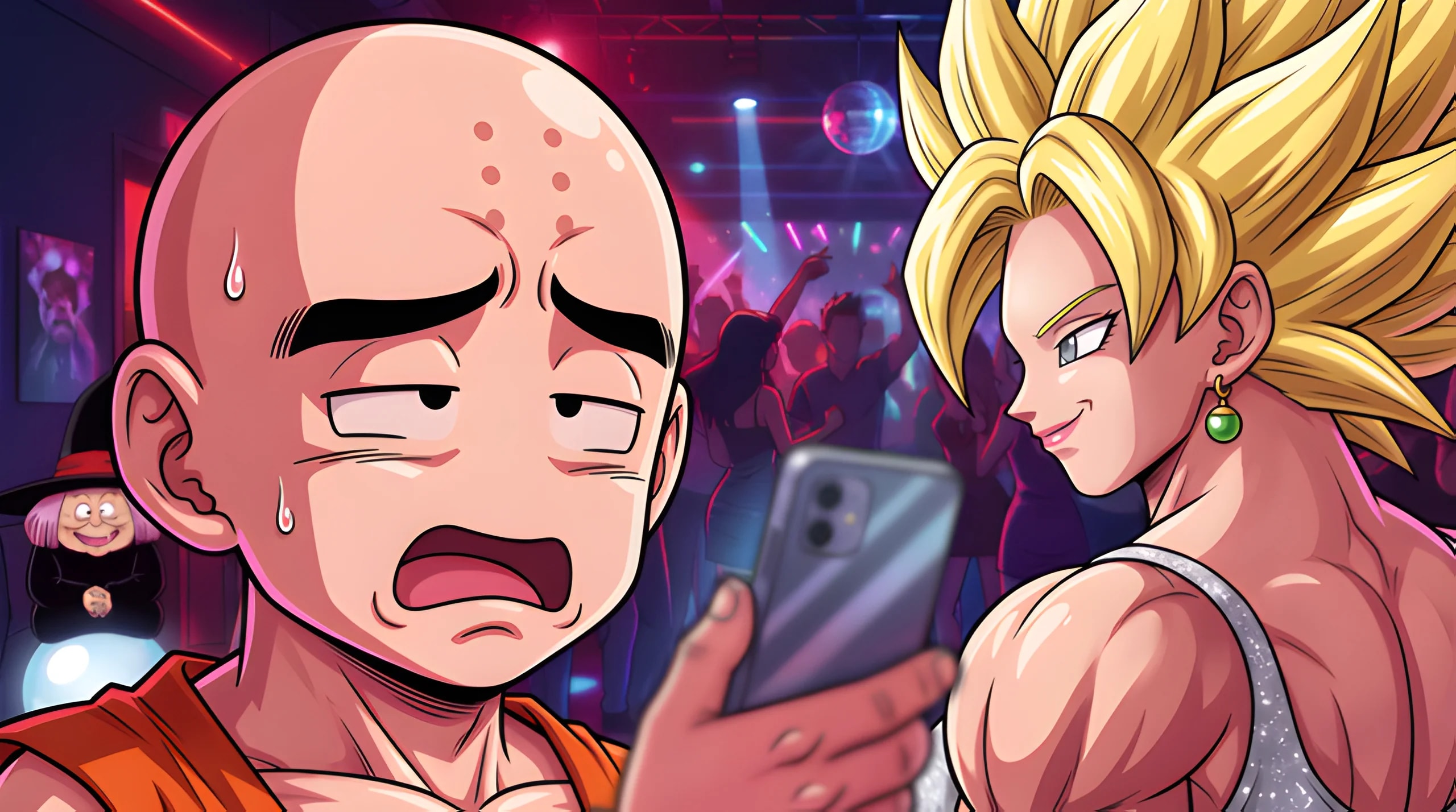
Krillin's on the Tinder: How the Ultimate Short King Survived the Height Filter
Tinder built a height filter. Dragon Ball built a five foot legend. What happened when we sent the ultimate short king into the modern dating hellscape....
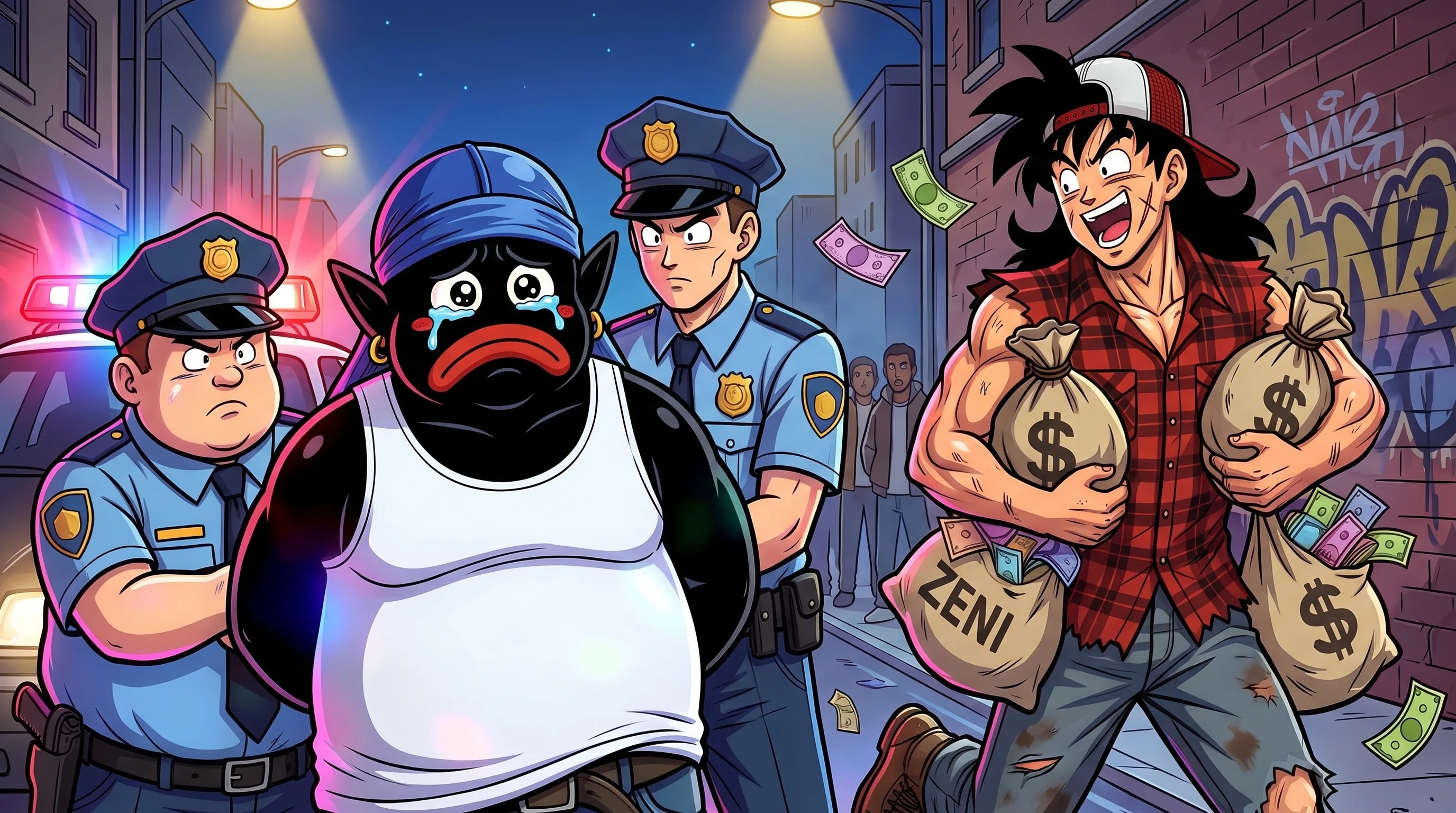
Infinite Zeni Glitch: When Yamcha Never Pays and Mr. Popo Always Does
The internet found an infinite money glitch. So did Yamcha. A smooth R&B track about the easiest money in the Dragon Ball world and the one man who keeps paying for it....
Frequently Asked Questions
What is Tien's Tri-Beam called?
Tien's signature attack is the Tri-Beam, known in Japanese as Kikoho, which means "Demon Cannon" or "Spirit Cannon." Tien performs it by forming a diamond-shaped tunnel with his hands by overlapping his fingers and thumbs, visualizing the target within that diamond, then shouting "Tri-Beam, ha!" and releasing a tremendous beam of energy. The attack casts the entire surrounding environment in a deep orange glow and leaves a characteristic square-shaped crater at the point of impact.
Why is Kikoho called Tri-Beam?
The English localization renamed Kikoho to Tri-Beam to describe the diamond-shaped, three-pointed hand formation Tien makes when firing the attack. The original Japanese name Kikoho translates more literally to "Demon Cannon" or "Spirit Cannon," but "Tri-Beam" captures the visual signature of the technique for English-speaking audiences. The diamond hand formation is the move's defining visual element.
Why is Tien's Tri-Beam so strong?
The Tri-Beam is devastatingly powerful because it drains the user's life force, not just their ki. Master Roshi warned that even surviving the technique shortens the user's lifespan with each use. This life-force cost is what lets Tien deal damage far beyond what his raw power level would suggest, and the Neo Tri-Beam upgrade adds precise control over how much energy he channels into each shot.
Is Tien the only triclops in Dragon Ball?
Tien is the most prominent three-eyed fighter, but he is not entirely unique. The Crane School lineage and other Triclops characters share his anatomy. The wiki source emphasizes that the Tri-Beam predates Tien himself, with the disciples of Master Mutaito using Tri-Beams against King Piccolo's Demon Clan during the King Piccolo wars, when they were all killed except Master Shen and Master Roshi.
What is Tien's Neo Tri-Beam against Cell?
The Neo Tri-Beam is the upgraded version Tien perfected after training with Korin, Kami, and King Kai, allowing him to control exactly how much energy he channels per shot. When Semi-Perfect Cell was chasing Android 18 to achieve his perfect form, Tien put himself directly in Cell's path and fired Neo Tri-Beams over and over. The attacks did not actually damage Cell, but they kept knocking him back into the crater until Tien's body gave out completely and he collapsed, near death, with Goku using Instant Transmission to rescue him.
Sources & Information
Looking for more on Tri-Beam? The Dragon Ball Wiki on Fandom has a dedicated page with community notes.
View on FandomThis content is original writing by Daddy Jim Headquarters based on the Dragon Ball anime series, manga, and official materials. Episode and chapter references are cited where applicable.
Character and scene imagery on this site is original artwork by Daddy Jim Headquarters, not screenshots or licensed imagery. Official cover art is used on three types of pages for editorial commentary:
- Movie pages: theatrical posters and key visuals, credited to Toei Animation and Shueisha.
- Game pages: official box art, credited to Bandai Namco, Atari, and other publishers.
- Manga chapter pages: Jump Comics volume covers, credited to Shueisha and Akira Toriyama.
Browse our episode guides:
Official resources:
Help Us Keep This Wiki Accurate
Daddy Jim Headquarters maintains this encyclopedia. If you spot an error, a translation issue, or something that doesn't look right, let us know.