Ultra Ego
TechniqueThe destructive counterpart to Ultra Instinct, fueled by battle lust and the willingness to take damage. Used by Gods of Destruction and mastered (partially) by Vegeta during the Granolah arc.
The Opposite of Ultra Instinct
Ultra Ego is the philosophical mirror of Autonomous Ultra Instinct. Where Ultra Instinct demands emotional serenity and automatic evasion, Ultra Ego thrives on passion, aggression, and the willingness to take hits. The user's power grows stronger the more damage they absorb and the deeper they sink into their battle lust. Gods of Destruction are its natural practitioners, indulging in their destructive role with increasing ferocity as combat continues.
Beerus describes the mindset simply: "My mind's always on destruction and nothing else. That's why there's no limit to my power." Ultra Ego requires the user to focus exclusively on destruction, becoming more bloodthirsty and ferocious with each exchange. It is moving your body freely because you choose to, as opposed to Ultra Instinct, where your body moves freely on its own.



Vegeta's Old Self Returns
Vegeta unlocks Ultra Ego during his battle with Granolah in the Granolah the Survivor Saga. The form channels something familiar: the pride, aggression, and battle hunger that defined Vegeta during the Saiyan Saga and his time as Majin Vegeta. He deliberately takes punches from Granolah, growing stronger with each blow, diving deeper into his Saiyan instincts and enjoying the violence in a way he had not allowed himself to since accepting his role as a defender of Earth.
The Double-Edged Sword
Ultra Ego's central weakness is that growing stronger requires taking damage, which risks being knocked unconscious before the power increase matters. Vegeta discovers this firsthand against Granolah. He can either absorb more hits and risk blacking out, or start dodging to conserve stamina at the cost of losing his power growth. Later, Black Frieza demonstrates the form's ultimate limitation by knocking Vegeta out of Ultra Ego with a single overwhelming blow. If the incoming damage is severe enough, the form simply cannot compensate in time.
Destroyer's Philosophy
Ultra Ego is named by Vegeta himself as a deliberate contrast to Goku's Ultra Instinct. Where Instinct is about conquering the self, Ego is about indulging the self. This naming reveals something profound about Vegeta's understanding of his own journey. He has spent years trying to be like Goku, trying to find peace and purpose beyond fighting. Ultra Ego tells him that his nature as a battle-loving Saiyan is not something to overcome but something to perfect. His destructive instincts, when properly channeled through the training of a God of Destruction, become a path to divine power every bit as valid as Goku's serenity.
Related Reading
See all
Krillin's on the Tinder: How the Ultimate Short King Survived the Height Filter
Tinder built a height filter. Dragon Ball built a five foot legend. What happened when we sent the ultimate short king into the modern dating hellscape....
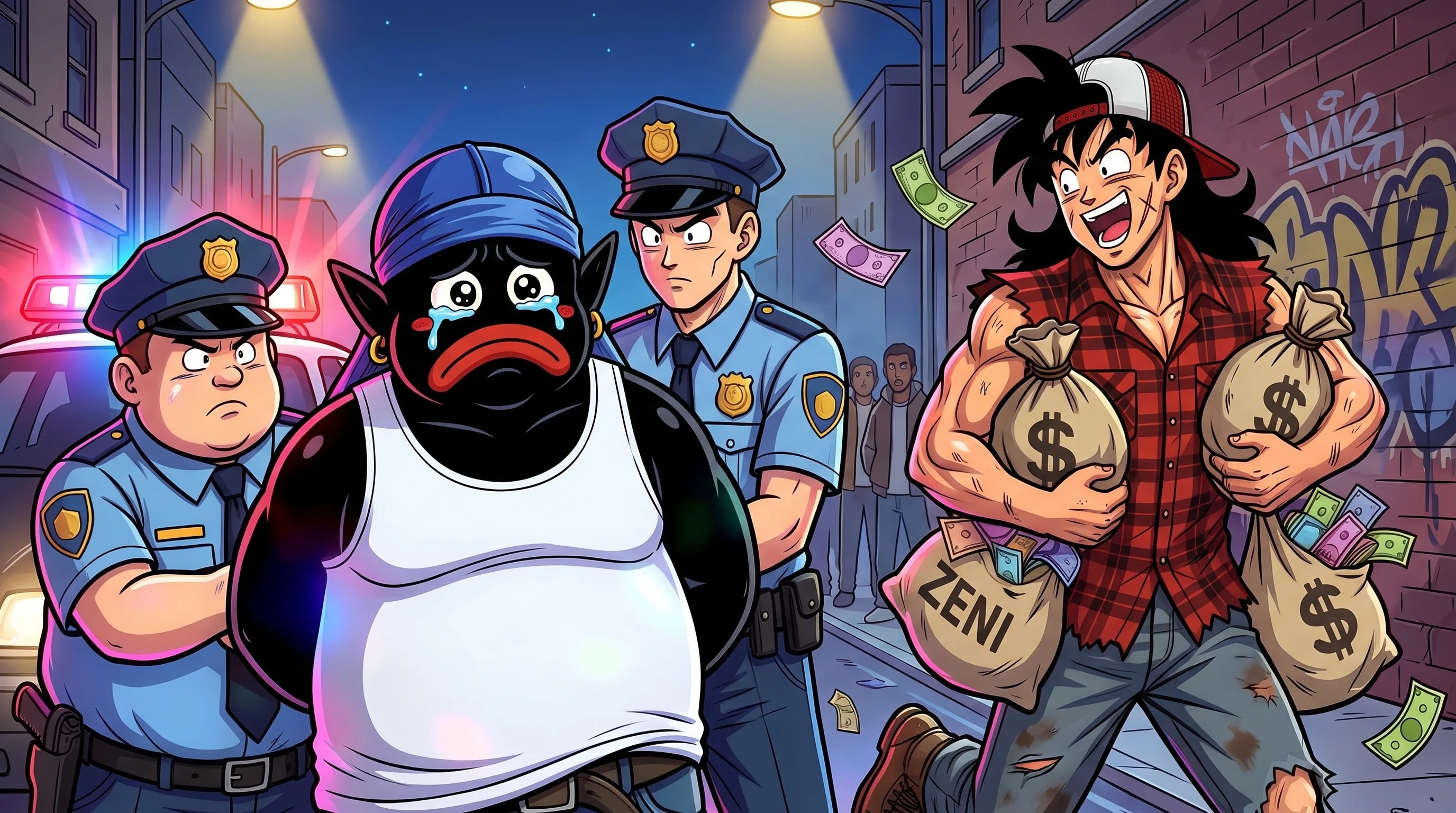
Infinite Zeni Glitch: When Yamcha Never Pays and Mr. Popo Always Does
The internet found an infinite money glitch. So did Yamcha. A smooth R&B track about the easiest money in the Dragon Ball world and the one man who keeps paying for it....
Frequently Asked Questions
What is Ultra Ego in Dragon Ball?
Ultra Ego is the philosophical mirror of Autonomous Ultra Instinct, fueled by battle lust and the willingness to take damage. Where Ultra Instinct demands emotional serenity and automatic evasion, Ultra Ego thrives on passion, aggression, and the willingness to take hits. The user's power grows stronger the more damage they absorb and the deeper they sink into their battle lust.
How did Vegeta become Ultra Ego?
Vegeta unlocked Ultra Ego during his battle with Granolah in the Granolah the Survivor Saga, after training with Beerus. The form channels the pride, aggression, and battle hunger that defined Vegeta during the Saiyan Saga and his time as Majin Vegeta. He deliberately took punches from Granolah, growing stronger with each blow, diving deeper into his Saiyan instincts and enjoying the violence in a way he had not allowed himself to since accepting his role as a defender of Earth.
Who invented Ultra Ego?
Beerus is the original Ultra Ego practitioner, with Gods of Destruction being its natural users because they indulge in their destructive role with increasing ferocity as combat continues. Beerus describes the mindset simply: "My mind's always on destruction and nothing else. That's why there's no limit to my power." Ultra Ego requires the user to focus exclusively on destruction, becoming more bloodthirsty and ferocious with each exchange.
What is the weakness of Ultra Ego?
Ultra Ego's central weakness is that growing stronger requires taking damage, which risks being knocked unconscious before the power increase matters. Vegeta discovered this firsthand against Granolah, where he had to choose between absorbing more hits and risking blackout, or dodging to conserve stamina at the cost of losing power growth. Black Frieza later demonstrated the form's ultimate limitation by knocking Vegeta out of Ultra Ego with a single overwhelming blow.
Is Ultra Ego stronger than Ultra Instinct?
Ultra Ego is the opposite philosophy rather than a direct strength comparison, with Vegeta naming it as a deliberate contrast to Goku's Ultra Instinct. Where Instinct is about conquering the self, Ego is about indulging the self. The naming reveals Vegeta's understanding of his own journey, that his nature as a battle-loving Saiyan is not something to overcome but something to perfect through the training of a God of Destruction.
Sources & Information
Looking for more on Ultra Ego? The Dragon Ball Wiki on Fandom has a dedicated page with community notes.
View on FandomThis content is original writing by Daddy Jim Headquarters based on the Dragon Ball anime series, manga, and official materials. Episode and chapter references are cited where applicable.
Character and scene imagery on this site is original artwork by Daddy Jim Headquarters, not screenshots or licensed imagery. Official cover art is used on three types of pages for editorial commentary:
- Movie pages: theatrical posters and key visuals, credited to Toei Animation and Shueisha.
- Game pages: official box art, credited to Bandai Namco, Atari, and other publishers.
- Manga chapter pages: Jump Comics volume covers, credited to Shueisha and Akira Toriyama.
Browse our episode guides:
Official resources:
Help Us Keep This Wiki Accurate
Daddy Jim Headquarters maintains this encyclopedia. If you spot an error, a translation issue, or something that doesn't look right, let us know.