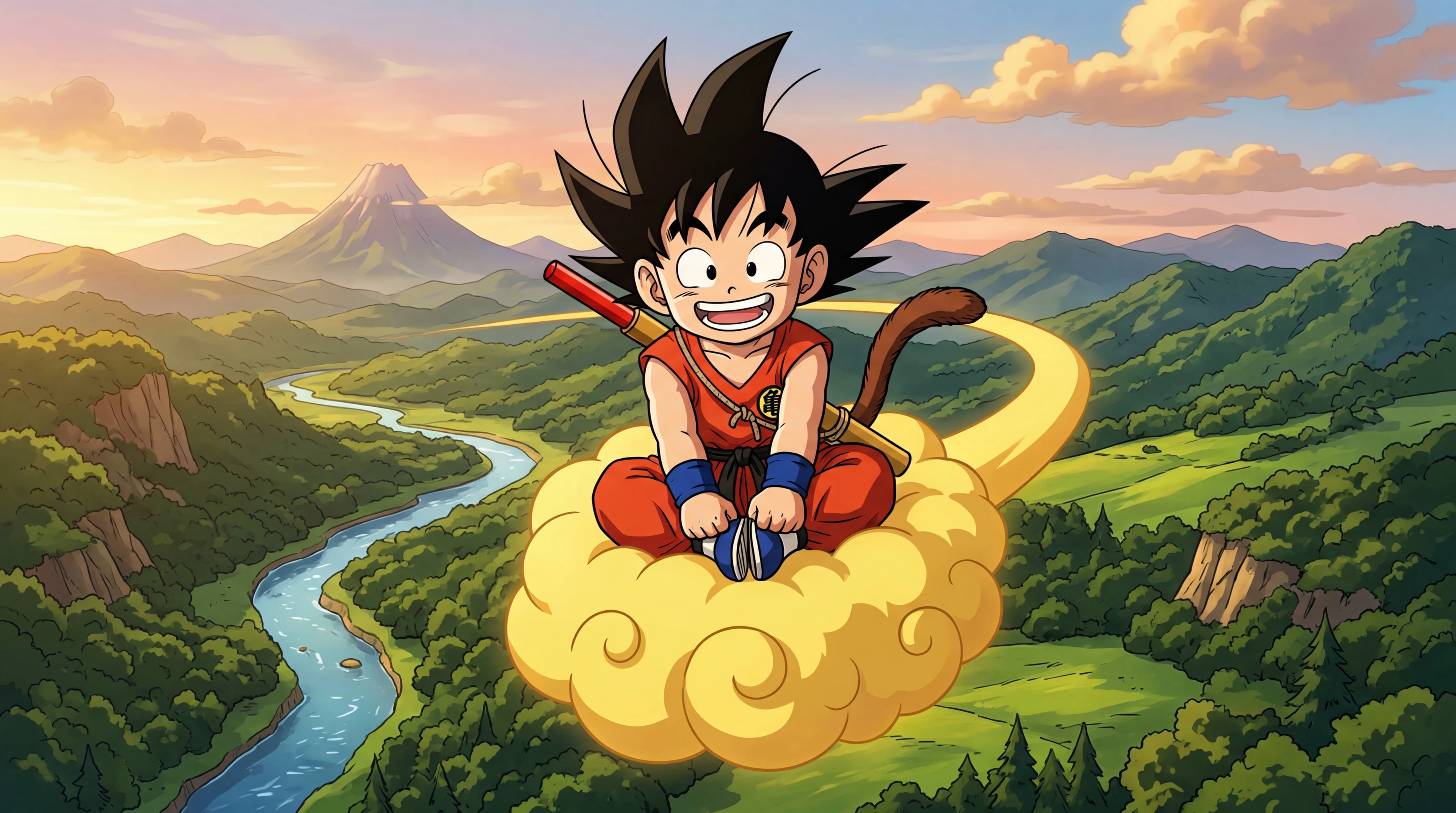
Wrathful
TransformationA transformation unique to the Dragon Ball Super version of Broly that channels the raw power of the Great Ape into a human-sized body. Rather than growing into a colossal ape, Broly compresses that primal energy into his normal form, gaining the tenfold power multiplier of the Great Ape while retaining his humanoid speed and combat ability. His father Paragus recognized it as the Great Ape's strength contained in a Saiyan's frame.
Great Ape Power in Human Form
The Great Ape transformation normally requires a Saiyan to grow into a massive ape form, gaining ten times their base power at the cost of speed, agility, and usually rational thought. Broly's Wrathful state achieves the same power multiplication through a completely different mechanism. Instead of transforming his body into the Great Ape, he channels the Great Ape's energy inward, compressing it into his humanoid frame and using it to augment his existing combat capabilities.
Paragus, who had observed Broly's development over decades on the desolate Planet Vampa, was the first to explain this phenomenon. He described it as Broly taking on "the incredible strength the Saiyans have whenever they become Great Apes" while "remaining in his human form, retaining his speed and agility." This description establishes the Wrathful state as a best-of-both-worlds scenario: Great Ape power with humanoid combat utility.
The Escalation Problem
What makes Wrathful dangerous, both to Broly's opponents and to Broly himself, is that the power does not stabilize. Once activated, the Great Ape energy continues to build within his humanoid body, causing his strength to rise continuously during combat. This escalation is accompanied by increasing loss of control. Broly's rational mind recedes as the primal Saiyan instincts of the Great Ape assert themselves, turning him from a skilled fighter into a berserking force of nature.
The physical toll is also significant. Paragus noted that the growls and screams Broly produces in this state are not battle cries but expressions of genuine pain. His body is containing energies that were designed for a form fifty times its size, and the strain of that compression manifests as constant agony. Broly fights through the pain, but it is a factor that influences his increasingly erratic behavior.


The Battle on Earth
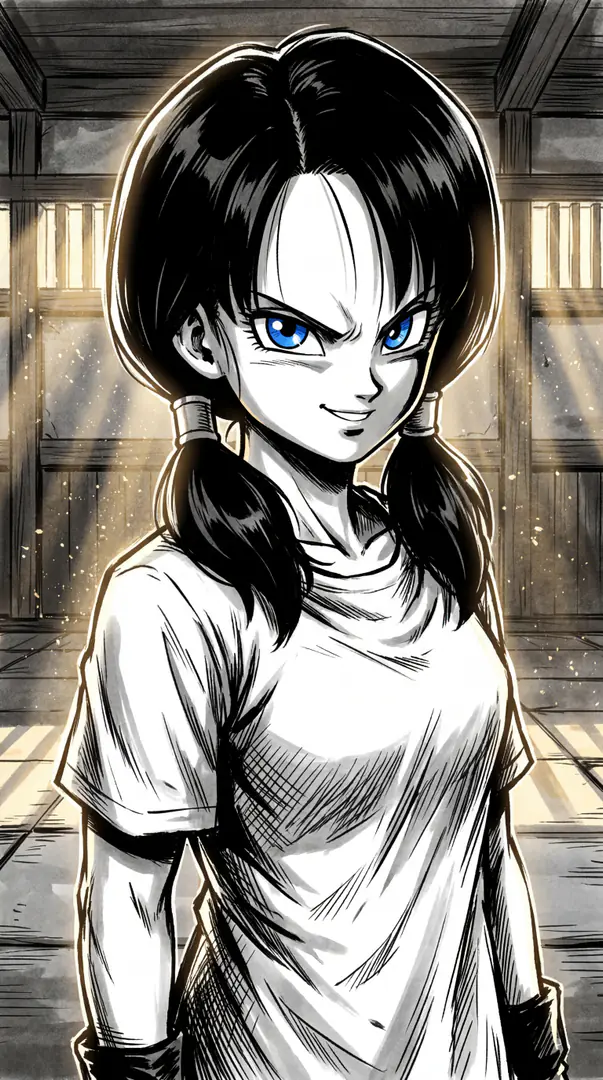
In the Dragon Ball Super: Broly film, the Wrathful state was first triggered during Broly's fight with Vegeta. Initially, Broly was fighting in his base form and steadily adapting to Vegeta's techniques. When Paragus's rage and desperation triggered a deeper response in Broly, the Wrathful transformation activated. The power jump was immediate and dramatic: Broly went from being competitive with base Vegeta to overwhelming Super Saiyan Vegeta, forcing the prince to escalate to Super Saiyan God.
Even against Super Saiyan God Vegeta, Wrathful Broly continued to grow stronger. The continuous power escalation that defines the form meant that every minute of combat made Broly more dangerous. Vegeta was eventually forced to retreat, and Goku took over the fight. Goku similarly found himself pushed as Broly's power continued climbing, eventually triggering Broly's full Super Saiyan transformation when the Wrathful state could no longer contain the building energy.
The Bridge to Super Saiyan
Wrathful serves as the intermediate stage between Broly's base form and his full Super Saiyan transformation. The Great Ape energy channeled through the Wrathful state creates the conditions for Super Saiyan to activate, and when it does, the already enormous Wrathful power is further multiplied by the Super Saiyan factor. This two-stage escalation is what makes Broly one of the most powerful Saiyans ever depicted: he stacks the Great Ape multiplier on top of his already massive base power, then multiplies again with Super Saiyan.
A Product of Isolation
Broly's ability to access the Wrathful state may be directly connected to his upbringing on Planet Vampa. Raised in a harsh, primitive environment from infancy, Broly developed a survival-oriented fighting style that relied heavily on instinct rather than technique. This primal approach to combat may have strengthened his connection to the Great Ape energy in a way that more civilized Saiyans could not replicate.
Notably, Broly lost his tail at a young age when Paragus removed it to prevent uncontrolled Great Ape transformations. Despite lacking the tail, Broly retained the ability to channel Great Ape energy through the Wrathful state. This suggests that the connection to the Great Ape's power is deeper than the physical mechanism of the tail and Blutz Wave absorption, residing instead in the Saiyan's fundamental biology.
Sympathy and Tragedy
Unlike the original Z-era Broly, whose Legendary Super Saiyan form was driven by irrational hatred, the Dragon Ball Super Broly's Wrathful state carries a tragic dimension. Broly does not want to lose control. He is not a villain seeking destruction but a gentle person whose body contains power that overwhelms his mind. The Wrathful state is as much a curse as a transformation, forcing Broly into a berserker rage that goes against his fundamental nature. This sympathetic framing is a major reason the 2018 film's version of the character resonated so strongly with audiences.
Related Reading
See all
Krillin's on the Tinder: How the Ultimate Short King Survived the Height Filter
Tinder built a height filter. Dragon Ball built a five foot legend. What happened when we sent the ultimate short king into the modern dating hellscape....
Infinite Zeni Glitch: When Yamcha Never Pays and Mr. Popo Always Does
The internet found an infinite money glitch. So did Yamcha. A smooth R&B track about the easiest money in the Dragon Ball world and the one man who keeps paying for it....
Frequently Asked Questions
What is the wrathful form in Dragon Ball?
A transformation unique to the Dragon Ball Super version of Broly that channels the raw power of the Great Ape into a human-sized body. Rather than growing into a colossal ape, Broly compresses that primal energy into his normal form, gaining the tenfold power multiplier of the Great Ape while retaining his humanoid speed and combat ability. His father Paragus recognized it as the Great Ape's strength contained in a Saiyan's frame.
What is wrathful Broly?
Initially produces a golden aura that shifts to vibrant green. Eyes turn yellow. Hair spikes upward in a style resembling Super Saiyan.
How is Wrathful achieved?
The user must be able to channel the power of the Great Ape transformation while remaining in humanoid form. This appears to require a Saiyan with a particularly strong connection to their primal Saiyan instincts, as demonstrated by Broly's unique upbringing on Planet Vampa.
How powerful is Wrathful?
10x base (Great Ape equivalent in humanoid form). Provides the full tenfold power multiplier of the Great Ape without sacrificing the speed and agility that the giant form loses.
What are the drawbacks of Wrathful?
Extremely difficult to control. The user becomes increasingly feral and aggressive, losing the ability to distinguish friend from foe. The constant eruption of power causes physical pain to the user.
Sources & Information
Looking for more on Wrathful? The Dragon Ball Wiki on Fandom has a dedicated page with community notes.
View on FandomThis content is original writing by Daddy Jim Headquarters based on the Dragon Ball anime series, manga, and official materials. Episode and chapter references are cited where applicable.
Character and scene imagery on this site is original artwork by Daddy Jim Headquarters, not screenshots or licensed imagery. Official cover art is used on three types of pages for editorial commentary:
- Movie pages: theatrical posters and key visuals, credited to Toei Animation and Shueisha.
- Game pages: official box art, credited to Bandai Namco, Atari, and other publishers.
- Manga chapter pages: Jump Comics volume covers, credited to Shueisha and Akira Toriyama.
Browse our episode guides:
Official resources:
Help Us Keep This Wiki Accurate
Daddy Jim Headquarters maintains this encyclopedia. If you spot an error, a translation issue, or something that doesn't look right, let us know.