Candy Beam
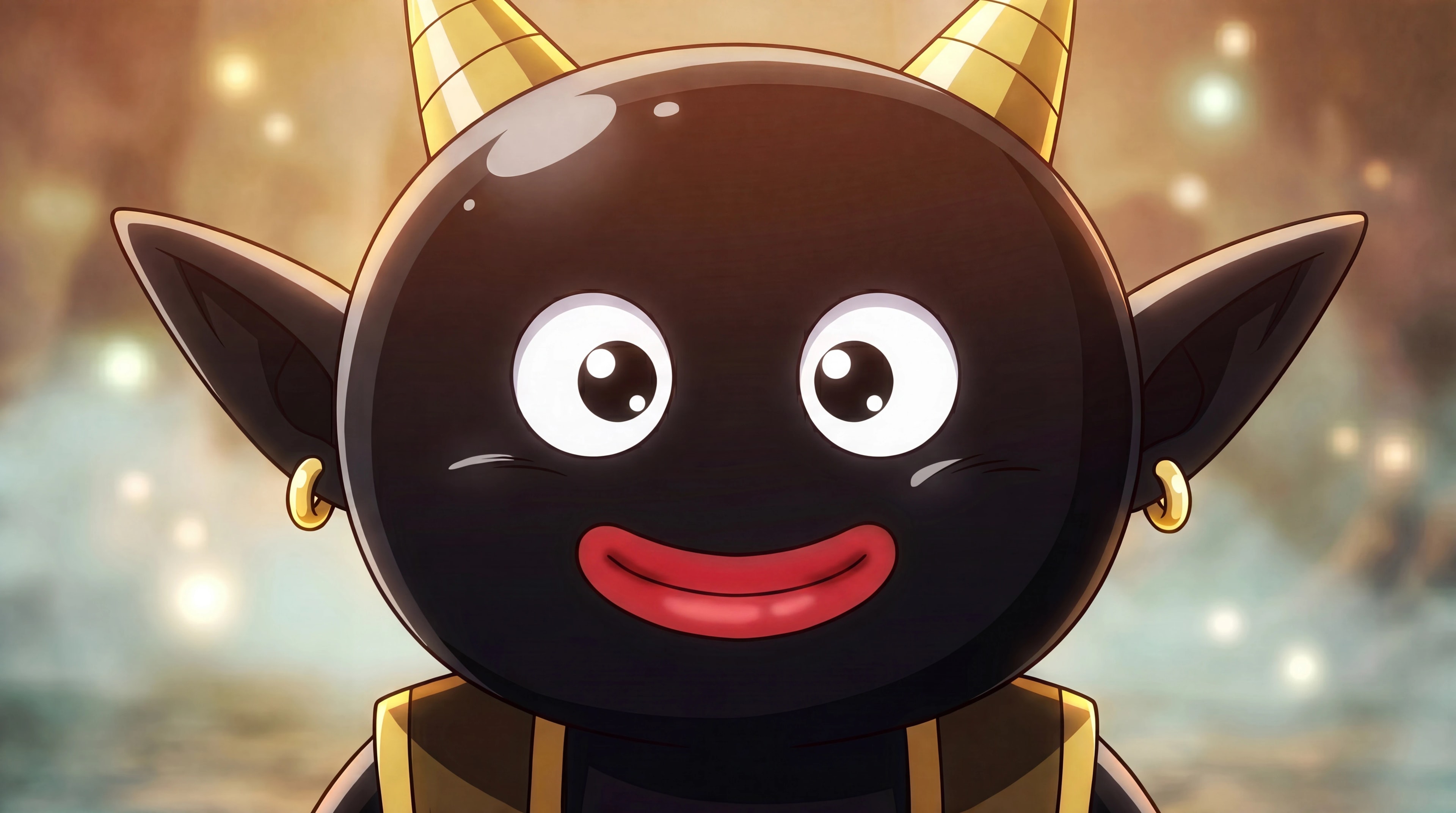
TechniqueMajin Buu's bizarre signature ability, a beam fired from his head antenna that transforms any living target into candy or other sweets, which he then gleefully devours.
Turning Warriors Into Treats
The Candy Beam works through a simple but terrifying process. Buu points his antenna at a victim, announces their impending transformation (usually with childlike excitement), and fires a thin beam of energy that instantly converts the target into some form of confection. Chocolate bars, jawbreakers, cookies; the specific candy seems to vary based on Buu's whim. Once transformed, the helpless victim is typically eaten on the spot.
The technique bypasses conventional power scaling entirely. It does not matter how strong the target is; if the beam connects, they become candy. This makes it one of the most dangerous abilities in the entire Dragon Ball universe, limited only by the fact that it requires a direct hit and Buu has to actively choose to use it.



Candy Vegito
The most famous use of the Candy Beam comes during Buu's fight with Vegito. Super Buu (with Gohan absorbed) fires the beam at Super Vegito and successfully turns him into a coffee-flavored jawbreaker. Victory seems assured for all of two seconds before the tiny candy starts talking, flying, and delivering a brutal beating to Super Buu.
Vegito's power is so immense that he retains full consciousness, speech, and fighting ability even as a piece of candy. The absurd spectacle of a jawbreaker pummeling one of the strongest beings in the universe is one of the most comedic moments in the Buu Saga. Humiliated and unable to land a hit on the tiny projectile, Buu is forced to reverse the transformation just to have a chance at fighting back.
Other Notable Uses
Earlier in the saga, Innocent Buu uses the Candy Beam on terrified civilians after Babidi threatens Earth, turning crowds of people into candy and eating them. He also uses it on a young girl who refused to give him a kiss, even after he shapeshifted his face to look like the actor Barry Kahn. Good Buu later fires it at Kid Buu during their battle on the Sacred World of the Kai, but Kid Buu dodges, and the beam hits a rock instead, turning it into candy that Kid Buu casually eats.
Sweet Moves in Video Games
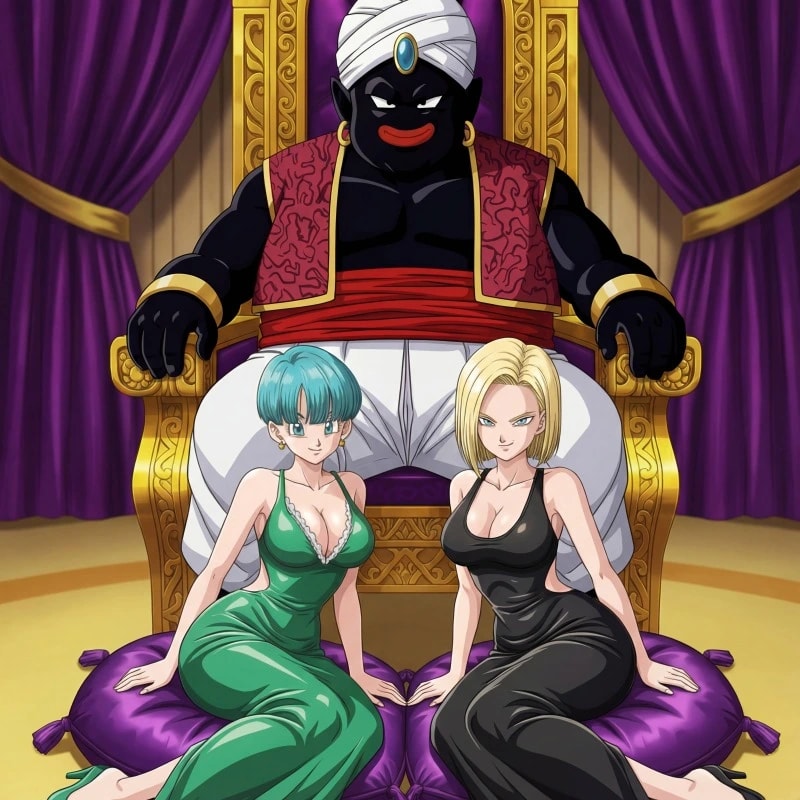
The Candy Beam has become one of the most recognizable and entertaining attacks in Dragon Ball video games. In FighterZ, Kid Buu uses it to turn opponents into candy and chew on them before spitting them out. In Jump Force, Good Buu's version is unblockable on hit, transforming the opponent into a chocolate bar that Buu inhales with his Flame Shower Breath.
Demon God Demigra notably hijacks the technique during the Xenoverse storyline, using it to capture and absorb the divine bird Tokitoki during his invasion of Toki Toki City. The Candy Beam is also available as both a Super Skill and Evasive Skill in Xenoverse 2, making it one of the few transformation-based attacks that player characters can learn.
Related Reading
See all
Krillin's on the Tinder: How the Ultimate Short King Survived the Height Filter
Tinder built a height filter. Dragon Ball built a five foot legend. What happened when we sent the ultimate short king into the modern dating hellscape....

Infinite Zeni Glitch: When Yamcha Never Pays and Mr. Popo Always Does
The internet found an infinite money glitch. So did Yamcha. A smooth R&B track about the easiest money in the Dragon Ball world and the one man who keeps paying for it....
Frequently Asked Questions
Can Kid Buu use candy Beam?
Majin Buu's bizarre signature ability, a beam fired from his head antenna that transforms any living target into candy or other sweets, which he then gleefully devours. The Candy Beam works through a simple but terrifying process.
How does the Candy Beam work?
The Candy Beam works through a simple but terrifying process. Buu points his antenna at a victim, announces their impending transformation (usually with childlike excitement), and fires a thin beam of energy that instantly converts the target into some form of confection. Chocolate bars, jawbreakers, cookies; the specific candy seems to vary based on Buu's whim.
Who invented the Candy Beam?
The Candy Beam was invented by Innocent Buu. Majin Buu's bizarre signature ability, a beam fired from his head antenna that transforms any living target into candy or other sweets, which he then gleefully devours.
Who has used the Candy Beam?
The most famous use of the Candy Beam comes during Buu's fight with Vegito. Super Buu (with Gohan absorbed) fires the beam at Super Vegito and successfully turns him into a coffee-flavored jawbreaker. Victory seems assured for all of two seconds before the tiny candy starts talking, flying, and delivering a brutal beating to Super Buu.
When does the Candy Beam first appear?
The Candy Beam first appears in Global Announcement. In the manga, it debuts in the Bobbidi's Revenge arc. Majin Buu's bizarre signature ability, a beam fired from his head antenna that transforms any living target into candy or other sweets, which he then gleefully devours.
Sources & Information
Looking for more on Candy Beam? The Dragon Ball Wiki on Fandom has a dedicated page with community notes.
View on FandomThis content is original writing by Daddy Jim Headquarters based on the Dragon Ball anime series, manga, and official materials. Episode and chapter references are cited where applicable.
Character and scene imagery on this site is original artwork by Daddy Jim Headquarters, not screenshots or licensed imagery. Official cover art is used on three types of pages for editorial commentary:
- Movie pages: theatrical posters and key visuals, credited to Toei Animation and Shueisha.
- Game pages: official box art, credited to Bandai Namco, Atari, and other publishers.
- Manga chapter pages: Jump Comics volume covers, credited to Shueisha and Akira Toriyama.
Browse our episode guides:
Official resources:
Help Us Keep This Wiki Accurate
Daddy Jim Headquarters maintains this encyclopedia. If you spot an error, a translation issue, or something that doesn't look right, let us know.