Mitsuo Shindō
AnimadorAnimador japonés y fundador de Shindo Production, el estudio responsable de animar Dragon Ball y Dragon Ball Z. Nacido en 1944, fundó su empresa en 1981 y dio forma al legado visual de la franquicia.
Shindo Production y Dragon Ball
Mitsuo Shindō fundó Shindo Production en 1981, convirtiéndolo en uno de los estudios de animación más importantes en la historia de Dragon Ball. Su empresa asumió las tareas de animación tanto para la serie de televisión original Dragon Ball como para Dragon Ball Z, trabajando directamente con Toei Animation. En 1984, Shindō reclutó al animador Tadayoshi Yamamuro, quien más tarde se convertiría en el diseñador principal de personajes de toda la franquicia. Shindō se mantuvo como supervisor de animación hasta el episodio 116 de Dragon Ball Z en 1991, cuando pasó a desempeñar un papel de gestión dentro de su estudio.

Primeros años de carrera y legado
Antes de fundar su propio estudio, Shindō trabajó en Mushi Production en la serie original Astro Boy y más tarde se unió a Sunrise (que más tarde se convertiría en Toei Animation), donde trabajó en títulos como Candy Candy y Hana no Ko Lunlun. Su compañía de producción fue fundamental en la adaptación de las obras de Akira Toriyama, encargándose de las adaptaciones tanto de Dr. Slump como de Dragon Ball, estableciendo a Shindo Production como un pilar del legado del anime de Toriyama.
Lectura relacionada
Ver todo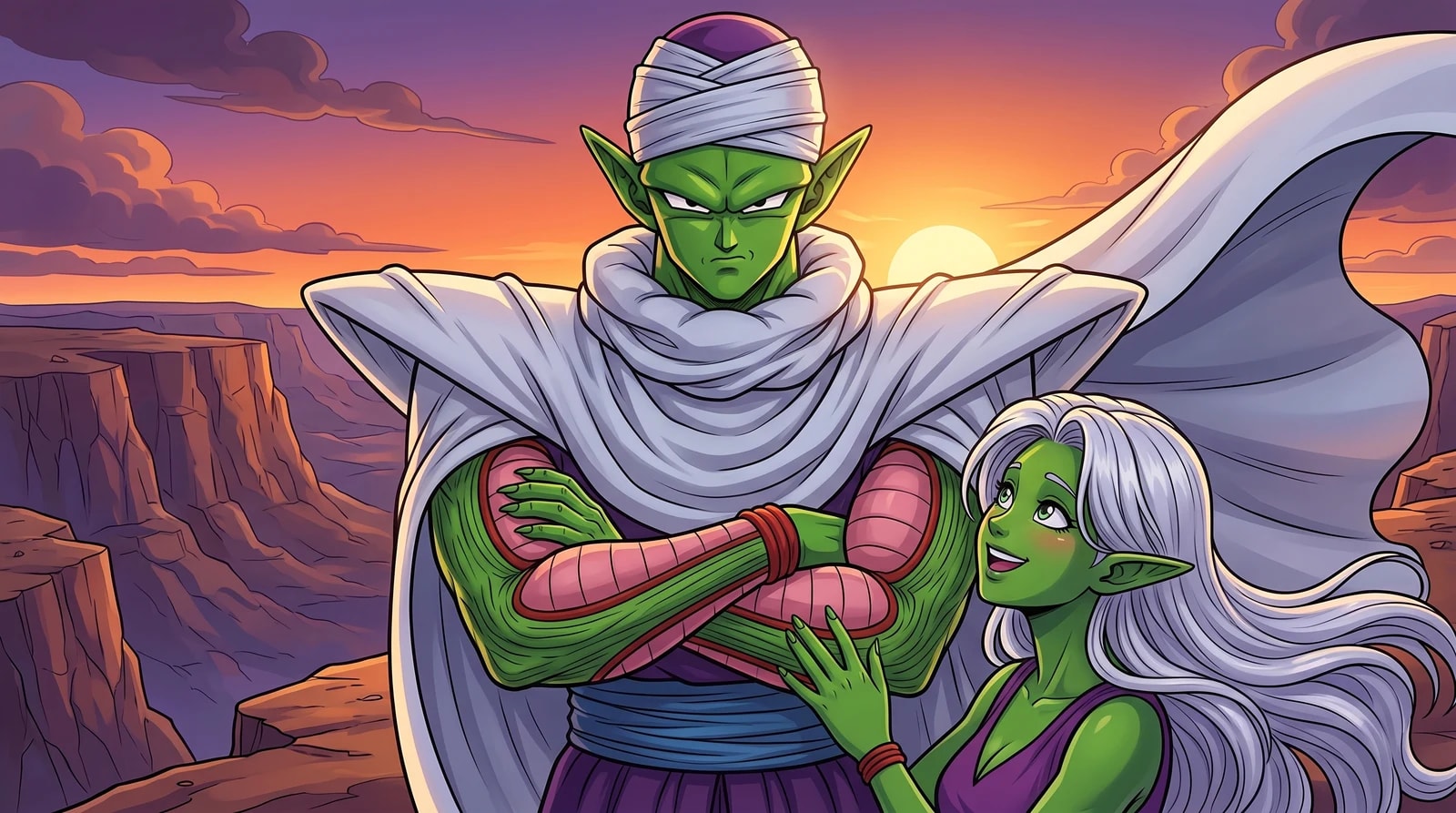
Namek no tiene mujeres, y Piccolo liga de todos modos
No hay mujeres en Namek. No es un descuido, es la biología. Por qué le dimos a Piccolo la única cosa que su propia especie descarta, y por qué tenía que ser trap soul....
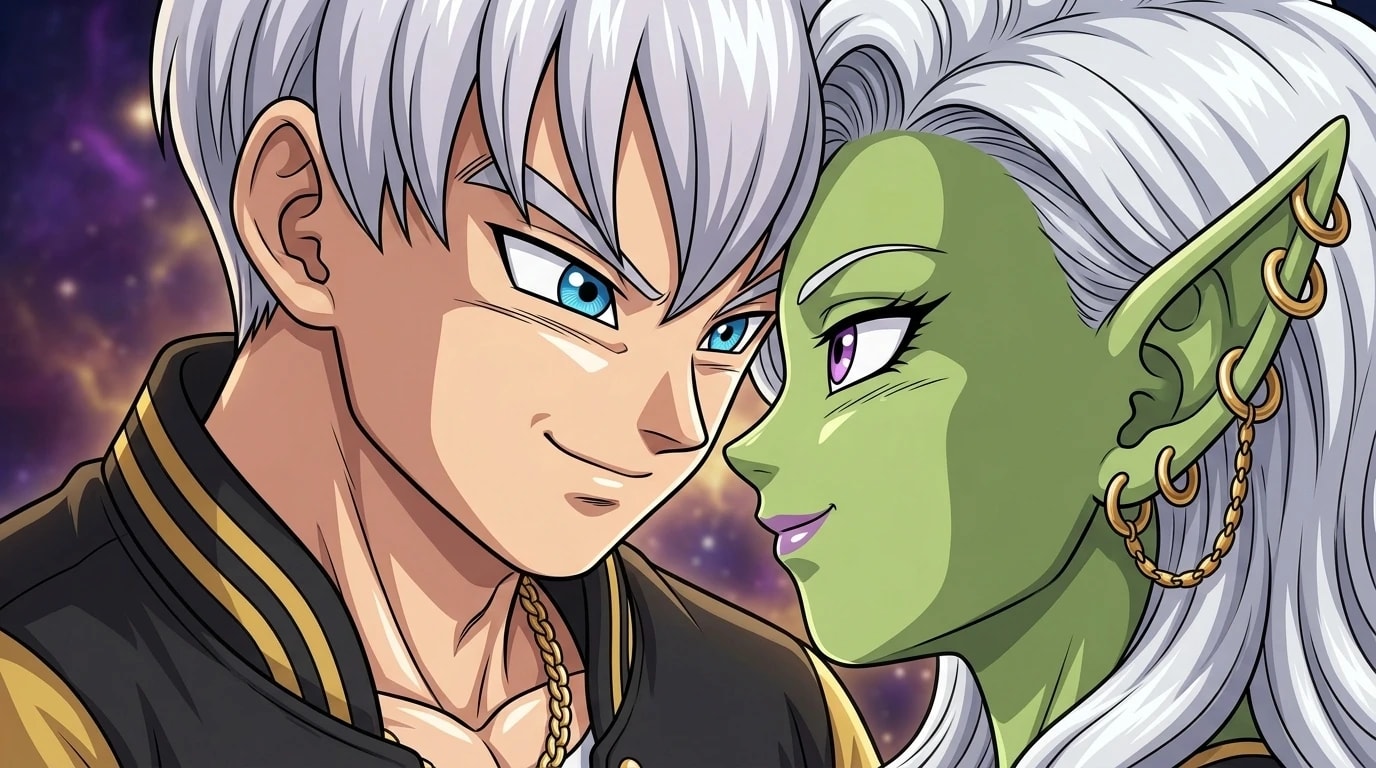
Mil veces más: ¿A quién le canta John Dragon Ball?
Dragon Ball nos entregó un protagonista sin pasado y el internet lo bautizó como John Dragon Ball. Así que le construimos a alguien con quien hablar....

Preguntas frecuentes
¿Quién es Mitsuo Shindō en Dragon Ball?
Mitsuo Shindō es un supervisor de animación japonés conocido como el fundador de Shindo Production, animador de Dragon Ball. Animador japonés y fundador de Shindo Production, el estudio responsable de animar Dragon Ball y Dragon Ball Z. Nacido en 1944, estableció su compañía en 1981 y dio forma al legado visual de la franquicia.
¿Cuál es la contribución de Mitsuo Shindō a Dragon Ball?
Mitsuo Shindō fundó Shindo Production en 1981, transformándolo en uno de los estudios de animación más importantes en la historia de Dragon Ball. Su compañía asumió las tareas de animación tanto para la serie de televisión original de Dragon Ball como para Dragon Ball Z, trabajando directamente con Toei Animation. En 1984, Shindō reclutó al animador Tadayoshi Yamamuro, quien más tarde se convertiría en el diseñador de personajes principal para toda la franquicia. Shindō se mantuvo como supervisor de animación hasta el episodio 116 de Dragon Ball Z en 1991, cuando pasó a un rol gerencial para su estudio.
¿De qué nacionalidad es Mitsuo Shindō?
Mitsuo Shindō es un supervisor de animación japonés asociado con Dragon Ball.
¿Cuándo ha estado activo Mitsuo Shindō en Dragon Ball?
Mitsuo Shindō ha estado activo en el período de 1964 hasta el presente de la franquicia. Animador japonés y fundador de Shindo Production, el estudio responsable de animar Dragon Ball y Dragon Ball Z.
¿Por qué más es conocido Mitsuo Shindō?
Antes de fundar su propio estudio, Shindō trabajó en Mushi Production en la serie original de Astro Boy y más tarde se unió a Sunrise (que se convirtió en Toei Animation), donde trabajó en títulos como Candy Candy y Hana no Ko Lunlun. Su compañía de producción se volvió fundamental en la adaptación de las obras de Akira Toriyama, manejando las adaptaciones tanto de Dr. Slump como de Dragon Ball, estableciendo a Shindo Production como un pilar del legado de anime de Toriyama.
Fuentes e información
¿Quieres saber más sobre Mitsuo Shindō? La Wiki de Dragon Ball en Fandom tiene una página dedicada con notas de la comunidad.
Ver en FandomEste contenido es texto original de Daddy Jim Headquarters, basado en el anime Dragon Ball, el manga y materiales oficiales. Las referencias de episodios y capítulos se citan cuando corresponde.
Titulares de derechos
- Creado porAkira Toriyama
- Publicado porShueisha
- Animado porToei Animation
Todos los derechos pertenecen a sus respectivos propietarios.
Las imágenes de personajes y escenas de este sitio son obras originales de Daddy Jim Headquarters, no capturas de pantalla ni imágenes con licencia. Las portadas oficiales se usan en tres tipos de páginas como comentario editorial:
- Páginas de películas: pósteres teatrales y visuales clave, con créditos a Toei Animation y Shueisha.
- Páginas de videojuegos: arte oficial de portadas, con créditos a Bandai Namco, Atari y otros editores.
- Páginas de capítulos de manga: portadas de volúmenes de Jump Comics, con créditos a Shueisha y Akira Toriyama.
Explora nuestras guías de episodios:
Recursos oficiales:
Ayúdanos a mantener esta wiki actualizada
Daddy Jim Headquarters mantiene esta enciclopedia. Si encuentras un error, un problema de traducción o algo que no parece correcto, háznoslo saber.