Minoru Maeda
AnimatoreAnimatore giapponese pionieristico i cui character design tondeggianti ed espressivi definirono Dragon Ball e i primi Dragon Ball Z, ricoprendo il ruolo di capo direttore dell'animazione e supervisore della qualita dell'animazione in entrambe le serie.
L'architetto dello stile di Dragon Ball
Minoru Maeda fu capo animatore e principale character designer di Dragon Ball dal suo debutto nel 1986 fino alla saga di Cell Perfetto in Dragon Ball Z nel 1992, facendone la singola influenza visiva piu rilevante sull'adattamento anime originale. La sua estetica dal tratto tondeggiante divenne sinonimo del fascino delle prime fasi di Dragon Ball, in netto contrasto con lo stile piu spigoloso che Tadayoshi Yamamuro avrebbe introdotto in seguito. Maeda supervisionava quasi ogni aspetto del processo di animazione, ispezionando e approvando i cel chiave e intervenendo come animatore o supervisore quando necessario. Diresse numerosi episodi in entrambe le serie e illustro tutti i materiali promozionali, i databook dei personaggi e le copertine dei film comic durante il suo incarico.

Eredita e lavori successivi
Maeda inizio la sua carriera nell'animazione nel 1968 allo Studio Junio e divenne capo direttore dell'animazione di Dr. Slump prima di Dragon Ball. Dopo aver lasciato lo Studio Junio, entro alla SynergySP, uno studio di animazione fondato nel 1998 da ex animatori della Toei. Espresse un forte interesse a tornare a Dragon Ball se fossero stati commissionati nuovi progetti. Oltre a Dragon Ball, Maeda contribui a classici dell'animazione, tra cui Doraemon, Lupin III e Space Battleship Yamato.
Letture correlate
Vedi tutto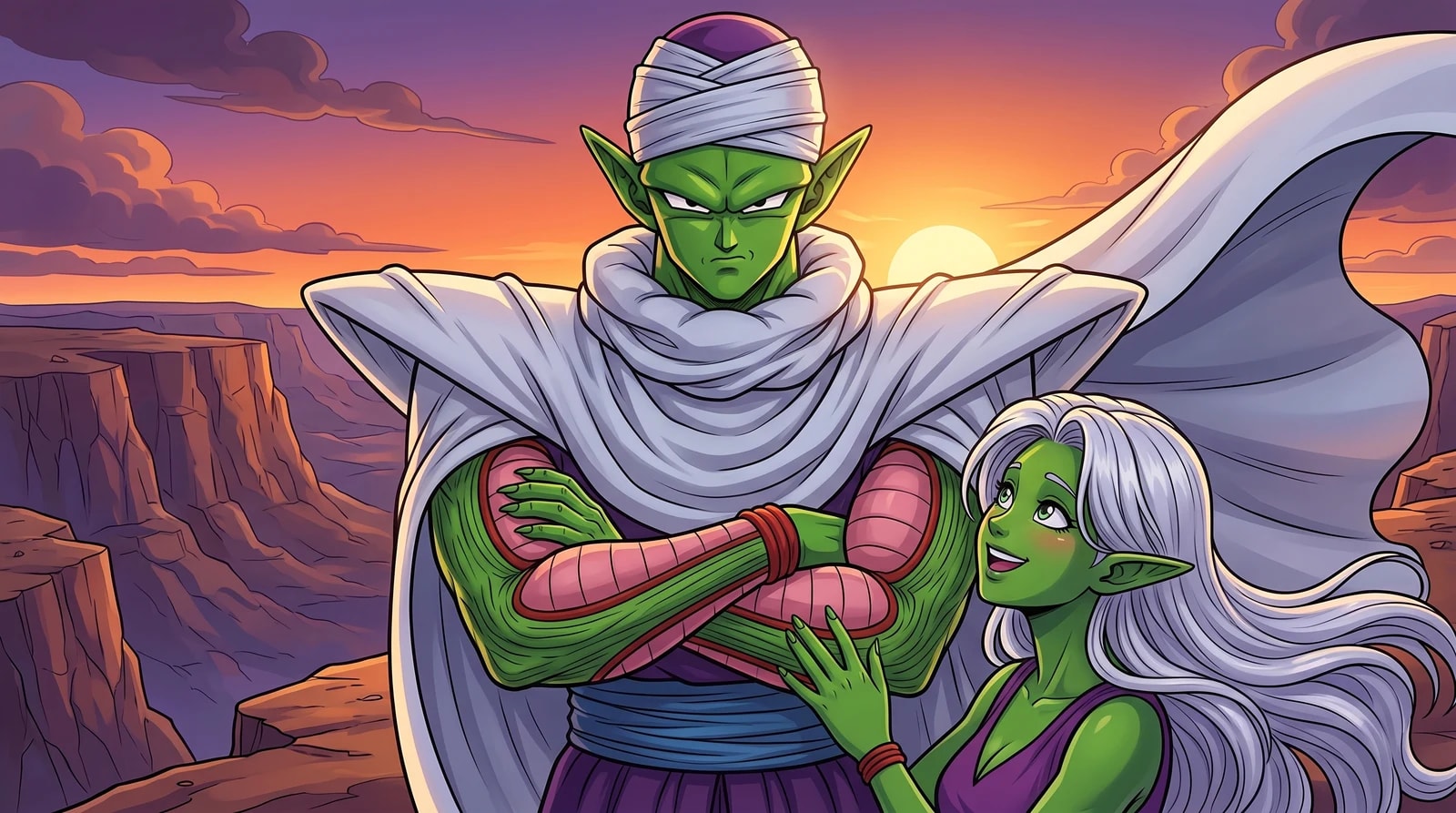
Su Namek non ci sono donne, ma Piccolo rimorchia lo stesso
Non ci sono donne su Namek. Non è una svista, è la biologia. Perché abbiamo dato a Piccolo l'unica cosa che la sua stessa specie esclude, e perché doveva essere trap soul....
Mille volte ancora: a chi sta cantando John Dragon Ball?
Dragon Ball ci ha rifilato un protagonista senza storia e internet lo ha ribattezzato John Dragon Ball. Così gli abbiamo costruito qualcuno con cui parlare....
Domande frequenti
Chi è Minoru Maeda in Dragon Ball?
Minoru Maeda è un supervisore dell'animazione giapponese noto come il supervisore dell'animazione di Dragon Ball. Animatore giapponese pioniere i cui design dei personaggi arrotondati ed espressivi hanno definito Dragon Ball e i primi episodi di Dragon Ball Z, prestando servizio come capo regista dell'animazione e ispettore della qualità dell'animazione in entrambe le serie.
Qual è il contributo di Minoru Maeda a Dragon Ball?
Minoru Maeda ha lavorato come capo animatore e character designer principale per Dragon Ball dalla sua anteprima nel 1986 fino alla Saga di Perfect Cell di Dragon Ball Z nel 1992, rendendolo la singola più grande influenza visiva sull'adattamento anime originale. La sua estetica di design arrotondata è diventata sinonimo del fascino iniziale di Dragon Ball, in netto contrasto con lo stile più spigoloso che Tadayoshi Yamamuro avrebbe introdotto in seguito. Maeda ha supervisionato quasi ogni aspetto del processo di animazione, ispezionando e approvando i rodovetri dell'animazione chiave e intervenendo come animatore o supervisore quando necessario. Ha diretto numerosi episodi in entrambe le serie e ha illustrato tutti i materiali promozionali, i databook dei personaggi e le copertine dei film comic durante il suo mandato.
Di che nazionalità è Minoru Maeda?
Minoru Maeda è un supervisore dell'animazione giapponese associato a Dragon Ball.
Quando è stato attivo Minoru Maeda in Dragon Ball?
Minoru Maeda è stato attivo nel periodo 1968-1992 del franchise. Animatore giapponese pioniere i cui design dei personaggi arrotondati ed espressivi hanno definito Dragon Ball e i primi episodi di Dragon Ball Z, prestando servizio come capo regista dell'animazione e ispettore della qualità dell'animazione in entrambe le serie.
Per cos'altro è noto Minoru Maeda?
Maeda ha iniziato la sua carriera nell'animazione nel 1968 allo Studio Junio ed è diventato capo regista dell'animazione per Dr. Slump prima di Dragon Ball. Dopo aver lasciato lo Studio Junio, si è unito alla SynergySP, uno studio di animazione fondato nel 1998 da ex animatori della Toei. Ha espresso forte interesse a tornare a Dragon Ball se fossero stati commissionati nuovi progetti.
Fonti e informazioni
Cerchi altro su Minoru Maeda? La Dragon Ball Wiki su Fandom ha una pagina dedicata con note della community.
Vedi su FandomQuesto contenuto è scritto originalmente da Daddy Jim Headquarters sulla base della serie anime Dragon Ball, del manga e dei materiali ufficiali. I riferimenti a episodi e capitoli sono citati dove applicabile.
Titolari dei diritti
- Creato daAkira Toriyama
- Pubblicato daShueisha
- Animato daToei Animation
Tutti i diritti appartengono ai rispettivi titolari.
Le immagini di personaggi e scene su questo sito sono opere originali di Daddy Jim Headquarters, non screenshot o immagini in licenza. Le copertine ufficiali sono usate su tre tipi di pagine per commento editoriale:
- Pagine film: poster teatrali e visual chiave, accreditati a Toei Animation e Shueisha.
- Pagine videogiochi: box art ufficiali, accreditati a Bandai Namco, Atari e altri publisher.
- Pagine capitoli manga: copertine dei volumi Jump Comics, accreditate a Shueisha e Akira Toriyama.
Sfoglia le guide agli episodi:
Aiutaci a mantenere questa Wiki accurata
Daddy Jim Headquarters mantiene questa enciclopedia. Se noti un errore, un problema di traduzione o qualcosa che non sembra corretto, faccelo sapere.